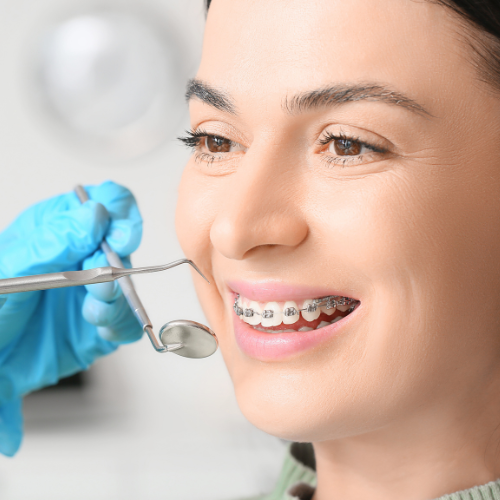
You did everything right, wore your braces, made it to every appointment, maybe even counted down the days to getting them off. So why do your teeth feel like they’re shifting again? If you've noticed subtle changes in your smile or bite after braces, you're not alone. Many people experience some degree of post-braces movement.
The good news? There’s usually a reason behind it, and even better, there’s something you can do to stop it from getting worse. Let’s break down what’s really going on when your teeth start to move after orthodontic treatment and what your next steps should be.
What causes teeth to shift after braces?
When your braces come off, your teeth don’t just "stay put" on their own. They’ve been moved through bone and soft tissue, and that tissue needs time (and the right support) to stabilize in the new position. Here's what typically causes that post-braces shifting:
1. Not Wearing Your Retainer:
This is the most common culprit. Retainers are custom-made to hold your teeth in place while your jawbone, gums, and ligaments adapt to their new alignment. Skipping your retainer, even for a few days, can lead to noticeable movement. And if it's been months (or years)? Your teeth may have shifted enough that the original retainer no longer fits.
2. Natural Aging and Jaw Changes:
Our bodies change as we age, and that includes your mouth. Over time, your jaw continues to grow and change shape, especially the lower jaw. This natural aging process can slowly push your teeth out of alignment, even if you wore your retainer religiously in your teens.
3. Teeth Grinding or Clenching (Bruxism):
If you grind your teeth at night or clench your jaw during the day (maybe without even realizing it), the pressure can slowly cause your teeth to shift. In some cases, it can also lead to pain in your jaw, headaches, and even chipped or cracked teeth.
4. Wisdom Teeth Erupting:
While not everyone experiences this, wisdom teeth can sometimes place pressure on surrounding teeth as they try to erupt, especially if there’s not enough space. This pressure may nudge your teeth out of place, particularly if you no longer wear a retainer.
5. Gum Disease and Bone Loss:
If the supporting structures of your teeth (your gums and jawbone) are weakened by periodontal disease, your teeth can become loose and start to move. This kind of shifting is usually more noticeable and may require periodontal treatment before any orthodontic correction.
Can Invisalign fix teeth that moved after braces?
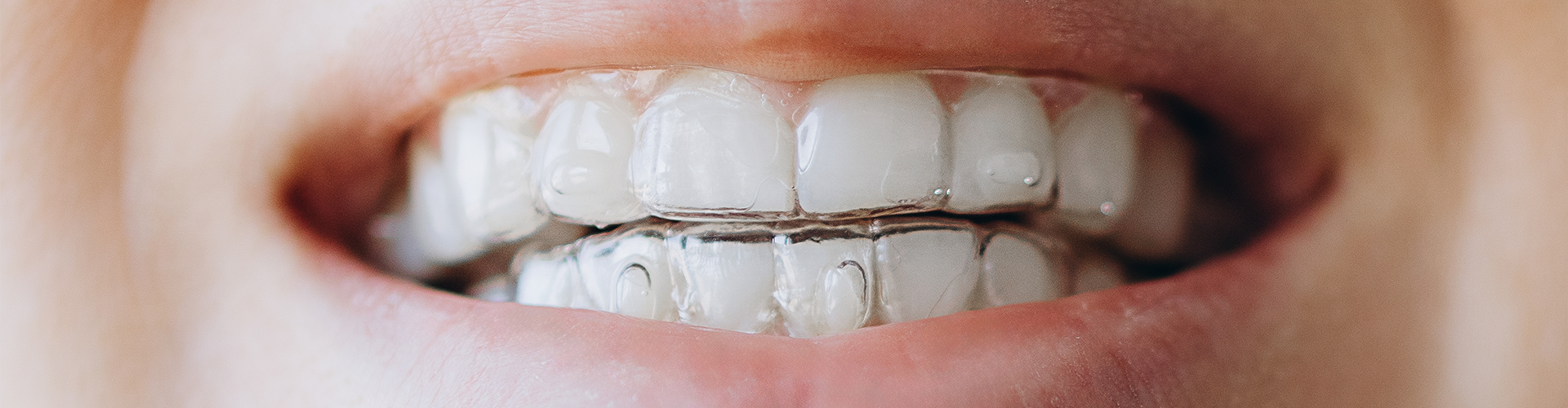
Yes, it can, and it’s one of the most popular ways to correct minor to moderate shifting after braces. If your teeth have started to wander, but you're not ready for another round of traditional metal braces, Invisalign offers a discreet and effective solution.
Here’s why it works so well:
Subtle and Comfortable:
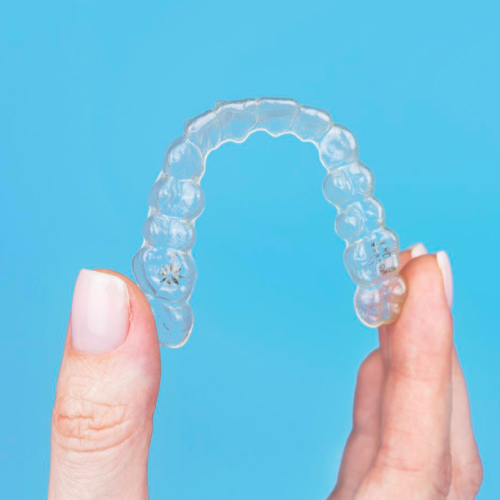
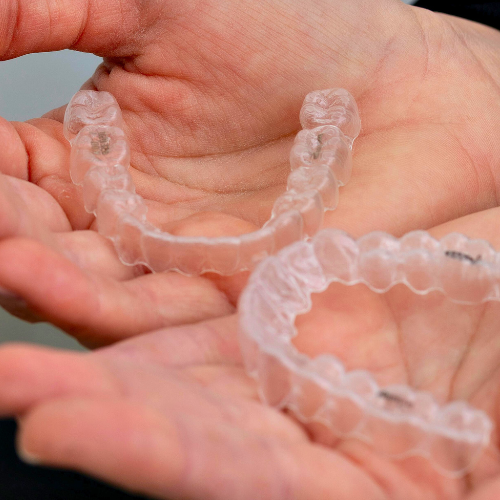
Invisalign aligners are clear, smooth, and custom-fit to your mouth. Unlike bulky brackets and wires, you won’t have to deal with discomfort or frequent in-office adjustments. Plus, they’re removable, so you can eat, brush, and floss like normal.
Fast Treatment for Minor Relapse:
If your teeth have only moved slightly, you may not need a full treatment plan. Invisalign Express or a short Invisalign course may be enough to get your smile back on track. Many cases of post-braces relapse can be corrected in as little as three to six months.
Helps Prevent Future Movement:
After you complete your Invisalign treatment, you’ll be fitted with a new retainer, just like after traditional braces. This helps prevent future movement and protects the investment you’ve made in your smile.
Bonus: Invisalign can also address bite issues, crowding, spacing, and minor rotations that may not have been fully corrected with your previous braces. So if you’re not just noticing movement but feeling like something is “off” with your bite, this could be a great option.
What happens if I ignore shifting teeth?
Let’s say your teeth have moved just a little. Maybe your bottom teeth feel slightly more crowded than they used to, or one of your front teeth has turned ever so slightly. It’s tempting to brush it off, especially if you’re not in pain. But here’s why ignoring shifting teeth isn’t a good idea:
The Movement Doesn’t Stop:
Once teeth begin to shift, they rarely do it in isolation. One small change in alignment can cause a domino effect. That subtle crowding can eventually turn into overlapping, rotating, or gaps between teeth, all of which can alter your bite and cause jaw strain.
You Could End Up Needing Braces Again:
Minor relapse can usually be corrected with Invisalign or even a new retainer, but the longer you wait, the more complex (and costly) your treatment may become. In some cases, full braces might be necessary to undo years of shifting.
Oral Hygiene Becomes Harder:
When your teeth aren’t aligned properly, it’s more difficult to clean them. Tight spaces between teeth can trap food particles and plaque, raising your risk for cavities and gum disease, even if your brushing habits haven’t changed.
Your Bite Can Become Uneven:
A shifting bite can lead to TMJ issues (temporomandibular joint dysfunction), jaw pain, and chronic headaches. You might notice clicking when you chew, tenderness in your jaw, or even worn-down teeth from misalignment.
Aesthetic Changes:
Your smile is part of how you express yourself, and small shifts in tooth alignment can change the appearance of your smile or facial symmetry. If your teeth move enough, it can start to affect your confidence, especially in photos or social settings.
So, What Can You Do Now?
If you’re starting to notice changes in your teeth or bite, don’t wait. The earlier you act, the easier (and faster) it will be to correct the problem. Here’s what to do next:
- Book a dental consultation: We’ll take a look at how much movement has occurred and what your options are. Sometimes, it’s as simple as getting a new retainer. Other times, clear aligners may be the best fit.
- Discuss Invisalign treatment: At Nu Dentistry Cypress, we’ve helped countless patients correct post-braces movement with Invisalign, and we’ll walk you through what to expect.
- Get your retainer checked: If you still have one, bring it in! We’ll check if it fits, and if it doesn’t, we can create a new one to hold your teeth in place after any new treatment.
Your Smile Still Deserves Attention, Even After Braces
Orthodontic care doesn’t end when the braces come off. Your teeth are always moving, and even small changes can cause long-term issues if left unchecked. Whether it’s been a few months or a few years since your braces came off, we’re here to help you protect your smile for the long run.
Think your teeth might be shifting? Let’s catch it early. Schedule an appointment with Nu Dentistry Cypress today. We’ll help you figure out exactly what’s going on and what to do next.