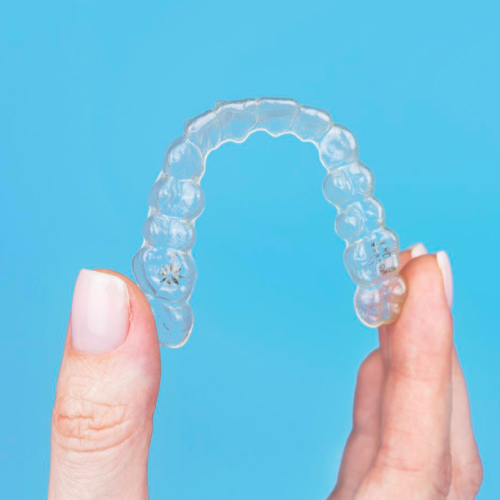
Why Your Invisalign Trays Aren't Fitting — And What to Do About It
Invisalign trays not fitting right in Cypress, TX? Learn about tracking issues and refinements. Call Nu Dentistry Cypress today.
Read More
Choosing between Invisalign and traditional braces is about more than just aesthetics or cost. It’s about how each option will fit into your daily life for the months (or years) you’ll be wearing them. After all, if you’re committing to orthodontic treatment, you want to be sure it won’t make every meal, conversation, or big event feel like an obstacle course.
At Nu Dentistry Cypress, we’ve helped hundreds of patients navigate this decision—not just based on dental mechanics, but on lifestyle preferences too. Here’s what to think about when considering which treatment will truly work with your life, not against it.
Let’s be honest: no tooth-straightening option is completely sensation-free. Any system that shifts teeth into alignment will create some pressure or discomfort, especially after adjustments or new aligner trays. But when it comes to daily comfort, the experiences can differ quite a bit.
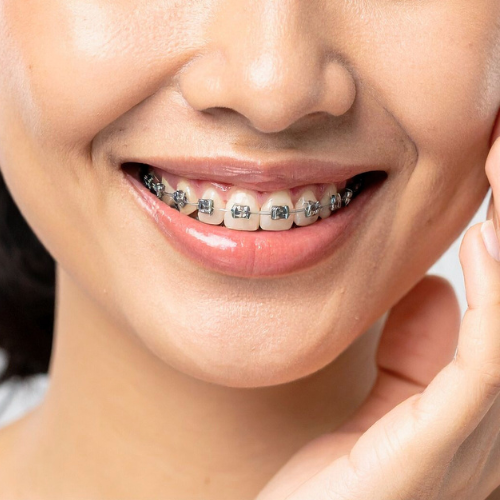
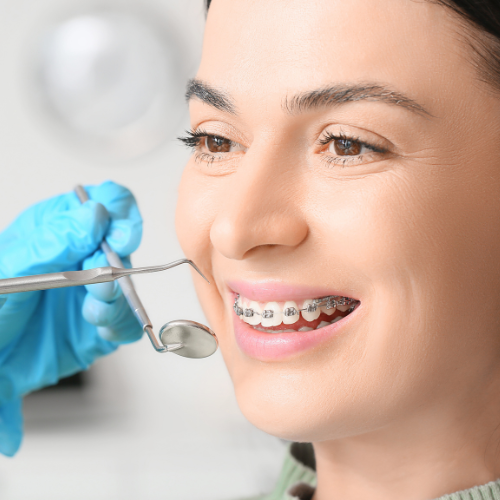
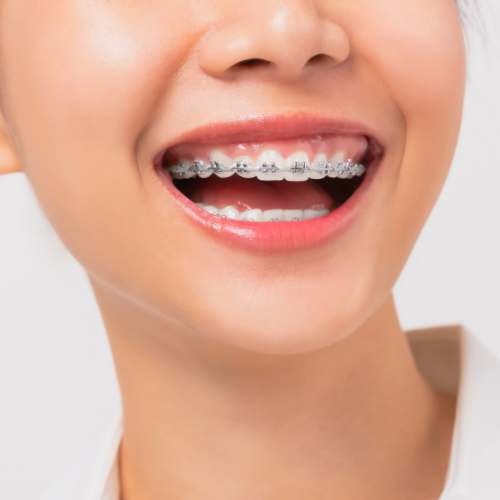
Braces: Braces consist of brackets bonded to your teeth and connected with archwires. At first, patients often notice irritation on the inside of their lips or cheeks where the hardware rubs. Orthodontic wax can help, but it’s an adjustment. Braces also require periodic tightening appointments, which usually mean a few days of heightened pressure or soreness.
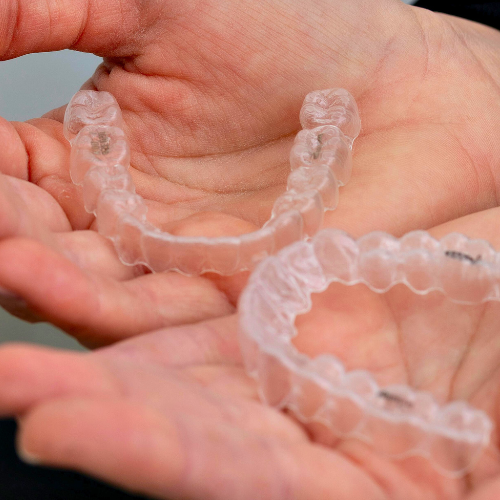
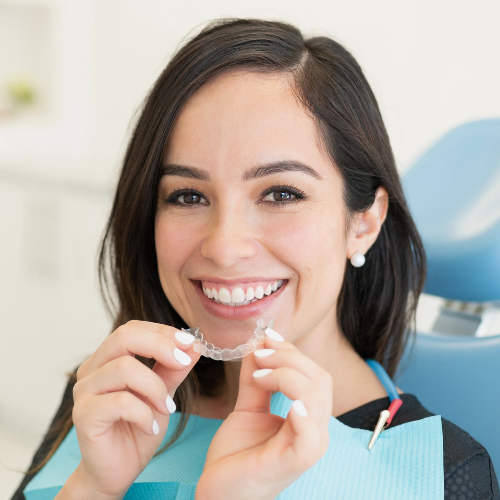
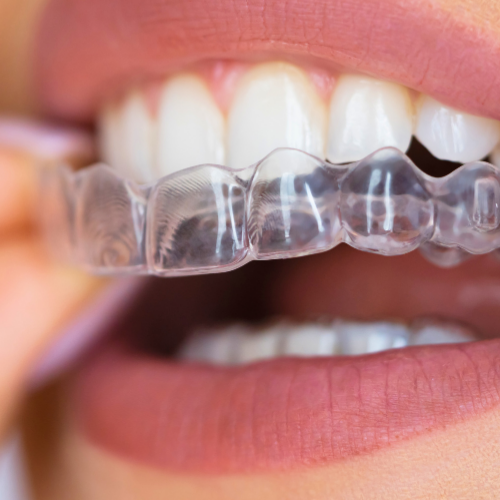
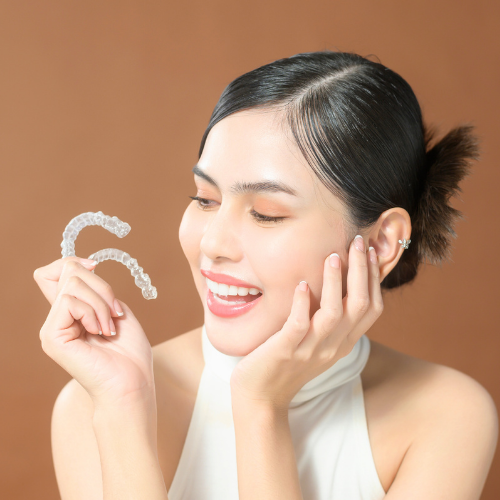
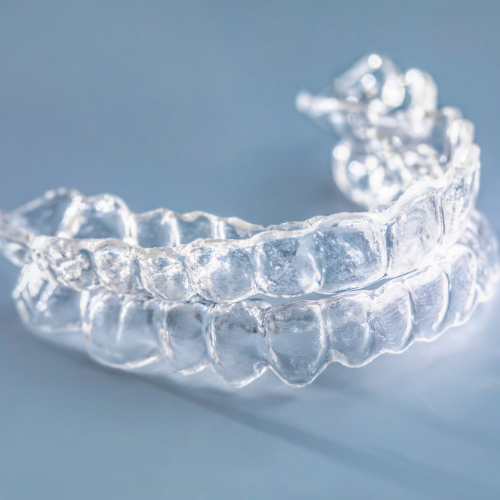
Invisalign: Invisalign aligners are smooth, BPA-free plastic trays custom-molded to your teeth. Most patients report that, aside from the gentle pressure of tooth movement, they barely notice them during the day. There’s no metal to cause irritation. However, some people feel mild discomfort when switching to a new set of trays (typically every 1-2 weeks).
Bottom line: If minimizing physical discomfort is a top priority, Invisalign generally wins the comfort contest for daily wear. But remember, everyone’s sensitivity is different. Some patients adapt to braces quickly and barely notice them after a few weeks.
Eating: With braces, you’ll need to steer clear of certain foods. Sticky treats like caramel, gum, and chewy candies are out. Crunchy snacks like popcorn and hard nuts can damage brackets or wires. Even biting into whole apples or corn on the cob requires extra care—or slicing them into manageable pieces.
Invisalign, on the other hand, lets you remove the aligners while eating. That means no food restrictions. You can enjoy your favorite meals without worrying about bending a wire or popping a bracket. Just remember to brush your teeth before popping the aligners back in.
Speaking: Most brace-wearers find that speaking normally takes a little getting used to, especially if rubber bands are part of their treatment. That said, the learning curve is usually short.
Invisalign wearers might experience a slight lisp at first, especially in the initial days of wearing new trays. However, this typically resolves quickly as your tongue adapts.
Hygiene and Care: Braces require careful brushing and flossing around brackets and wires. Special tools like floss threaders or water flossers can make this easier, but cleaning does take more time and patience.
Invisalign users can brush and floss normally after removing the trays, which most people find much more convenient. Just don’t forget to clean the aligners themselves regularly to prevent staining or odors.
Daily Activities: Whether you play a wind instrument, engage in public speaking, or enjoy a morning coffee ritual, Invisalign’s removability can be a huge lifestyle advantage. But be mindful—leaving the trays out for more than 2 hours a day can slow progress.
Bottom line: If you want to keep your daily habits largely unchanged and avoid food restrictions, Invisalign is usually the better fit. However, highly disciplined wear is crucial to stay on track.
Sports and Physical Activity: If you play contact sports, braces can pose a risk of cuts or injuries inside the mouth during collisions. A custom mouthguard is essential. Invisalign trays offer a smoother profile and can even be removed during high-contact activities if needed (just keep those removals brief!).
Special Occasions: Have a wedding, graduation, or big work presentation on the horizon? Invisalign allows you to take out your aligners temporarily for photos or events. Braces, of course, are a fixed feature—but many patients opt for ceramic (clear) braces if they want a less noticeable look.
Travel and Busy Schedules: Frequent travelers or those with jam-packed schedules often appreciate Invisalign’s flexibility. You won’t need as many in-office adjustment appointments as braces typically require. Instead, you’ll swap to new aligners at home according to your treatment plan, with occasional check-ins.
That said, if you’re someone who might forget to wear your aligners consistently or risk misplacing them while on the go, braces might be the better bet for staying on track.
Bottom line: Active lifestyle? Invisalign tends to be the easier choice—if you can commit to wearing them for the recommended time each day. If you prefer a “set it and forget it” approach and don’t mind a few lifestyle tweaks, braces remain a reliable solution.
So...Which Should You Choose? Both Invisalign and braces have helped millions achieve beautiful, healthy smiles. The decision really comes down to how much control and flexibility you want day to day—and how much you’re willing to adapt to a more structured routine.
At Nu Dentistry Cypress, we don’t just hand you a brochure and send you on your way. We take time to understand your lifestyle, goals, and preferences. We’ll walk you through how each treatment will realistically fit into your daily activities, diet, and social life.
Your comfort isn’t a bonus feature—it’s an essential part of making sure your treatment is successful and sustainable.
Let’s Find the Perfect Fit for Your Smile—and Your Life
Ready to explore whether Invisalign or braces will work best for your comfort and lifestyle?
Fresh news from the dental world
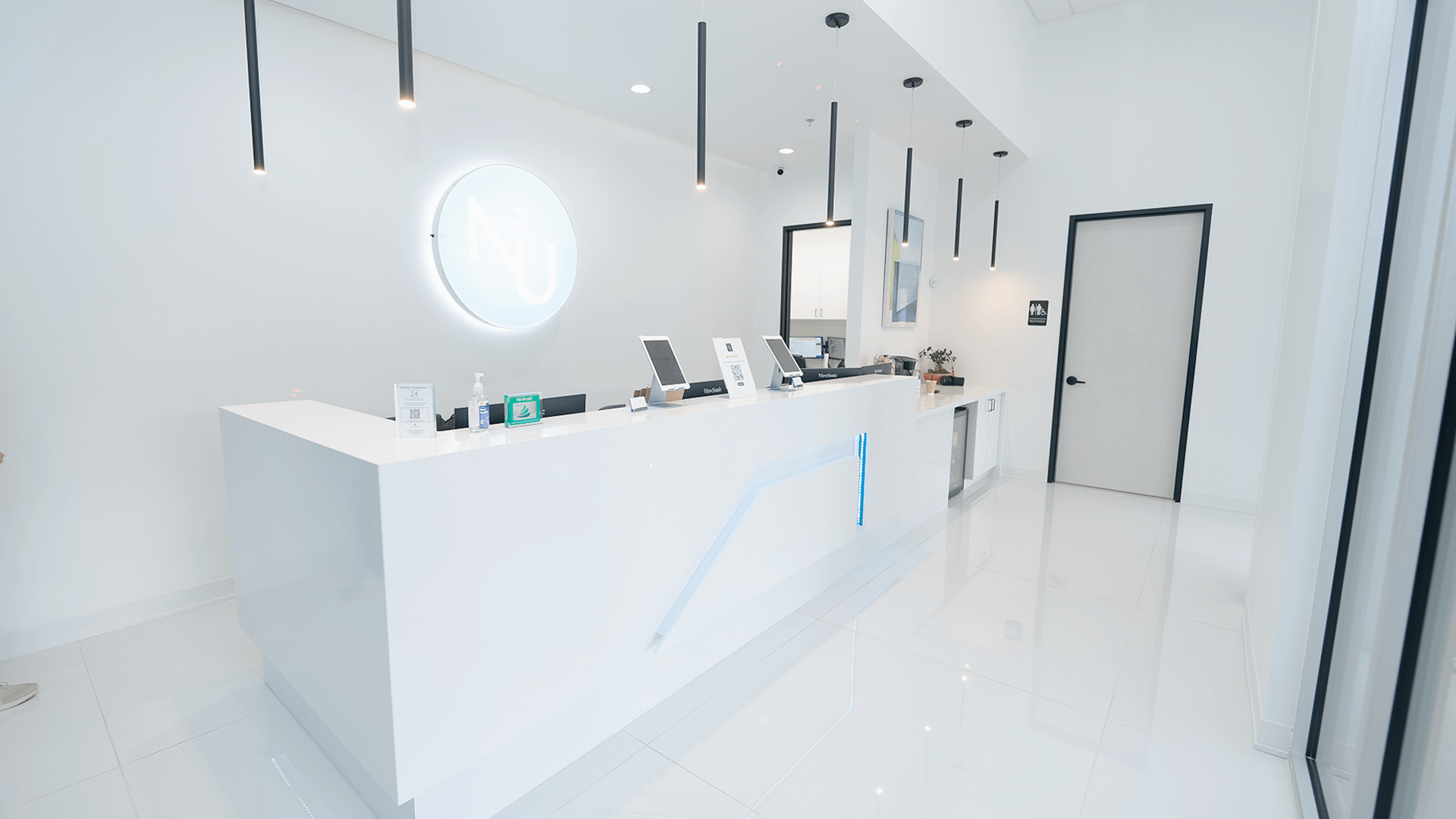
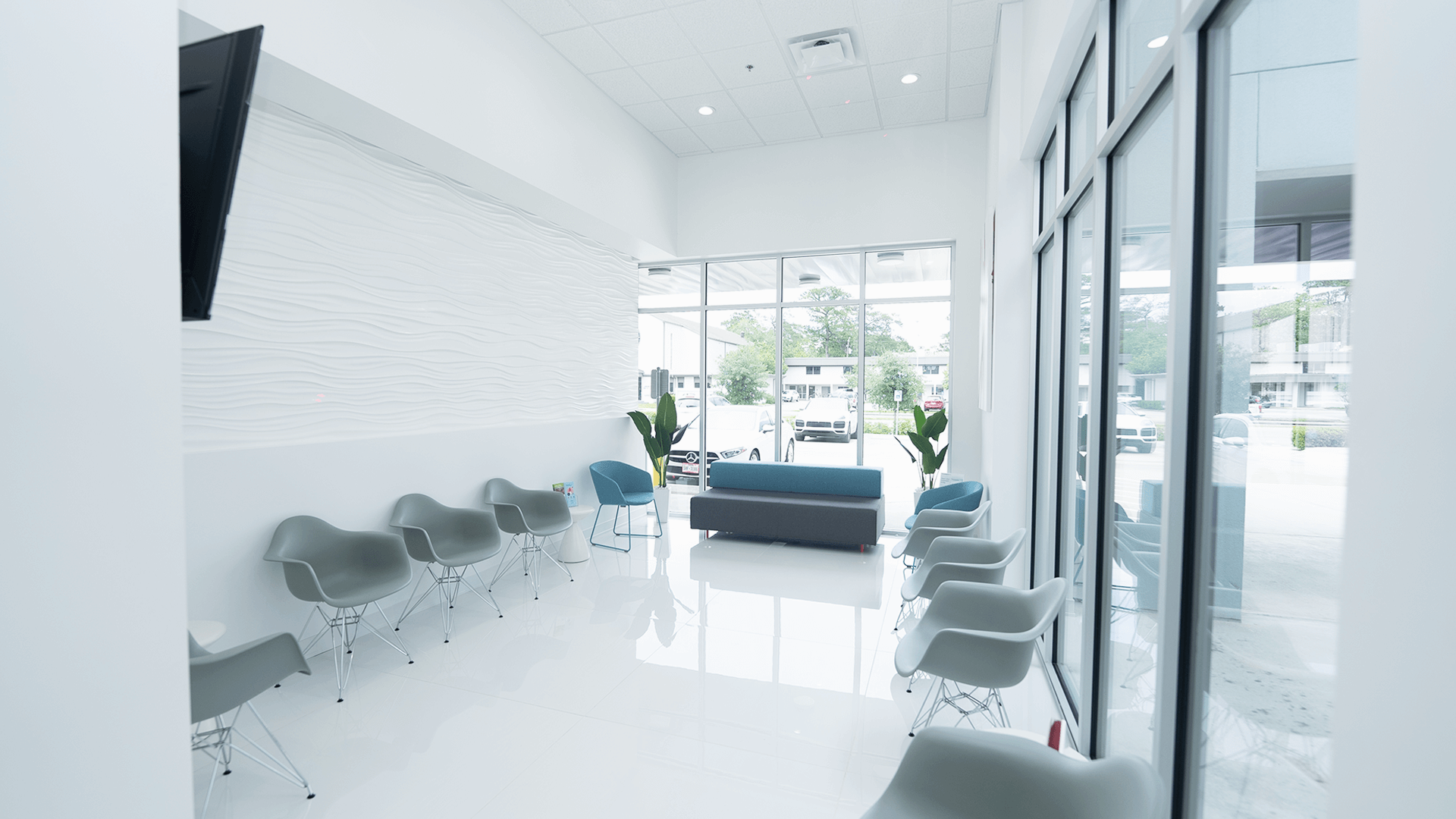
See what a visit to our modern, state-of-the-art dentist office is like!







Monday 9am - 6pm
Wednesday 9am - 6pm
Friday 9am - 6pm
Saturday 9am - 3pm
Check out what our patients are saying in Cypress, TX


“The Best Dentist In Cypress, Texas”
We have been looking for a family dentist for a long time, we have tried a bunch of places but nothing felt quite like home. Not too long ago we stumbled upon Nu Dentistry and met Dr. Ali. Not only was he professional, kind, and gentle, but he always finds a way to fit us in when we need an appointment. He’s also pretty funny! I appreciate that he takes the time to explain what he’s doing, before he does it. That really puts me at ease.

“Never Thought I'd Say It”
I never thought I’d say it, but going to the dentist is actually fun now. I recently came in for a root canal, and I got to sit back and catch up on Stranger Things without any pain!

“Anxiety Has Kept Me Away ”
I usually have such huge anxiety when I go to a dentist appointment, which means I always put off visits until the last minute to disastrous consequences. However, Dr. Loggins helped me with sedation, so the entire process was a breeze!
“The Best Dentist In Cypress, Texas”
We have been looking for a family dentist for a long time, we have tried a bunch of places but nothing felt quite like home. Not too long ago we stumbled upon Nu Dentistry and met Dr. Ali. Not only was he professional, kind, and gentle, but he always finds a way to fit us in when we need an appointment. He’s also pretty funny! I appreciate that he takes the time to explain what he’s doing, before he does it. That really puts me at ease.
“Never Thought I'd Say It”
I never thought I’d say it, but going to the dentist is actually fun now. I recently came in for a root canal, and I got to sit back and catch up on Stranger Things without any pain!
We are proud members of these dental organizations and accreditations


We are dedicated to providing you with only the best quality dental care


