Orthodontic treatments have come a long way, offering various solutions for dental alignment issues. Understanding the types of orthodontic appliances available can help you make an informed decision about your treatment. Here’s a detailed look at the different options to consider.
What Are the Different Types of Orthodontic Appliances?
Orthodontic appliances are designed to correct teeth and jaw alignment. They can be classified into fixed and removable devices. Here’s a detailed breakdown:
Fixed Appliances:
Fixed appliances are attached to the teeth and can only be removed by an orthodontist. They provide consistent pressure to move teeth into the desired position. The most common types include:
-
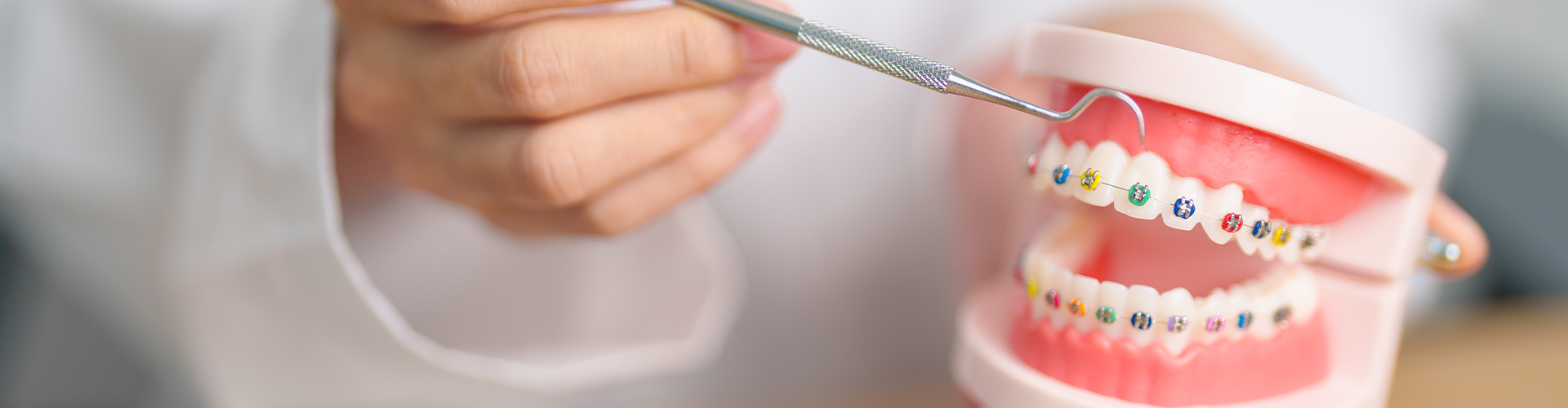
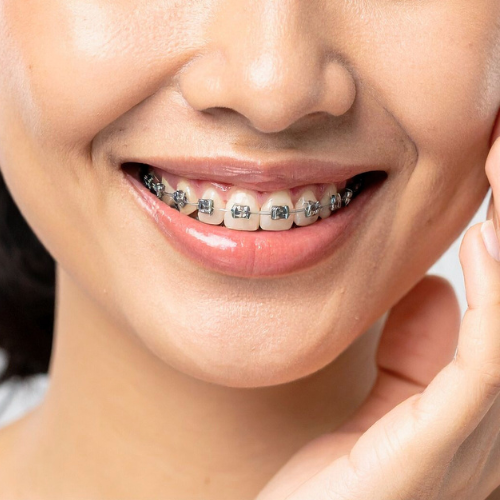
Braces: These are the most widely recognized type of fixed appliance. Braces consist of metal brackets attached to the teeth, connected by wires and rubber bands. They apply continuous pressure to move teeth into proper alignment over time.
-
Fixed Space Maintainers: These are typically used in pediatric orthodontics. When a child loses a baby tooth prematurely, a fixed space maintainer holds the space open until the permanent tooth erupts. This prevents adjacent teeth from shifting into the gap and causing alignment issues.
Removable Appliances:
Removable appliances can be taken out by the patient for eating, brushing, and flossing. They offer flexibility and convenience, and include:
-
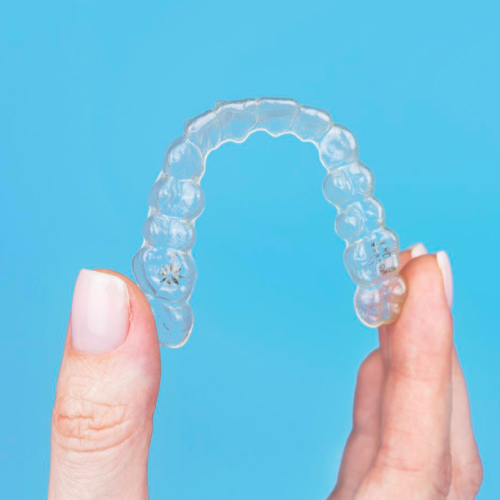
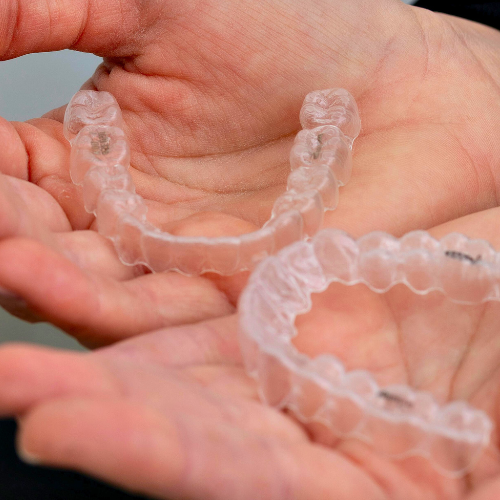
Aligners: Clear aligners, like Invisalign, are transparent, custom-made trays that fit snugly over the teeth. They are virtually invisible and can be removed for meals and oral hygiene. Patients switch to a new set of aligners every few weeks as their teeth gradually shift into place.
-
Jaw Repositioning Appliances (Splints): These are used to correct jaw alignment issues, such as TMJ disorders. Splints help position the jaw into a more natural and comfortable position, relieving pain and improving function.
-
Palatal Expanders: These devices are used to widen the upper jaw. They are particularly useful in treating young patients whose jaws are still growing. By gradually expanding the palatal area, they create more space for teeth to align correctly.
Understanding the variety of orthodontic appliances available helps in choosing the best treatment for individual dental needs. Fixed appliances like braces and space maintainers provide reliable, consistent results, while removable appliances like aligners and splints offer convenience and flexibility.
Are There Different Types of Braces?
Braces are a well-known orthodontic appliance, and they come in several varieties to suit different needs and preferences. Each type offers unique benefits and considerations, allowing patients to choose the best option for their lifestyle and treatment goals:
Metal Braces:
These are the traditional and most common type of braces, made of high-grade stainless steel. Metal braces are highly effective for correcting a wide range of dental issues. Despite their visibility, modern versions are more comfortable and smaller than those in the past. They are often recommended for complex cases due to their durability and precision.
Ceramic Braces:
Designed to blend with natural teeth, ceramic braces are made of clear or tooth-colored materials. They offer a more discreet alternative to metal braces, making them a popular choice among teens and adults who are concerned about the appearance of their braces. While they are less noticeable, ceramic braces can be slightly more brittle and may require extra care to avoid staining.
Lingual Braces:
These braces are placed on the inside surface of the teeth, making them invisible from the front. Lingual braces are customized to fit the contours of each patient’s teeth, offering a discreet treatment option. They can be more challenging to clean and may take longer to adjust to, but they are an excellent choice for those seeking a completely hidden solution.
Self-Ligating Braces:
Similar in appearance to traditional metal braces, self-ligating braces use a special clip instead of elastic bands to hold the archwire in place. This design reduces friction and can shorten treatment time. They are available in both metal and ceramic options, providing flexibility based on aesthetic preferences and treatment needs.
Clear Aligners:
These removable, transparent trays, such as Invisalign, gradually move teeth into the desired position without the use of brackets or wires. Clear aligners are virtually invisible and can be taken out for eating, drinking, and oral hygiene. They are ideal for patients with mild to moderate alignment issues who seek a comfortable and convenient treatment method. Regular switching to a new set of aligners ensures continuous progress.
Each type of braces has its advantages, making it important to consult with an orthodontist to determine the most suitable option for your specific dental needs. Whether prioritizing discretion, comfort, or efficiency, there's a type of braces that can help achieve a healthy, beautiful smile.
Which Kind of Braces Are Best?
The best type of braces depends on various factors, including the specific dental issues, aesthetic preferences, and lifestyle. Each type of braces offers unique benefits, and understanding these can help you make an informed decision.
Metal Braces are often the go-to choice for severe corrections due to their strength and effectiveness. They are the most affordable option, making them accessible for many patients. Despite their noticeable appearance, modern metal braces are smaller and more comfortable than ever before. They are particularly well-suited for younger patients and those with complex orthodontic issues.
Ceramic Braces are ideal for those who prioritize aesthetics. These braces blend with natural teeth, making them less noticeable than metal braces. However, they can be slightly more fragile and may require more diligent oral hygiene to prevent staining. Ceramic braces are a popular choice among adults and teens who want a more discreet option without compromising the effectiveness of their treatment.
Lingual Braces are a perfect solution for individuals who are highly concerned about the appearance of braces. These braces are attached to the back of the teeth, rendering them invisible from the front. While lingual braces can be more uncomfortable initially and may take longer to get used to, they offer a highly discreet option that does not compromise on effectiveness. They may not be suitable for all cases; your orthodontist will help guide you on which option is best for your specific case. Lingual braces are an excellent choice for people in professions where appearance is particularly important.
Self-Ligating Braces offer a modern twist on traditional braces. They use a special clip instead of elastic bands to hold the wire in place, reducing friction and often shortening treatment time. These braces typically require fewer adjustments, making them more convenient for busy patients. They are available in both metal and ceramic forms, providing flexibility for those who want a less visible option.
Clear Aligners are the best choice for those seeking a nearly invisible treatment option. These removable, transparent trays are custom-made to fit snugly over the teeth and gradually move them into the desired position. Clear aligners are ideal for patients with minor to moderate alignment issues and those who prefer not to have fixed braces. They offer the convenience of being removable, allowing for easy eating, drinking, and cleaning. However, they require discipline, as they must be worn for 20-22 hours per day to be effective.
In summary, the best type of braces is highly individualized. It depends on the complexity of the dental issues, the patient's lifestyle, and their aesthetic preferences. Consulting with an experienced orthodontist will help you weigh these factors and choose the option that best suits your needs, ensuring the most efficient and comfortable path to a beautiful, healthy smile.
Conclusion
Choosing the right orthodontic treatment is crucial for achieving the best results. Whether you need traditional braces or modern clear aligners, understanding your options will help you make an informed decision.
Ready to transform your smile? Schedule an appointment with our dental office today and let our experienced orthodontists guide you to the perfect solution.