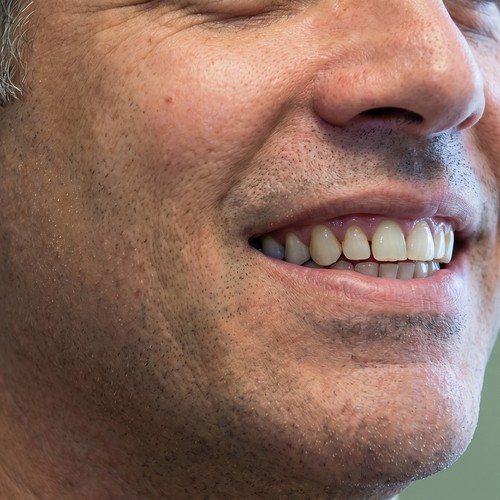
Why Gum Disease Makes Teeth Shift, Loosen, and Fall Out
Wondering why gum disease causes loose or shifting teeth? Learn how it leads to tooth loss and permanent damage. Schedule your exam at Nu Dentistry Cypress now!
Read More
Overall well-being is strongly correlated with dental health, and in the complex terrain of the oral cavity, gum health is a critical pillar. The gingiva, or gums, support the various tissues in the mouth and have a major impact on more general elements of systemic health in addition to the integrity of the teeth. Healthy gums are acknowledged as more than simply the pink background of a brilliant smile; they also act as a barrier against bacterial invasion, a preventative measure, and a critical factor in delaying the onset of gum disorders.
The significance of keeping healthy gums ripples through many aspects of oral and general health, from supporting teeth and encouraging excellent oral hygiene habits to impacting aesthetic appeal and promoting fresh breath. In this investigation, we explore the several reasons that gum health is critical, expanding its influence beyond the oral cavity to include the wider domain of systemic health. For a number of reasons, having healthy gums is crucial to preserving overall oral health.
In essence, having healthy gums has a significant impact on general wellbeing in addition to being essential for maintaining oral health. The keys to keeping healthy gums, having a bright smile, and being in excellent health are practicing good oral hygiene, going to the dentist on a regular basis, and taking quick care of any gum-related issues.
Dental health includes the whole oral cavity, including the frequently disregarded but vital gums. It is not just about having beautiful white teeth. It makes sense that when gum disease requires deep cleaning, patients would want to know how long it will take for their gums to heal following the treatment.
A well-planned process must be navigated in order to achieve ideal oral health, especially when it comes to gum healing. You'll probably notice an improvement in the health of your gums as the first one to two weeks go by. Reduced inflammation and the reattachment of your gums to your teeth initiate the healing process. Your gums will continue to improve over the next two to eight weeks, progressively firming and becoming healthier. In order to facilitate the healing process, it is imperative that you heed the recommendations of your dentist during this time. For a more detailed explanation, see this:
When treating gum disease, periodontal laser treatment has become more and more popular as a less intrusive substitute for traditional gum surgery. But does it really work?
Patients may question if they can go back to flossing right away after having a deep cleaning procedure.
Each person heals from a deep cleaning differently, but with the right attention and upkeep, gums can recover in a matter of weeks to months. Patients now have a less intrusive option for treating gum disease because of the success of periodontal laser treatment. When it comes to flossing following a deep cleaning, tolerance and a soft touch are essential to promoting the healing process without aggravating the situation.
Keep in mind that the best gum health depends on maintaining regular dental checkups, practicing consistent oral cleanliness, and doing as your dentist advises.Our team of dental experts at Nu Dentistry Cypress is committed to giving you individualized care so you can attain and maintain the best possible oral health.
If you're interested in learning more or want to schedule a consultation with one of our dental professionals, contact our office today! We can help you understand the costs involved and explore financing options to help make oral health more affordable for you.
Fresh news from the dental world
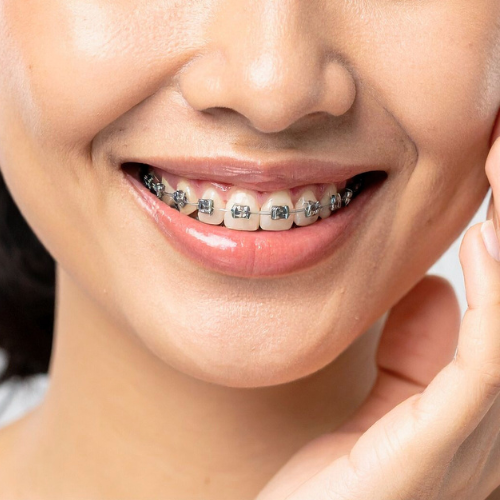
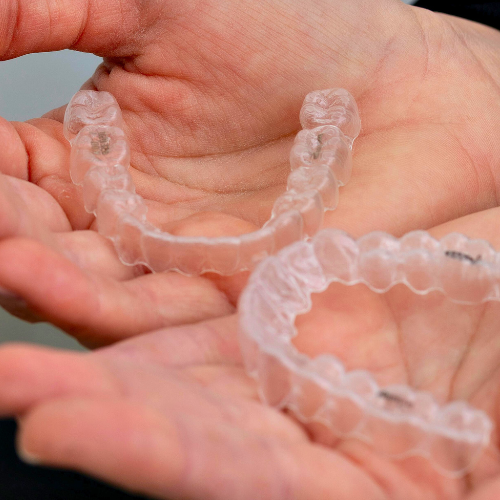
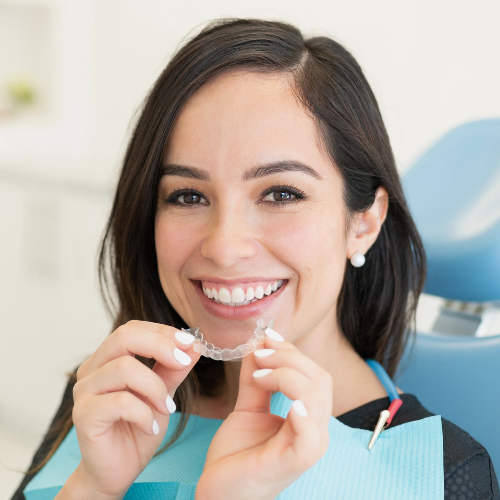
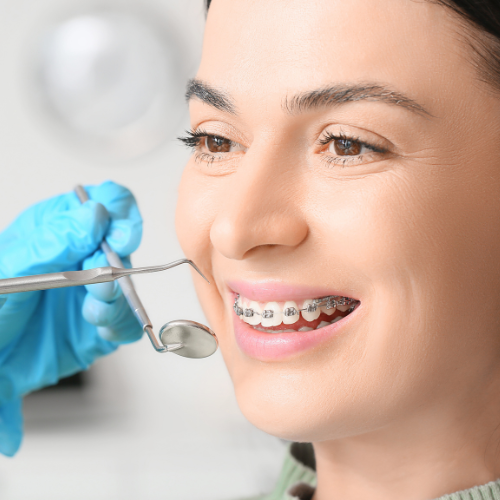
See what a visit to our modern, state-of-the-art dentist office is like!











Monday 9am - 6pm
Wednesday 9am - 6pm
Friday 9am - 6pm
Saturday 9am - 3pm
Check out what our patients are saying in Cypress, TX


“The Best Dentist In Cypress, Texas”
We have been looking for a family dentist for a long time, we have tried a bunch of places but nothing felt quite like home. Not too long ago we stumbled upon Nu Dentistry and met Dr. Ali. Not only was he professional, kind, and gentle, but he always finds a way to fit us in when we need an appointment. He’s also pretty funny! I appreciate that he takes the time to explain what he’s doing, before he does it. That really puts me at ease.

“Never Thought I'd Say It”
I never thought I’d say it, but going to the dentist is actually fun now. I recently came in for a root canal, and I got to sit back and catch up on Stranger Things without any pain!

“Anxiety Has Kept Me Away ”
I usually have such huge anxiety when I go to a dentist appointment, which means I always put off visits until the last minute to disastrous consequences. However, Dr. Loggins helped me with sedation, so the entire process was a breeze!
“The Best Dentist In Cypress, Texas”
We have been looking for a family dentist for a long time, we have tried a bunch of places but nothing felt quite like home. Not too long ago we stumbled upon Nu Dentistry and met Dr. Ali. Not only was he professional, kind, and gentle, but he always finds a way to fit us in when we need an appointment. He’s also pretty funny! I appreciate that he takes the time to explain what he’s doing, before he does it. That really puts me at ease.
“Never Thought I'd Say It”
I never thought I’d say it, but going to the dentist is actually fun now. I recently came in for a root canal, and I got to sit back and catch up on Stranger Things without any pain!
We are proud members of these dental organizations and accreditations


We are dedicated to providing you with only the best quality dental care


