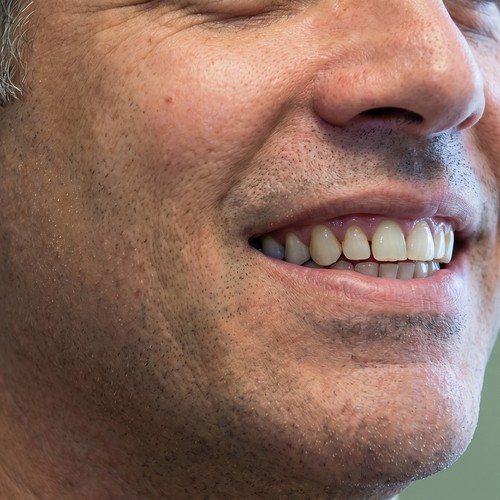
Why Gum Disease Makes Teeth Shift, Loosen, and Fall Out
Wondering why gum disease causes loose or shifting teeth? Learn how it leads to tooth loss and permanent damage. Schedule your exam at Nu Dentistry Cypress now!
Read More
Teeth whitening times might vary greatly depending on a number of factors. The following are some important factors that affect how long it takes:
It's critical to control expectations about how quickly teeth will whiten. Some people may need more time to see notable changes, while others may notice a major change after a few sessions. Furthermore, lifestyle variables including diet and post-treatment oral hygiene upkeep can affect how long the whitening effects last.
Speaking with a dentist before beginning any teeth-whitening procedure can offer tailored advice on the best course of action and anticipated time frame depending on your unique dental circumstances. Concerns regarding uneven whitening or possible sensitivity that could shorten the treatment's duration can also be addressed by them.
Dentists employ a variety of teeth-whitening techniques, each created to satisfy the particular requirements of their patients. Dentists often use the following professional teeth-whitening procedures:
The method of choice is frequently determined by the degree of discoloration, the patient's preferences, and any dental considerations, such as any current dental work or sensitivity difficulties. Based on each patient's unique demands, dentists evaluate the patient's oral health, talk about expectations, and suggest the best whitening procedure.
It's important to remember that in order to guarantee safety and efficacy, professional teeth whitening should be overseen by a dentist. For extended results maintenance, they can also offer advice on maintenance and post-whitening care.
Several factors might lead to uneven teeth whitening, where certain areas of your teeth appear to brighten while others do not. Recognizing these factors can assist in controlling expectations and resolving any possible issues:
Seeing a dentist can help you identify the underlying causes of uneven teeth whitening and look into possible remedies. To acquire more consistent outcomes, they can suggest customized strategies like modifying the whitening technique, area-specific treatments, or other cosmetic dentistry operations.
If you'd like more information regarding teeth whitening or want to schedule a consultation with one of our dental professionals, contact our office today! We can help you understand the costs involved and explore financing options to help make teeth whitening more affordable for you.
Fresh news from the dental world
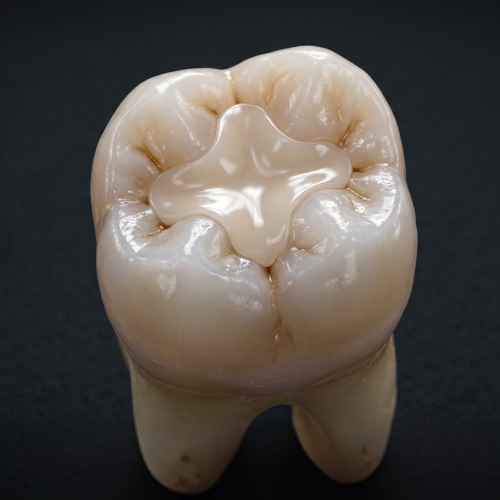
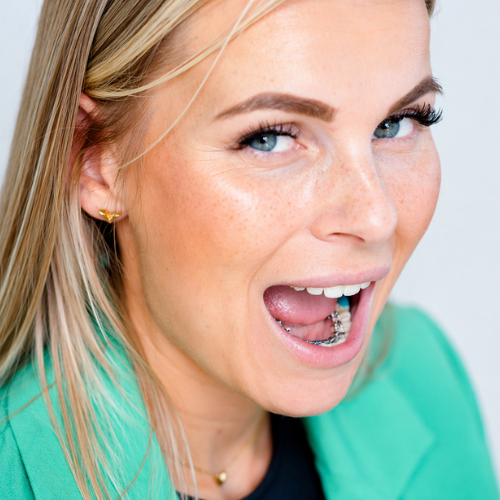
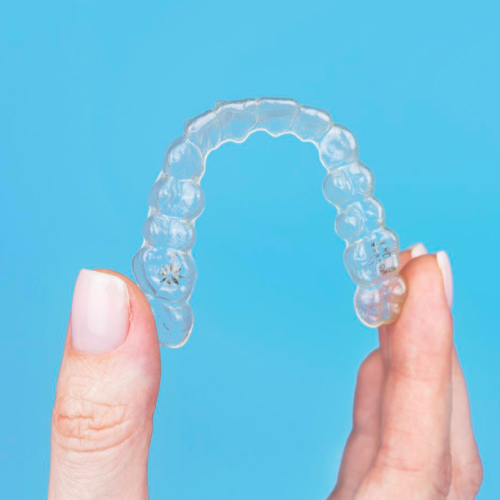
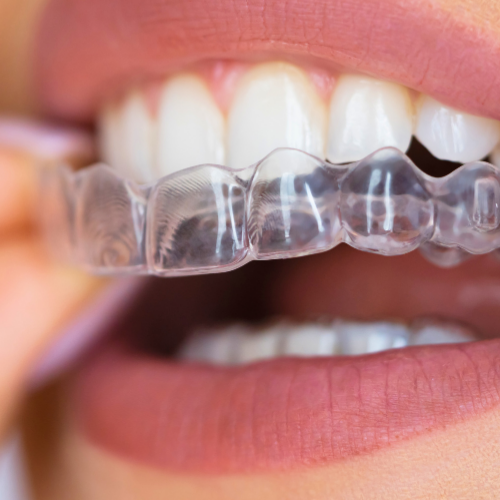
See what a visit to our modern, state-of-the-art dentist office is like!


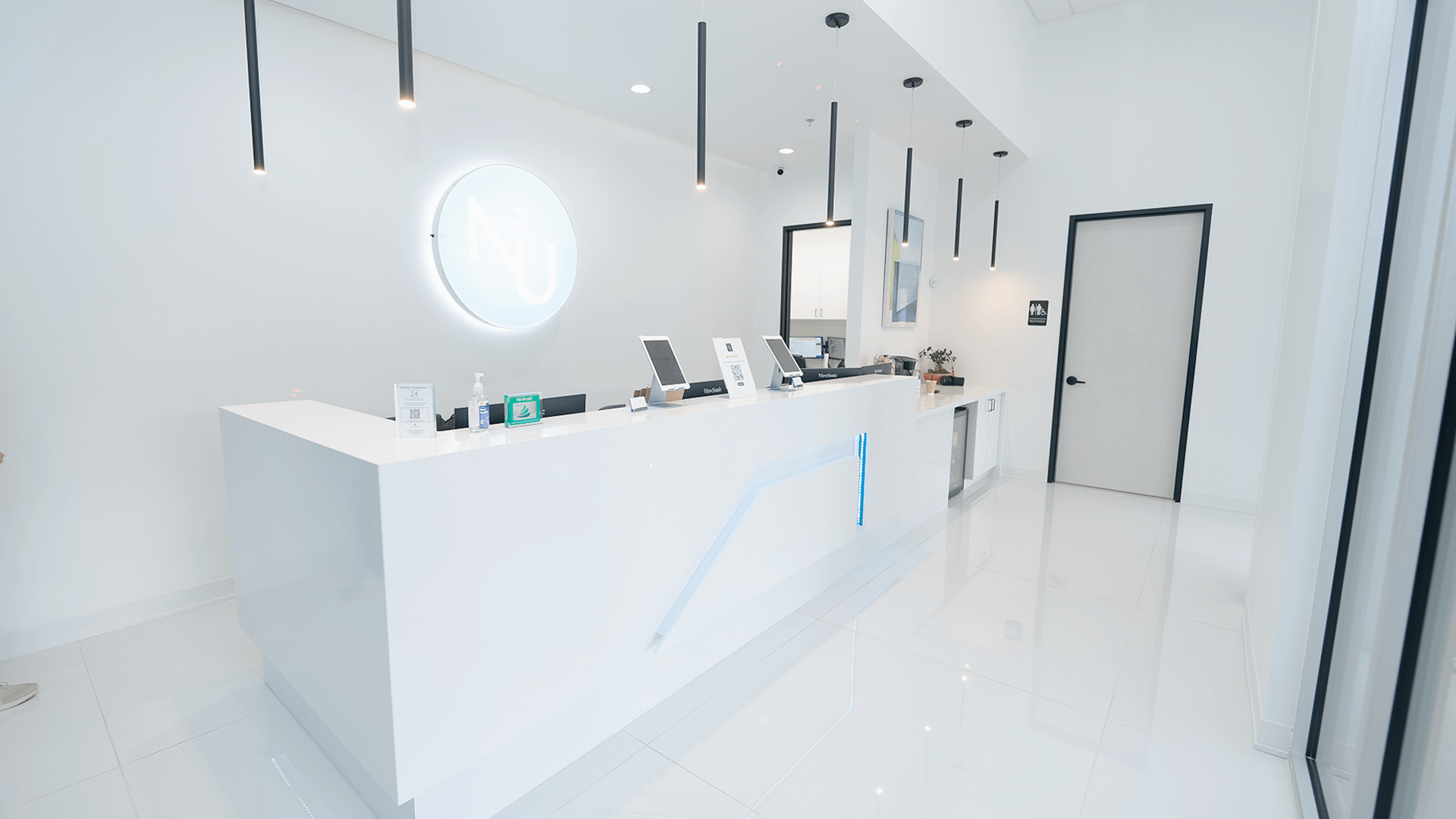


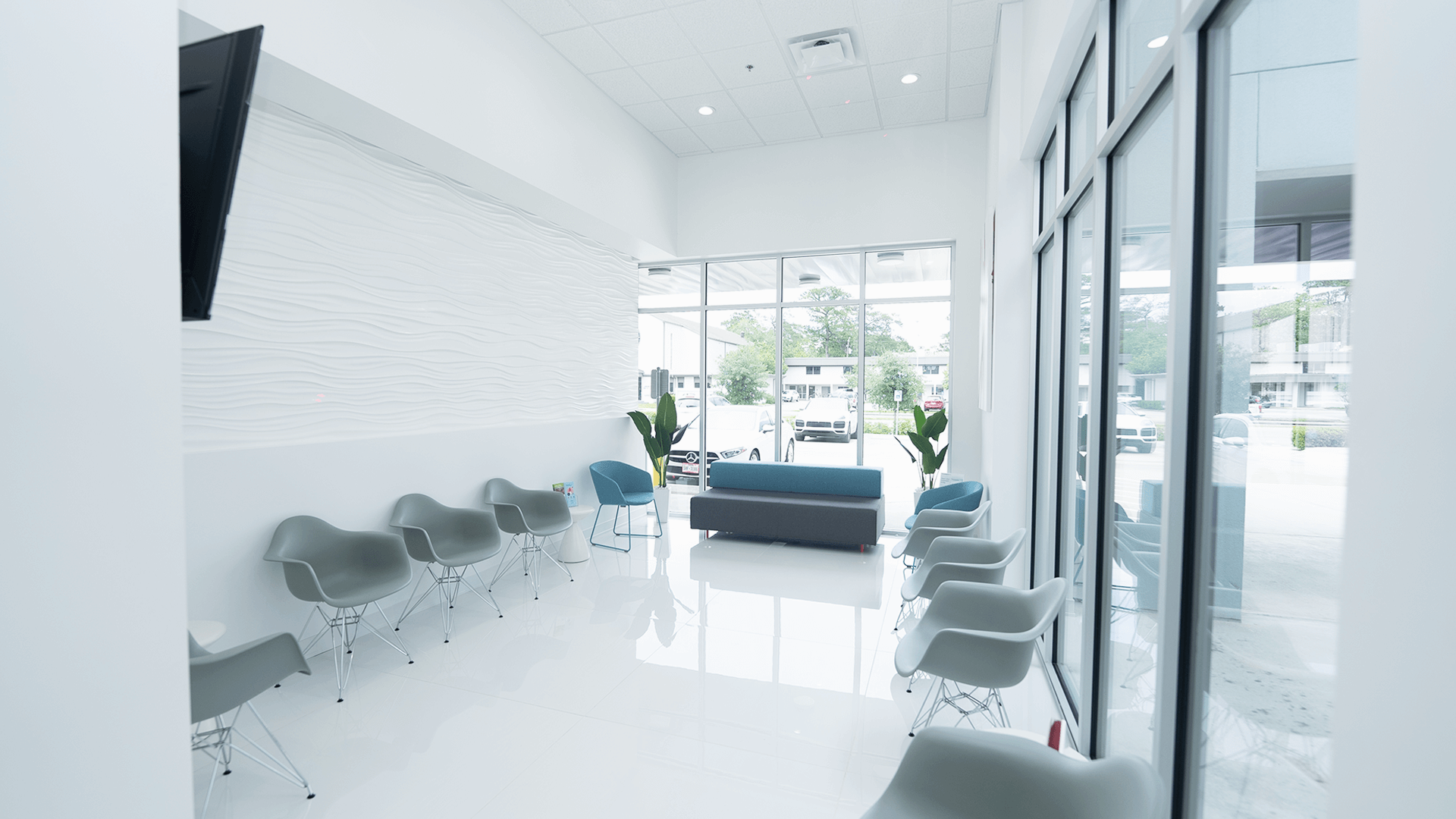




Monday 9am - 6pm
Wednesday 9am - 6pm
Friday 9am - 6pm
Saturday 9am - 3pm
Check out what our patients are saying in Cypress, TX


“The Best Dentist In Cypress, Texas”
We have been looking for a family dentist for a long time, we have tried a bunch of places but nothing felt quite like home. Not too long ago we stumbled upon Nu Dentistry and met Dr. Ali. Not only was he professional, kind, and gentle, but he always finds a way to fit us in when we need an appointment. He’s also pretty funny! I appreciate that he takes the time to explain what he’s doing, before he does it. That really puts me at ease.

“Never Thought I'd Say It”
I never thought I’d say it, but going to the dentist is actually fun now. I recently came in for a root canal, and I got to sit back and catch up on Stranger Things without any pain!

“Anxiety Has Kept Me Away ”
I usually have such huge anxiety when I go to a dentist appointment, which means I always put off visits until the last minute to disastrous consequences. However, Dr. Loggins helped me with sedation, so the entire process was a breeze!
“The Best Dentist In Cypress, Texas”
We have been looking for a family dentist for a long time, we have tried a bunch of places but nothing felt quite like home. Not too long ago we stumbled upon Nu Dentistry and met Dr. Ali. Not only was he professional, kind, and gentle, but he always finds a way to fit us in when we need an appointment. He’s also pretty funny! I appreciate that he takes the time to explain what he’s doing, before he does it. That really puts me at ease.
“Never Thought I'd Say It”
I never thought I’d say it, but going to the dentist is actually fun now. I recently came in for a root canal, and I got to sit back and catch up on Stranger Things without any pain!
We are proud members of these dental organizations and accreditations


We are dedicated to providing you with only the best quality dental care


