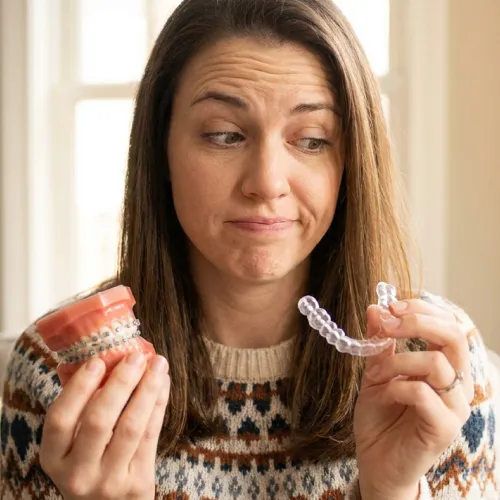
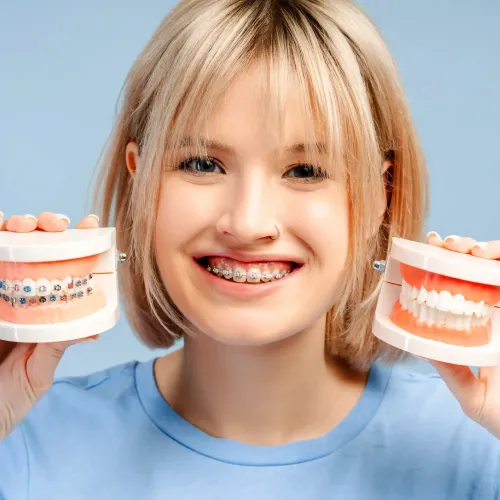
Braces vs. Invisalign: Which Is Actually Better for Complex Bites?
Are braces or Invisalign better for complex bites? Compare clear aligners and traditional braces to find your best fit. Book a consultation in Cypress today!
Read More

Cosmetic Dentistry, Teeth Straightening
If you have ever caught your reflection on a random Tuesday and thought, “My smile looks fine… but something feels slightly off,” you are not alone. Most people do not wake up wanting “perfectly aligned incisors.” They want something simpler: to bite into food without thinking about it, to smile in photos without angling their head, and to feel like their teeth match the effort they put into everything else.
That is what makes clear aligners such a good fit for real life. They are not about turning your routine upside down. They are about making steady changes while you keep showing up to work, school, family life, weddings, and all the everyday moments where your smile quietly tags along.
Still, clear aligners come with questions people do not always expect. The bite can feel weird after a dental filling. A tray can suddenly feel tighter halfway through. You might hear the phrase “black triangles” on social media and spiral a little. Let’s talk about the real stuff, in plain language, so you know what is normal, what is fixable, and when it is time to come in.
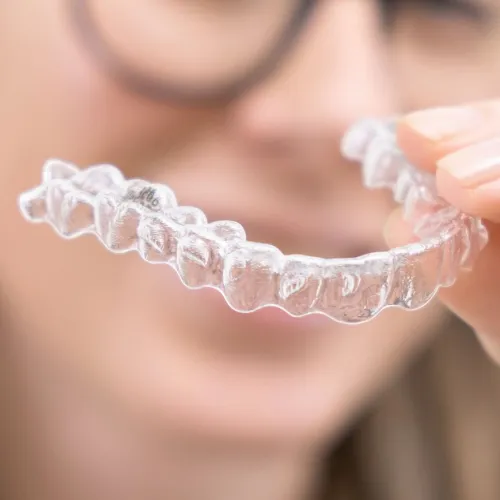
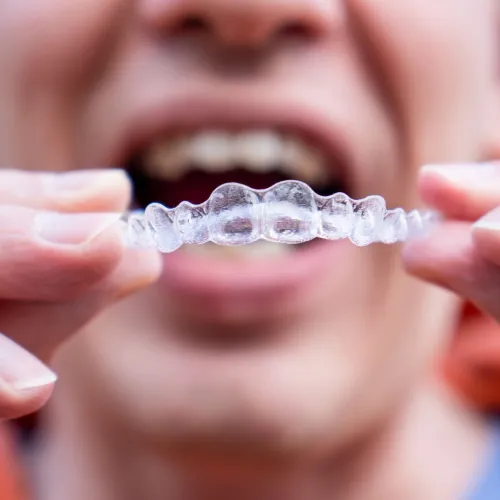
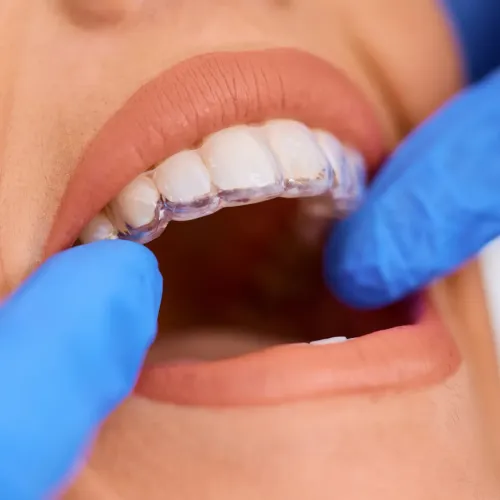
Clear aligners are custom trays designed to move teeth in small, planned steps. That movement is controlled and intentional, but your mouth still has to adapt. Teeth are connected to bone and gum tissue, and when you change tooth position, you are also changing how your bite comes together.
Here is what many people like about clear aligners:
And here is the part no one puts on the billboard: clear aligners are a teamwork project. The trays do the moving, but your wear time, your check ins, and the health of your gums determine how smoothly it goes.
A good clear aligner experience usually looks like this:
Now let’s get into the specific questions people search for.
Yes, clear aligners can often help if your bite feels “off” after a filling or crown, but the best solution depends on why it feels off.
Sometimes, after a new filling or crown, your bite hits slightly differently. Even a tiny high spot can make your teeth feel like they are not landing correctly.
You might notice:
Important detail: if a filling or crown is a bit too high, aligners might not be the first fix. In many cases, your dentist can adjust the restoration so the bite sits naturally again. That can solve the problem quickly.
So where do clear aligners come in?
Clear aligners can help when:
What you should do if this is happening:
The goal is not just straighter teeth. It is a bite that feels calm and stable again.
This is one of the most common clear aligner surprises, and yes, it can be normal. But let’s break down what “too tight” can mean, because there is a difference between expected pressure and a tray that is not seating correctly.
It can feel tighter halfway through a tray for a few reasons:
1) Your teeth are catching up to the plan. Some movements happen steadily, and you feel the pressure more on certain days, especially if one tooth is a bit stubborn.
2) Your wear time changed without you noticing. If you have had a few busy days and your clear aligners were out longer than usual, putting them back in can feel intense.
3) The tray is not fully seated. A tray that is slightly lifted at the edge can feel tighter than it should, and it can also slow progress.
4) Minor swelling or irritation can amplify the feeling. If your gums are inflamed from brushing too hard, inconsistent flossing, or general sensitivity, the tray can feel more uncomfortable.
Try these practical fixes first (they genuinely help):
When tightness is not normal: Call the office if you have sharp pain, a tray that will not seat even with effort, gum cuts that keep worsening, or pain that ramps up instead of settling after a day or two. Clear aligners should feel like pressure, not punishment.
This is a thoughtful question, and it is great that people are asking it, because gum health matters just as much as tooth position.
First, let’s define “black triangles.” These are small dark spaces near the gumline between teeth. They are usually not cavities. They are typically a result of gum tissue shape and tooth shape.
Black triangles can become more noticeable during orthodontic treatment, including clear aligners, because:
Do clear aligners cause gum recession?
Clear aligners do not automatically cause gum recession, but gum recession can worsen if the gums are unhealthy or if forces are applied in a way that does not fit your biology. The good news is that clear aligners can be very gentle when properly planned and monitored.
What protects your gums during clear aligner treatment?
Healthy foundations first. If you have gum inflammation, untreated gum disease, or aggressive recession already happening, that needs to be addressed before or alongside tooth movement.
Smart movement. Some tooth movements, especially if they push teeth too far outward, can increase recession risk in certain cases. Planning matters.
Daily habits. Over brushing, skipping flossing, and letting plaque sit around the gumline will make gums more reactive.
If black triangles are a concern, there are options your dentist may discuss depending on your case, such as:
The most important takeaway is this: clear aligners are not just a cosmetic plan. A well run treatment plan considers gum health, bite stability, and long term comfort, not just “straight.”
If you want the best experience with clear aligners, focus on consistency over perfection. These habits tend to separate smooth cases from stressful ones:
Keep these basics tight:
Quick comfort tips that help most people:
Some people push through problems because they do not want to be dramatic. But with clear aligners, small issues are easier to fix early. Book a check in if:
Clear aligners can be a simple, steady way to improve your bite, your comfort, and the way you feel when you smile, without making your life revolve around orthodontics. The key is making sure your plan fits your teeth, your gums, and your day to day routine.
If you are curious about clear aligners, schedule an appointment with Nu Dentistry Cypress. We will evaluate your bite, your gum health, and your goals, then walk you through what treatment could look like for you.


// NU DENTISTRY IN Cypress, Texas
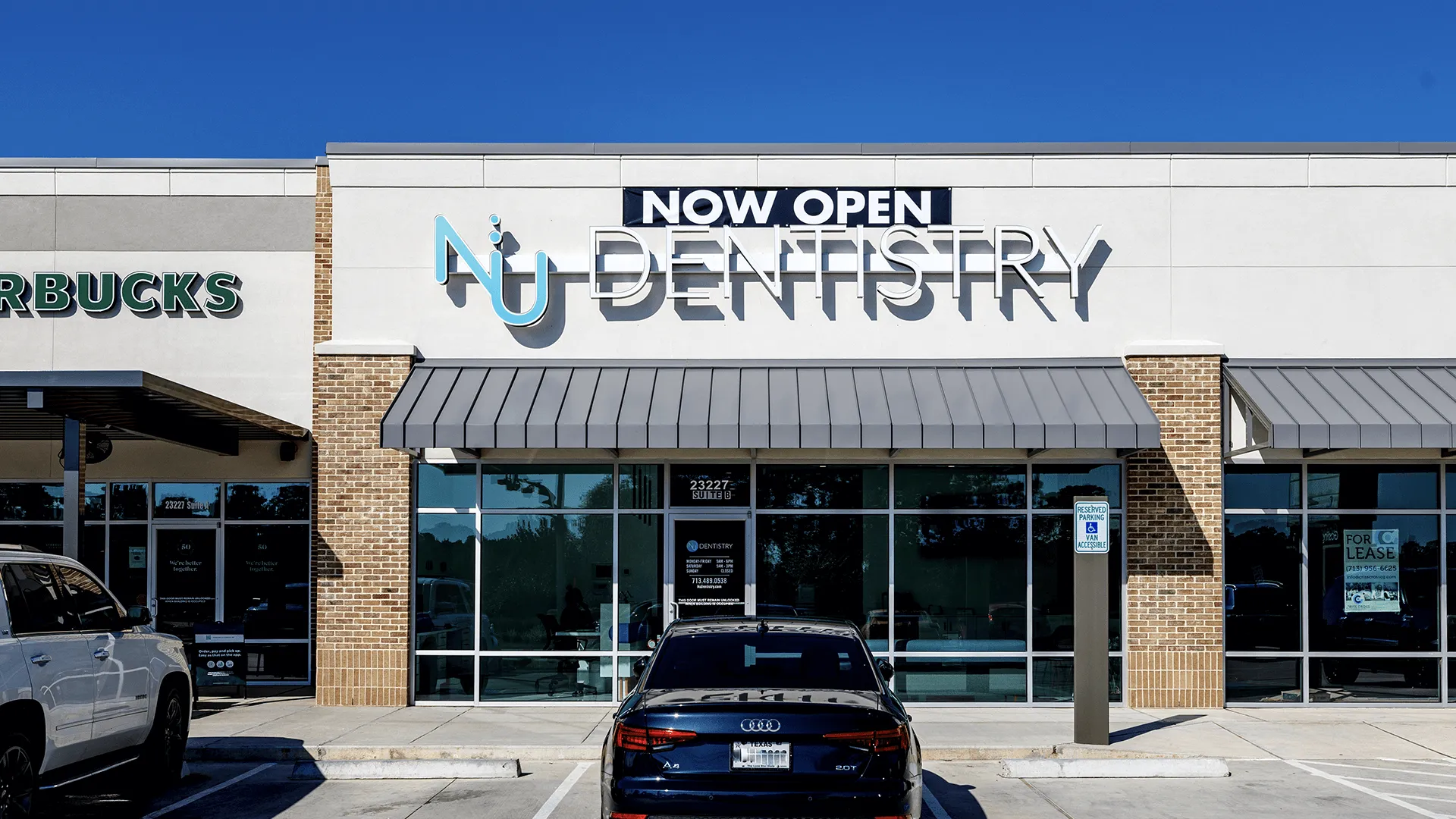
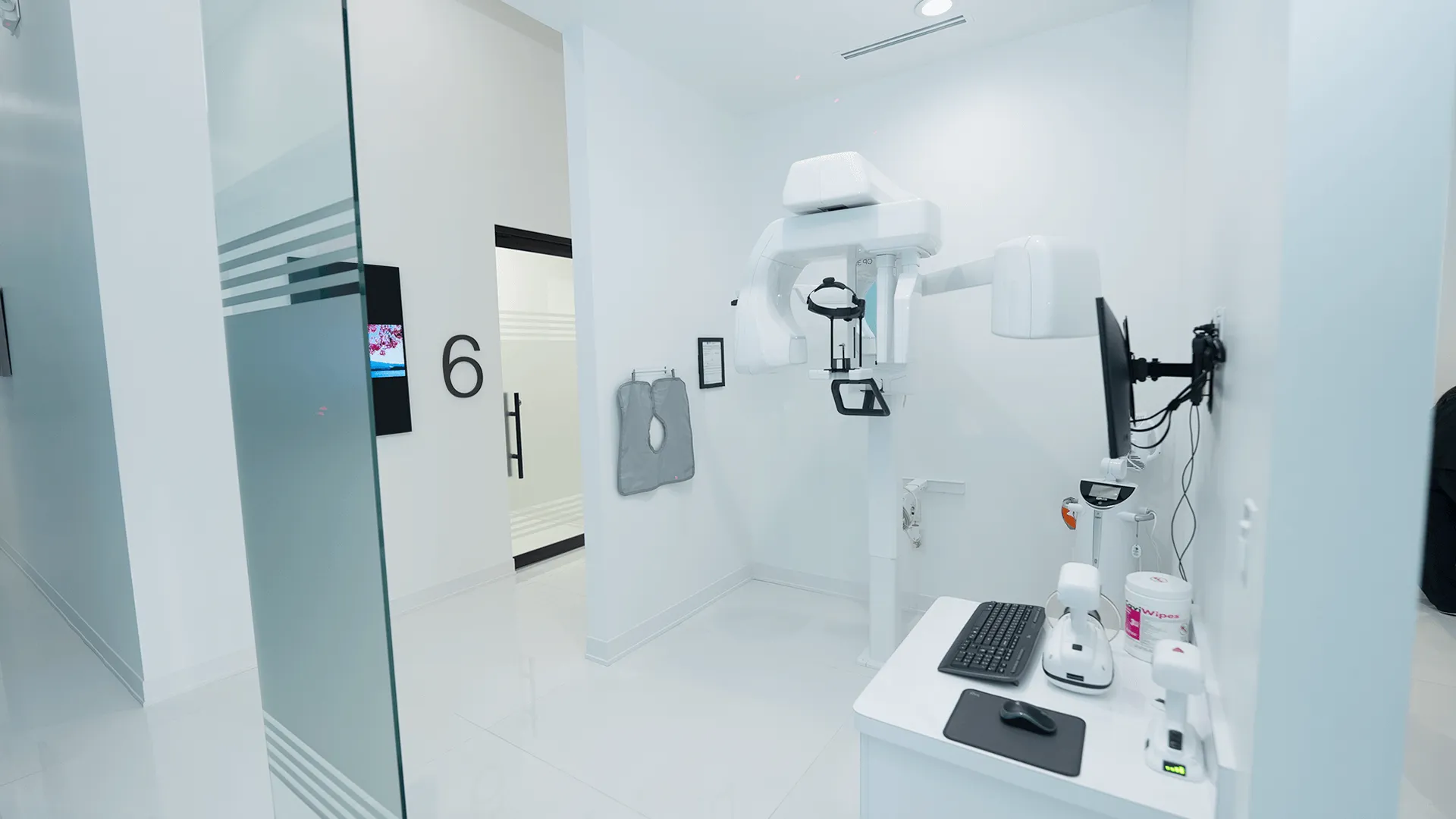
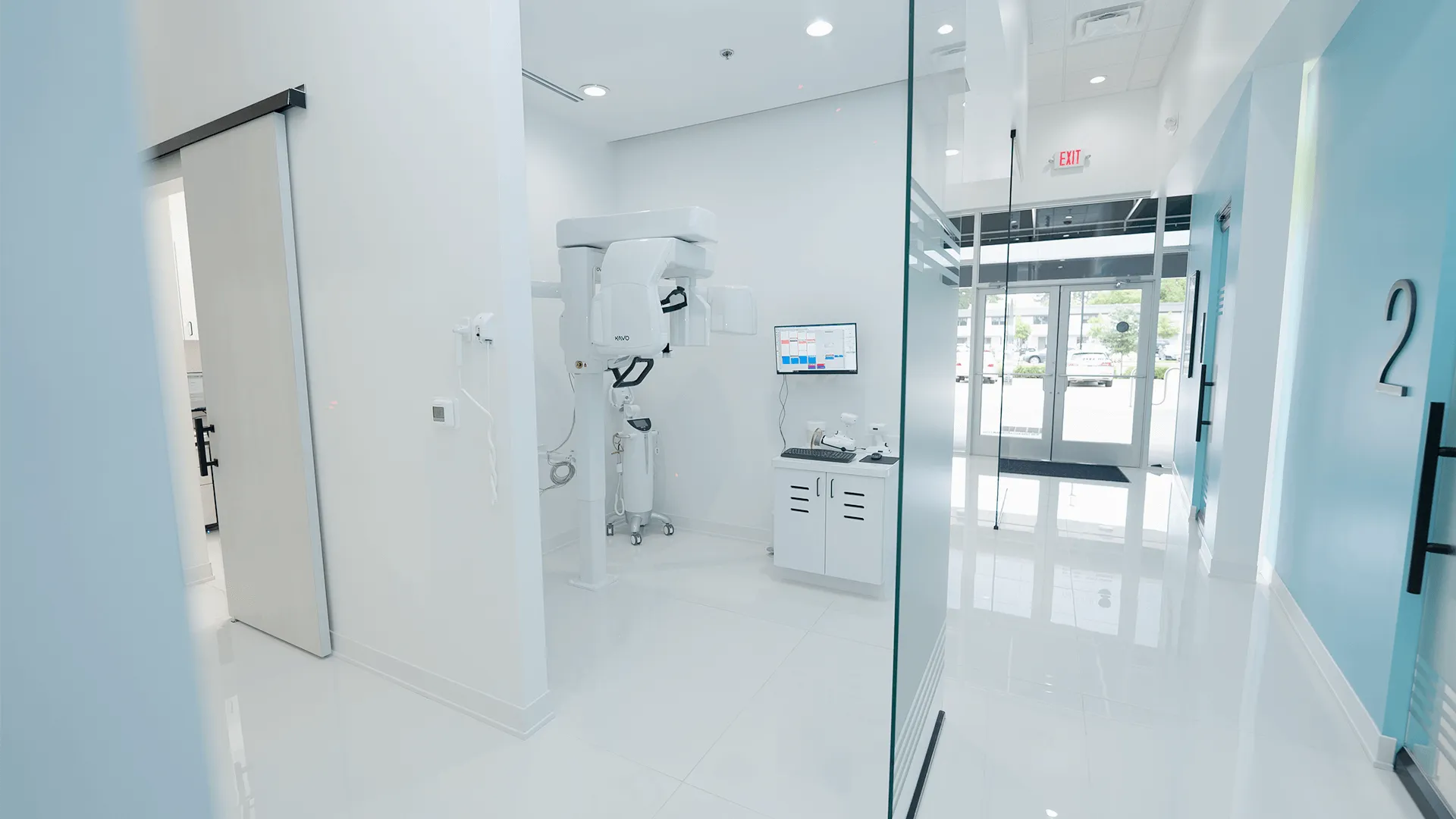
SEE WHAT A VISIT TO OUR MODERN, STATE-OF-THE-ART DENTIST OFFICE IS LIKE













Monday 9am - 6pm
Wednesday 9am - 6pm
Friday 9am - 6pm
Saturday 9am - 3pm
8940 Barker Cypress Rd. Cypress, TX 77433
3201 N. Shepherd Dr. Suite 113, Houston, TX 77018
8145 Highway 6, Building B #200, Missouri City, TX 77459
11115 W Grand Parkway S, Suite 140, Richmond, TX 77407
23227 Gosling Rd. Suite B, Spring, TX 77389
5706 San Felipe St. Ste B-300, Houston, TX 77057
// PATIENT TESTIMONIALS Cypress, TX
CHECK OUT WHAT OUR PATIENTS ARE SAYING IN CYPRESS, TX




// CARING DENTISTS Cypress, TX
OUR SOCIALS
FOLLOW US ON THESE SOCIAL MEDIA PLATFORMS