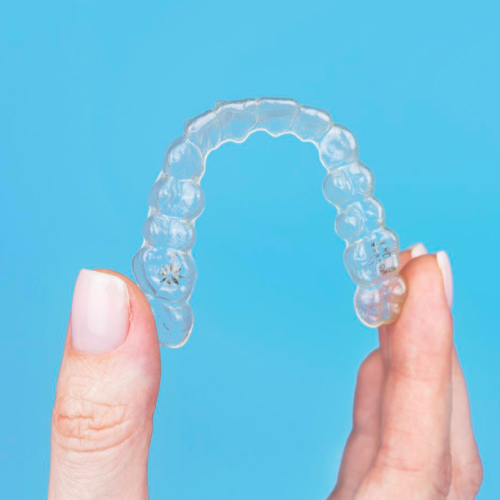
Why Your Invisalign Trays Aren't Fitting — And What to Do About It
Invisalign trays not fitting right in Cypress, TX? Learn about tracking issues and refinements. Call Nu Dentistry Cypress today.
Read More
Navigating the world of orthodontics can sometimes feel overwhelming. Gone are the days when traditional braces were your only option. Today, a sleeker, almost invisible contender has entered the arena: Clear Aligners, with Invisalign leading the charge. But do these aligners genuinely measure up? Can they deliver on their promise of a straighter smile without the metallic glint of braces? In this in-depth guide, we'll break down everything you need to know about Invisalign — from its effectiveness and comfort levels to determining if it's the right fit for you. Whether you're considering a smile makeover or just curious, let's dive into the world of cutting-edge orthodontics.
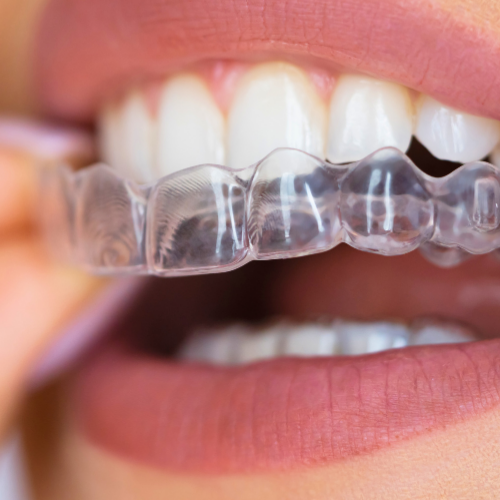
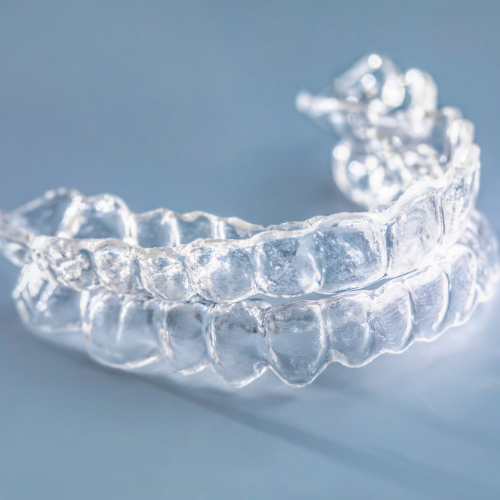
Clear aligners have transformed the world of orthodontics. But do they genuinely do the job? In short, absolutely! The technology behind clear aligners, like Invisalign, uses a series of meticulously designed trays, each moving your teeth gradually to their desired positions.
Real-life Testimonials
We've seen countless smiles transformed at our clinic. Many patients have successfully straightened their teeth, all without the fuss of traditional braces. The key is in the consistency – wearing your aligners for the recommended 20-22 hours a day can yield astonishing results!
Customized Treatment Plans
The magic isn't just in the aligners, but also in the custom treatment plans designed by experienced orthodontists. Using advanced imaging techniques, every stage of the alignment process is mapped out, ensuring a perfect fit and efficient movement.
One of the common questions we get is about the discomfort. Clear aligners, in general, are less painful than traditional braces. Yes, there might be a feeling of pressure or slight discomfort when you switch to a new set of aligners. But, this is a sign that they are working, gently moving your teeth to their new positions.
Tips to Manage Discomfort
To minimize discomfort:
Invisalign, as a revolutionary product in the world of dentistry, has gone beyond its primary role. While many know it as an alternative to braces, its capabilities span a broader range of dental corrections.
Addressing the Gaps
Every smile is unique, and so are the gaps that might accompany them. Some find a gap between the front teeth charming, while others may feel conscious about it. Regardless of where these spaces are, Invisalign serves as an expert in closing these gaps. Using its state-of-the-art technology, these clear aligners gradually push your teeth together, eliminating unsightly spaces and offering a more harmonized smile.
Correcting Overbites and Underbites
Overbites and underbites aren't just cosmetic concerns; they can lead to other dental problems if left untreated. Misalignment of the jaw can result in uneven wear on teeth, increased risk of broken teeth, and even jaw pain. Invisalign works meticulously to rectify these issues. By designing a series of aligners that exert the right amount of pressure, they can bring your jaw into the desired position over time, rectifying the bite and ensuring a healthier mouth.
Dealing with Crowded Teeth
A crowded mouth can sometimes make it challenging to maintain oral hygiene. With teeth overlapping and tight spaces hard to reach, the risk of plaque buildup and cavities increases. Invisalign comes to the rescue by methodically creating room and aligning crowded teeth. It's not just about aesthetics; it's about promoting better oral health.
Invisible Treatment with Unmissable Outcomes
The beauty of Invisalign lies not just in the results but also in the journey. Imagine undergoing a dental transformation without the metallic glare of braces or the frequent visits for wire adjustments. Invisalign’s clear trays offer a subtleness that's hard to beat. Whether you're delivering a presentation, attending your best friend's wedding, or simply laughing out loud at a coffee shop, Invisalign ensures your treatment remains your little secret. The aligners are so discreet that most people won't even notice. And as days turn into weeks, and weeks into months, you'll watch your teeth transform, giving you more reasons to smile confidently.
In a world where first impressions matter, Invisalign ensures your smile remains an unforgettable one — flawless and genuine. With its multi-faceted approach to addressing dental concerns, it's not just a product; it's a path to renewed self-assurance.
Invisalign, while a game-changer in the orthodontic scene, doesn't cater to all dental concerns equally. There are specific situations and cases where traditional treatments may be more suitable. Let's delve deeper into who might not be the best fit for this advanced aligner system.
Complex Dental Landscapes
Invisalign thrives in correcting moderate dental misalignments. However, when it comes to extremely intricate orthodontic scenarios, traditional braces might still hold the upper hand. Issues like:
Age Considerations
The dental profile of very young children is in constant flux. As they lose baby teeth and gain adult ones, their jaw and teeth alignment can change rapidly. Introducing Invisalign during these transitional phases might not yield optimal results, hence the caution.
Teenagers and Adults: The Prime Candidates
As the jaw solidifies and most adult teeth have erupted, Invisalign becomes a more viable option. This usually happens during the teenage years. Adults, too, can benefit tremendously, especially those who want a discreet treatment option.
The Discipline Factor
One of Invisalign's prime selling points is its removability. Want to eat your favorite meal or attend an important event? Pop them out and enjoy. However, this freedom is a double-edged sword. The effectiveness of Invisalign hinges on consistent wear — a recommended 20-22 hours a day.
Temptation to Skip
Given their removable nature, there might be a temptation to leave them out longer than advised. This can significantly hinder the treatment process and even reverse progress. If you're someone who might struggle with maintaining this discipline, traditional braces, which remain fixed, might be a better choice.
Invisalign has undeniably paved a new path in orthodontics, offering a blend of convenience, discretion, and effectiveness. Yet, it's not the universal solution for all dental dilemmas. The best way to determine if it's right for you is through a comprehensive consultation. Join us at our clinic, where our experts can assess your unique dental landscape and guide you towards the best solution. Together, we'll help you achieve that dream smile!
Fresh news from the dental world
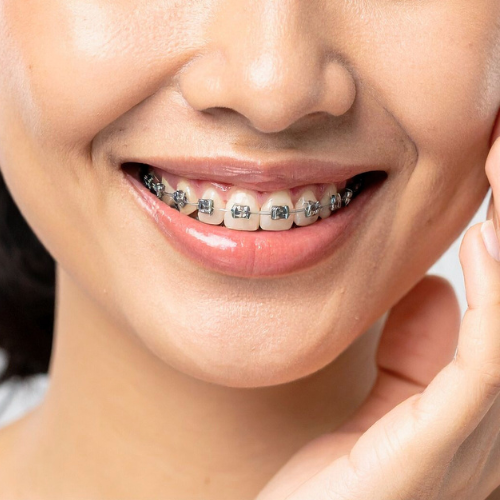
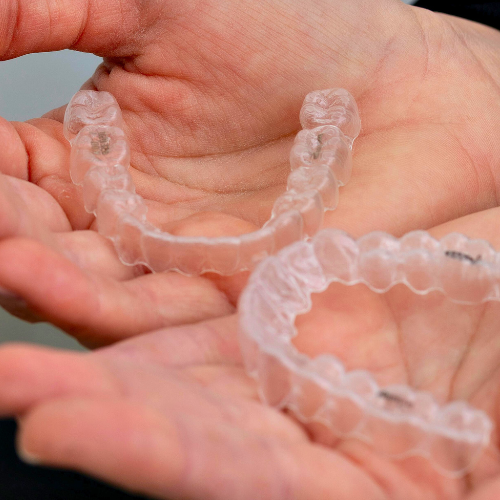
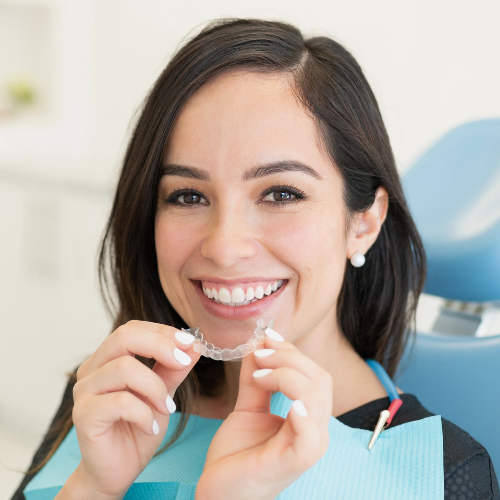
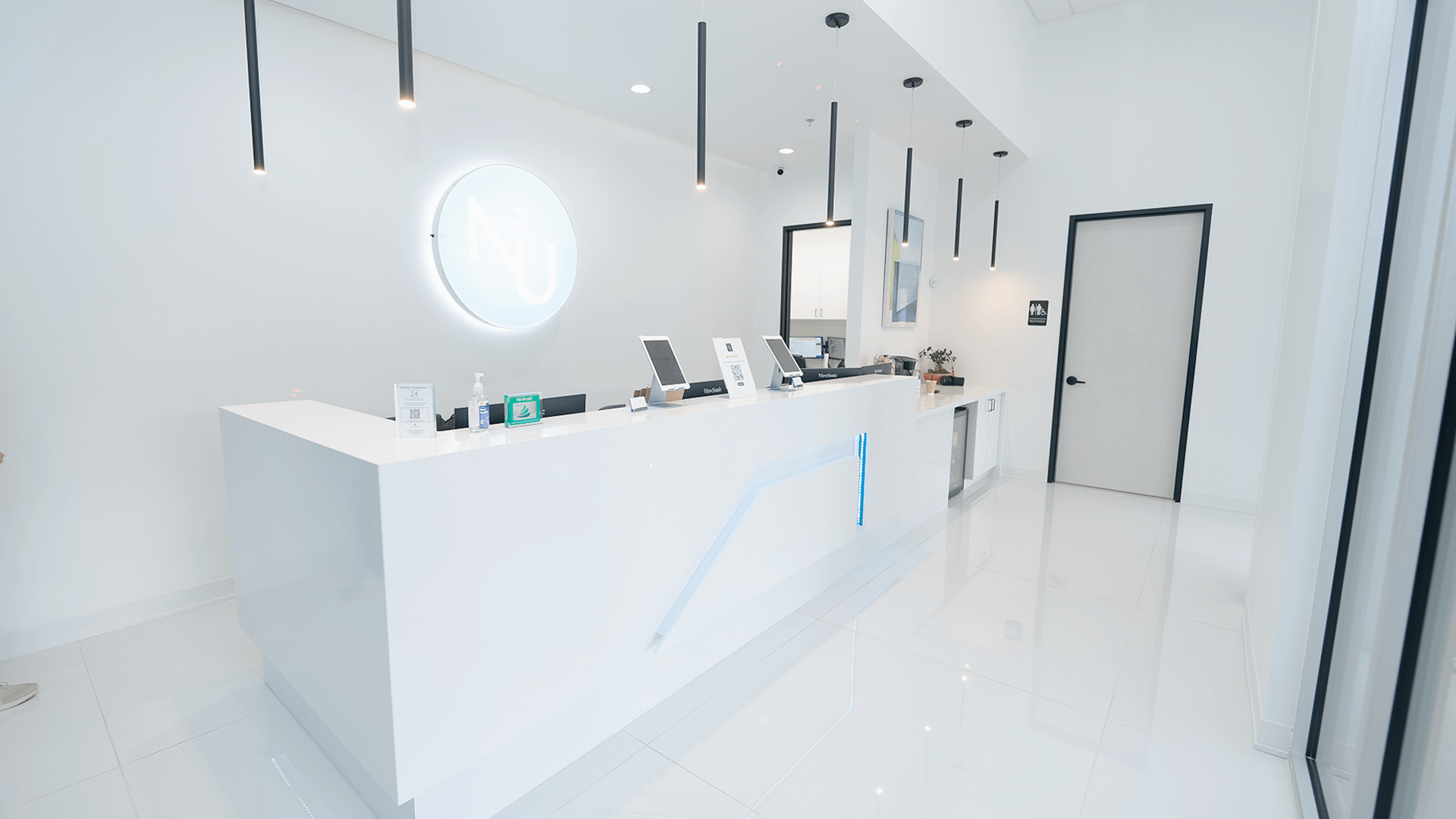
See what a visit to our modern, state-of-the-art dentist office is like!








Monday 9am - 6pm
Wednesday 9am - 6pm
Friday 9am - 6pm
Saturday 9am - 3pm
Check out what our patients are saying in Cypress, TX


“The Best Dentist In Cypress, Texas”
We have been looking for a family dentist for a long time, we have tried a bunch of places but nothing felt quite like home. Not too long ago we stumbled upon Nu Dentistry and met Dr. Ali. Not only was he professional, kind, and gentle, but he always finds a way to fit us in when we need an appointment. He’s also pretty funny! I appreciate that he takes the time to explain what he’s doing, before he does it. That really puts me at ease.

“Never Thought I'd Say It”
I never thought I’d say it, but going to the dentist is actually fun now. I recently came in for a root canal, and I got to sit back and catch up on Stranger Things without any pain!

“Anxiety Has Kept Me Away ”
I usually have such huge anxiety when I go to a dentist appointment, which means I always put off visits until the last minute to disastrous consequences. However, Dr. Loggins helped me with sedation, so the entire process was a breeze!
“The Best Dentist In Cypress, Texas”
We have been looking for a family dentist for a long time, we have tried a bunch of places but nothing felt quite like home. Not too long ago we stumbled upon Nu Dentistry and met Dr. Ali. Not only was he professional, kind, and gentle, but he always finds a way to fit us in when we need an appointment. He’s also pretty funny! I appreciate that he takes the time to explain what he’s doing, before he does it. That really puts me at ease.
“Never Thought I'd Say It”
I never thought I’d say it, but going to the dentist is actually fun now. I recently came in for a root canal, and I got to sit back and catch up on Stranger Things without any pain!
We are proud members of these dental organizations and accreditations


We are dedicated to providing you with only the best quality dental care


