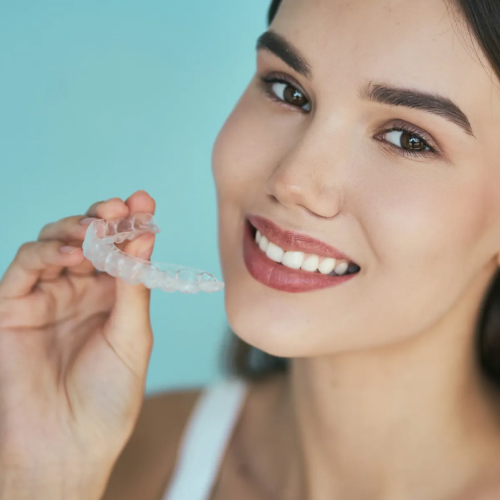
Invisalign vs. At-Home Aligners: What Cypress Patients Should Know Before Choosing
Comparing Invisalign vs. at-home aligners? Discover which clear aligner is best for your smile. Contact Nu Dentistry Cypress to schedule your consultation!
Read More
Reviewed by Dr. Ali Tameemi, DDS
Day 3 is widely considered the peak of braces discomfort, but understanding the biology behind it makes it far more manageable. Your mouth is undergoing real tissue changes — from periodontal inflammation to mucosal adaptation — that follow a predictable timeline. Most patients turn a corner by Day 5 to 7.
Most people expect soreness in their teeth. What catches them off guard is how much their cheeks hurt. For Cypress-area patients, the inner lining of your mouth — the buccal mucosa — is soft, delicate tissue that has never encountered anything like a metal bracket before. On Day 1, it's in shock. By Day 3, it's actively irritated.
Here's what's actually happening beneath the surface. Your mucosal tissue responds to repeated friction by initiating a process called keratinization — essentially, it begins building microscopic protective layers, similar in principle to how skin develops callouses. This biological remodeling takes approximately 10 to 14 days to complete. Until that transition finishes, the soft tissue remains vulnerable to every bracket edge and wire end.
This is why the advice to "just use wax" only goes so far. Wax addresses the symptom — friction — but the underlying tissue is simultaneously trying to toughen itself. Both processes are running in parallel.
According to Healthline, pain and soreness typically last about one week as the mouth adjusts to the new hardware, with discomfort peaking in the first few days and then gradually declining. That tracks with the keratinization timeline: by day 10 to 14, most patients notice their cheeks stop reacting to contact that once felt unbearable.
Where is the irritation actually coming from? Not all cheek pain is equal, and identifying the source changes what you do about it. A quick hardware audit helps:
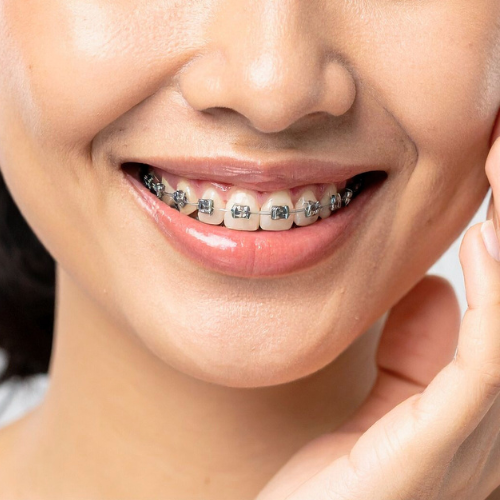
Knowing which hardware component is causing your pain tells you whether you need wax, a saltwater rinse — or a quick call to your orthodontist. If you're considering dental braces and want to know what to expect before you commit, understanding this hardware breakdown is a great place to start.
Physical pain is only part of the Day 3 experience. There's a neurological layer that rarely gets discussed, and it explains why the first week can feel mentally exhausting even when the objective pain level is moderate.
Your brain constantly maps the inside of your mouth. It knows exactly where every tooth, every ridge, and every millimeter of gum is located. Braces introduce a set of foreign objects overnight, and the brain responds by treating them as a threat that needs constant monitoring. This triggers sensory overload — heightened awareness of every bracket, every wire, every point of contact.
One concrete symptom of this response: excess saliva production. Your salivary glands ramp up output when the brain registers something foreign in the mouth. This is normal and temporary, typically settling within 3 to 5 days as the brain recalibrates.
The tongue gets involved too. It compulsively maps the new hardware, running across brackets repeatedly — which both delays neurological adaptation and increases mucosal irritation. Consciously redirecting this behavior helps. Focusing attention on breathing, chewing slowly and deliberately, or pressing the tongue to the roof of the mouth (away from the brackets) gives the nervous system time to stop treating your braces as an emergency.
Research published in PMC confirms that psychological factors — including anxiety and heightened pain sensitivity — significantly influence how orthodontic pain is perceived, often more than the actual mechanical force applied. Patients who feel more in control of their discomfort tend to report lower pain scores overall.
Yes — and the biology backs it up. Pain from orthodontic appliances doesn't begin at bonding. There's typically a pain-free window of two to four hours after brackets are placed, during which the inflammatory response is still building. Pain then rises steadily, peaking between 24 and 72 hours — which lands squarely on Day 3 for most patients.
The mechanism involves compression of the periodontal ligament (PDL), the thin connective tissue anchoring each tooth to the bone. When the archwire applies force, it creates localized ischemia and inflammation in the PDL. Chemical mediators including prostaglandins and cytokines flood the area, sensitizing local pain receptors. That's what you're feeling on Day 3: acute inflammatory pain, not structural damage. Keeping up with your cleaning and exam appointments during treatment helps your provider catch any compounding gum issues early.
By Day 5 to 7, the inflammatory response begins to resolve and pain returns to baseline. A Healthline overview on braces pain notes that most patients get used to their braces within about a month, with the first week being the most intense adjustment phase.
Adjustment appointments restart a milder version of this cycle — but each subsequent round is less intense than the first. WebMD notes that braces work by applying consistent pressure over time, meaning the tooth movement process — and the associated discomfort — is continuous but manageable.
For pain management during peak days, over-the-counter analgesics like acetaminophen or ibuprofen are appropriate. Soft foods — yogurt, mashed potatoes, smoothies, scrambled eggs — reduce chewing forces on already-sensitive teeth. Cold drinks can help soothe inflamed gum disease tissue.
The answer depends on which layer of adjustment you mean. Tooth soreness from the initial bonding: one week. Cheek and mucosal adaptation: 10 to 14 days. Full neurological habituation — where the braces stop feeling like foreign objects: approximately three to four weeks.
By the one-month mark, the vast majority of patients report that they rarely notice their braces during normal daily activities. The brain has completed its proprioceptive remapping, the mucosal tissue has keratinized sufficiently, and the acute inflammatory response has long since resolved.
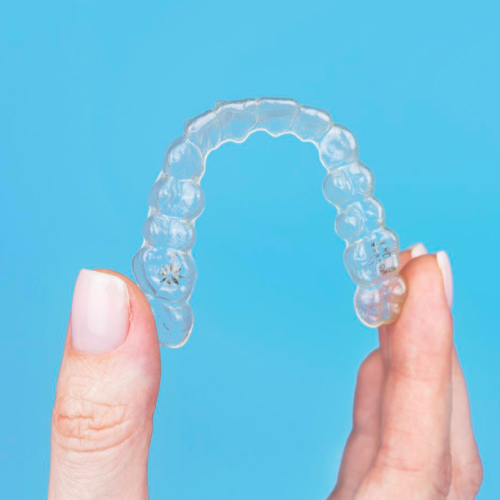
Patients who choose clear aligners experience a similar but generally milder adjustment curve. A randomized trial comparing discomfort levels between Invisalign and traditional braces found that patients with fixed appliances reported significantly greater discomfort during the first week and after subsequent adjustments compared to aligner patients. Both modalities cause discomfort — but the nature and intensity differ.
What extends the adjustment period unnecessarily: missing orthodontic appointments, bracket debonding that goes unaddressed, and inconsistent oral hygiene that leads to gum inflammation layered on top of appliance soreness. Each of these adds friction — literal and biological — to a process that resolves fastest when left undisturbed. In some cases, untreated decay during treatment may require cavity fillings before orthodontic progress can continue.
If you're weighing braces or aligners — or you're already in treatment and want guidance on managing discomfort — Nu Dentistry Cypress is here to help. Our team in Cypress, Texas serves patients throughout the Greater Houston area with personalized orthodontic care and straightforward answers to the questions that matter. Whether you're curious about aesthetic dentistry options beyond braces or simply need support during your first week of treatment, reach out to schedule a consultation.
Medical disclaimer: This article is for informational purposes only and does not constitute medical or dental advice. Always consult a qualified dental professional for diagnosis and treatment recommendations specific to your situation.
Fresh news from the dental world
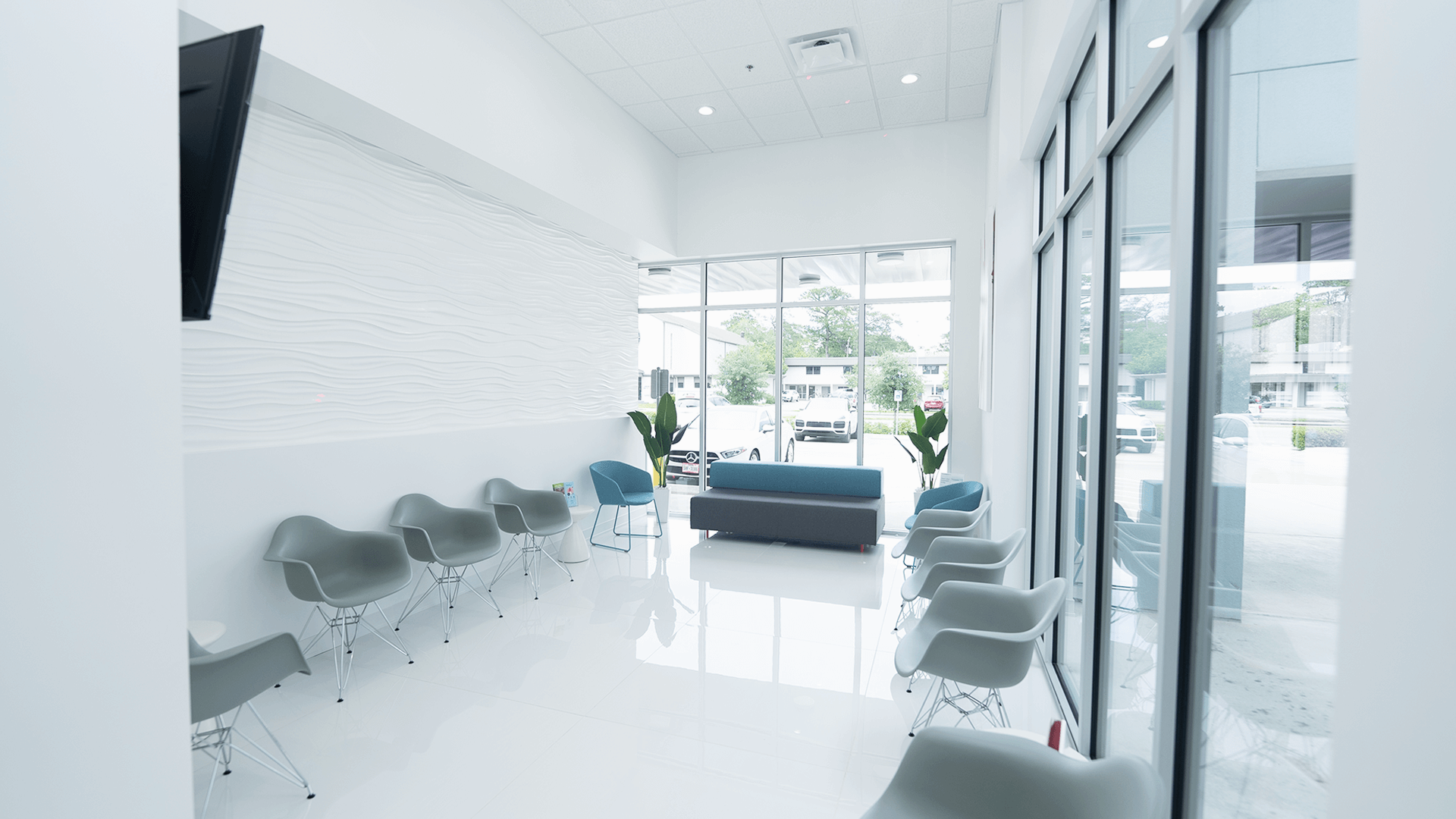
See what a visit to our modern, state-of-the-art dentist office is like!







Monday 9am - 6pm
Wednesday 9am - 6pm
Friday 9am - 6pm
Saturday 9am - 3pm
Check out what our patients are saying in Cypress, TX


“The Best Dentist In Cypress, Texas”
We have been looking for a family dentist for a long time, we have tried a bunch of places but nothing felt quite like home. Not too long ago we stumbled upon Nu Dentistry and met Dr. Ali. Not only was he professional, kind, and gentle, but he always finds a way to fit us in when we need an appointment. He’s also pretty funny! I appreciate that he takes the time to explain what he’s doing, before he does it. That really puts me at ease.

“Never Thought I'd Say It”
I never thought I’d say it, but going to the dentist is actually fun now. I recently came in for a root canal, and I got to sit back and catch up on Stranger Things without any pain!

“Anxiety Has Kept Me Away ”
I usually have such huge anxiety when I go to a dentist appointment, which means I always put off visits until the last minute to disastrous consequences. However, Dr. Loggins helped me with sedation, so the entire process was a breeze!
“The Best Dentist In Cypress, Texas”
We have been looking for a family dentist for a long time, we have tried a bunch of places but nothing felt quite like home. Not too long ago we stumbled upon Nu Dentistry and met Dr. Ali. Not only was he professional, kind, and gentle, but he always finds a way to fit us in when we need an appointment. He’s also pretty funny! I appreciate that he takes the time to explain what he’s doing, before he does it. That really puts me at ease.
“Never Thought I'd Say It”
I never thought I’d say it, but going to the dentist is actually fun now. I recently came in for a root canal, and I got to sit back and catch up on Stranger Things without any pain!
We are proud members of these dental organizations and accreditations


We are dedicated to providing you with only the best quality dental care


