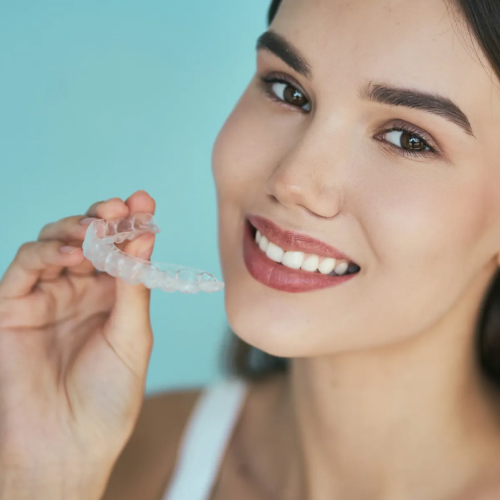
Invisalign vs. At-Home Aligners: What Cypress Patients Should Know Before Choosing
Comparing Invisalign vs. at-home aligners? Discover which clear aligner is best for your smile. Contact Nu Dentistry Cypress to schedule your consultation!
Read More
Reviewed by Dr. Ali Tameemi, DDS
A dental emergency can strike at any hour, and knowing the right steps — and the right limits — can protect your health until you reach a dentist. This guide covers safe pain management, proven home care techniques, and the specific warning signs that mean you need an ER, not a morning appointment.
For Cypress-area patients, not all dental swelling is equal. A slightly puffy gum after biting something hard is annoying. Swelling that spreads under your jaw is a different situation entirely.
The critical question is location. Swelling confined to the cheek near a single tooth is likely a localized abscess — still urgent, but manageable with a same-day dental appointment. Swelling that migrates downward, beneath the jawline into the neck, signals that infection has entered the submandibular space. This is the pathway toward Ludwig's Angina, a rapidly progressing deep-space infection that according to research published on PMC carries serious morbidity and can threaten the airway.
Use this "Red Zone" checklist before deciding whether to wait:
If you answer yes to any of these, do not call a dental office. Call 911 or go to the nearest emergency room immediately. Airway compromise develops faster than most people expect, and a dental chair is not equipped to manage it.
For swelling that stays localized to the cheek or gum — painful, but no tongue displacement, no fever, no difficulty swallowing — contact an emergency dentist as soon as possible. A cold compress applied to the outside of the cheek in 20-minute intervals can help manage discomfort in the meantime, as WebMD notes in its dental emergency guidance.
The most common advice for dental pain is to take ibuprofen and acetaminophen together. That advice is clinically sound — the ADA's oral analgesics guidance confirms that NSAIDs combined with acetaminophen block pain at both the peripheral and central levels, making the combination more effective than either drug alone. A typical adult protocol is 400–600mg of ibuprofen with 500mg of acetaminophen, staggered every few hours.
What the standard advice rarely covers is what to do when that stops working.
The safety ceiling matters here. The maximum daily dose of ibuprofen is 3,200mg (prescription) or 1,200mg (OTC self-care). For acetaminophen, it is 4,000mg per day for healthy adults — lower if you consume alcohol or have liver concerns. Exceeding these limits risks GI bleeding from ibuprofen and acute liver damage from acetaminophen. More pills will not resolve the underlying problem.
If pain breaks through a consistent, correctly dosed regimen of both medications, that is a clinical signal. It typically means pressure is building inside the tooth from pulpal necrosis or inside the bone from an abscess — and that pressure cannot be resolved chemically. The only effective solution is mechanical: an emergency endodontic root canal (opening the tooth to release pressure) or an incision and drainage procedure performed by a dentist. A 2024 clinical practice guideline summarized on PubMed reinforces that opioids are not a meaningful upgrade in this scenario — NSAIDs remain first-line, and when they fail, definitive dental treatment is the answer.
Other safe comfort measures while you wait:
Different emergencies need different responses. Here is what actually works, and one critical warning most guides skip.
Knocked-out tooth: Handle only by the crown. Rinse the root gently with water — no scrubbing, no soap. Reinsert it into the socket if possible, biting gently on gauze to hold it. If reinsertion isn't possible, store the tooth in milk or between your cheek and gum. MouthHealthy from the ADA notes that a knocked-out tooth has the best chance of survival when a dentist reimplants it within one hour.
Chipped or broken tooth: Rinse with warm water. Apply gauze to any bleeding site for 10 minutes. Save any fragments in a small container of water or milk. In some cases, a tooth crown may be needed to restore the damaged tooth once you see your dentist.
Lost crown or filling: This is where dangerous DIY instincts take over. Never use household superglue (cyanoacrylate). The chemical reaction is exothermic — it generates heat that can damage or kill the nerve inside the tooth. Cyanoacrylate is also toxic to soft tissue and bonds in seconds, making professional removal difficult and potentially painful.
The correct temporary solution is an OTC zinc oxide eugenol cement like Dentemp, available at most pharmacies. Press a small amount into the crown, seat it over the tooth, and use a slightly damp fingertip to smooth any excess material along the margins so it does not lacerate the cheek. This is a 24–48 hour solution only. Harvard Health's dental pain guide reinforces that temporary measures are bridges to professional care, never substitutes for it.
Object stuck between teeth: Use floss only. Never use pins, toothpicks, or other sharp objects — they can lacerate the gum or scratch enamel, creating new problems. Persistent gum pain or bleeding after an object gets lodged between teeth can also be an early sign of gum disease, which warrants prompt professional evaluation.
Home remedies buy you time. They do not treat infections, reattach tissue, or save a tooth on their own. The goal of every strategy above is to get you safely and comfortably to a dental chair.
Nu Dentistry Cypress serves patients throughout Cypress and the Greater Houston area with same-day emergency appointments. Whether you are dealing with severe tooth pain, a knocked-out tooth requiring tooth extraction evaluation, a lost restoration, or swelling that appeared overnight, our team is ready to triage your situation and provide real relief — not just temporary measures.
Contact us at the first sign of a dental emergency. The sooner you call, the more options we have to protect your tooth and your health.
Medical disclaimer: This article is for informational purposes only and does not constitute medical or dental advice. Always consult a licensed dental or medical professional for diagnosis and treatment. If you are experiencing difficulty breathing, swallowing, or signs of a spreading infection, call 911 immediately.
Fresh news from the dental world
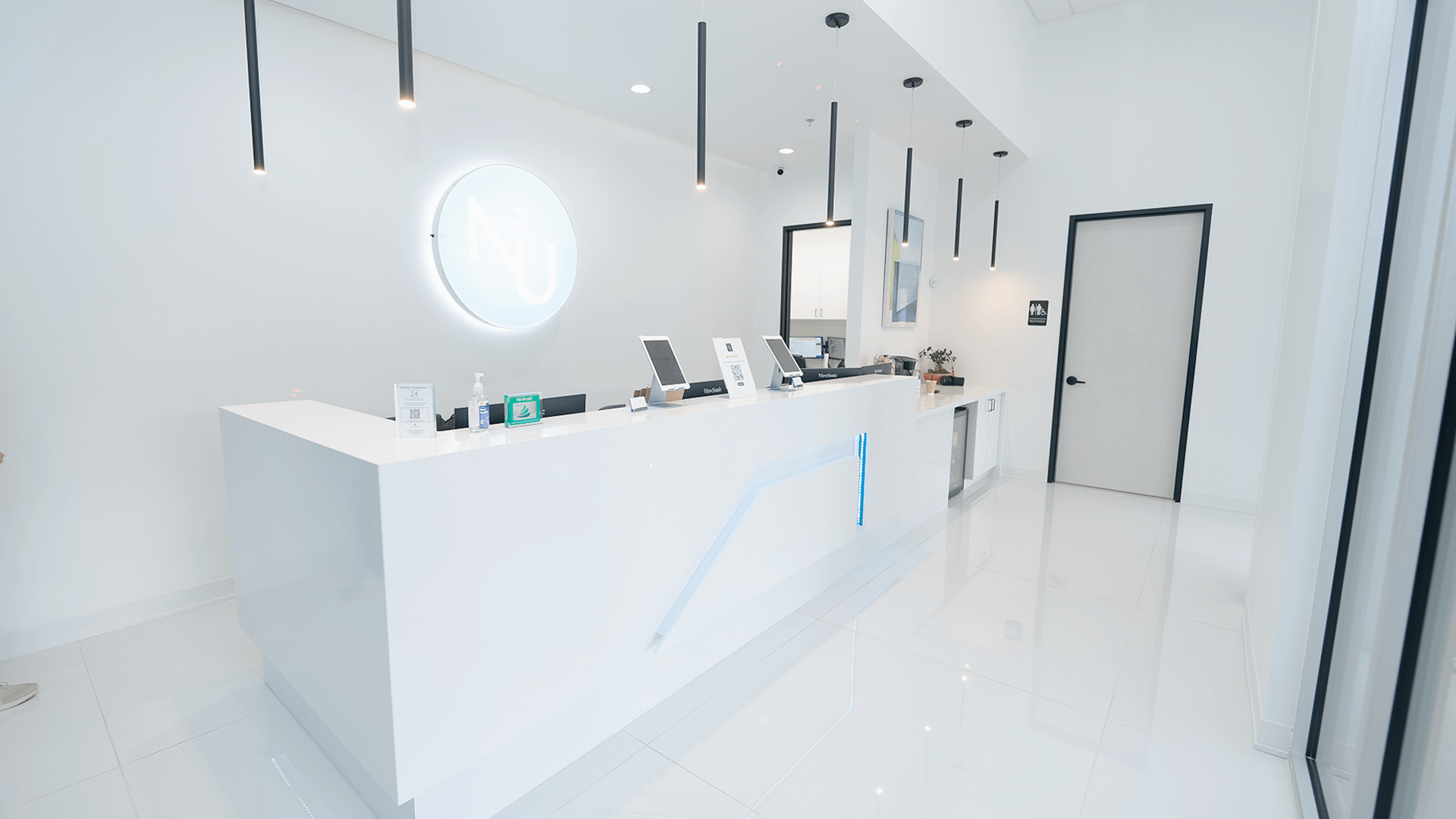
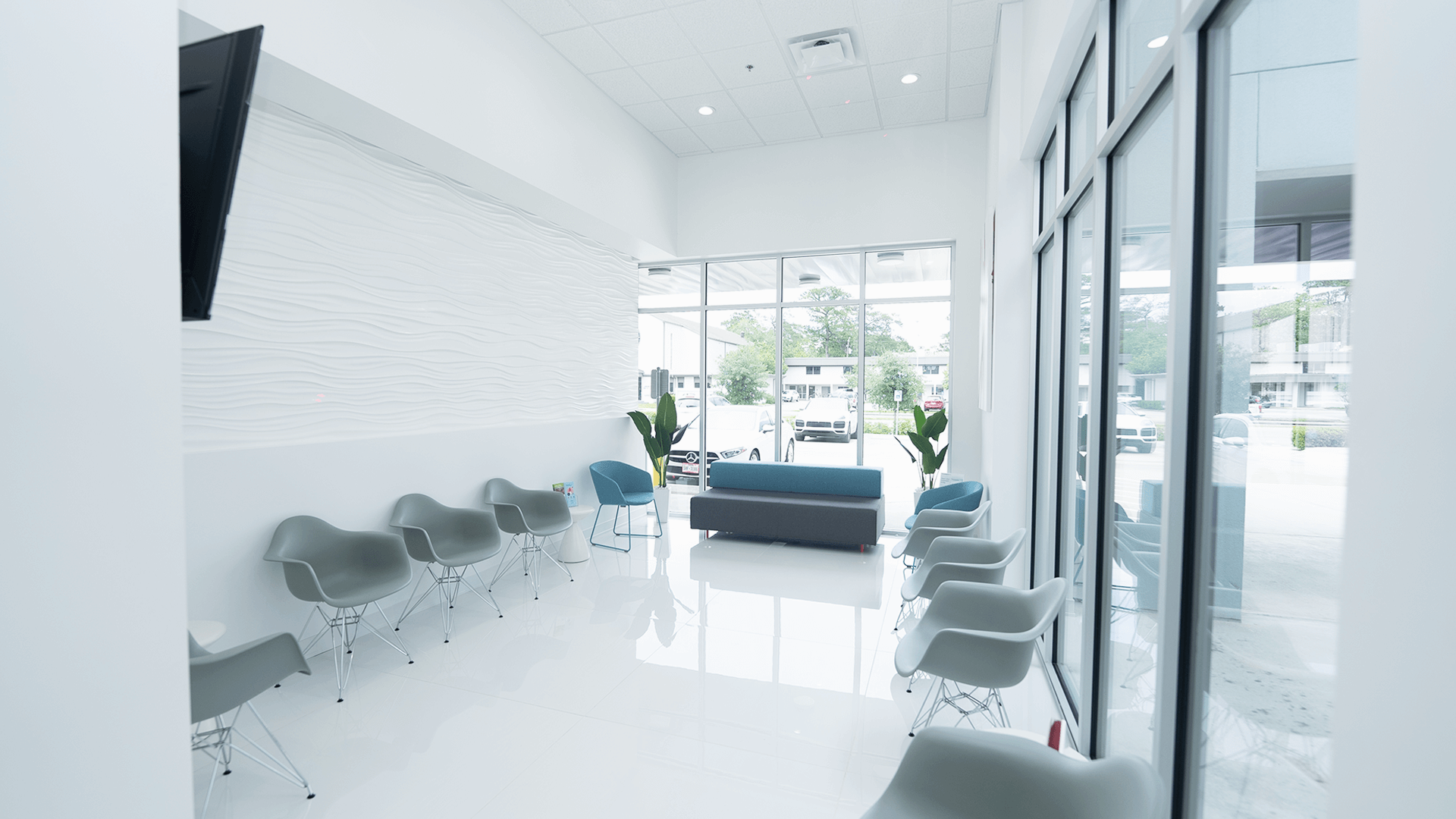
See what a visit to our modern, state-of-the-art dentist office is like!







Monday 9am - 6pm
Wednesday 9am - 6pm
Friday 9am - 6pm
Saturday 9am - 3pm
Check out what our patients are saying in Cypress, TX


“The Best Dentist In Cypress, Texas”
We have been looking for a family dentist for a long time, we have tried a bunch of places but nothing felt quite like home. Not too long ago we stumbled upon Nu Dentistry and met Dr. Ali. Not only was he professional, kind, and gentle, but he always finds a way to fit us in when we need an appointment. He’s also pretty funny! I appreciate that he takes the time to explain what he’s doing, before he does it. That really puts me at ease.

“Never Thought I'd Say It”
I never thought I’d say it, but going to the dentist is actually fun now. I recently came in for a root canal, and I got to sit back and catch up on Stranger Things without any pain!

“Anxiety Has Kept Me Away ”
I usually have such huge anxiety when I go to a dentist appointment, which means I always put off visits until the last minute to disastrous consequences. However, Dr. Loggins helped me with sedation, so the entire process was a breeze!
“The Best Dentist In Cypress, Texas”
We have been looking for a family dentist for a long time, we have tried a bunch of places but nothing felt quite like home. Not too long ago we stumbled upon Nu Dentistry and met Dr. Ali. Not only was he professional, kind, and gentle, but he always finds a way to fit us in when we need an appointment. He’s also pretty funny! I appreciate that he takes the time to explain what he’s doing, before he does it. That really puts me at ease.
“Never Thought I'd Say It”
I never thought I’d say it, but going to the dentist is actually fun now. I recently came in for a root canal, and I got to sit back and catch up on Stranger Things without any pain!
We are proud members of these dental organizations and accreditations


We are dedicated to providing you with only the best quality dental care


