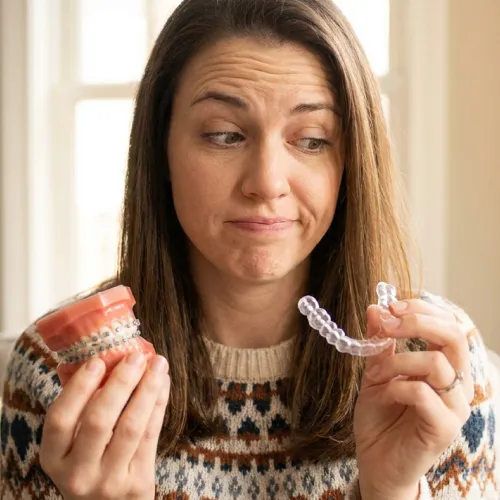
Braces vs. Invisalign: Which Is Actually Better for Complex Bites?
Are braces or Invisalign better for complex bites? Compare clear aligners and traditional braces to find your best fit. Book a consultation in Cypress today!
Read More

Cosmetic Dentistry, Teeth Straightening
If you're in the Greater Houston area and going through Invisalign treatment, you've probably had at least one moment of panic staring at a tray that just won't seat right. I see this constantly at our Cypress practice. Patients come in frustrated, convinced something went wrong — and honestly, sometimes something did, but often there's a straightforward explanation.
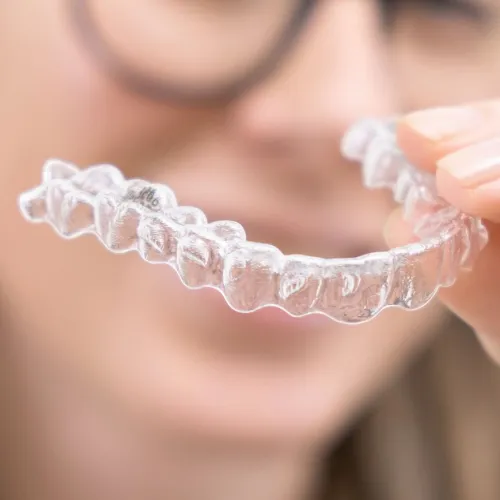
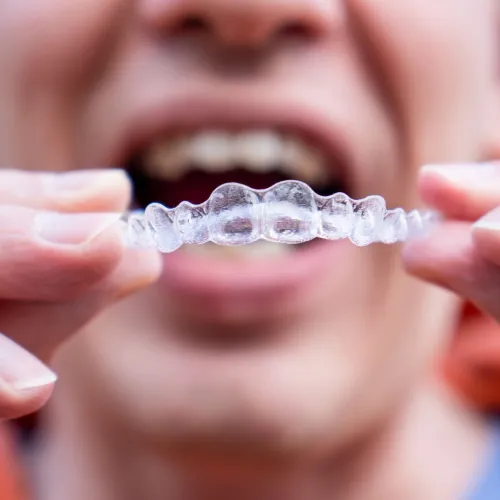
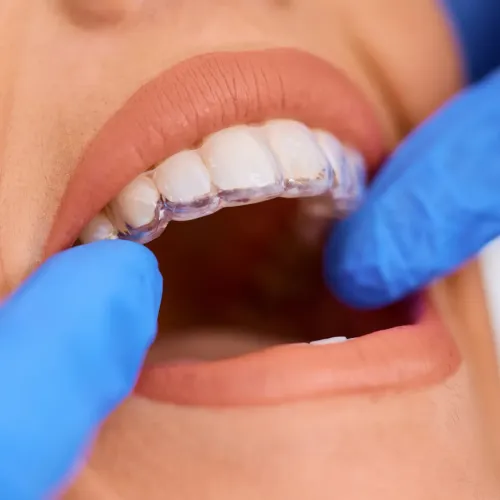
Invisalign trays are custom-made to fit your teeth precisely, guiding them into position over time. But "precisely" doesn't mean "perfectly every single time." Gaps happen. Tracking falls behind. Refinements become necessary. And if nobody explains what any of that means, the whole process feels way more stressful than it needs to be.
So let me walk you through the three questions I get asked most often.
Here's the thing — a small gap between your tray and your teeth isn't automatically a disaster. Research actually shows that Invisalign aligners have a measurable average gap of around 269 micrometers under normal conditions, according to a peer-reviewed study. That's microscopic. But when you can see or feel a gap? That's a different conversation.
The most common culprits I see in my Cypress patients:
You're not wearing them enough. Twenty to twenty-two hours a day isn't a suggestion. Studies show that about 15 days of consistent wear actually helps aligners adapt and conform better to your teeth. Skip hours, and the tray never fully seats.
The tray got warped. Hot water, leaving them in a car during a Texas summer, cleaning them with the wrong products — all of these can distort the plastic. A warped tray simply won't fit the way it was designed to.
Attachment issues. The small tooth-colored bumps bonded to your teeth (attachments) help the trays grip and move specific teeth. If an attachment pops off or wasn't placed with the right resin viscosity, fit suffers.
Moving too fast. Switching trays before your teeth have fully caught up leaves gaps at the edges. Not always. But often enough that it matters.
I had a patient last month who was convinced her trays were defective — she'd been switching every week instead of every two weeks because she thought faster was better. Once we got her back on the right schedule and she used her chewies consistently, the fit improved noticeably within days.
Bottom line? Use your chewies, wear your trays the full recommended hours, keep them away from heat, and call us if a gap persists beyond the first couple of days of a new tray.
Tracking refers to how closely your actual tooth positions match the planned positions in your digital treatment plan — what Invisalign calls ClinCheck. Every tray in your series assumes your teeth moved a specific amount with the previous one. And when they didn't? The next tray doesn't fit right, and you're officially off-track.
How do you know? A few signs I always tell patients to watch for:
Honestly, the most reliable way to catch tracking problems early is just showing up to your scheduled check-ups. I can see things in your mouth that an app can't. Digital monitoring tools help between visits, but they're not a replacement for clinical evaluation.
Poor tracking usually comes down to three things: not wearing the trays long enough, a movement that your biology simply didn't cooperate with (and I'm not 100% sure why some patients' teeth respond slower to certain movements, but my theory is it's a combination of bone density and root morphology), or a case that was more complex than initially assessed.
And here's a slightly controversial opinion — I think some patients get oversold on how "hands-off" Invisalign can be. It's not. It requires more active monitoring than braces in some ways, because the feedback loop isn't as immediate. You can learn how to stay on track with Invisalign to avoid these pitfalls.
Catching tracking issues early matters. A lot.
Refinements are additional aligners made after your initial series to correct whatever didn't move exactly as planned. Think of them as a mid-course correction — not a failure, just part of the process.
And they're more common than most patients expect. Actually, scratch that — they're nearly universal. Research shows only about 6% of patients complete Invisalign treatment without needing any refinements at all. The average patient goes through roughly 2 to 3 rounds of refinement scans, with total treatment time averaging close to 23 months.
That last number surprises people. A lot.
The process for refinements is pretty simple: once you've finished your current aligner series, we take new digital scans of where your teeth actually landed, compare that to where they were supposed to be, and design a new set of trays targeting the remaining gaps. The first refinement round improves outcomes for somewhere between 64% and 78% of patients, depending on case complexity. Multiple rounds beyond four, though — the evidence suggests they rarely add much more.
What kinds of movements need refinements most often? Rotations, extrusions, significant bite corrections. These are the movements Invisalign handles least predictably. Tipping and leveling? Much more reliable.
Look, nobody loves hearing they need more trays. But I'd rather do a refinement and get your bite right than call treatment "done" when it isn't. In Cypress, we see a real mix of case complexities, and for patients with moderate malocclusions, refinements are just part of getting to a great result.
The good news: refinements are typically included in your Invisalign package. Ask us to confirm that before you start — it's worth knowing upfront.
If your trays aren't fitting, you're worried about tracking, or you've just finished your initial series and aren't sure what's next — come see us. At Nu Dentistry Cypress, we work with patients throughout Cypress and the Greater Houston area to make sure Invisalign treatment actually delivers what it promises.
Don't sit at home stressing over a gap in your tray. Contact our Cypress office and let's take a look. We'll figure out exactly where you are in treatment, whether refinements make sense, and what the clearest path to your final result looks like.
Your smile's worth getting right.


// NU DENTISTRY IN Cypress, Texas
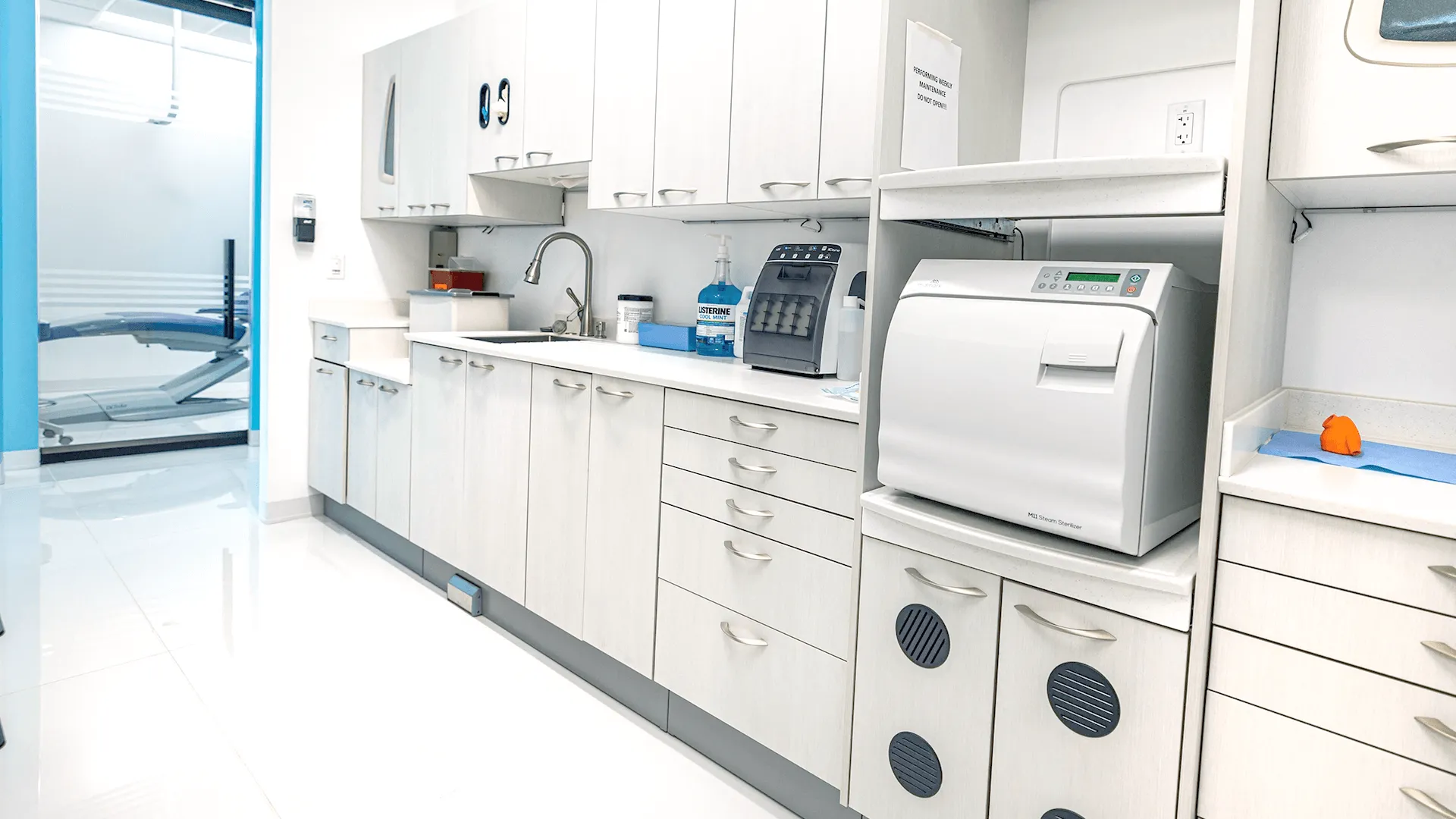
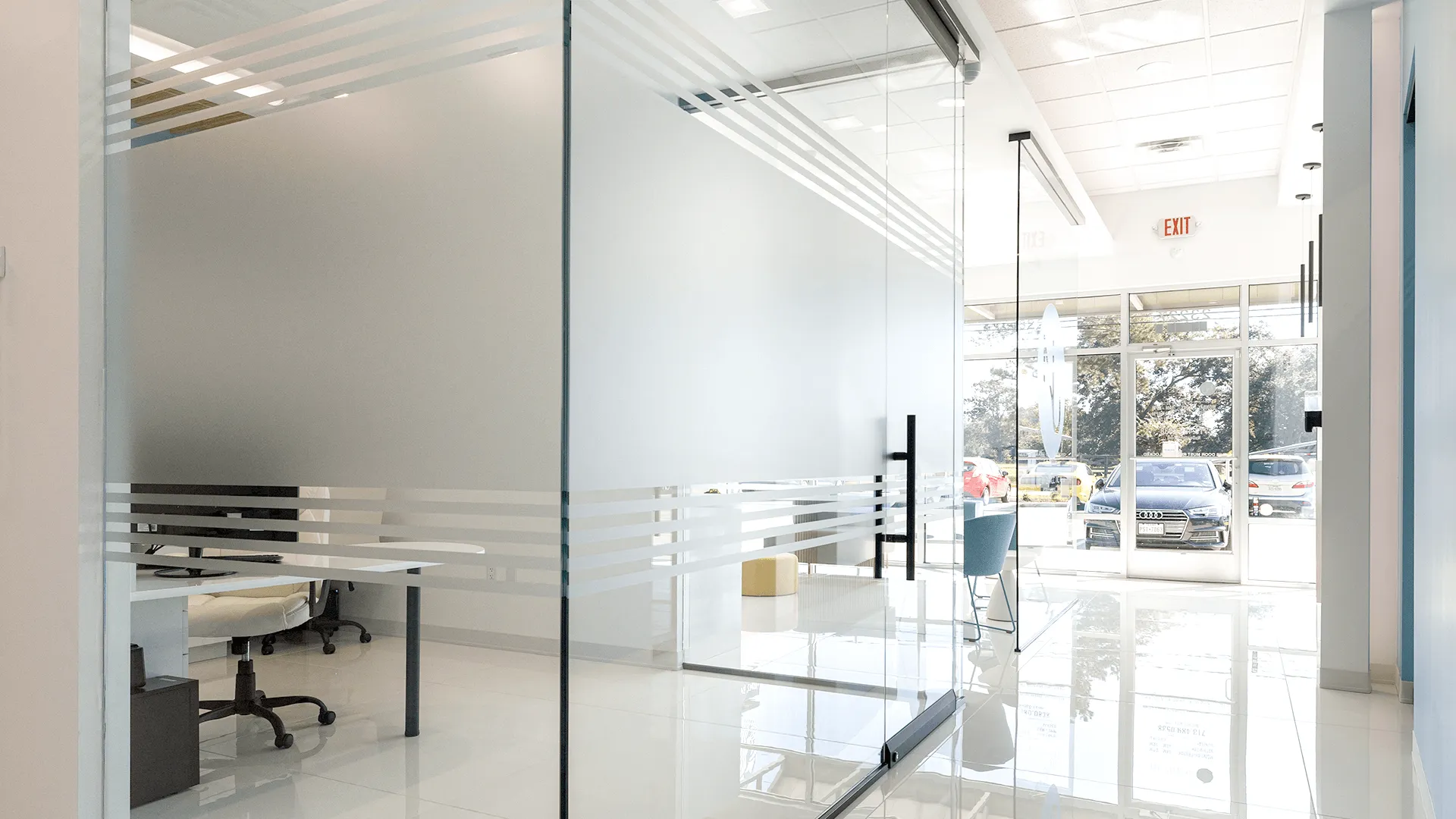
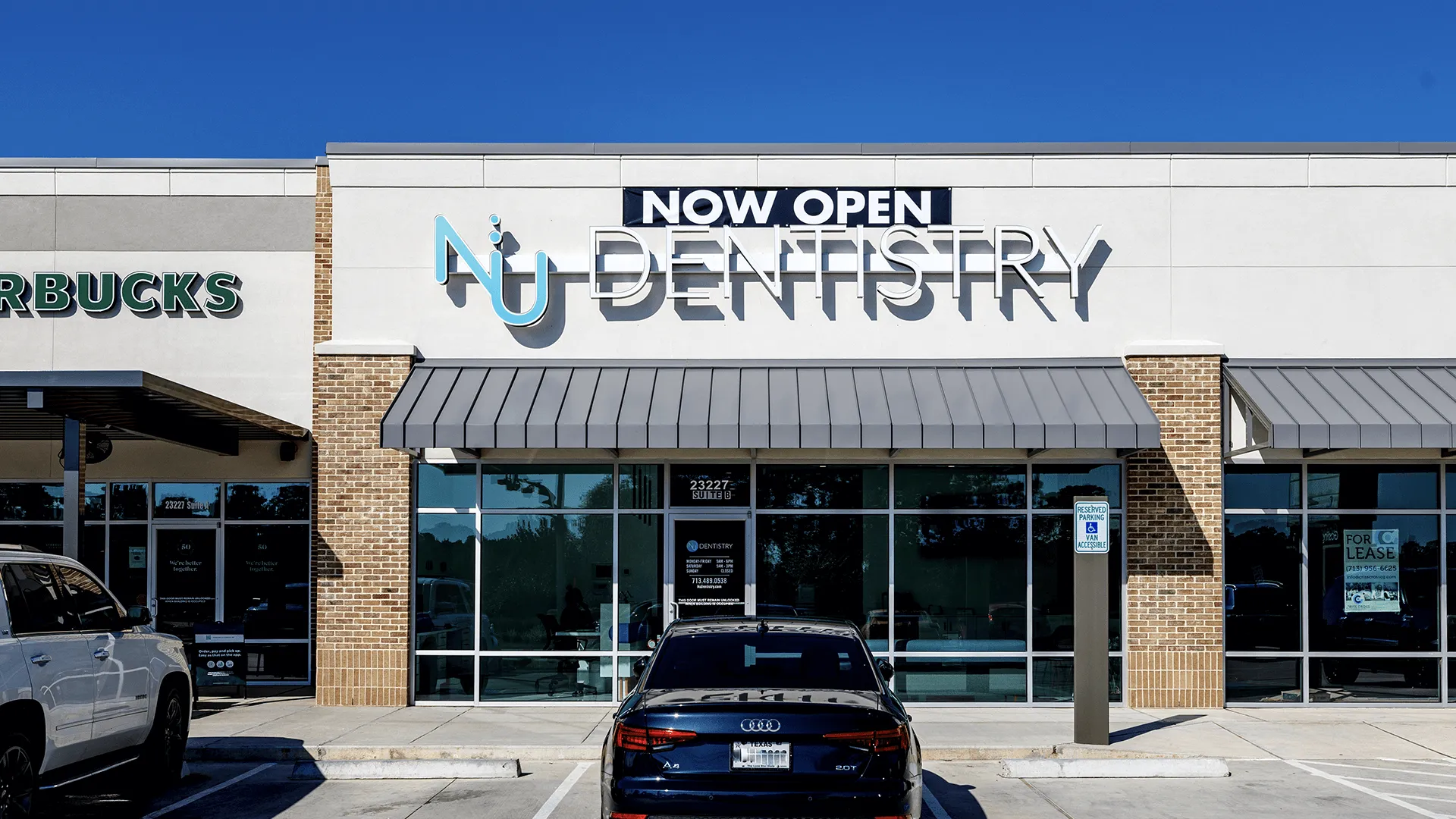
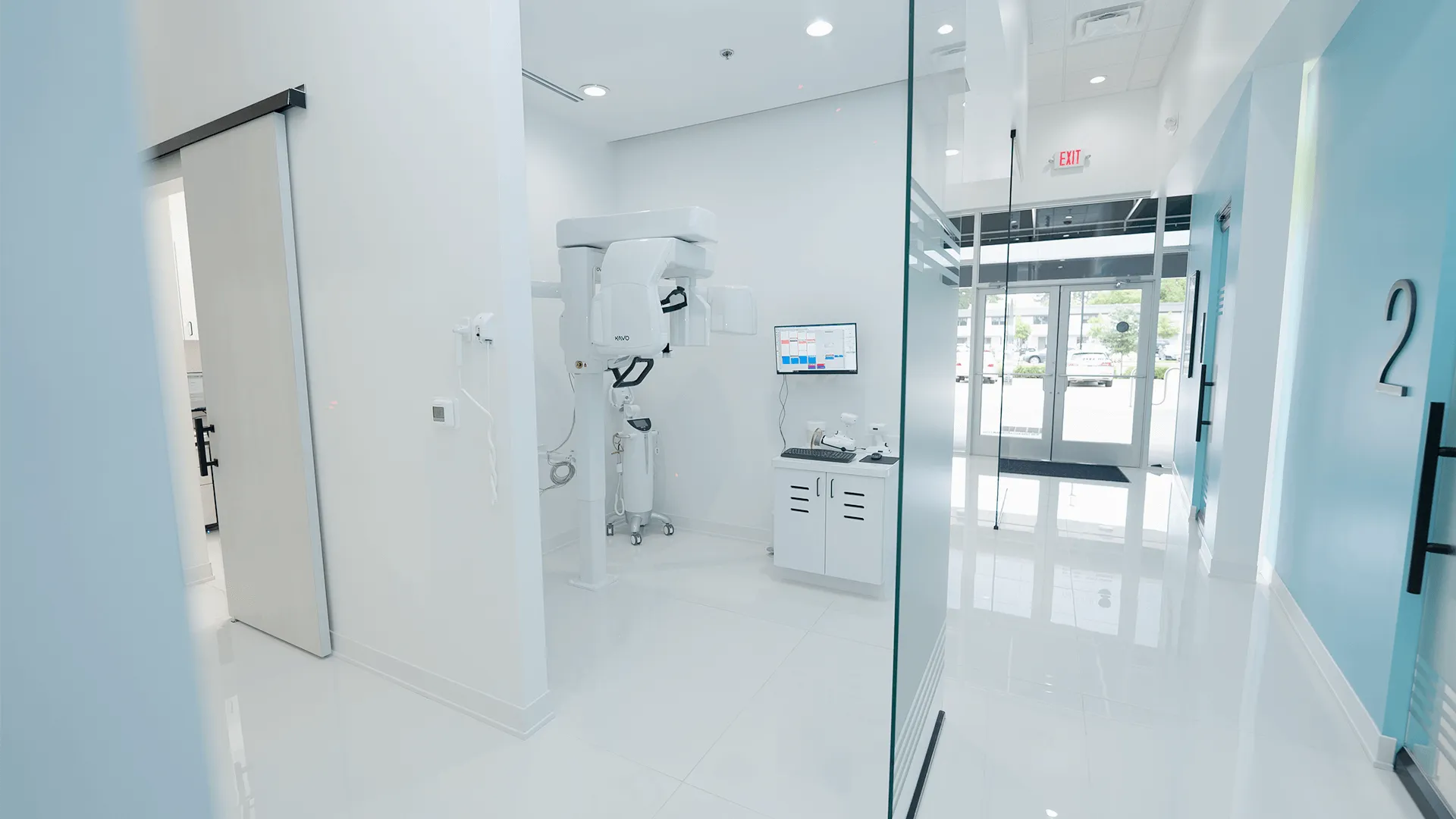
SEE WHAT A VISIT TO OUR MODERN, STATE-OF-THE-ART DENTIST OFFICE IS LIKE

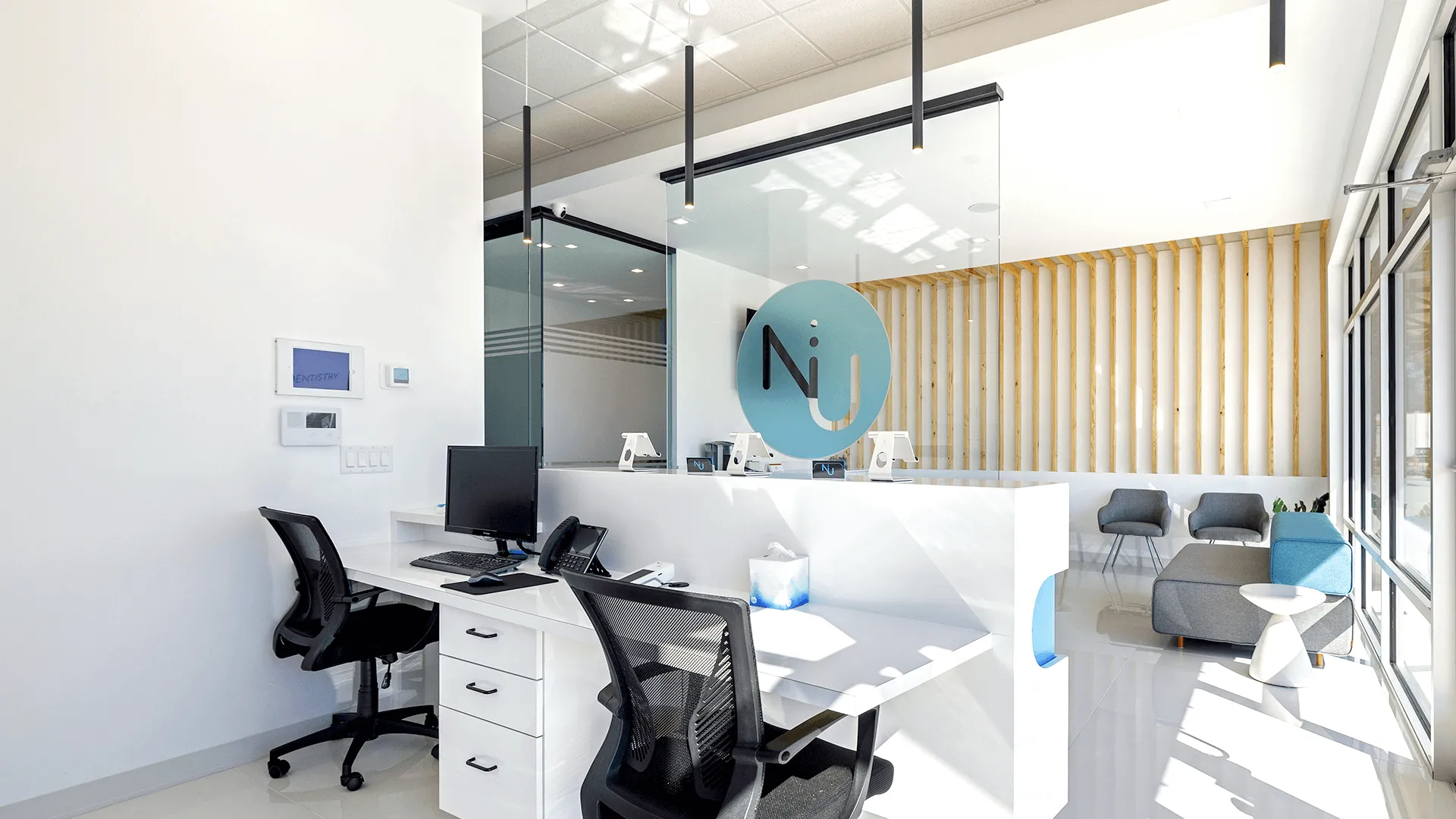
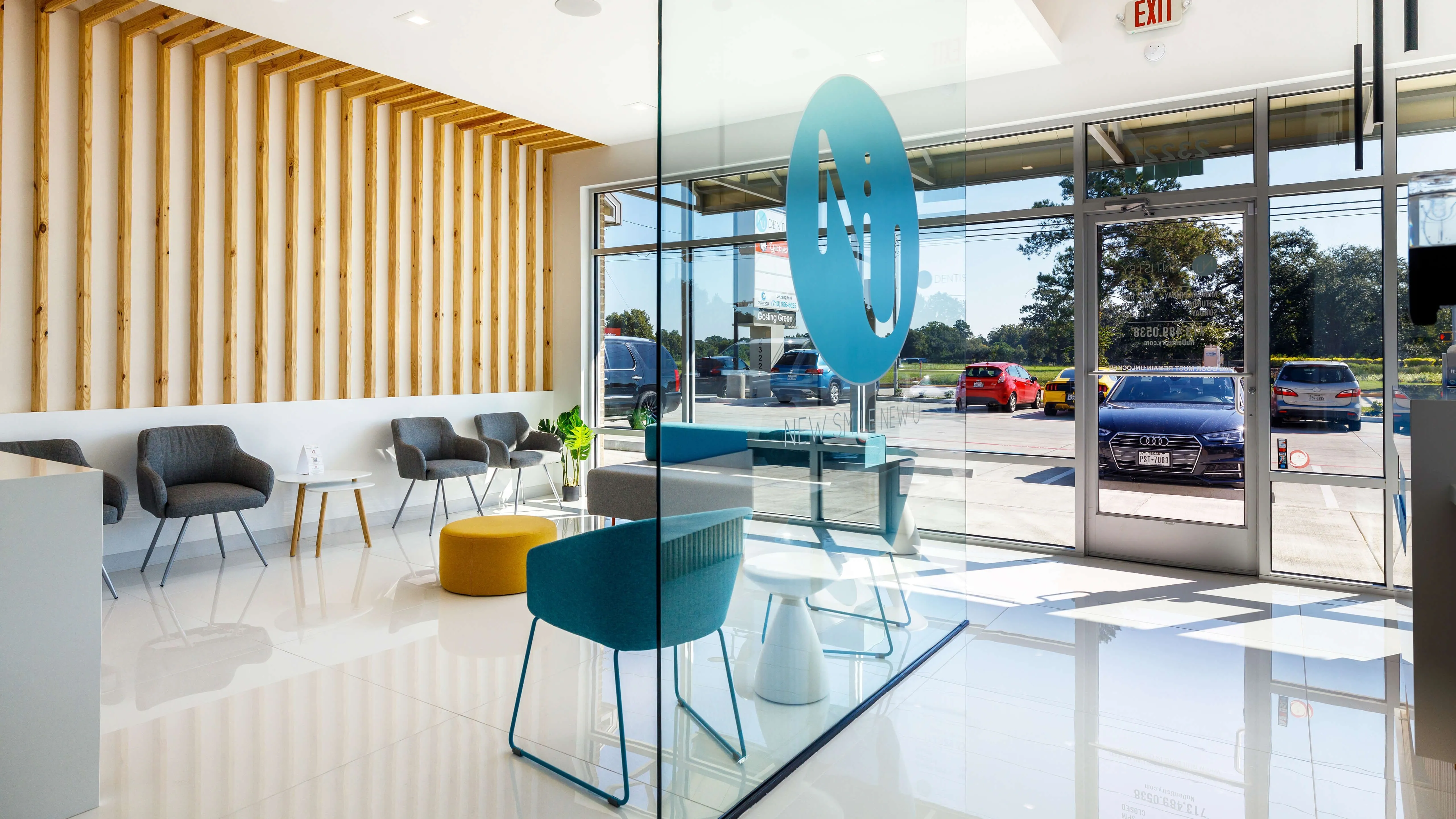
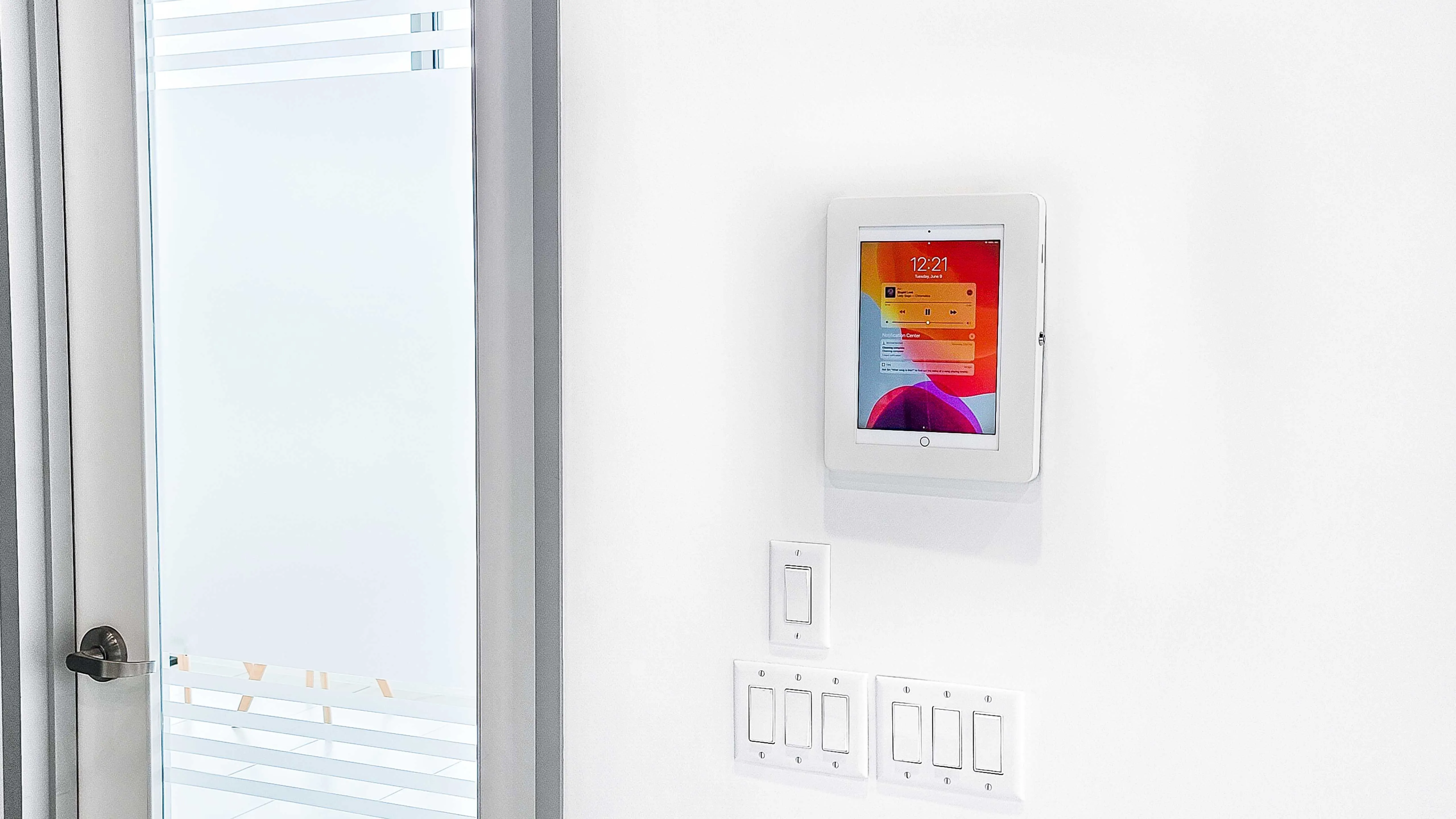
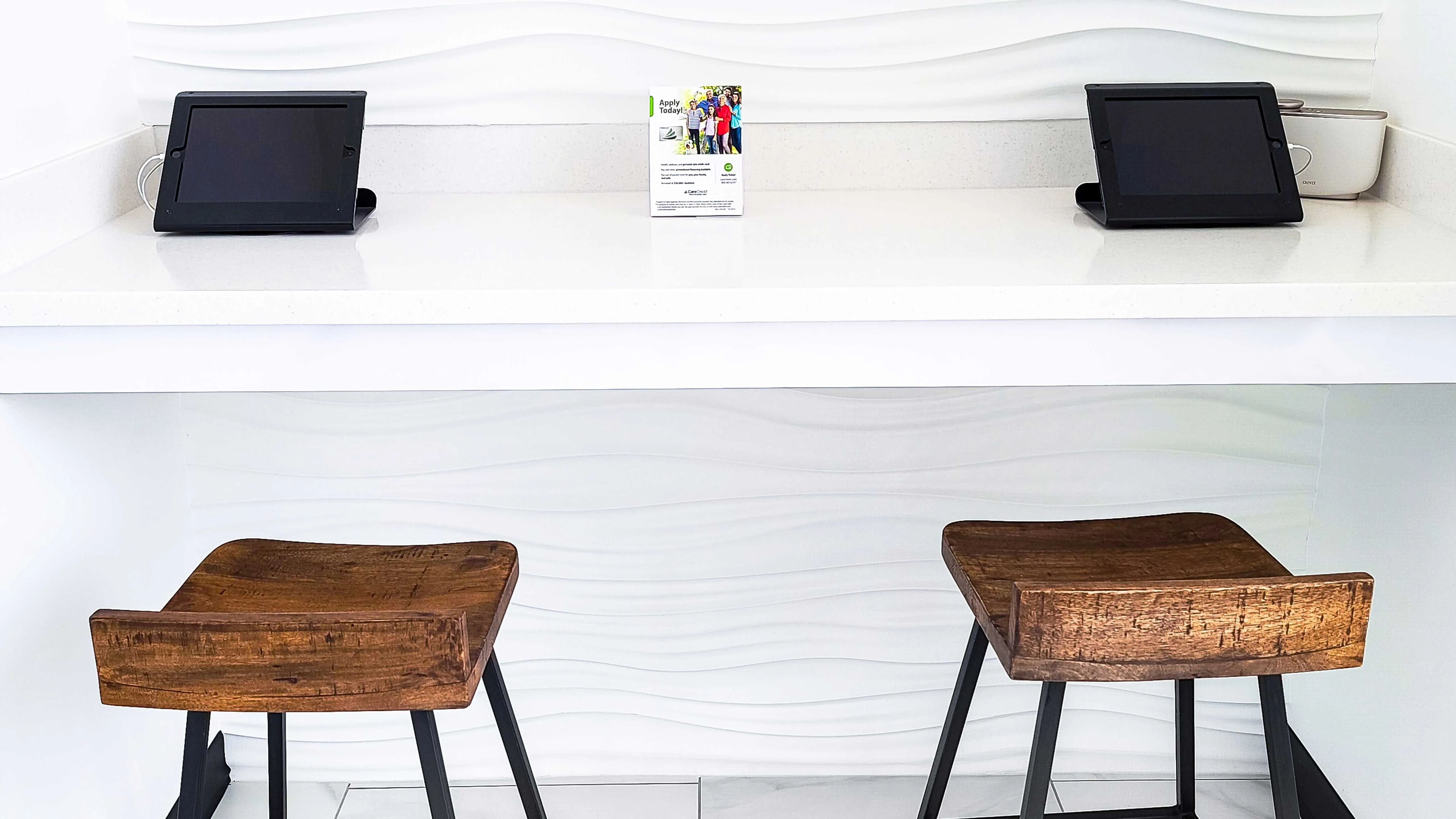



Monday 9am - 6pm
Wednesday 9am - 6pm
Friday 9am - 6pm
Saturday 9am - 3pm
8940 Barker Cypress Rd. Cypress, TX 77433
3201 N. Shepherd Dr. Suite 113, Houston, TX 77018
8145 Highway 6, Building B #200, Missouri City, TX 77459
11115 W Grand Parkway S, Suite 140, Richmond, TX 77407
23227 Gosling Rd. Suite B, Spring, TX 77389
5706 San Felipe St. Ste B-300, Houston, TX 77057
// PATIENT TESTIMONIALS Cypress, TX
CHECK OUT WHAT OUR PATIENTS ARE SAYING IN CYPRESS, TX



// CARING DENTISTS Cypress, TX
OUR SOCIALS
FOLLOW US ON THESE SOCIAL MEDIA PLATFORMS