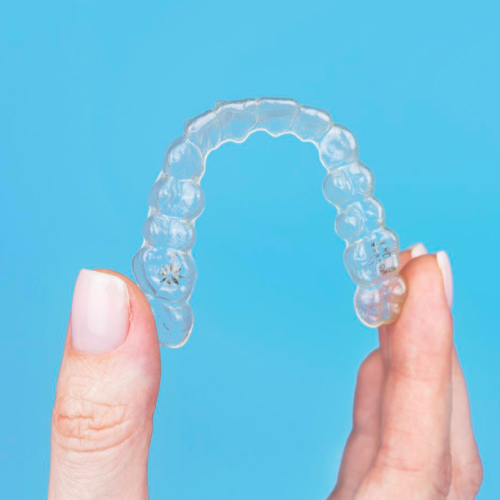
Why Your Invisalign Trays Aren't Fitting — And What to Do About It
Invisalign trays not fitting right in Cypress, TX? Learn about tracking issues and refinements. Call Nu Dentistry Cypress today.
Read More
Dental procedures can sometimes feel like a mystery, especially when you're considering something as significant as dental implants. You might have heard words like "titanium," "crown," or "osseointegration" and wondered if you're diving into a science experiment. But fear not! We've curated a comprehensive guide answering the most frequently asked questions about dental implants. From understanding the rare downsides to demystifying the pain factor, we're here to set the record straight.
Dental implants are the gold standard when it comes to replacing missing teeth. They're strong, look natural, and function like your real teeth. However, like any medical procedure, they come with their own set of potential downsides.
- Initial Cost: For many, the initial sticker shock of dental implants can be daunting. In comparison to alternatives like bridges or dentures, implants often come with a heftier price tag upfront. However, what's crucial to understand is the longevity and quality of life they offer. While dentures may require adjustments, replacements, or frequent maintenance, a well-placed implant can potentially last a lifetime. So, when evaluating cost, it's beneficial to consider the long-term value and the potential savings in future dental bills and comfort.
- Surgical Procedure Required: The word "surgery" can naturally elicit a sense of unease. Dental implant placement involves a process where a titanium post is anchored into the jawbone. This procedure comes with risks akin to other surgeries, such as potential infections, prolonged healing times, or postoperative discomfort. It's paramount to follow your dentist's aftercare guidelines, which might include taking prescribed antibiotics, maintaining oral hygiene, and avoiding certain foods. The good news? With a skilled dental surgeon and adherence to post-op care, complications are relatively rare.
- Potential for Sinus Issues: The anatomy of our upper jaw and proximity to the sinus cavities can sometimes pose challenges for dental implants. In cases where the jawbone is thin, there's a risk of an implant encroaching into the sinus cavity. This situation might demand sinus lifts or grafting procedures to ensure a safe and successful implant placement. While this sounds complex, with advancements in dental technology and expertise, such procedures have become relatively routine and are performed with high success rates.
While the downsides mentioned might give pause, it's essential to weigh them against the undeniable benefits dental implants offer: stability, aesthetics, and improved oral health. As always, personal circumstances, health history, and individual needs play a role. Open dialogue with your dental professional can help clarify if dental implants are the right choice for you.
We get it. The mere mention of "drilling" and "jawbone" in the same sentence can send shivers down anyone's spine. The idea of having a foreign object embedded into your mouth is daunting, to say the least. But before you let your imagination run wild with nightmarish scenarios, let's unpack the real deal behind the pain associated with dental implants.
- Local Anesthesia: The Game Changer: The procedure starts with the application of local anesthesia, ensuring that the implant area and its surroundings are thoroughly numbed. Modern anesthetics are quite effective, turning what could be a painful experience into one where you might only feel some pressure or mild vibrations. The sensation is often likened more to a gentle tug or push rather than the sharp pain one might imagine.
- The Aftermath: Post-Surgical Discomfort: No sugar-coating here; while the procedure itself is mostly pain-free, the subsequent days can bring about some discomfort. It's akin to the soreness one feels after a rigorous workout, but located in the mouth. Swelling, minor bleeding, or even some bruising are not uncommon. The silver lining? This discomfort is transient, usually peaking within the first 24-48 hours and gradually subsiding. Over-the-counter painkillers, cold compresses, and salt water rinses often become your best friends during this recovery phase. Plus, your dentist will provide a list of aftercare recommendations, which, when followed, can substantially ease the recovery journey.
- Personal Pain Perceptions: It's essential to remember that pain, much like beauty, is in the eye (or in this case, the mouth) of the beholder. What Mrs. Smith describes as a mere inconvenience, Mr. Jones might find a tad more challenging. Everyone's pain threshold varies, and so does their healing process. Some may breeze through the recovery with minimal discomfort, while others might need a couple more days of rest and TLC. The key? Stay in close communication with your dentist. They can offer solutions, adjustments, or even just some reassuring words to ease any concerns.
- Additional Comfort Options: For those particularly anxious or sensitive, discuss sedation dentistry with your dental professional. This approach can further minimize discomfort and anxiety, turning the implant process into a more relaxed experience.
Now, let's talk about longevity! How much bang are you getting for your buck?
- Potentially a Lifetime: With proper care, dental implants can last a lifetime. The implant, made from titanium, fuses with the bone and becomes a permanent fixture.
- The Crown's Lifespan: While the implant might last forever, the crown (the visible tooth part) typically lasts 10-15 years. However, with meticulous care, it can last much longer.
- Factors Affecting Longevity: Regular dental check-ups, good oral hygiene, and avoiding harmful habits like chewing hard items can extend the lifespan of your implant.
This is a common question, given that we often hear about the body rejecting transplants. Here's the scoop:
- Rare Rejection: Technically, the body doesn't "reject" dental implants in the way it might reject a transplanted organ. Titanium, from which most implants are made, is biocompatible and fuses well with bone.
- Failure is Possible But Rare: While rejection is uncommon, implant failure can happen due to infections, poor bone quality, or inadequate aftercare.
- Ensuring Success: To reduce the risk of failure, it's crucial to follow post-operative care guidelines, maintain excellent oral hygiene, and visit your dentist regularly.
Dental implants are a fantastic solution for many who've lost a tooth or several teeth. While there are potential downsides, the benefits - natural appearance, convenience, and durability - often outweigh the cons. Always remember, open communication with your dentist is key. They're there to answer questions, address concerns, and ensure you're comfortable every step of the way.
Considering dental implants? We're here to provide top-notch care and guidance. Schedule a consultation with our clinic today to embark on your journey towards a fuller, brighter smile!
Fresh news from the dental world
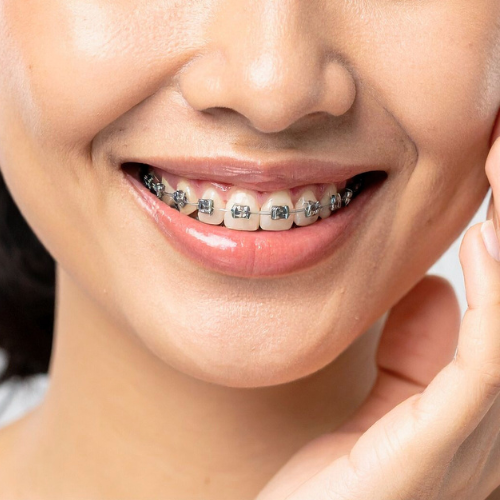
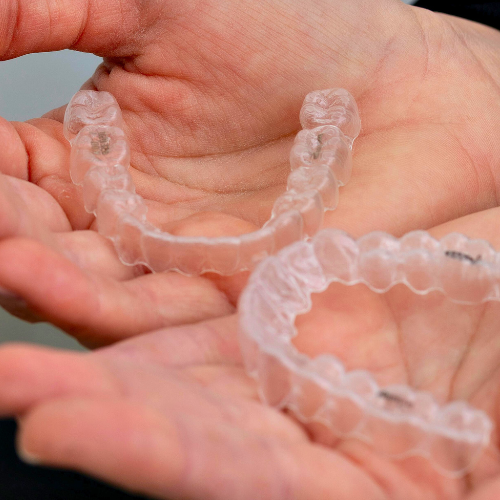

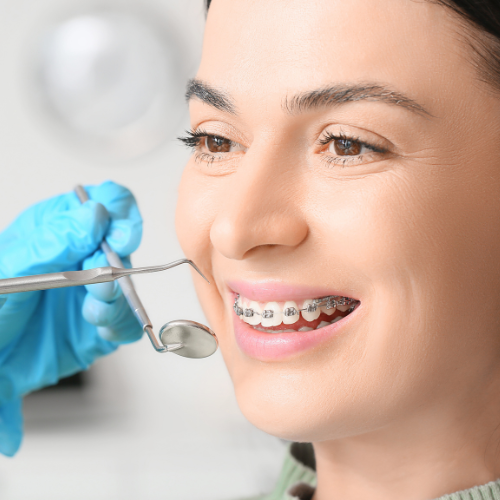

See what a visit to our modern, state-of-the-art dentist office is like!











Monday 9am - 6pm
Wednesday 9am - 6pm
Friday 9am - 6pm
Saturday 9am - 3pm
Check out what our patients are saying in Cypress, TX


“The Best Dentist In Cypress, Texas”
We have been looking for a family dentist for a long time, we have tried a bunch of places but nothing felt quite like home. Not too long ago we stumbled upon Nu Dentistry and met Dr. Ali. Not only was he professional, kind, and gentle, but he always finds a way to fit us in when we need an appointment. He’s also pretty funny! I appreciate that he takes the time to explain what he’s doing, before he does it. That really puts me at ease.

“Never Thought I'd Say It”
I never thought I’d say it, but going to the dentist is actually fun now. I recently came in for a root canal, and I got to sit back and catch up on Stranger Things without any pain!

“Anxiety Has Kept Me Away ”
I usually have such huge anxiety when I go to a dentist appointment, which means I always put off visits until the last minute to disastrous consequences. However, Dr. Loggins helped me with sedation, so the entire process was a breeze!
“The Best Dentist In Cypress, Texas”
We have been looking for a family dentist for a long time, we have tried a bunch of places but nothing felt quite like home. Not too long ago we stumbled upon Nu Dentistry and met Dr. Ali. Not only was he professional, kind, and gentle, but he always finds a way to fit us in when we need an appointment. He’s also pretty funny! I appreciate that he takes the time to explain what he’s doing, before he does it. That really puts me at ease.
“Never Thought I'd Say It”
I never thought I’d say it, but going to the dentist is actually fun now. I recently came in for a root canal, and I got to sit back and catch up on Stranger Things without any pain!
We are proud members of these dental organizations and accreditations


We are dedicated to providing you with only the best quality dental care


