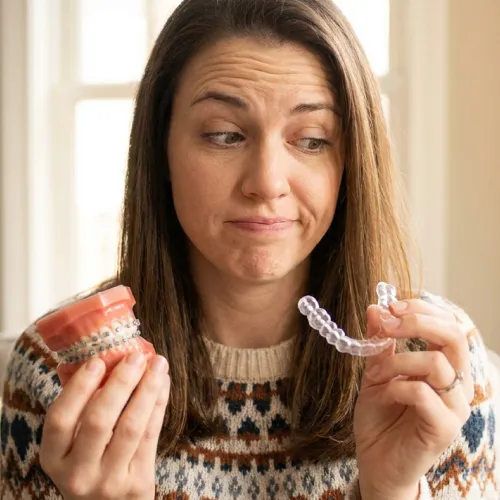
Braces vs. Invisalign: Which Is Actually Better for Complex Bites?
Are braces or Invisalign better for complex bites? Compare clear aligners and traditional braces to find your best fit. Book a consultation in Cypress today!
Read More

Cosmetic Dentistry, Teeth Straightening
If you have been putting off braces because you picture a mouth full of metal and months of misery, you are not alone. Most people do not avoid braces because they hate straight teeth. They avoid braces because they fear the process.
Here is the truth: braces are less about “toughing it out” and more about learning a few simple habits that make treatment smoother, faster, and way less annoying.
At Nu Dentistry Cypress, we see it all the time. Patients who do best with braces are not the ones with “perfect discipline.” They are the ones who understand what is happening, show up for check-ins, and know the small things that protect their progress.
This article is your braces reality check, without the doom.
Braces are not just pushing teeth into a nicer row for photos. They are working on the foundation of how your bite fits together. That matters because a better bite can help with:
Think of braces like training wheels for your teeth. They apply steady, controlled pressure so teeth can move through bone safely. That is why the process takes time. Bone needs time to remodel. Teeth cannot just “snap” into place overnight, and you would not want them to.
A quick mindset shift that helps
Instead of asking “How soon will I be done?” ask:
“What can I do this month to make sure I stay on track?”
Because the truth is, small detours add up. Broken brackets, missed appointments, and sticky snacks can turn a straightforward timeline into a longer one.
Most people wear braces for about 18 to 24 months, but the real range is wider. Some cases finish closer to 12 months, while others take 30 months or more.
It depends on a few big factors:
What patients usually notice first:
Within the first 6 to 12 weeks, many people see visible changes. That early progress can be exciting, but it is only the beginning. The later stages are about fine-tuning the bite and lining everything up so results last.
A simple way to protect your timeline
Those three habits can make a bigger difference than most people realize.
There is a short period where braces feel like a new roommate you did not choose. Then your mouth adapts, and things get easier.
Here is what that curve often looks like:
Week 1: You notice everything. Cheeks feel irritated. Teeth are tender. Eating feels weird.
Weeks 2 to 4: You start adjusting. You find your go-to soft foods. You get faster at cleaning.
Month 2 and beyond: Braces become normal. You still get sore after adjustments, but it is predictable and manageable.
Pro tips that make day-to-day braces easier
Braces do not usually hurt in the sharp, alarming way people fear. What most patients feel is pressure and soreness, especially after getting braces on and after adjustments.
Typical soreness timeline
The soreness is basically your teeth saying, “Okay, something is changing.” It is normal, expected, and temporary.
What helps most with braces soreness
Try these, in this order:
Call the office if: the pain feels severe, you cannot sleep, or something feels pokey or broken. Discomfort is normal. A wire stabbing your cheek is not something you should “just live with.”
Food is where braces get their reputation. Not because braces are fragile, but because certain foods are experts at bending wires, popping brackets, and turning cleaning into a full-time job.
Avoid these foods while you have braces
Hard foods that can break brackets
Sticky foods that pull on brackets
Chewy foods that strain wires
Biting foods that cause “bracket drama”
What you can eat without constantly worrying
You do not have to live on mashed potatoes. The goal is to make food braces-friendly.
Better choices:
A smart rule: if you need your front teeth to “crunch” into it, it is probably a risk. Cut it up first.
Braces can trap food, which can increase the risk of plaque buildup. That does not mean braces ruin teeth. It means your cleaning routine matters more than it used to.
The routine that works for most people
Do this daily:
If you want one extra habit that pays off fast, add this:
Rinse with water after snacks. Even if you cannot brush right away, a quick rinse helps reduce lingering food around brackets.
Everyone celebrates the day braces come off. Then comes the part people underestimate: retention.
Your teeth remember where they used to be. Retainers help them stay where they belong.
Your results depend on:
If you do not take retainers seriously, your teeth can drift, and that can undo months of progress.
A straighter smile is great. But braces also help build a mouth that is easier to maintain for the long run. That means fewer awkward brushing angles, less crowding, and a bite that functions better.
If you are considering braces in Cypress, the best next step is not guessing your timeline from a friend’s experience or a random post online. It is getting a real evaluation.
Ready to talk about braces?
Schedule an appointment with Nu Dentistry Cypress to discuss your goals, your options, and what treatment could look like for you. A clear plan makes the whole process feel a lot less intimidating.
// NU DENTISTRY IN Cypress, Texas
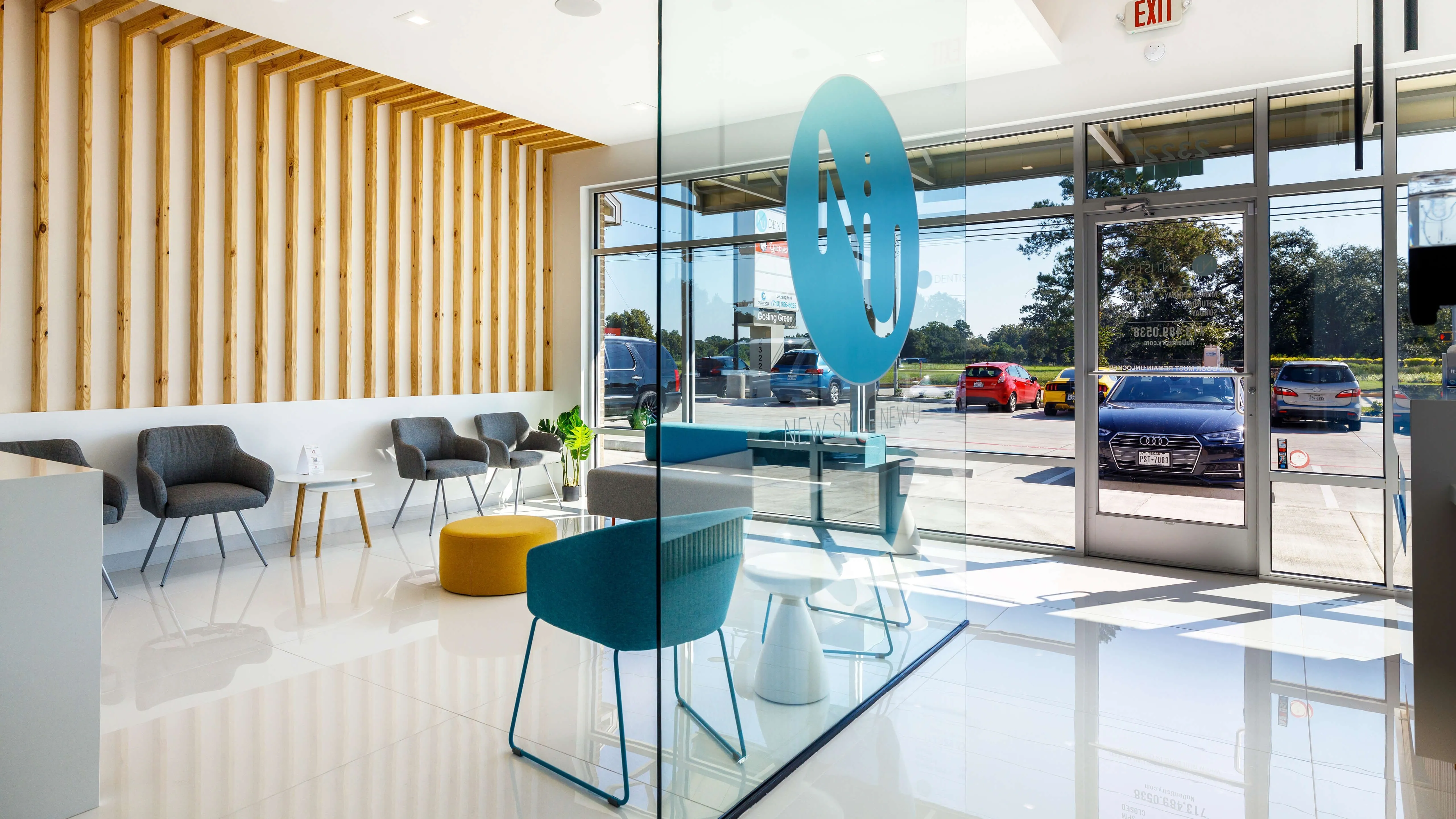
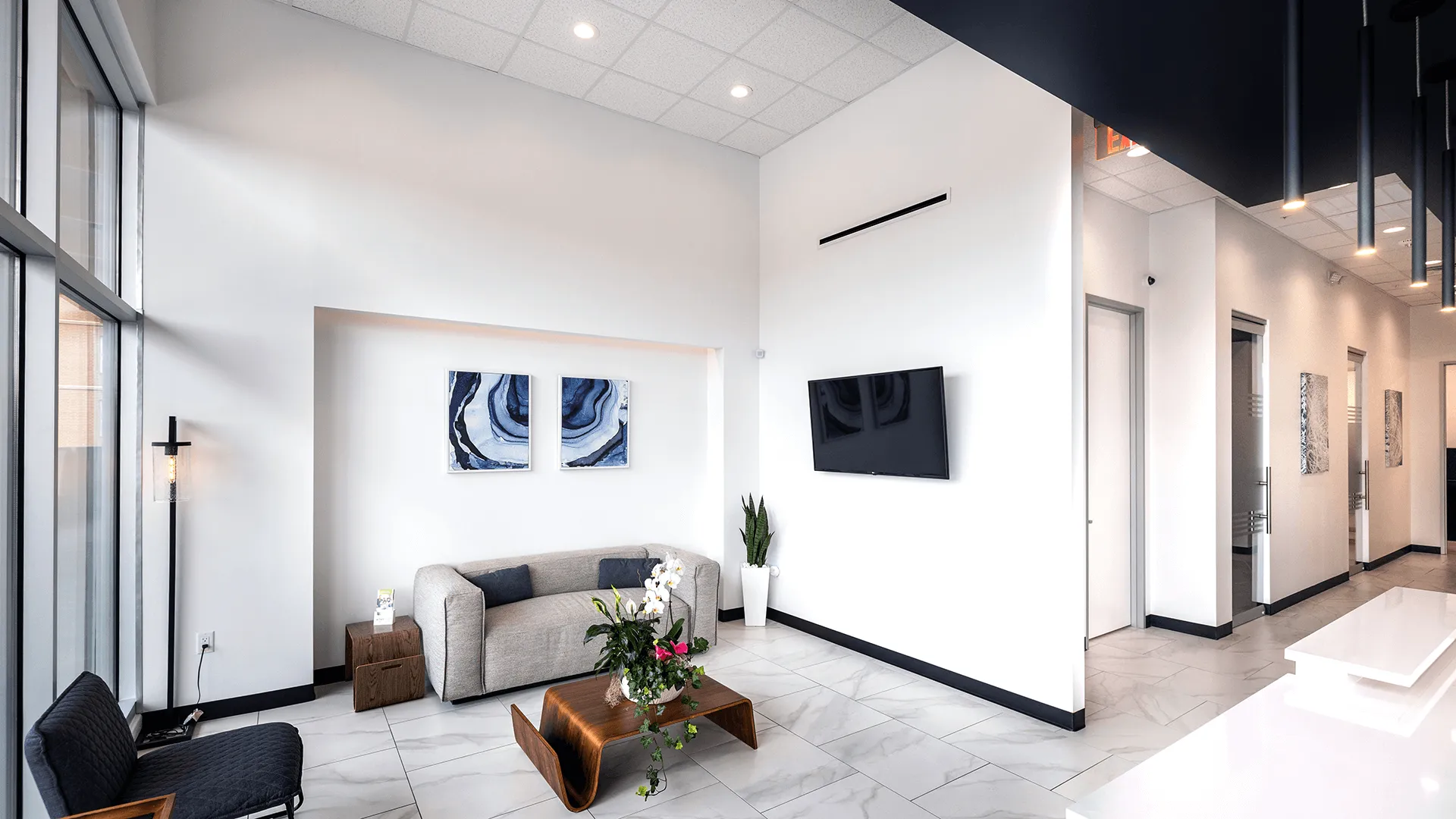
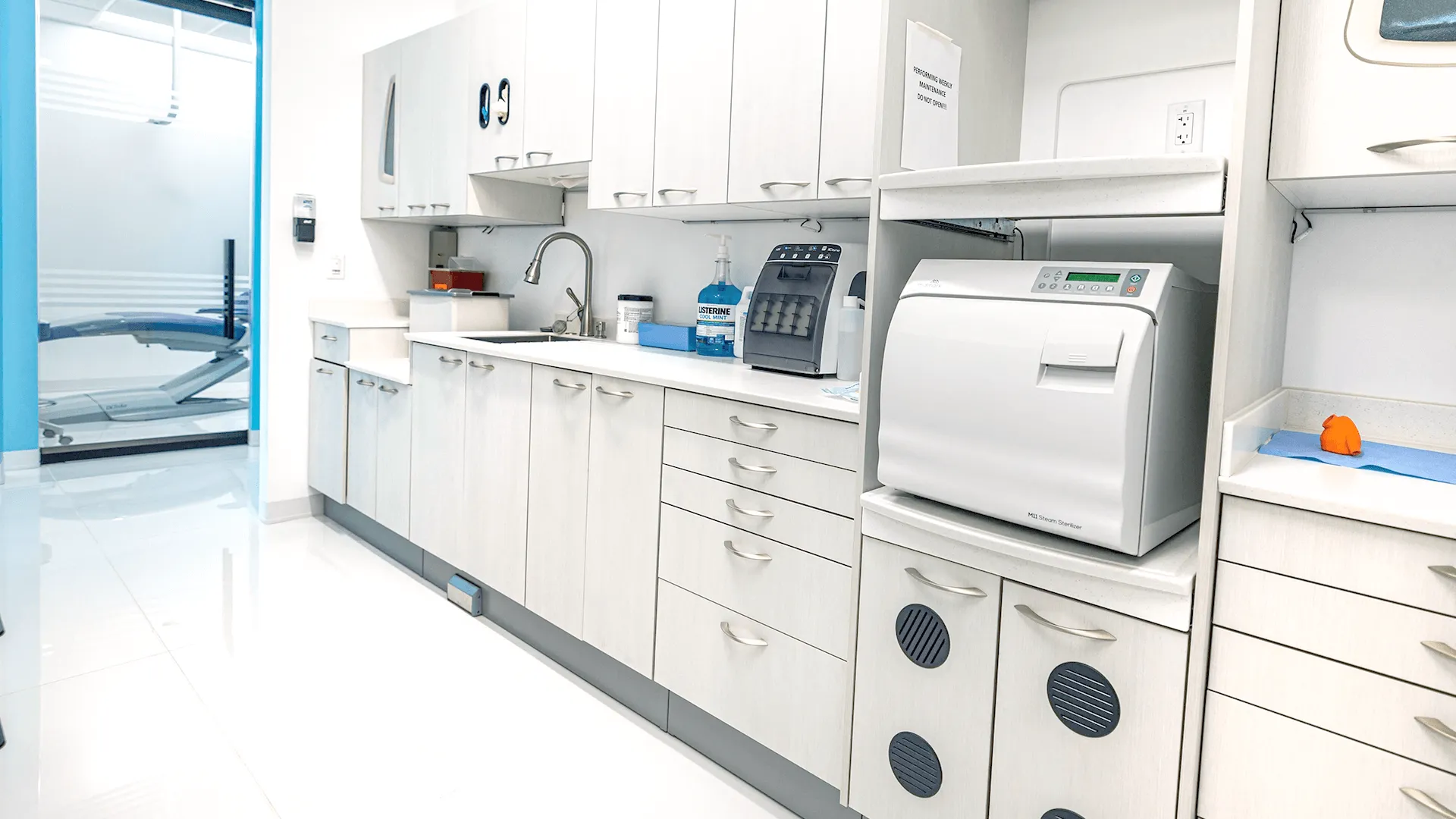
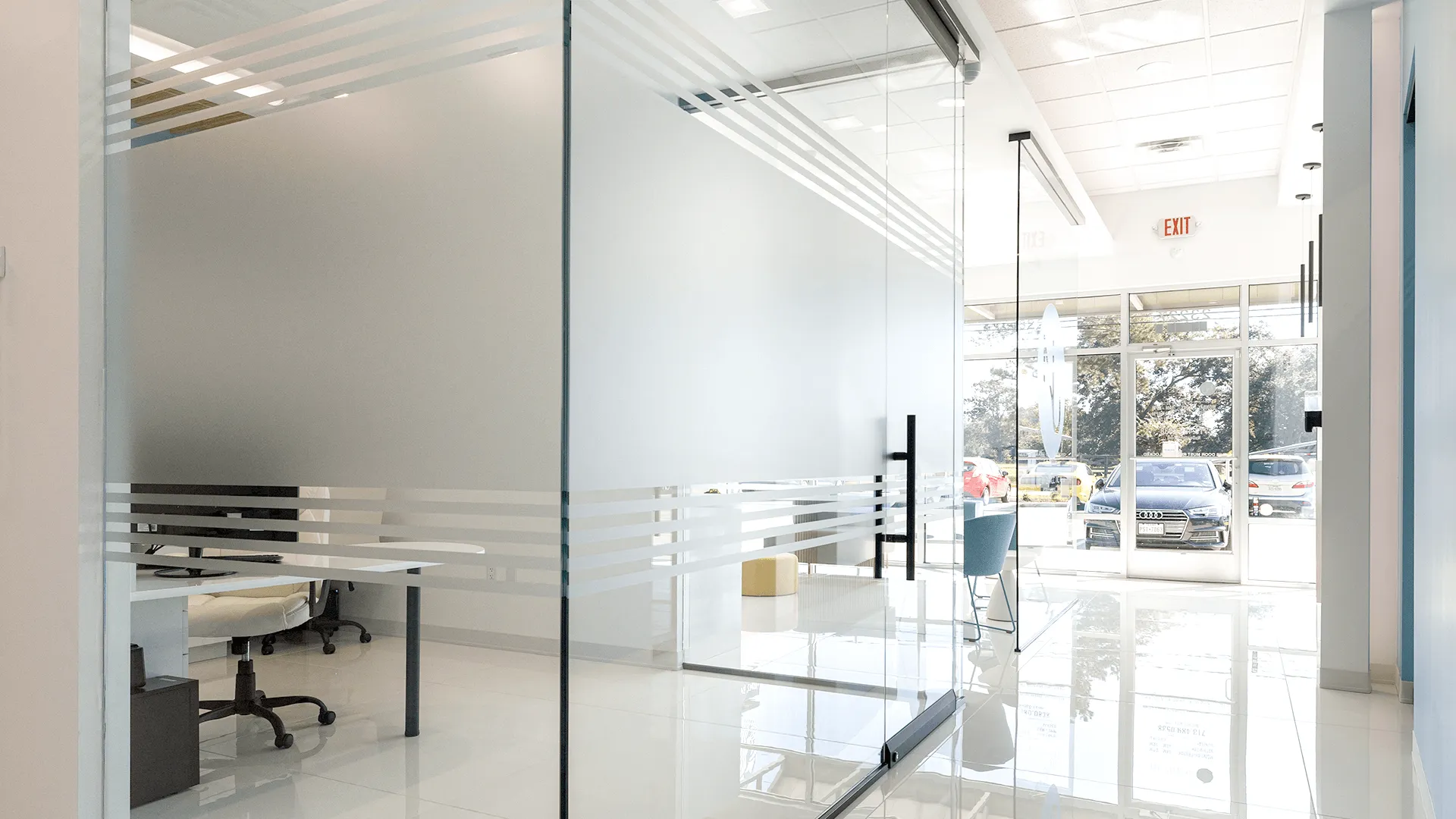
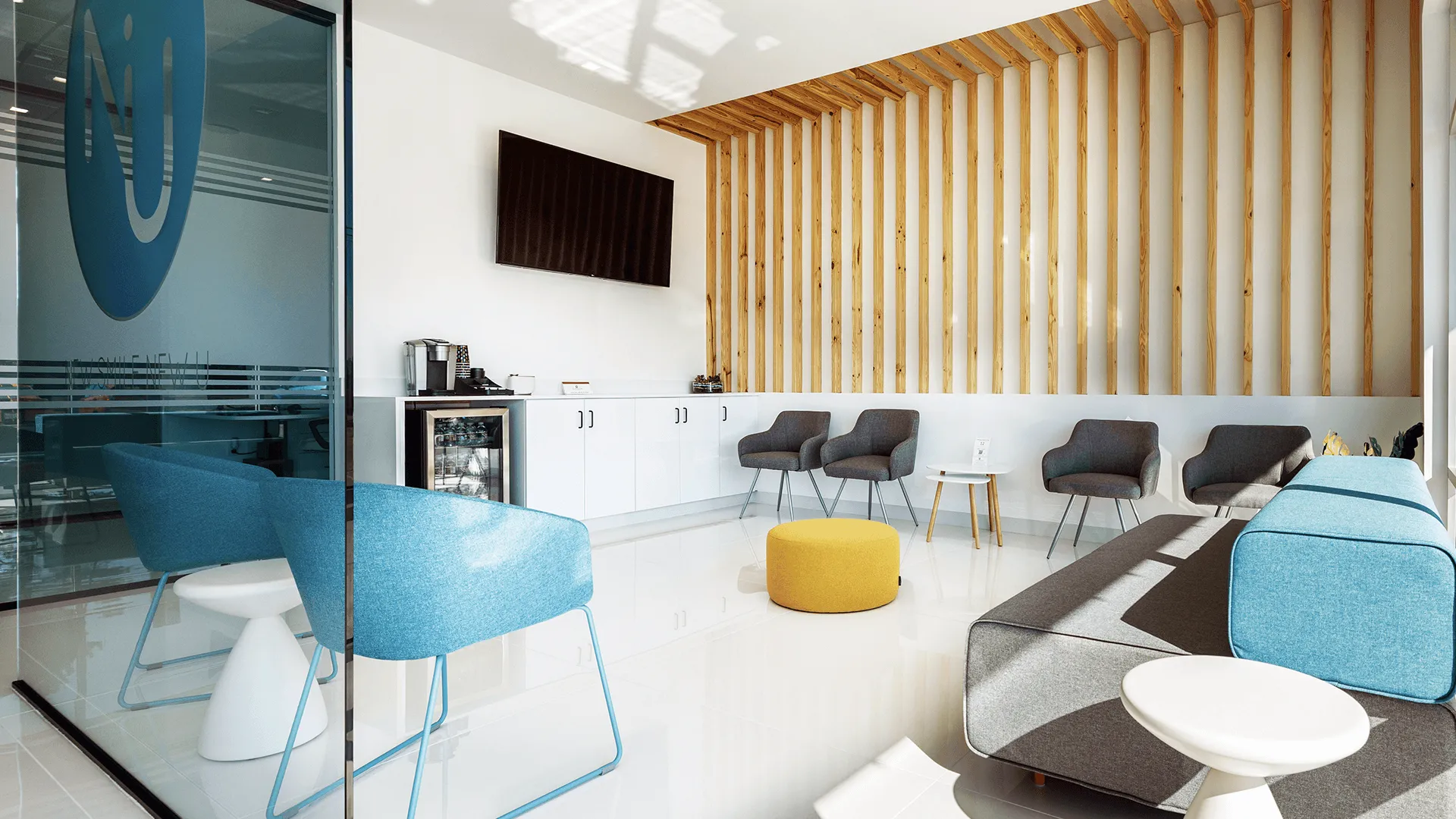
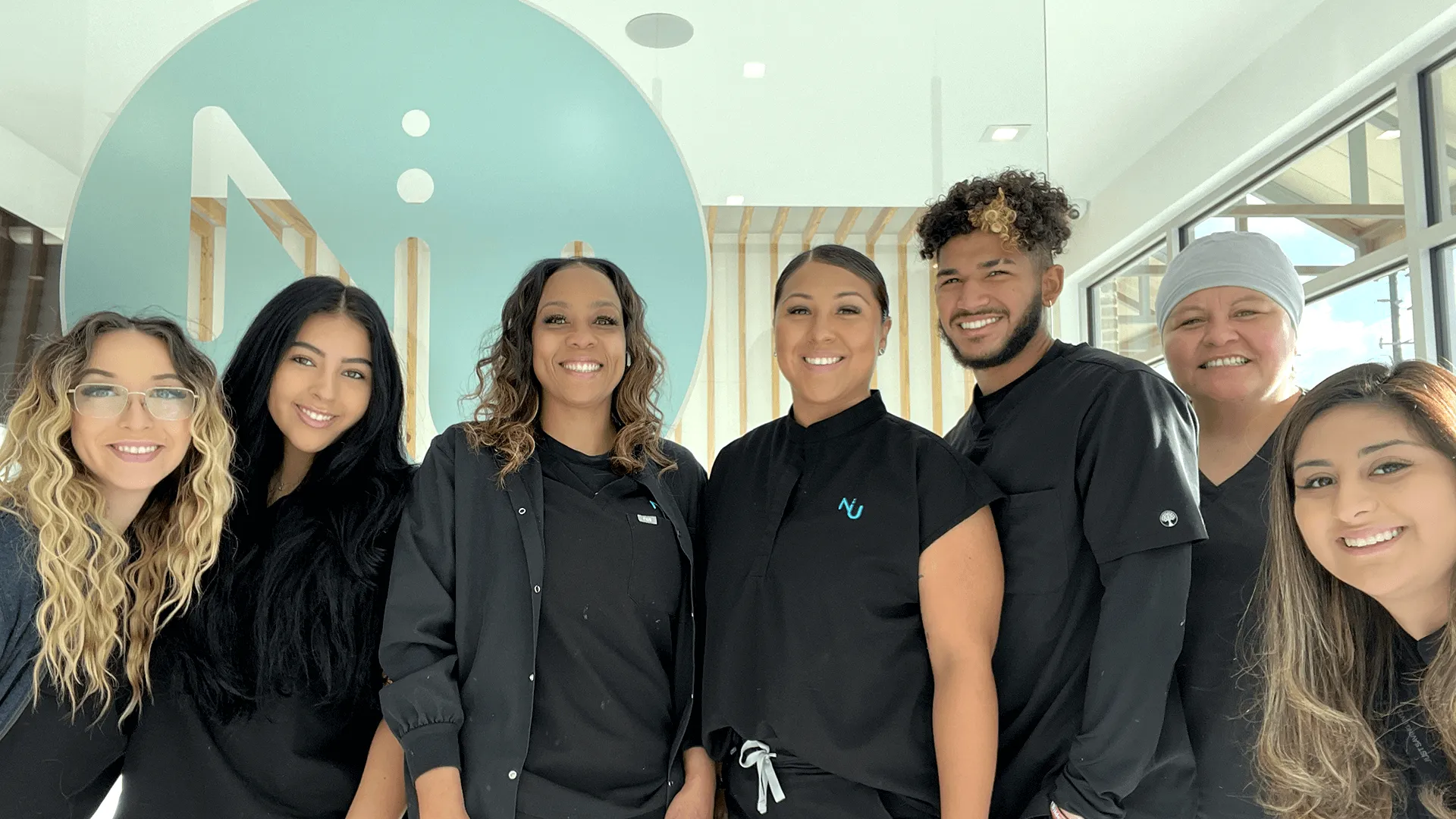
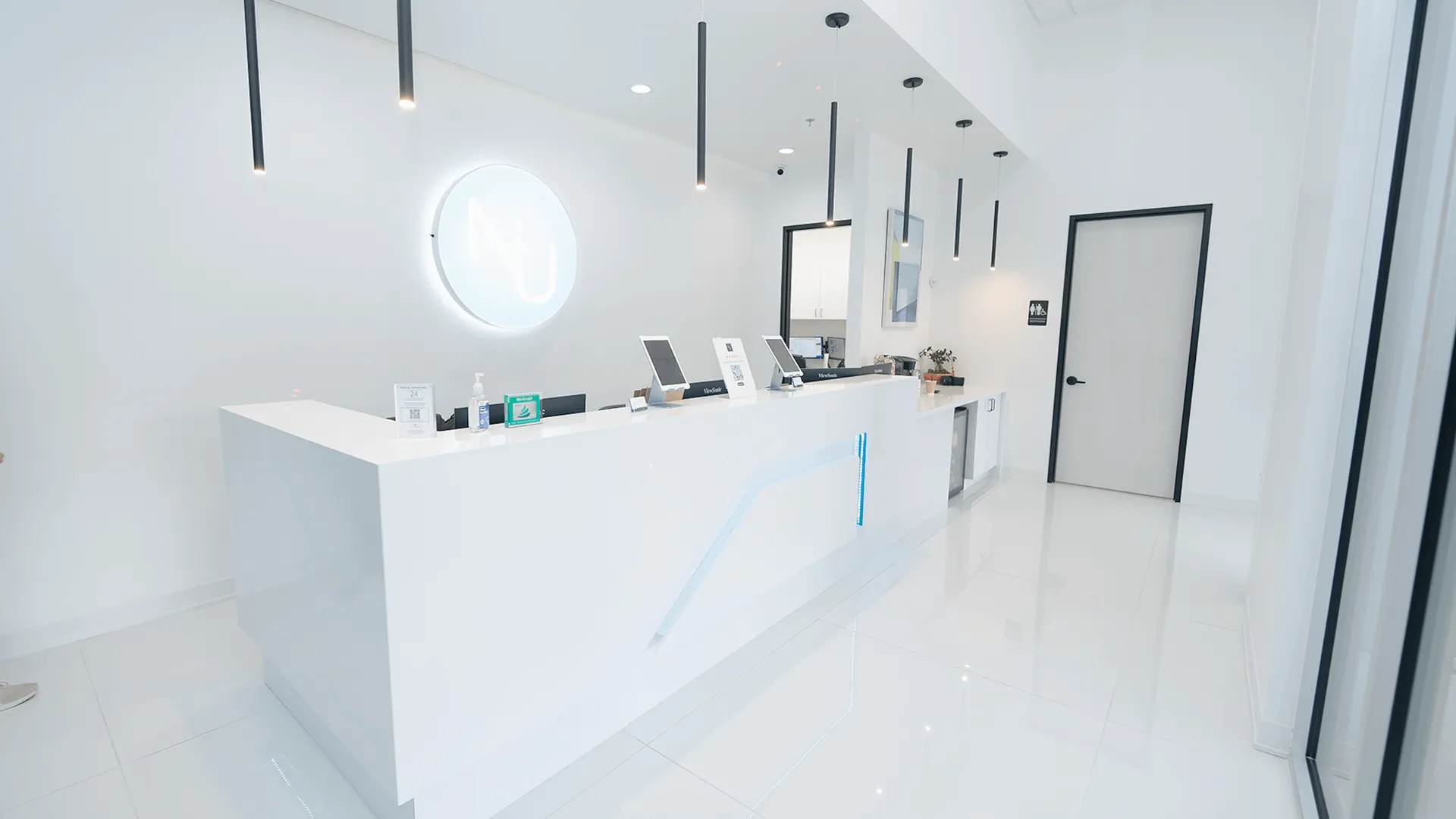
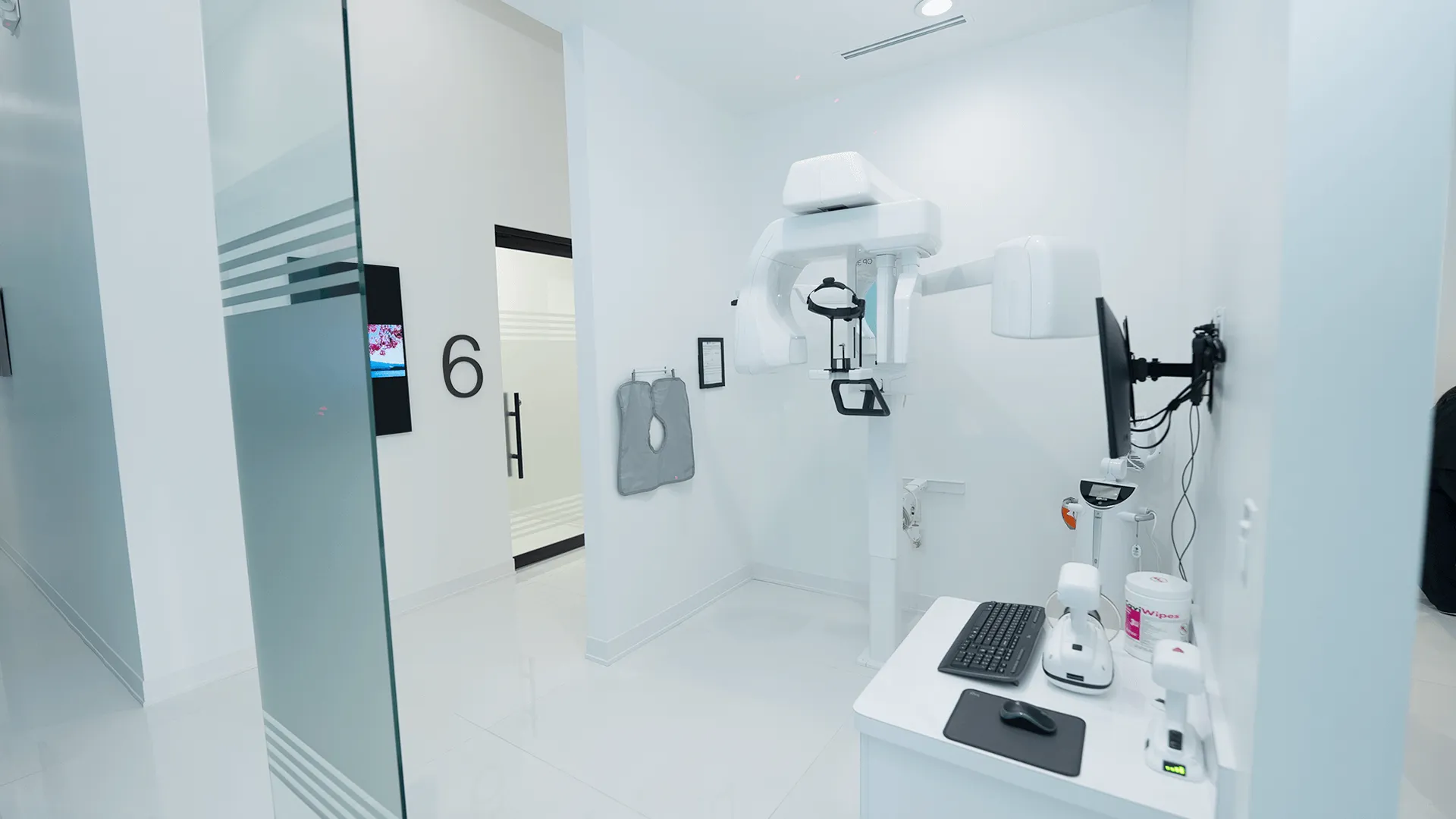
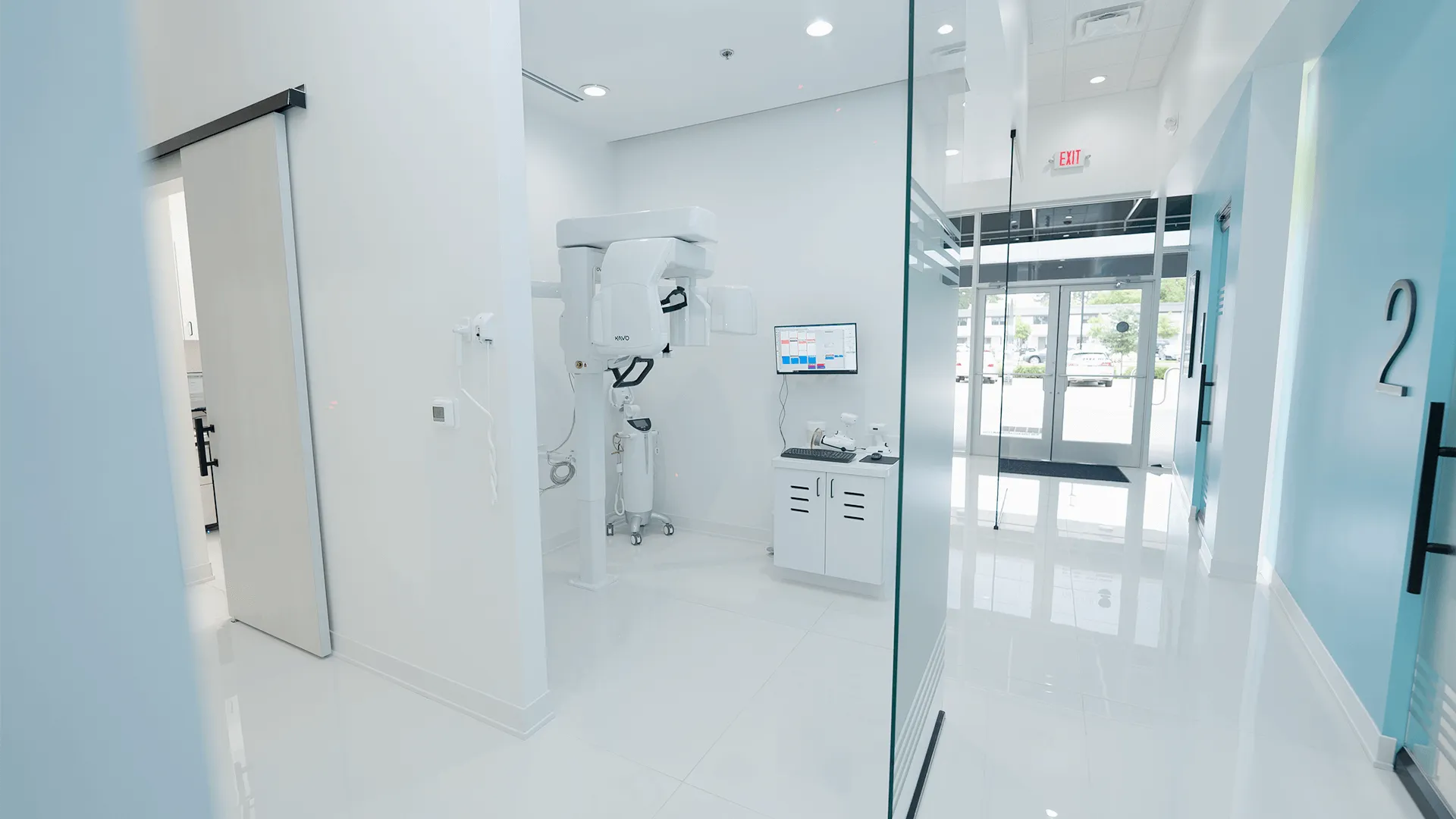
SEE WHAT A VISIT TO OUR MODERN, STATE-OF-THE-ART DENTIST OFFICE IS LIKE
Monday 9am - 6pm
Wednesday 9am - 6pm
Friday 9am - 6pm
Saturday 9am - 3pm
8940 Barker Cypress Rd. Cypress, TX 77433
3201 N. Shepherd Dr. Suite 113, Houston, TX 77018
8145 Highway 6, Building B #200, Missouri City, TX 77459
11115 W Grand Parkway S, Suite 140, Richmond, TX 77407
23227 Gosling Rd. Suite B, Spring, TX 77389
5706 San Felipe St. Ste B-300, Houston, TX 77057
// PATIENT TESTIMONIALS Cypress, TX
CHECK OUT WHAT OUR PATIENTS ARE SAYING IN CYPRESS, TX



// CARING DENTISTS Cypress, TX
OUR SOCIALS
FOLLOW US ON THESE SOCIAL MEDIA PLATFORMS