
Invisalign vs. At-Home Aligners: What Cypress Patients Should Know Before Choosing
Comparing Invisalign vs. at-home aligners? Discover which clear aligner is best for your smile. Contact Nu Dentistry Cypress to schedule your consultation!
Read More
Reviewed by Dr. Ali Tameemi, DDS
A lot of people want straighter teeth but are not excited about the idea of visible brackets and wires. That is often the moment lingual braces enter the conversation. They offer a way to straighten teeth while keeping the braces hidden behind your smile, which makes them especially appealing to teens and adults who want a more discreet option.
At Nu Dentistry Cypress, we know orthodontic treatment is not just about moving teeth. It is also about helping you feel comfortable with the process and confident in your smile while treatment is happening. Lingual braces can be a great fit for some patients, but like any orthodontic option, they come with their own pros, adjustments, and expectations.
If you have been curious about whether lingual braces are worth considering, here is what to know.
Lingual braces are braces that are attached to the back side of your teeth instead of the front. That is the biggest difference people notice right away. From the outside, they are much less visible, which is why many patients are drawn to them in the first place.
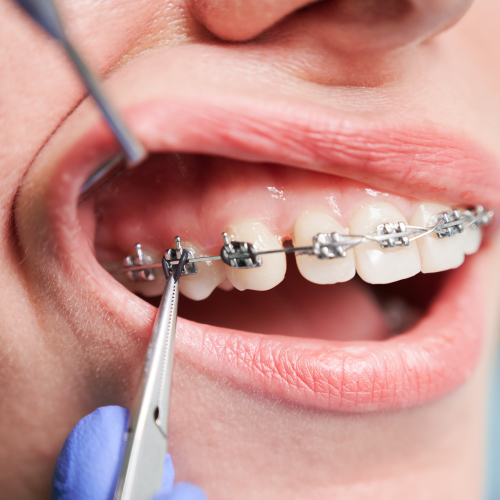
Even though they are placed differently, they work in a similar way to traditional braces. Brackets are bonded to the teeth and connected with wires that apply steady pressure over time. That pressure gradually shifts teeth into better alignment.
What makes lingual braces unique is that they are often more customized to the shape of your teeth. Because the inner surface of teeth is different from the front, placement and adjustments require precision and planning.
Lingual braces may help correct issues such as:
For patients who want a treatment option that stays more out of sight, that hidden placement can be a major advantage.
That said, lingual braces are not always the best choice for every case. Some patients have bite patterns, tooth shapes, or orthodontic needs that are better suited to other treatment options. The best way to know is to have your smile evaluated by a dental professional who can look at your specific needs.
For many adults, the idea of braces is not about whether they work. It is about whether they want them to be noticeable during daily life. Work meetings, social events, photos, dating, and even just casual conversation can make some people feel self conscious about visible orthodontic treatment.
That is where lingual braces stand out.
Because they sit behind the teeth, they allow patients to straighten their smile with a little more privacy. Some people like that they can improve their teeth without everyone immediately spotting brackets. Others simply like having an option that feels a bit more subtle and less obvious.
Patients often choose lingual braces because they want:
This does not mean they are effortless. Lingual braces can require patience, especially at the beginning. But for the right patient, the tradeoff is worth it.
This is one of the most common questions patients ask, and the honest answer is that better depends on what matters most to you.
Lingual braces are not automatically better than traditional braces in every situation. They are simply different. Each option has strengths, and the right one depends on your priorities, your bite, your treatment goals, and how comfortable you are with the adjustment period.
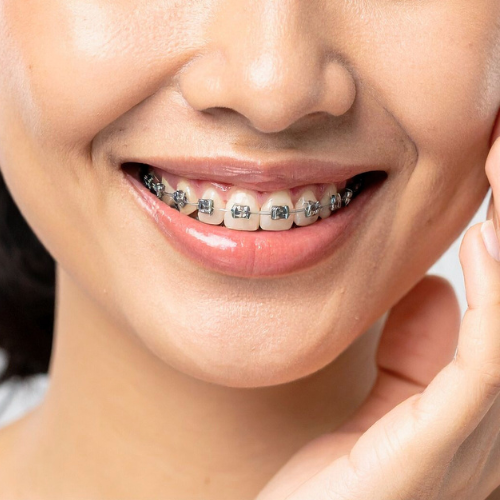
Traditional braces are placed on the front of the teeth, which makes them easier to access for adjustments and often easier for patients to clean around. Lingual braces are more hidden, but they can be a little trickier to get used to because of where they sit.
Here is a simple way to think about it:
Lingual braces may be a better fit if you value:
Traditional braces may be a better fit if you value:
There is also the question of complexity. Some orthodontic cases respond very well to lingual braces, while others may be better treated with traditional braces or clear aligners. That is why it helps to avoid thinking in terms of “best overall” and instead think in terms of “best for me.”
The best choice is the one that gives you a healthy bite, predictable results, and a treatment experience you can realistically stick with.
Whenever patients hear that brackets sit behind the teeth, they usually have the same follow up thought: What is that going to feel like every day? That is a fair question.
The beginning usually comes with an adjustment period. Your tongue naturally rests near the inside surfaces of your teeth, so it will notice the brackets at first. Speech can feel a little different in the early days, and some people notice mild irritation or awkwardness while eating and talking.
The good news is that most patients adapt over time. Your mouth is usually more flexible than you think. Once the braces stop feeling new, many people settle into a routine and barely think about them as much.
A few things typically help during the adjustment phase:
It is not unusual to need a short learning curve. That does not mean something is wrong. It just means your mouth is getting used to a new setup.
Lingual braces can be uncomfortable at first, but that does not mean they stay that way.
Most patients experience some soreness after braces are first placed or adjusted, and that is true whether the braces are on the front or back of the teeth. With lingual braces, the added difference is that the tongue may feel irritated in the beginning because it is coming into contact with the brackets more often.
You may notice:
For most people, this improves as the mouth adapts. The first days or weeks are usually the hardest. After that, many patients find the discomfort becomes more manageable and much less noticeable.
It is important to keep expectations realistic. Lingual braces are not usually described as the most comfortable orthodontic option on day one. But discomfort is often temporary, and many patients decide the hidden appearance makes that early adjustment worthwhile.
If comfort is one of your biggest concerns, talk openly with your provider about it. A good consultation should include a real conversation about what treatment feels like, not just what it looks like.
Lingual braces can be a strong option for patients who want effective tooth movement without visible braces on the front of the teeth. They are especially popular among adults, professionals, and anyone who feels hesitant about the appearance of traditional braces.
You may be a good candidate if you:
Not everyone will be the right candidate, and that is normal. The shape of your teeth, the way your teeth come together, and the complexity of your case all matter. What works beautifully for one patient may not be the most practical option for another.
That is why personalized treatment planning matters so much.
One of the biggest myths in orthodontics is that you have to choose between effective treatment and feeling comfortable about how you look during the process. Lingual braces challenge that idea. They offer a treatment path that can be both practical and discreet, even if it takes a little patience in the beginning.
For the right patient, that hidden placement can make all the difference. You still get the steady, structured movement braces are known for, but without the same visual impact on your smile.
If you have been putting off orthodontic treatment because you do not love the idea of visible braces, it may be time to look at your options more closely.
Schedule an appointment with Nu Dentistry Cypress to find out whether lingual braces are a good fit for your smile, your bite, and your lifestyle. Sometimes the best treatment option is the one that helps you feel confident from the very beginning.
Fresh news from the dental world




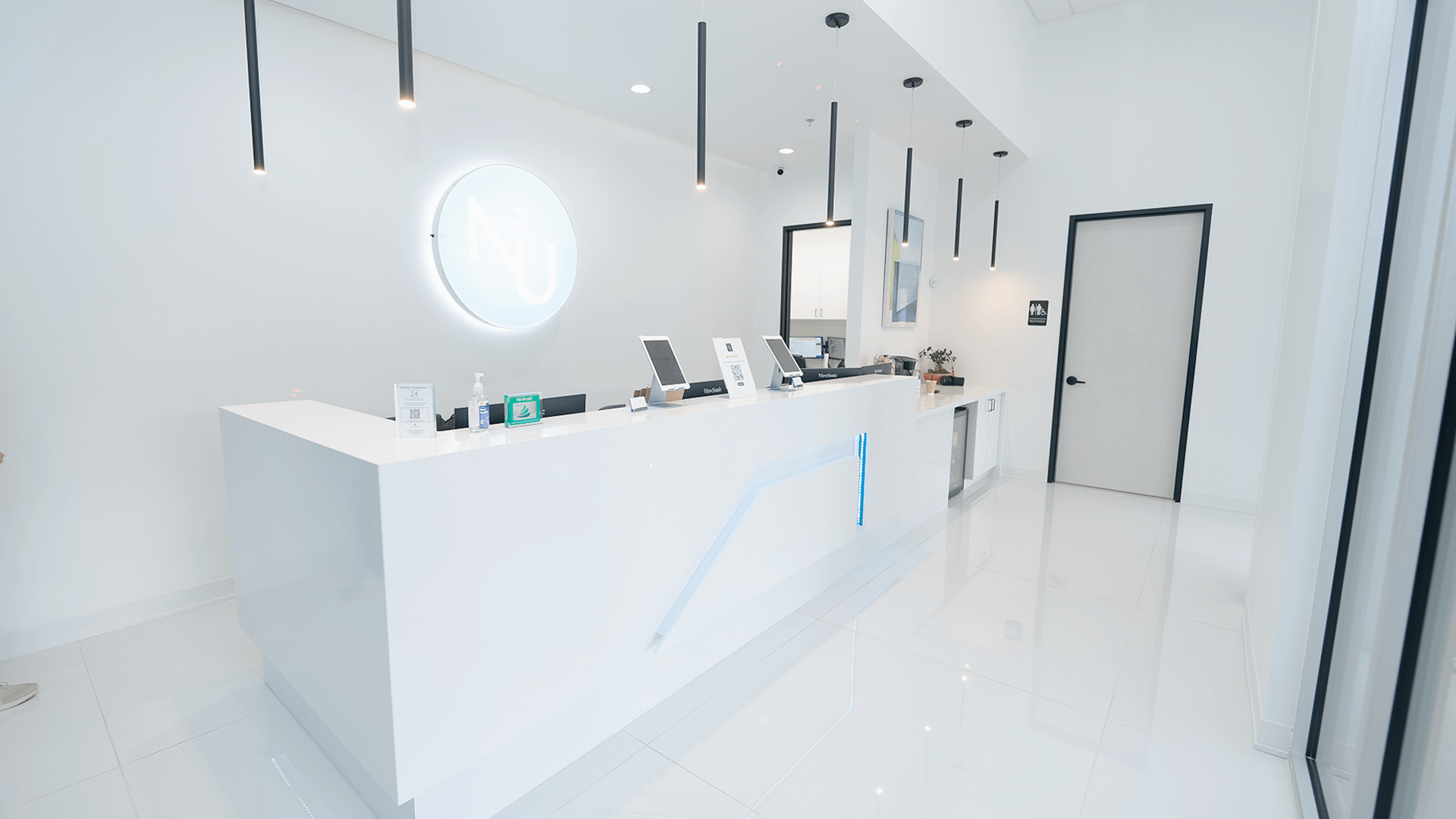
See what a visit to our modern, state-of-the-art dentist office is like!









Monday 9am - 6pm
Wednesday 9am - 6pm
Friday 9am - 6pm
Saturday 9am - 3pm
Check out what our patients are saying in Cypress, TX


“The Best Dentist In Cypress, Texas”
We have been looking for a family dentist for a long time, we have tried a bunch of places but nothing felt quite like home. Not too long ago we stumbled upon Nu Dentistry and met Dr. Ali. Not only was he professional, kind, and gentle, but he always finds a way to fit us in when we need an appointment. He’s also pretty funny! I appreciate that he takes the time to explain what he’s doing, before he does it. That really puts me at ease.

“Never Thought I'd Say It”
I never thought I’d say it, but going to the dentist is actually fun now. I recently came in for a root canal, and I got to sit back and catch up on Stranger Things without any pain!

“Anxiety Has Kept Me Away ”
I usually have such huge anxiety when I go to a dentist appointment, which means I always put off visits until the last minute to disastrous consequences. However, Dr. Loggins helped me with sedation, so the entire process was a breeze!
“The Best Dentist In Cypress, Texas”
We have been looking for a family dentist for a long time, we have tried a bunch of places but nothing felt quite like home. Not too long ago we stumbled upon Nu Dentistry and met Dr. Ali. Not only was he professional, kind, and gentle, but he always finds a way to fit us in when we need an appointment. He’s also pretty funny! I appreciate that he takes the time to explain what he’s doing, before he does it. That really puts me at ease.
“Never Thought I'd Say It”
I never thought I’d say it, but going to the dentist is actually fun now. I recently came in for a root canal, and I got to sit back and catch up on Stranger Things without any pain!
We are proud members of these dental organizations and accreditations


We are dedicated to providing you with only the best quality dental care


