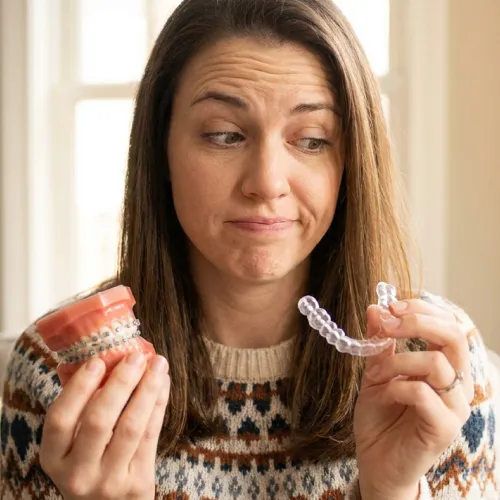
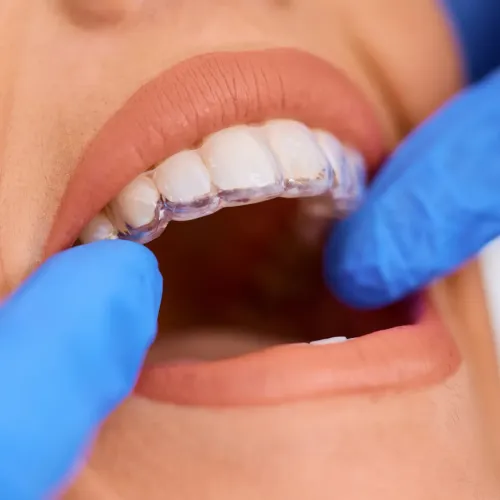
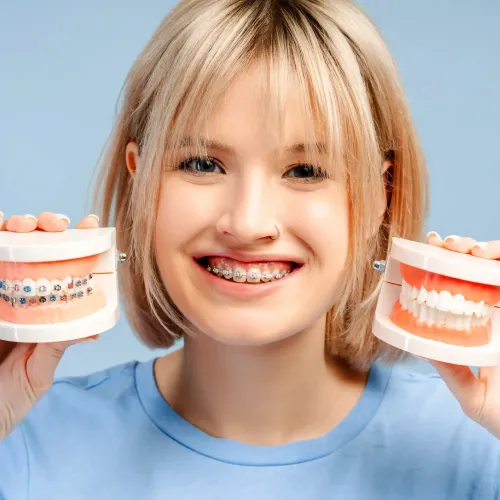
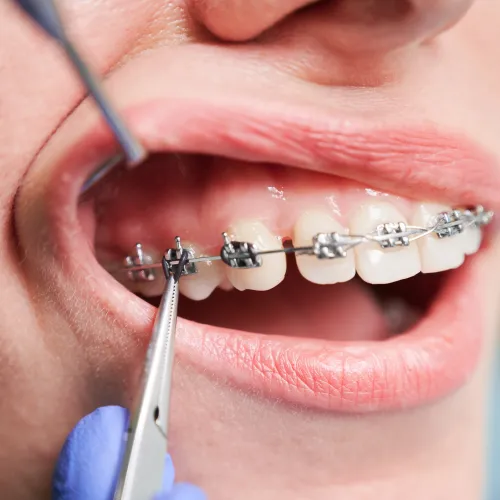
Braces vs. Invisalign: Which Is Actually Better for Complex Bites?
Are braces or Invisalign better for complex bites? Compare clear aligners and traditional braces to find your best fit. Book a consultation in Cypress today!
Read More

Restorative Dentistry
Most of us have been there – staring at our reflection, wondering why that little black spot has appeared even though we've been diligent with our dental care. From "Why me?" to "What now?", we all have pressing questions about cavities. In this light-hearted yet informative guide, we'll dive deep into the world of dental dilemmas. Whether you're a brushing enthusiast or someone who occasionally forgets the floss, this is for you. By the end, you'll not only understand the sneaky nature of cavities but also have the knowledge to keep them at bay.
You brush. You floss. Yet, sometimes, those pesky cavities sneak up on you. But why?
Dental Care Nuances: Not all brushing and flossing techniques are effective. Spending two minutes brushing is ideal. Ensure you’re reaching every corner of your mouth, especially those back molars.
Dietary Choices: Sugars are the favorites for cavity-causing bacteria. But it's not just about candies. Breads, cereals, and fruits, if left to linger on teeth, can lead to decay. Always rinse or brush after consuming them.
Acidity Matters: Acidic foods and drinks (think sodas and citrus fruits) weaken tooth enamel. Over time, this makes teeth more prone to cavities.
Saliva Production: Saliva acts as a natural defense against cavities. Dry mouth can increase your risk. This might be due to medications, age, or medical conditions.
In essence, regular dental care and dietary vigilance are your first line of defense.
You might think a tiny cavity isn’t a big deal. Think again.
Deeper Tooth Decay: What starts as a minor cavity can penetrate deeper layers of your tooth, leading to severe pain.
Infections and Abscesses: If decay reaches the tooth's pulp, bacteria can cause an infection. An abscess, or a pus-filled pocket, might form at the tooth's base.
Tooth Loss: Severe decay can weaken the tooth, making it susceptible to breakage or loss.
Affecting Neighboring Teeth: Decay can spread. Adjacent teeth might start showing signs of cavities if one tooth is severely decayed.
In the long run, it's far simpler and cost-effective to address a cavity when it's small.
In the very early stages, it's possible to halt and even reverse tooth decay. However, once it forms a physical cavity, it can't heal on its own.
Fluoride Treatment: Enter fluoride, a tooth's best friend in these trying times. Fluoride treatments can be a game-changer, especially in the early stages. It aids in the process of remineralization, where lost minerals are restored to the tooth surface. Regular use of fluoride toothpaste or mouthwash can play a significant role in this healing journey.
Dietary Changes: Nutrition, as in many health-related scenarios, plays a pivotal role. Consuming foods rich in calcium and phosphorus is beneficial for strengthening your tooth enamel. Cheese, for instance, not only contains calcium but also prompts saliva production which is another defense against decay. Leafy greens, on the other hand, are filled with minerals and vitamins that promote oral health. Almonds are a crunchy snack that packs a punch with both calcium and phosphorus.
When Prevention Isn't Enough: Despite our best efforts, sometimes decay progresses, leading to a full-fledged cavity. Once there's an actual hole in the tooth, the damage is irreversible by natural means. This is when professional intervention becomes vital. Fillings, made of various materials like composite resin or amalgam, are used to 'fill' these holes and prevent further decay. In cases of larger cavities, crowns might be needed to restore the tooth's structure.
In conclusion, while the initial stages of tooth decay can be countered with vigilant care and positive lifestyle changes, advanced decay demands professional attention. Keeping regular dental check-ups can help in catching cavities early, making the treatment process smoother and more effective. Remember, it's not just about having a pretty smile; it's about keeping your teeth healthy and functional for a lifetime.
There’s a lot of info out there about "healing" cavities naturally. While some home remedies can be preventive, none can "cure" an existing cavity.
Oil Pulling: An ancient practice involving swishing coconut or sesame oil in the mouth. It's believed to draw out toxins and bacteria. However, while it might help with overall oral hygiene, it's not a substitute for professional cavity treatment.
Dietary Improvements: As mentioned, a diet rich in calcium, phosphorus, and vitamin D can strengthen teeth, but won't fix a hole.
The bottom line? For actual cavities, always consult a dentist.
A decayed tooth might show:
White Spots: Think of these as the warning lights on your car's dashboard. They are early signs of mineral loss and enamel breakdown. It’s the tooth’s way of telling you something is not right, and it's possibly at the beginning stages of a cavity.
Brown or Black Spots: If the white spots are the warning lights, brown or black spots are the alarming siren. This color change indicates more advanced decay. It means that the bacteria have been hard at work, and it's time you intervene!
Pits or Holes: You know it's serious when you can physically feel or see a hole in your tooth. At this stage, the decay has created a cavity that has eaten through your tooth's protective enamel and is on its way to the inner layers.
Sensitivity or Pain: This is your tooth's SOS signal. Especially when consuming hot, cold, or sweet foods, you might experience a sharp sting or a dull ache. This discomfort is due to the decay nearing or reaching the tooth's nerve. Listen to your tooth; it's telling you it needs help!
Now, you might wonder, "How can I catch these signs before they escalate?" The answer is simple - regular dental check-ups. Not only will they help in spotting these early warning signs, but they will also provide preventive measures to ensure your smile remains bright and healthy. Remember, early detection is always better than late intervention.
If you're frequently facing cavities:
Re-Evaluate Oral Care: Perhaps your techniques aren't effective.
Genetics: Some people are genetically predisposed to cavities.
Regular Dental Visits: Twice-yearly check-ups can identify problems before they escalate.
Remember, your teeth deserve the best. Regular dental check-ups ensure they remain in top shape. Considering a consultation? Our clinic is always here to help. Schedule now!


// NU DENTISTRY IN Cypress, Texas
SEE WHAT A VISIT TO OUR MODERN, STATE-OF-THE-ART DENTIST OFFICE IS LIKE















Monday 9am - 6pm
Wednesday 9am - 6pm
Friday 9am - 6pm
Saturday 9am - 3pm
8940 Barker Cypress Rd. Cypress, TX 77433
3201 N. Shepherd Dr. Suite 113, Houston, TX 77018
8145 Highway 6, Building B #200, Missouri City, TX 77459
11115 W Grand Parkway S, Suite 140, Richmond, TX 77407
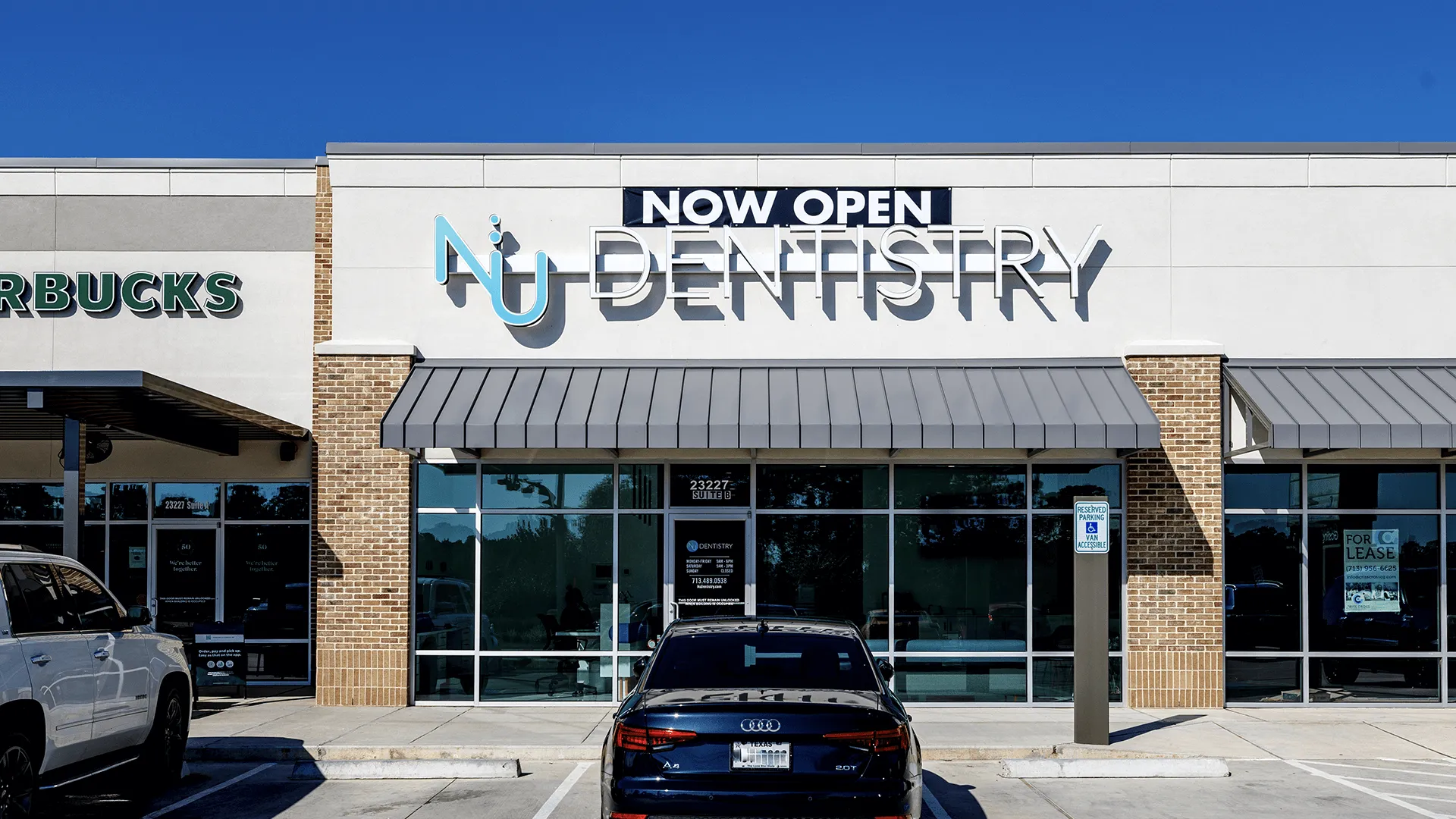
23227 Gosling Rd. Suite B, Spring, TX 77389
5706 San Felipe St. Ste B-300, Houston, TX 77057
// PATIENT TESTIMONIALS Cypress, TX
CHECK OUT WHAT OUR PATIENTS ARE SAYING IN CYPRESS, TX




// CARING DENTISTS Cypress, TX
OUR SOCIALS
FOLLOW US ON THESE SOCIAL MEDIA PLATFORMS