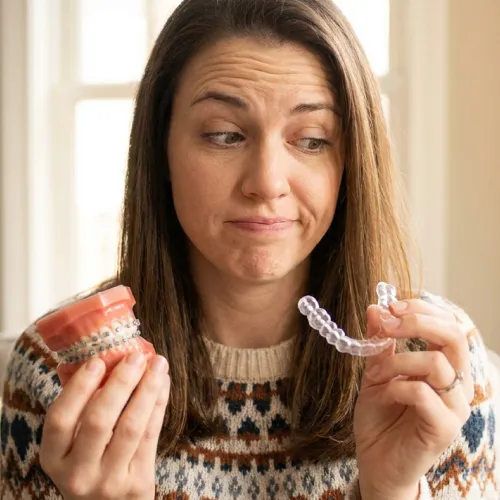
Braces vs. Invisalign: Which Is Actually Better for Complex Bites?
Are braces or Invisalign better for complex bites? Compare clear aligners and traditional braces to find your best fit. Book a consultation in Cypress today!
Read More

Cosmetic Dentistry, Teeth Straightening
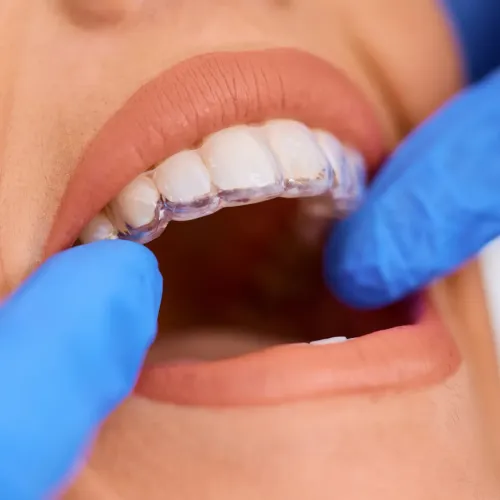
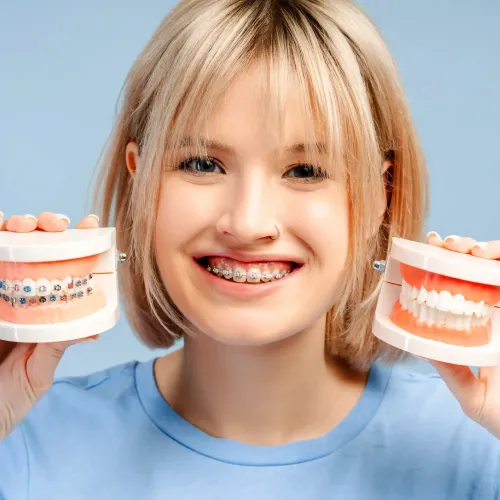
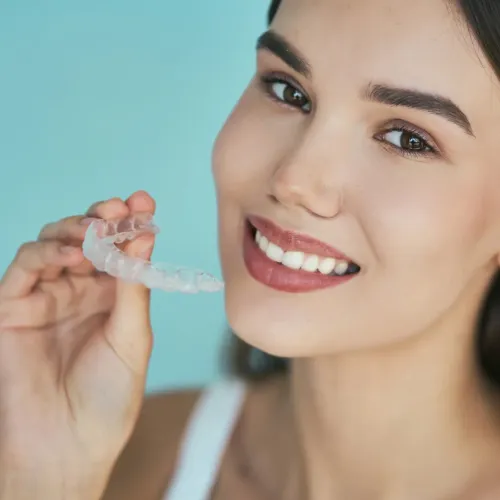
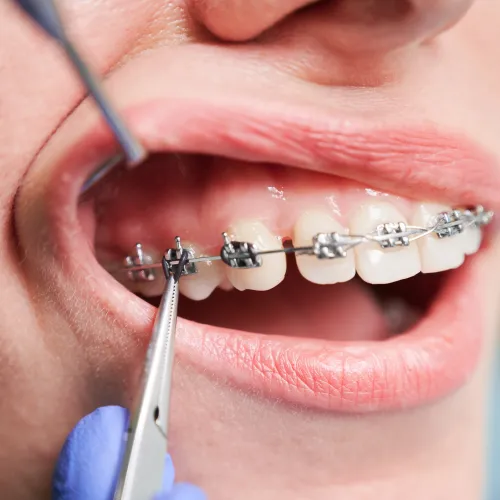
Clear aligners and traditional braces each have distinct mechanical strengths, and the right choice depends entirely on your bite's complexity. Some movements Invisalign handles well — others require fixed brackets, or a strategic combination of both.
For Cypress-area patients, there's a side effect of clear aligner therapy that rarely makes it into comparison articles: posterior open bite. When plastic trays rest between your molars for 20 to 22 hours a day, those back teeth can intrude — meaning they're slowly pushed upward into the jaw rather than left in place. You finish treatment with straighter front teeth, but your molars no longer meet properly when you chew.
This isn't a rare edge case. Patients with deep bites or complex occlusion are particularly vulnerable. The biomechanics are straightforward: aligner plastic acts as a bite plate, and sustained molar contact with that plastic creates intrusive forces the treatment plan never accounted for. Orthodontists managing this complication often have to cut away portions of the aligner material over the molar region, switch to sectional metal brackets for targeted correction, or extend treatment significantly to re-establish chewing contact.
It's worth asking your provider directly about this risk before committing to aligners — especially if your bite is already deep.
Most articles say "braces are better for severe cases" and stop there. That's not very useful. Understanding why matters more.
Clear aligners excel at tipping crowns — moving the visible part of a tooth in a specific direction. Where they lose predictability is bodily root translation, also called torque. Moving a root apex (the bottom tip of a root) through bone requires sustained, multi-vector force that a removable plastic tray can't reliably deliver. A Healthline overview of Invisalign effectiveness acknowledges that the complexity of orthodontic issues directly affects how well aligners perform.
Three specific clinical scenarios are where aligner predictability drops significantly:
If your case involves any of these three scenarios, that's when a provider conversation about dental braces — or a hybrid approach — becomes essential.
Here's what many patients never learn: you don't have to choose exclusively between two years of full metal braces and a complete Invisalign series. A hybrid protocol uses targeted sectional brackets — sometimes combined with TADs (temporary anchorage devices) — for a focused phase of four to six months to resolve the difficult root movements or impacted teeth. Once that work is done, the patient transitions directly to clear aligners to complete alignment and finishing.
This approach means a patient with a complex bite doesn't have to endure a full course of traditional braces. The brackets do the heavy mechanical work they're uniquely suited for. The aligners take over for the refinement phase where they perform best.
According to Healthline's comparison of aligners vs. braces, traditional braces allow for more precise control and are often necessary for complex malocclusion challenges — which is exactly the logic the hybrid model is built around.
For mild to moderate crowding, spacing, and bite issues, clear aligners are genuinely competitive with braces. As Healthline's overview of Invisalign notes, treatment timelines range from six months to two years depending on case severity — comparable to traditional braces for appropriate candidates.
The practical advantages are real. Aligners are removable for eating and brushing, significantly reducing the cavity risk that comes with brackets trapping food. They cause less soft tissue irritation. And for adults in professional settings, the low profile of clear plastic is a meaningful quality-of-life factor. Maintaining good oral health throughout treatment — including regular cleaning and exam appointments — helps prevent issues like gum disease gingivitis that can complicate any orthodontic treatment.
The American Association of Orthodontists, as cited through Healthline, describes Invisalign as designed to make treatment "less conspicuous" — which understates how significant that is for adult patients who delayed treatment for years because of how metal braces look.
The tradeoff is compliance. Aligners require 20–22 hours of daily wear. Removing them for more than two hours consistently will extend treatment — sometimes significantly. Braces work around the clock without any patient cooperation required, which is a genuine mechanical advantage for certain patients. Some patients also explore aesthetic dentistry options like porcelain veneers after completing orthodontic treatment to achieve their final smile goals.
The braces-vs.-Invisalign question doesn't have a universal answer — it has your answer, based on your specific bite, tooth positions, and goals. At Nu Dentistry Cypress, our Cypress, Texas team evaluates each case individually, including whether a hybrid protocol might give you the best outcome without committing to a single treatment path.
Schedule a consultation and get a clear picture of what your smile actually needs.
Medical disclaimer: This article is intended for informational purposes only and does not constitute professional dental or medical advice. Always consult a licensed dental provider for diagnosis and personalized treatment recommendations.

// NU DENTISTRY IN Cypress, Texas
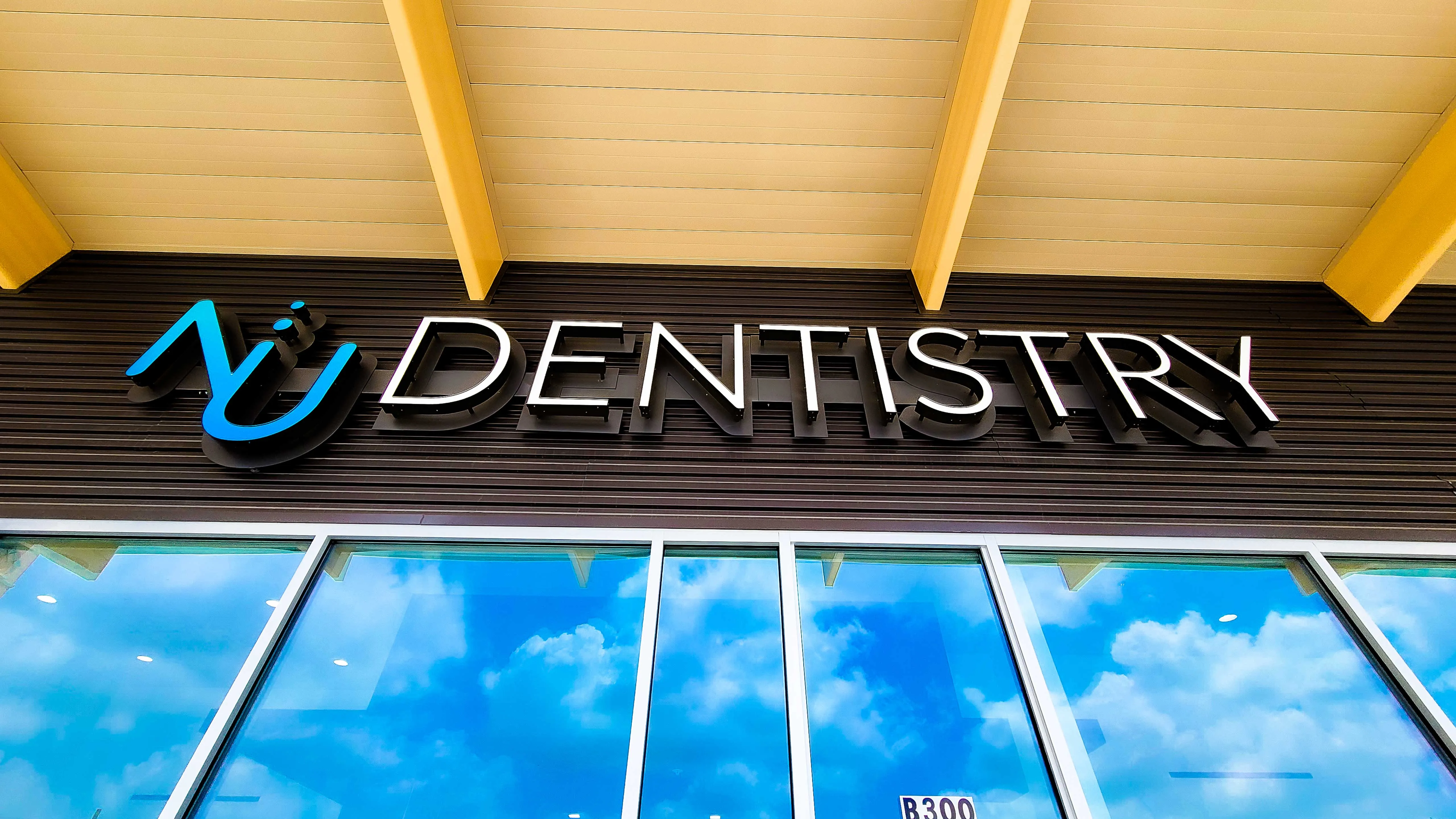
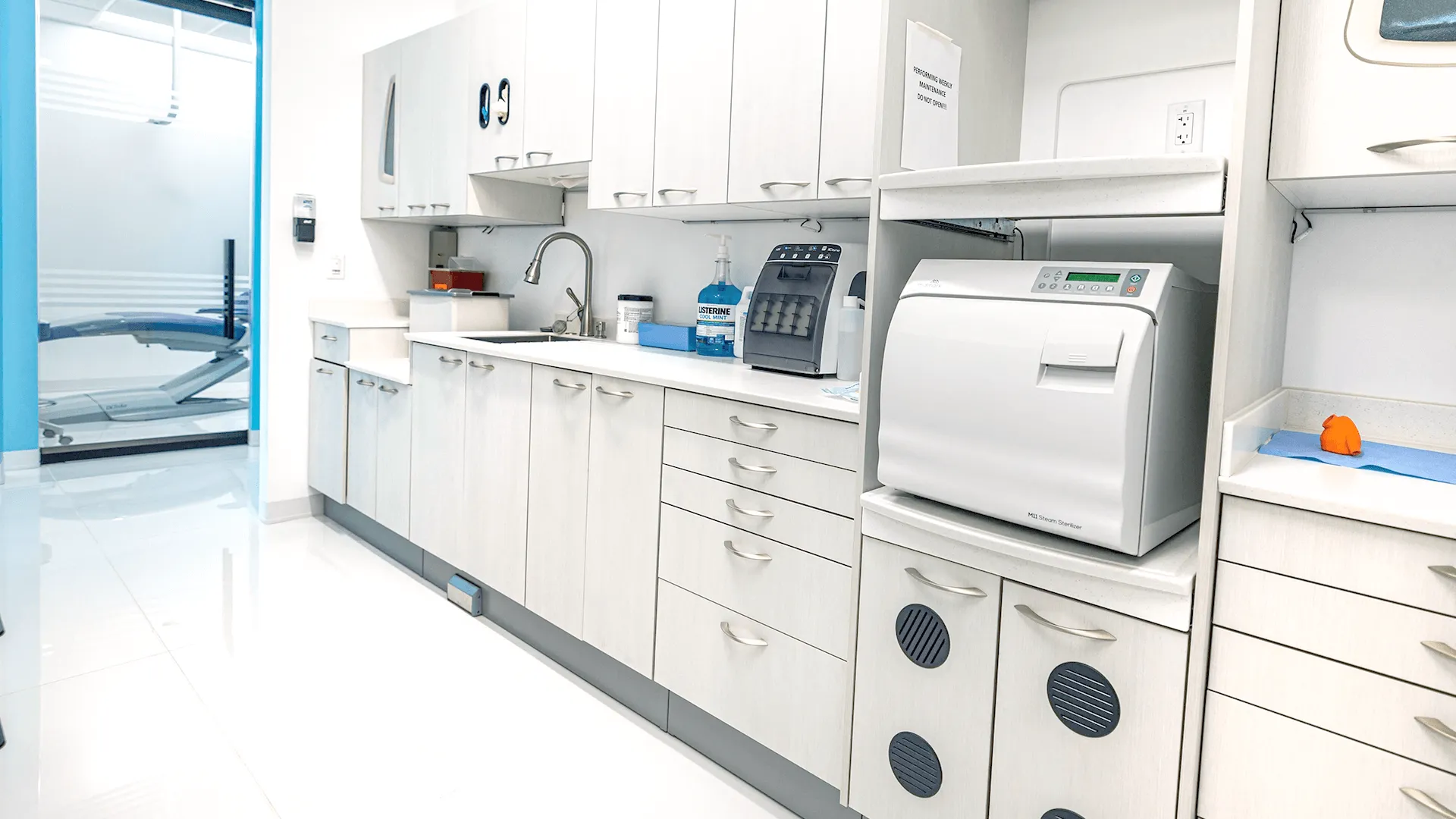
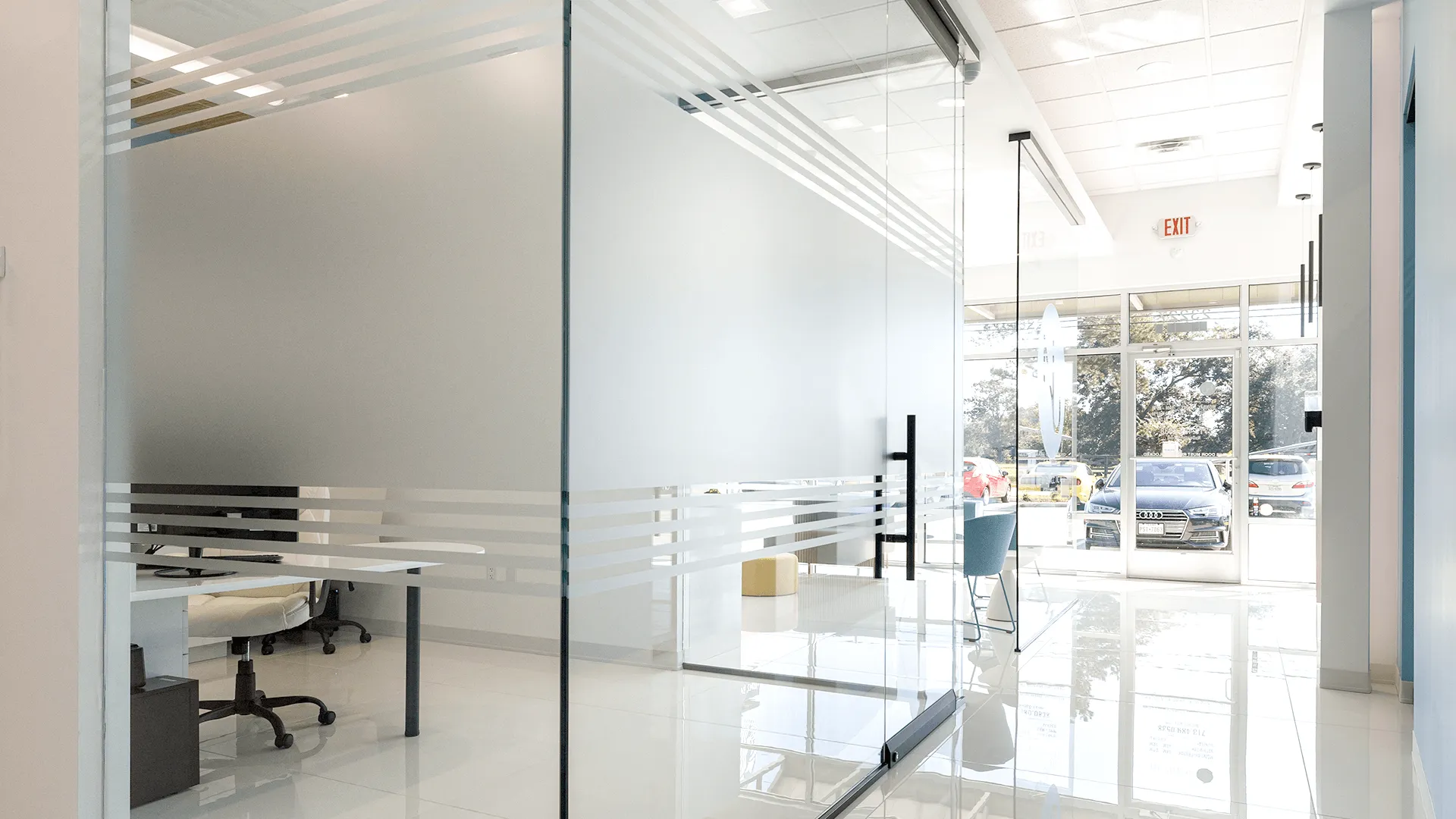
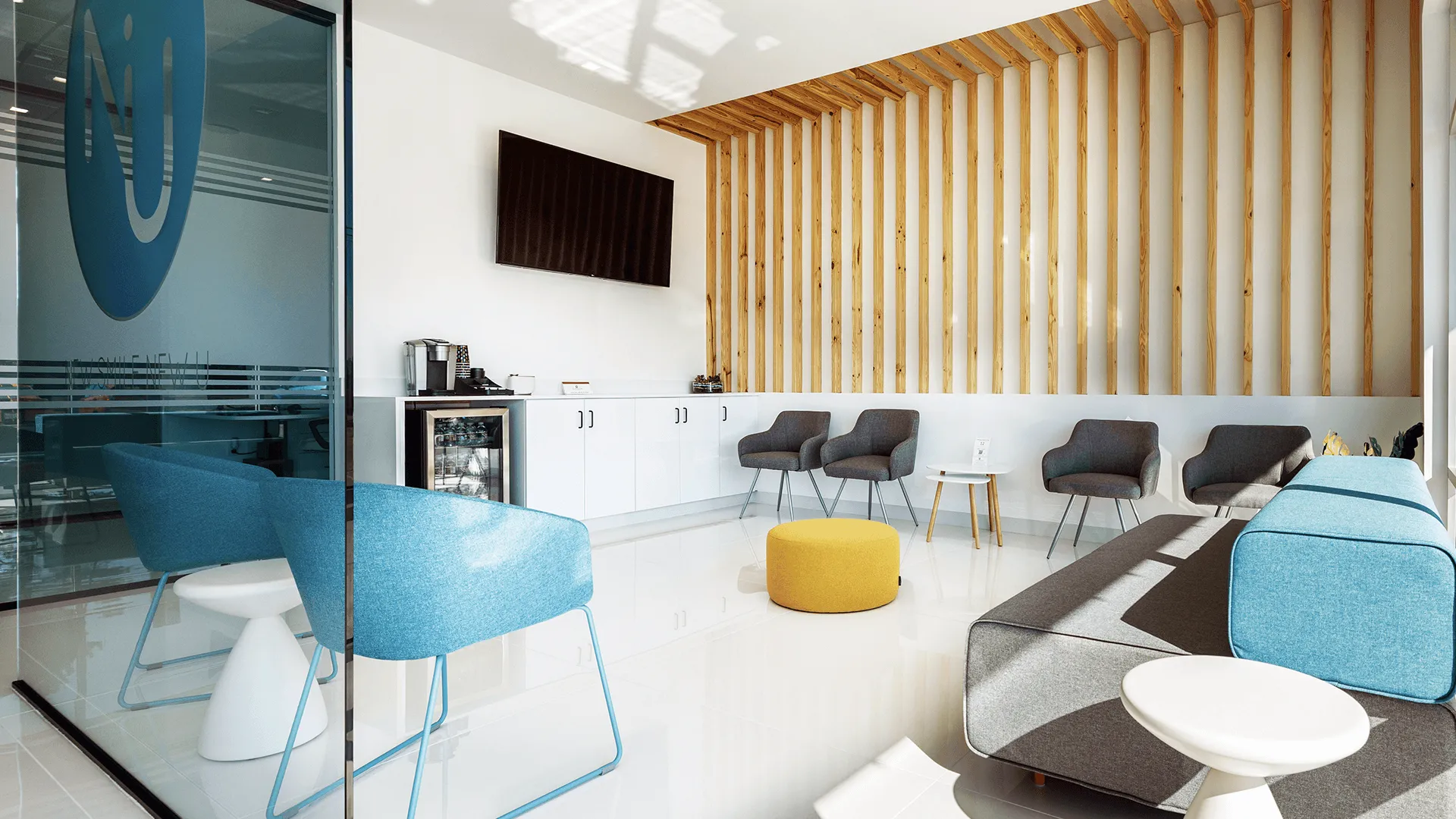
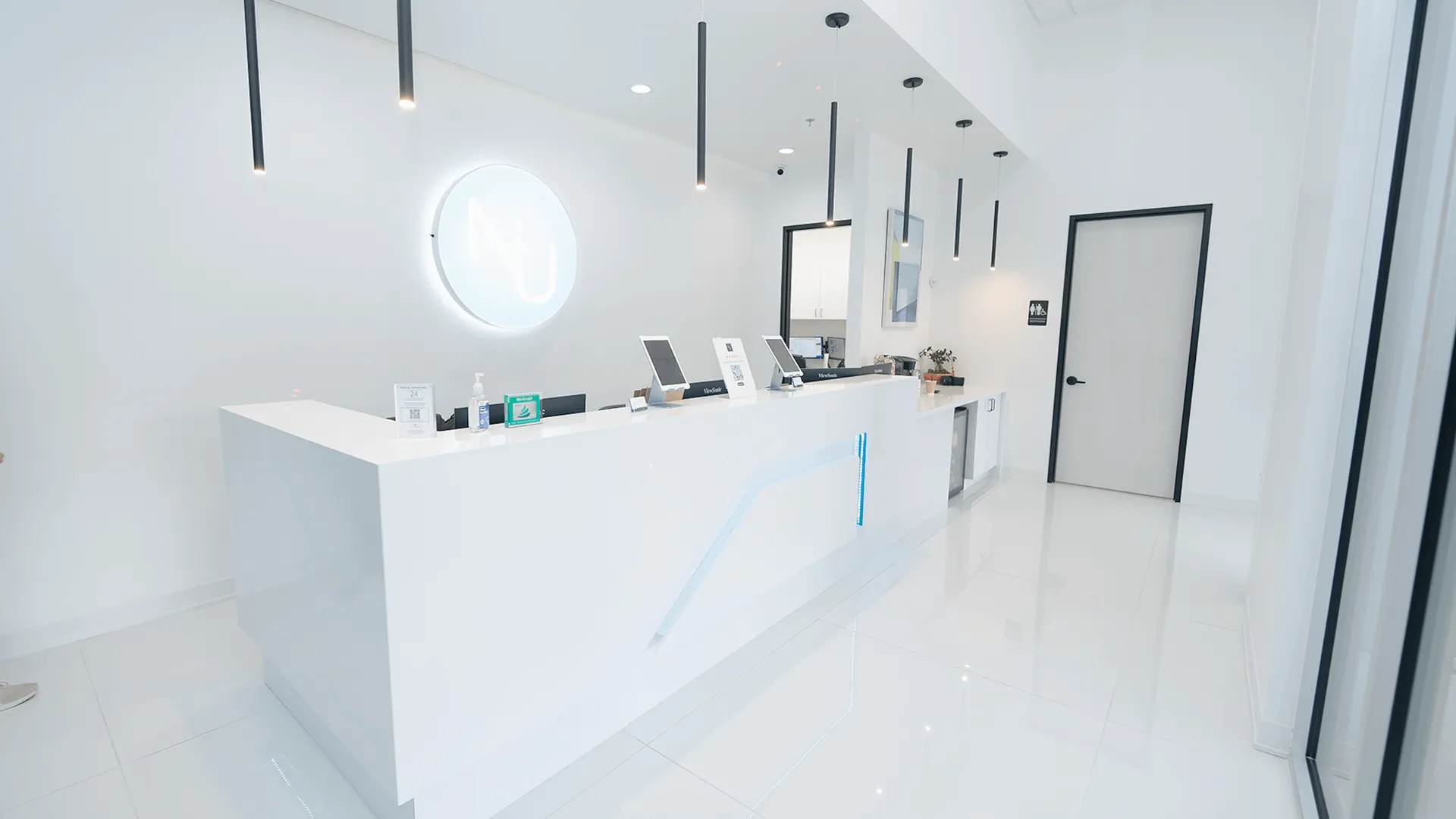
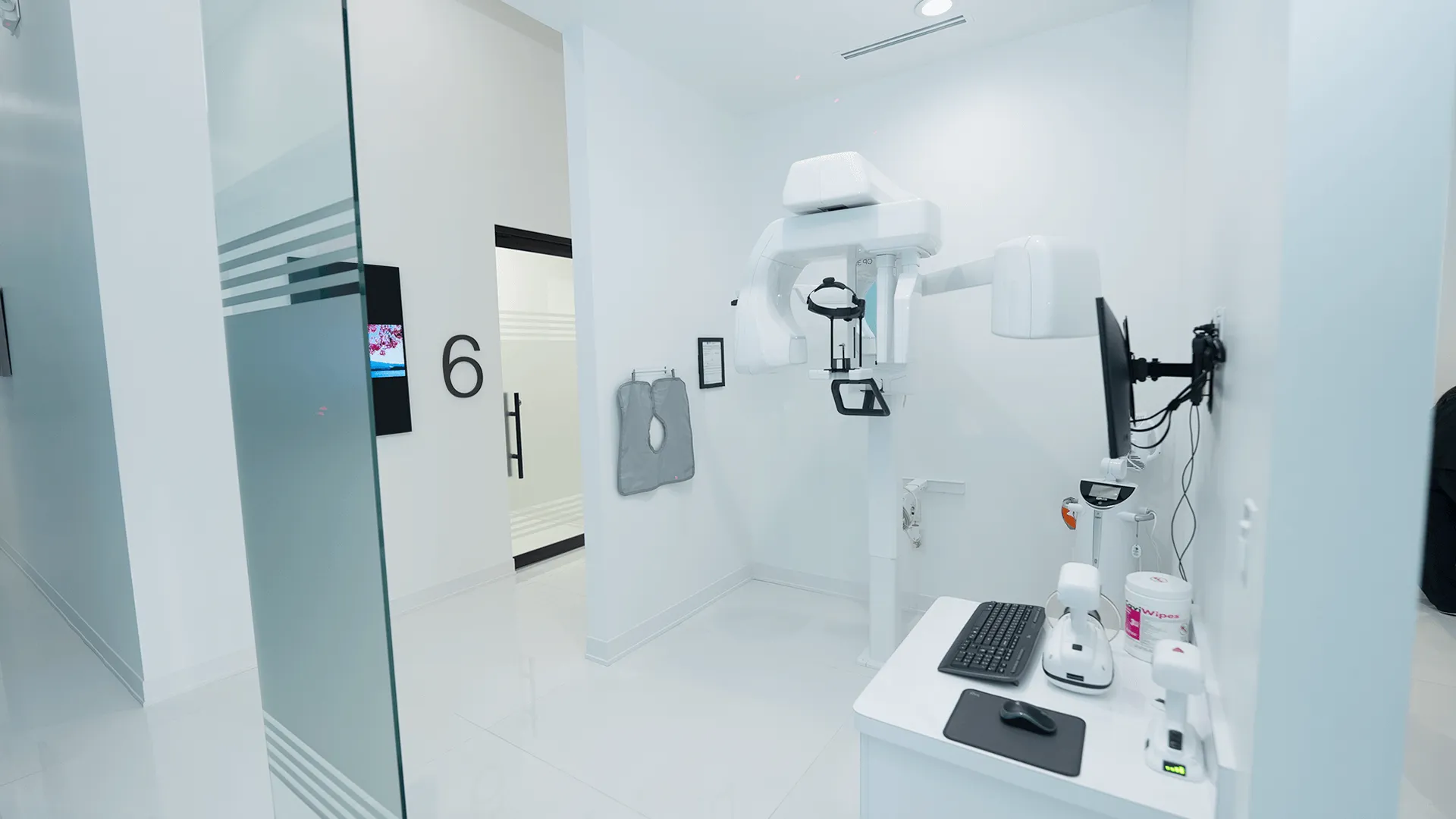
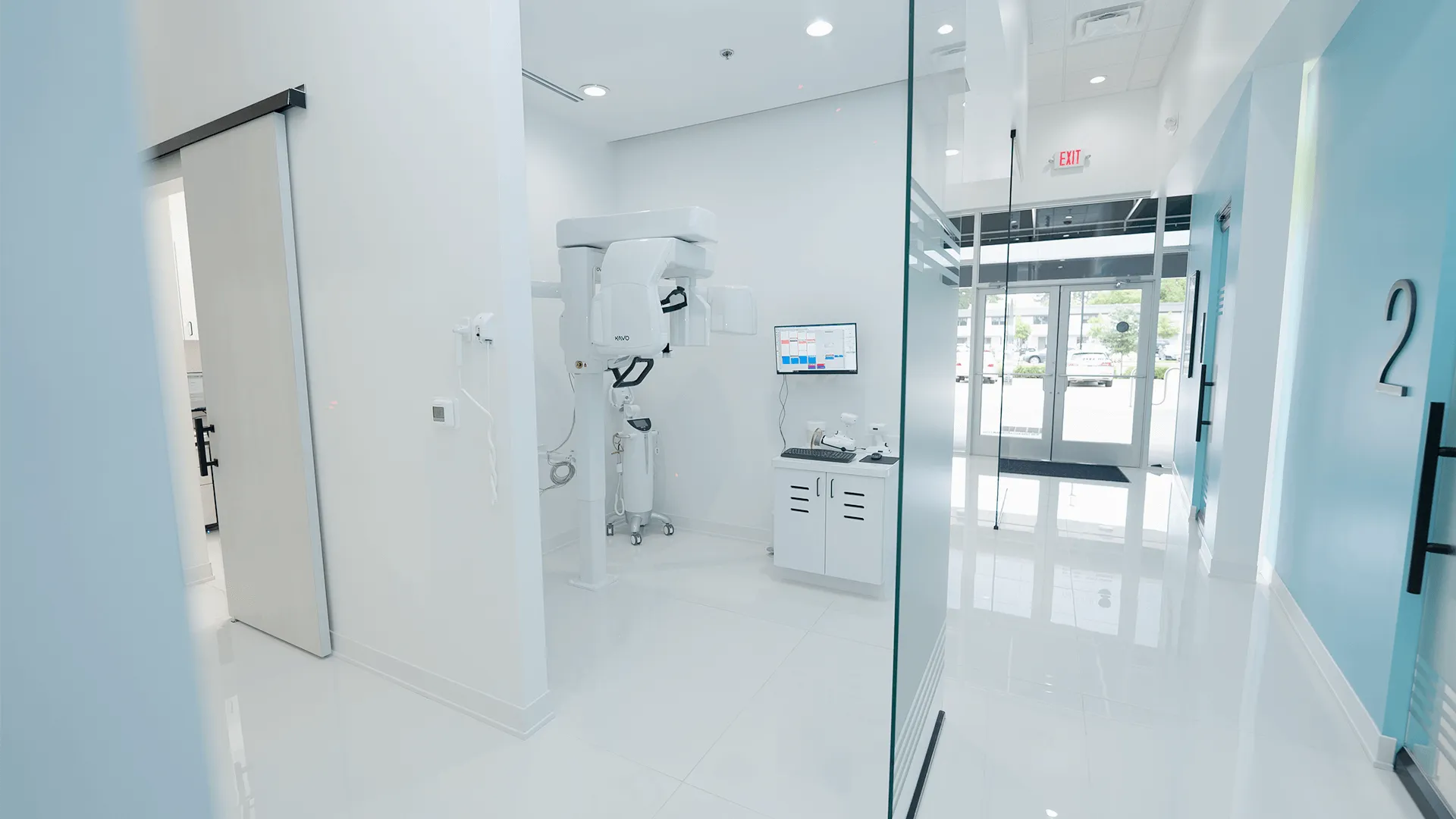
SEE WHAT A VISIT TO OUR MODERN, STATE-OF-THE-ART DENTIST OFFICE IS LIKE
Monday 9am - 6pm
Wednesday 9am - 6pm
Friday 9am - 6pm
Saturday 9am - 3pm
8940 Barker Cypress Rd. Cypress, TX 77433
3201 N. Shepherd Dr. Suite 113, Houston, TX 77018
8145 Highway 6, Building B #200, Missouri City, TX 77459
11115 W Grand Parkway S, Suite 140, Richmond, TX 77407
23227 Gosling Rd. Suite B, Spring, TX 77389
5706 San Felipe St. Ste B-300, Houston, TX 77057
// PATIENT TESTIMONIALS Cypress, TX
CHECK OUT WHAT OUR PATIENTS ARE SAYING IN CYPRESS, TX


// CARING DENTISTS Cypress, TX
OUR SOCIALS
FOLLOW US ON THESE SOCIAL MEDIA PLATFORMS