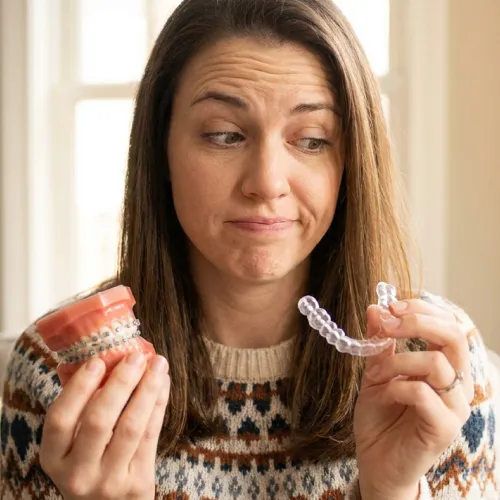
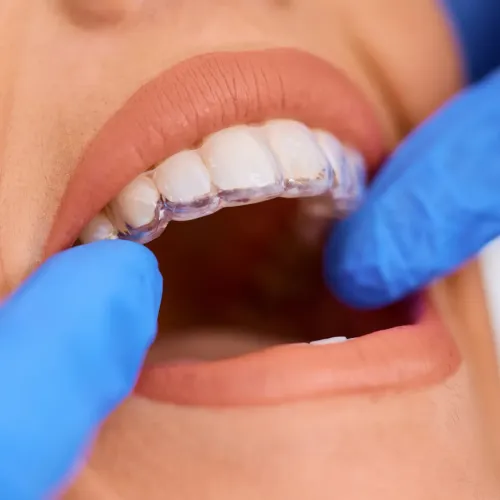
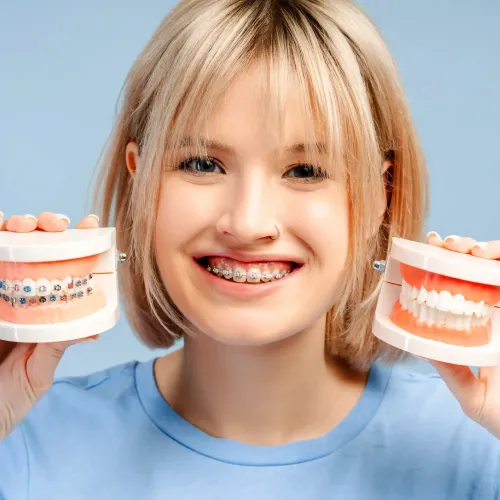
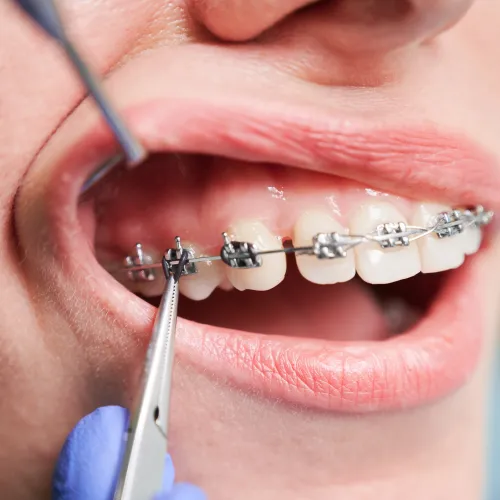
Braces vs. Invisalign: Which Is Actually Better for Complex Bites?
Are braces or Invisalign better for complex bites? Compare clear aligners and traditional braces to find your best fit. Book a consultation in Cypress today!
Read More

Emergency Dentistry
Gingivitis: a word that probably makes you feel a tinge of unease, and rightly so. It's one of those conditions that tend to fly under the radar, often discovered only during a routine dentist appointment. However, gingivitis deserves our full attention, and the sooner we get familiar with it, the better it is for our overall dental health. Let's dive right into the world of gingivitis and answer all those burning questions you may have.
Gingivitis is an early stage of gum disease that involves inflammation and infection of the gum tissues around your teeth. The culprit behind this condition? Dental plaque. Plaque is a sticky, colorless film of bacteria that constantly forms on our teeth and gums. If not regularly and effectively removed, this plaque can harden into tartar, leading to an environment that's conducive for more bacteria to thrive, and voilà, gingivitis is knocking on your door.
While the initial stages of gingivitis might not be accompanied by discomfort, don't let this fool you into complacency. Ignoring gingivitis can allow it to progress into a more severe form of gum disease called periodontitis, which can lead to tooth loss and more serious health problems.
The short answer is poor oral hygiene.
Brushing and flossing regularly are the golden rules of oral health, and they are fundamental in the fight against gingivitis. Every day, our mouths become a theater of operations for bacteria that form a sticky film on our teeth, known as plaque. This is a natural and ongoing process and not an immediate cause for alarm. But if we let this bacterial plaque have its way — if we don't regularly disrupt its party by brushing and flossing — it begins to harden into a substance called tartar. Tartar is not only tougher to remove than plaque, it's also a high-end, all-inclusive resort for even more bacteria.
Even though brushing and flossing are powerful weapons in our oral hygiene arsenal, they're not always sufficient by themselves. The landscape of gingivitis risk is dotted with other elements that go beyond your toothbrush and dental floss.
Smoking, for instance, is a major enemy in the battle for healthy gums. It interferes with the normal function of gum tissue cells, making your mouth more susceptible to infections like gingivitis. Moreover, smoking impairs blood flow, hindering the healing process of your gums and oral tissues.
Stress, that ever-present beast of our modern lives, has also been linked to gingivitis. When we're stressed, our body's immune response is weakened, making it harder to fight off the bacteria that can lead to gingivitis.
Hormonal changes, like those that occur during pregnancy or menopause, can also affect the health of your gums. These hormonal fluctuations can make your gums more sensitive, thus more vulnerable to gingivitis.
Certain medications, particularly those that affect saliva production, can increase your risk of developing gingivitis. Saliva plays a crucial role in maintaining a healthy mouth by controlling bacteria and rinsing away food particles. A decrease in saliva production can lead to a drier mouth, creating a breeding ground for bacteria.
Genetic predisposition also plays a part. Just as some people are more prone to cavities, others might be genetically predisposed to gingivitis. This doesn't mean that gingivitis is inevitable if it runs in your family, but it does mean you may need to be extra vigilant with your oral hygiene and regular dental visits.
Lastly, systemic illnesses that weaken your immune system, such as diabetes, can make you more susceptible to infections, including gingivitis. If you have a condition that affects your immune system, it's especially important to pay close attention to your oral health.
Treating gingivitis revolves around two main goals: controlling the infection and preventing further plaque and tartar buildup. This typically involves a two-pronged approach — professional dental treatment and home care.
A professional dental cleaning is the first step. This treatment, often referred to as scaling and root planing, removes the plaque and tartar buildup from your teeth and gums, particularly from the pockets around your teeth. Depending on the severity of your gingivitis, your dentist may recommend more than one cleaning session.
The second aspect is your at-home dental routine. Your dentist will provide detailed instructions on proper brushing and flossing techniques to ensure effective plaque removal. They might also recommend specific toothpastes and mouth rinses to help control bacteria and plaque.
The good news is, with effective treatment, you can often reverse gingivitis. However, the length of time it takes varies and depends on several factors. These include the severity of the condition, how long you've had gingivitis, how well you adhere to your dentist's instructions, and your overall health. Typically, with consistent and proper oral hygiene, you can start to see improvements within a few weeks to a few months.
Remember, while it's great that gingivitis can be reversed, the primary goal should be prevention. An ounce of prevention, as they say, is worth a pound of cure. Maintaining a regular oral hygiene routine and scheduling regular dental check-ups will go a long way in keeping your gums healthy and happy.
Understanding gingivitis is the first step towards maintaining a healthy smile. Remember, your mouth is a window to your overall health. When you take care of your gums, you're not just preserving your beautiful smile, but also potentially warding off other health issues down the line.
Preventing gingivitis is in your hands (and in your mouth). Brush, floss, rinse, and don't forget those dental check-ups. Early detection and treatment of gingivitis are critical to preventing its progression to more severe gum disease.
If you're worried about your gums or if it's been a while since your last dental check-up, don't hesitate to reach out. We are here to help. We believe in the power of information and preventative care. Schedule a consultation today and let's work together in keeping your smile bright and healthy.


// NU DENTISTRY IN Cypress, Texas
SEE WHAT A VISIT TO OUR MODERN, STATE-OF-THE-ART DENTIST OFFICE IS LIKE















Monday 9am - 6pm
Wednesday 9am - 6pm
Friday 9am - 6pm
Saturday 9am - 3pm
8940 Barker Cypress Rd. Cypress, TX 77433
3201 N. Shepherd Dr. Suite 113, Houston, TX 77018
8145 Highway 6, Building B #200, Missouri City, TX 77459
11115 W Grand Parkway S, Suite 140, Richmond, TX 77407
23227 Gosling Rd. Suite B, Spring, TX 77389
5706 San Felipe St. Ste B-300, Houston, TX 77057
// PATIENT TESTIMONIALS Cypress, TX
CHECK OUT WHAT OUR PATIENTS ARE SAYING IN CYPRESS, TX




// CARING DENTISTS Cypress, TX
OUR SOCIALS
FOLLOW US ON THESE SOCIAL MEDIA PLATFORMS