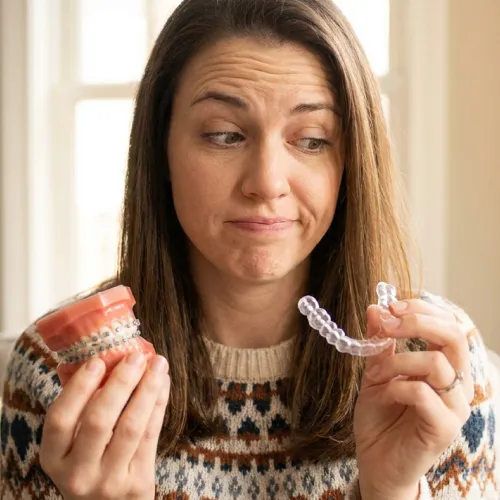
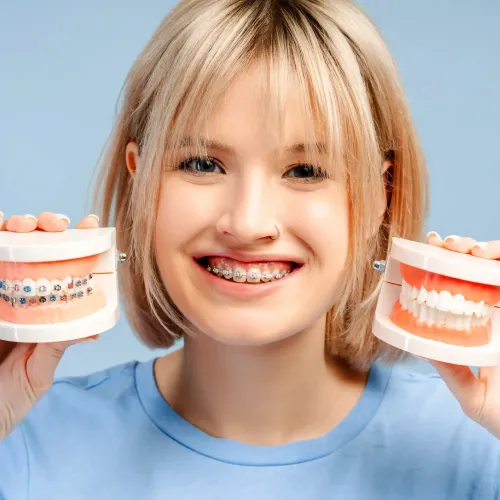
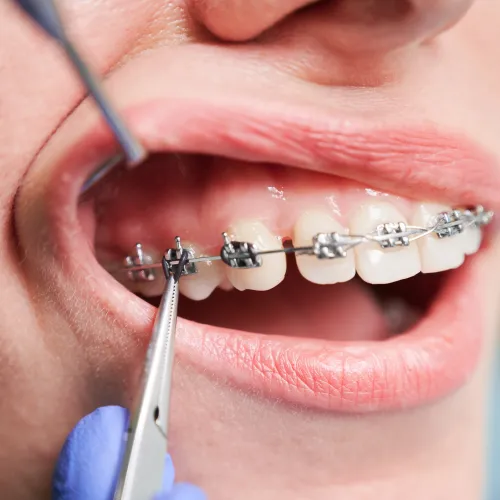
Braces vs. Invisalign: Which Is Actually Better for Complex Bites?
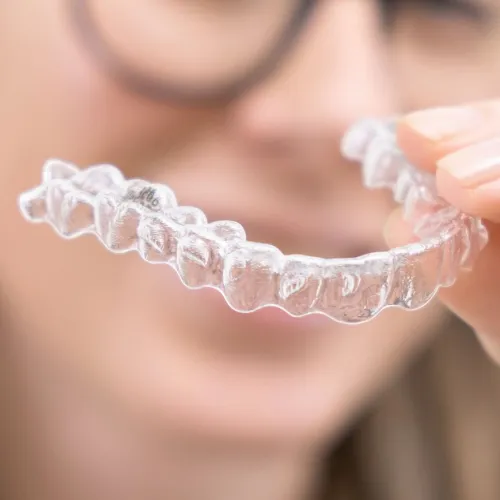
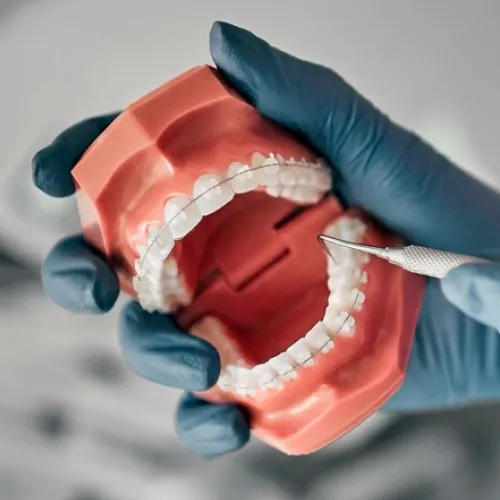
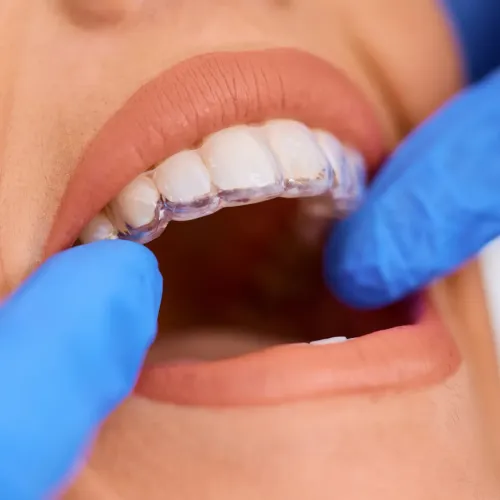
Are braces or Invisalign better for complex bites? Compare clear aligners and traditional braces to find your best fit. Book a consultation in Cypress today!
Read More

General Dentistry
Choosing the right dental insurance can seem like a daunting task. With so many different providers, plans, and coverage options, it’s easy to feel overwhelmed. But don't worry, we've got you covered! In this blog post, we’ll break down the steps to choosing dental insurance and answer some common questions along the way.
First and foremost, don't fret if you find yourself without dental insurance. It happens more often than you might think, perhaps due to transitioning between jobs, starting your own business, aging out of a parent's insurance, or simply falling off coverage for other reasons. It's important to realize there's no need to panic - there are still plenty of ways you can ensure your oral health is maintained.
Dental Discount Plans: This is one excellent alternative. While not dental insurance per se, these plans can offer significant savings on dental costs. By paying an annual or monthly fee, you gain access to a network of dentists offering services at reduced rates. It's a great option if you're seeking affordability without the commitment of an insurance plan.
Out-of-Pocket Payment: Opting to pay for dental services directly out of pocket is another route, although it's essential to be aware that costs can mount quickly, particularly if you require more than just basic preventive care. Be sure to speak with your dentist about potential payment plans or sliding scale fees if this is your preferred choice.
Public Programs: Many public programs exist to provide dental coverage for individuals in certain circumstances. Depending on your income, age, and location, you may qualify for programs like Medicaid or the Children’s Health Insurance Program (CHIP). These can be life-savers in ensuring you receive the necessary dental care without causing a significant financial strain.
Charitable Clinics and Dental Schools: Various charitable organizations offer free or low-cost dental care. Similarly, dental schools often provide treatments at a reduced rate as part of their training programs. Both of these options can be worth investigating if you find yourself uninsured.
To simplify this process, we've compiled a comprehensive checklist to guide you on your journey to optimal oral health coverage:
Preventive care typically includes services like routine exams, cleanings, and X-rays. These are usually covered at 100%.
Basic procedures generally cover treatments like fillings, extractions, and periodontal treatment, and are often covered at around 80%.
Major procedures include more complex treatments such as crowns, bridges, dentures, and root canals, which tend to be covered at around 50%.
Always read the fine print to understand the extent of the coverage and to see if any procedures are excluded from the policy.
Deductible: The deductible is the amount you have to pay out-of-pocket for your dental care before your insurance kicks in. Dental insurance plans can have low or high deductibles, and the one you choose should balance well with your financial capacity. Remember, a lower deductible typically means higher monthly premiums and vice versa.
Maximums: Most dental insurance plans have an annual maximum, which is the most the insurance will pay for your dental work in a year. Once you reach this limit, the remaining costs are your responsibility. When reviewing a plan, consider your dental health needs. If you anticipate needing expensive or multiple treatments, a higher maximum can be beneficial.
Network: Dental insurance plans often come with a network of providers. Under a plan, you may pay less when you visit dentists in the network. So, it's crucial to check if your preferred dentist is in-network. If not, you may need to choose a new dentist or be prepared to pay more out of pocket.
Waiting Period: Some dental insurance plans have waiting periods for certain procedures. This means you may need to wait, typically between six months to a year, before you can access coverage for these treatments. If you need immediate dental care, you might want to look for a plan without a waiting period or with a shorter one.
Cost: Lastly, but very importantly, consider the cost of the dental insurance plan. This includes the monthly premium you'll pay for the policy itself and the copayment you'll make at the time of service. Additionally, take note of the coinsurance - the percentage of costs you'll pay for treatments after you've met your deductible. You need to ensure the cost of the plan aligns with your budget, and you feel confident you are getting value for your money.
Remember, choosing the right dental insurance plan is about balancing your oral health needs with your financial situation. Each of these factors plays a key role, and none should be overlooked when deciding on the best dental insurance for you.
As with most things, the "best" kind of dental insurance depends on your unique needs and circumstances. However, there are three main types of dental insurance:
Preferred Provider Organizations (PPOs): PPOs have a network of dentists that you can choose from. If you go to a dentist outside of this network, you might have to pay more.
Health Maintenance Organizations (HMOs): HMOs usually have lower premiums than PPOs, but you have a limited choice of dentists, and you may need referrals for specialists.
Indemnity Plans: Indemnity plans give you the freedom to visit any dentist, but they typically have higher premiums and deductibles than other plans.
When deciding what type of insurance is best for you, consider factors such as your budget, whether you have a preferred dentist, and how much flexibility you want in choosing dental providers.
Choosing dental insurance is an important step in maintaining your oral health. While it may seem daunting at first, knowing what to look for and understanding your options can help make the process easier. Remember, the best dental insurance plan for you is one that meets your unique needs and fits into your budget.
Here at our dental clinic, we understand that every patient is different, and we are more than happy to help you navigate the world of dental insurance. If you're feeling overwhelmed or just need some advice, we encourage you to schedule a consultation with our team. Let us help you take care of your smile!



// NU DENTISTRY IN Cypress, Texas
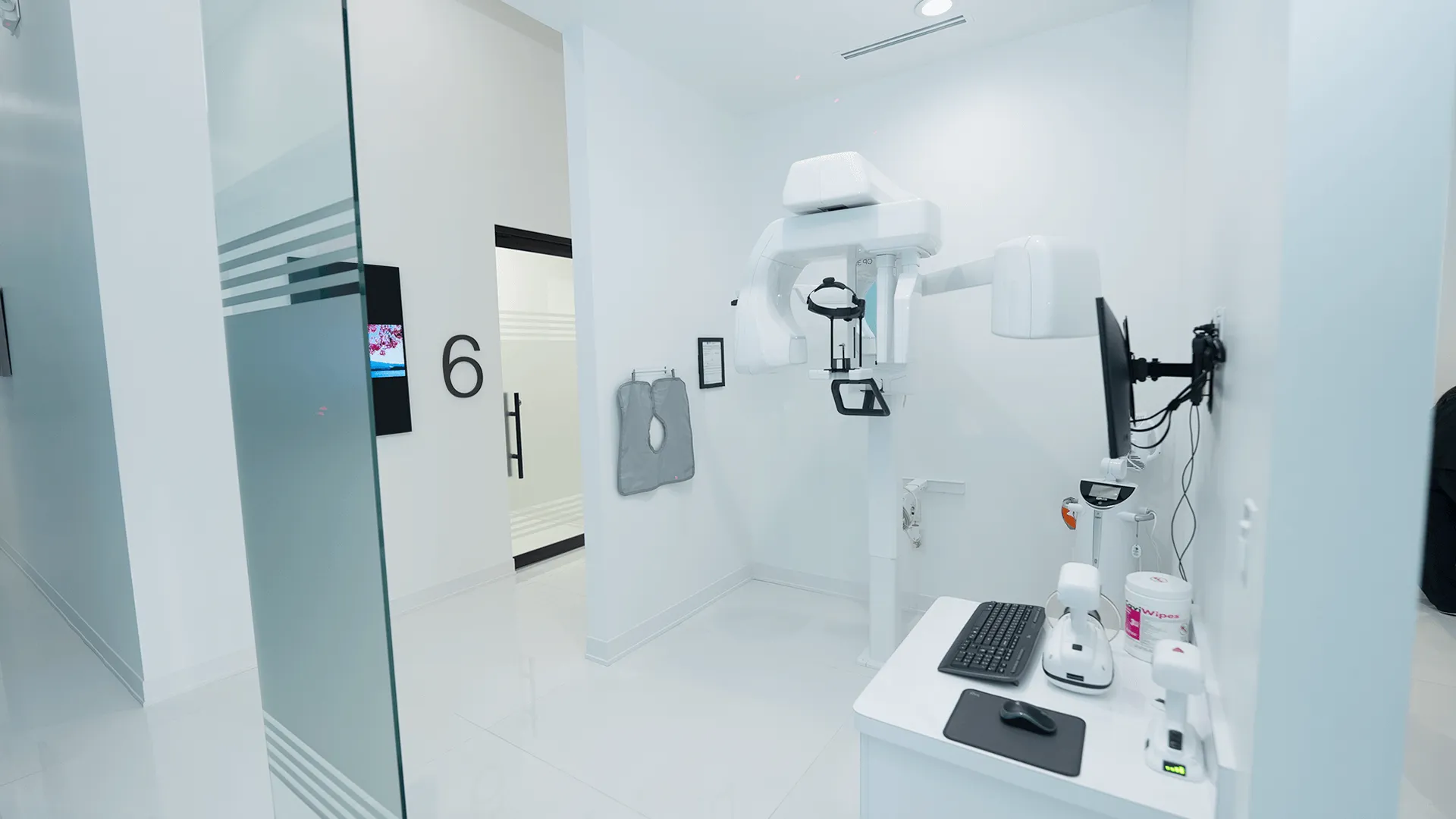
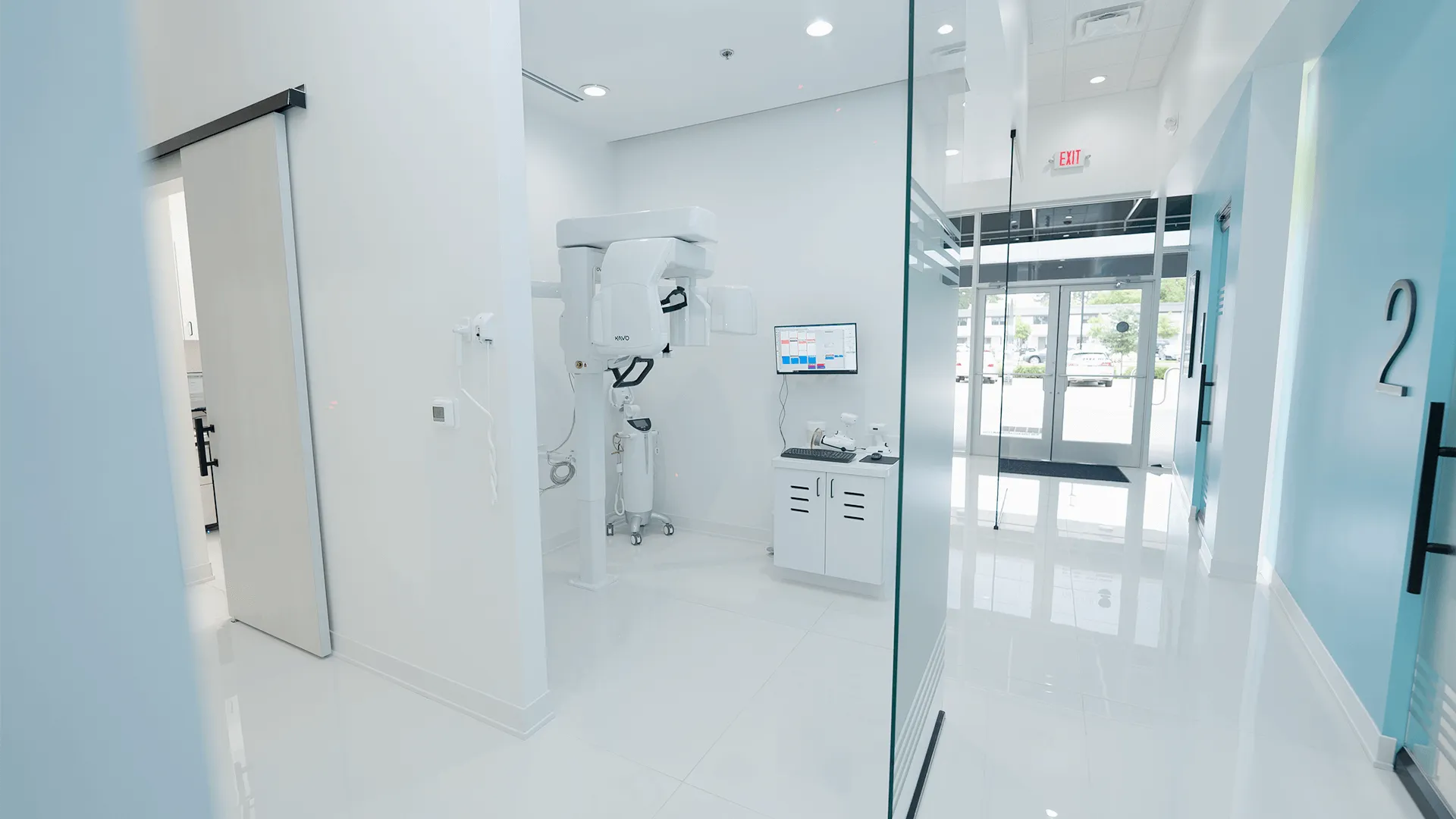
SEE WHAT A VISIT TO OUR MODERN, STATE-OF-THE-ART DENTIST OFFICE IS LIKE













Monday 9am - 6pm
Wednesday 9am - 6pm
Friday 9am - 6pm
Saturday 9am - 3pm
8940 Barker Cypress Rd. Cypress, TX 77433
3201 N. Shepherd Dr. Suite 113, Houston, TX 77018
8145 Highway 6, Building B #200, Missouri City, TX 77459
11115 W Grand Parkway S, Suite 140, Richmond, TX 77407
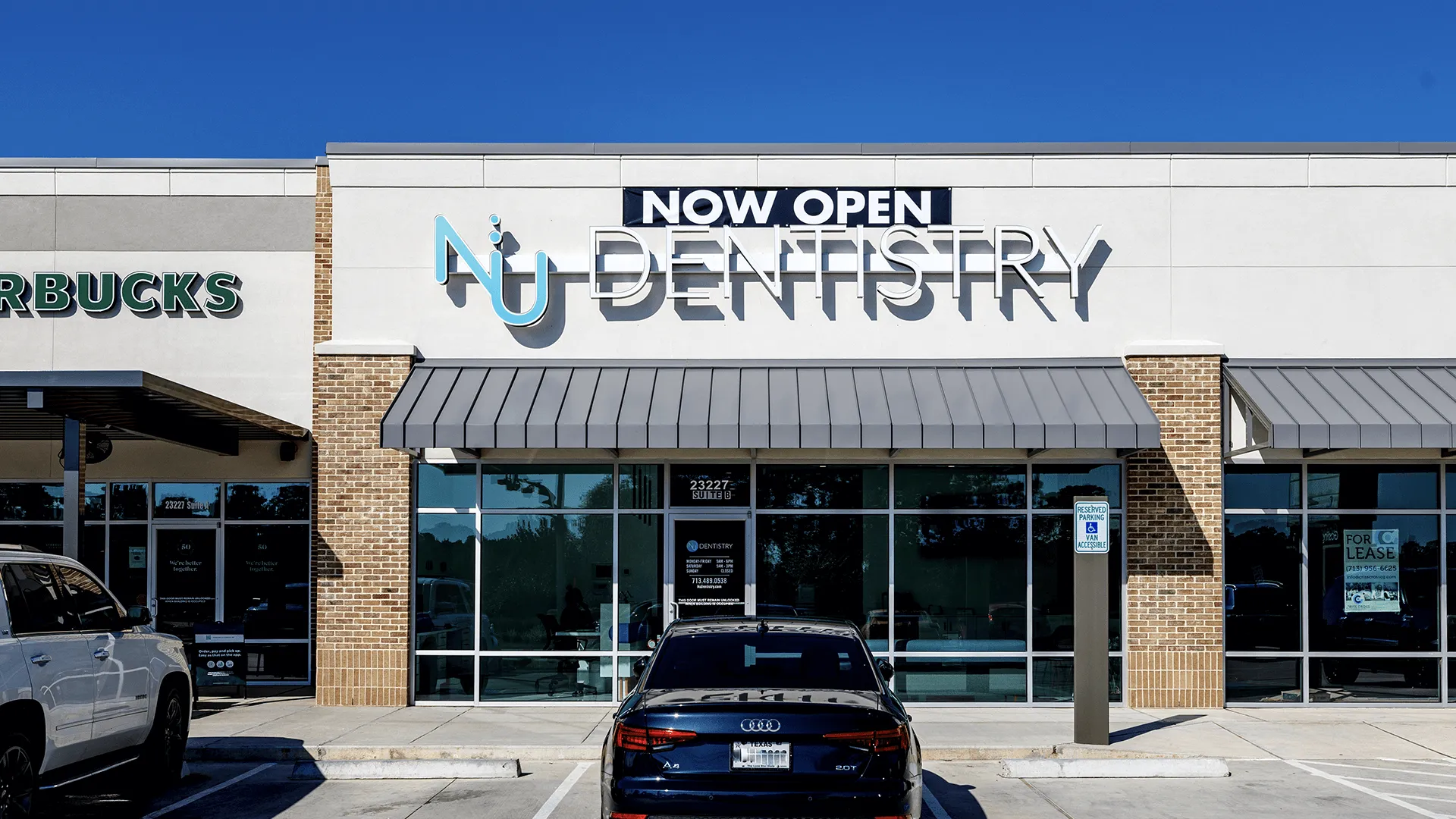
23227 Gosling Rd. Suite B, Spring, TX 77389
5706 San Felipe St. Ste B-300, Houston, TX 77057
// PATIENT TESTIMONIALS Cypress, TX
CHECK OUT WHAT OUR PATIENTS ARE SAYING IN CYPRESS, TX


// CARING DENTISTS Cypress, TX
OUR SOCIALS
FOLLOW US ON THESE SOCIAL MEDIA PLATFORMS