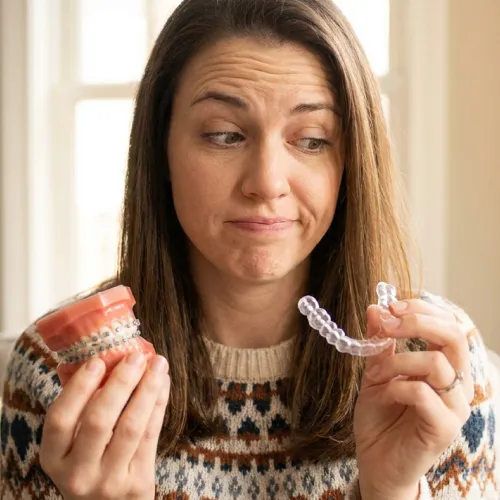
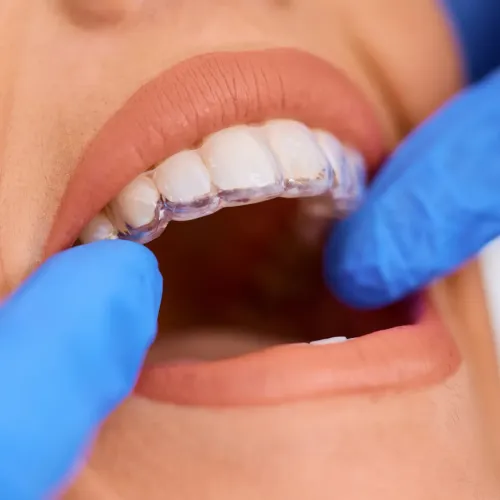
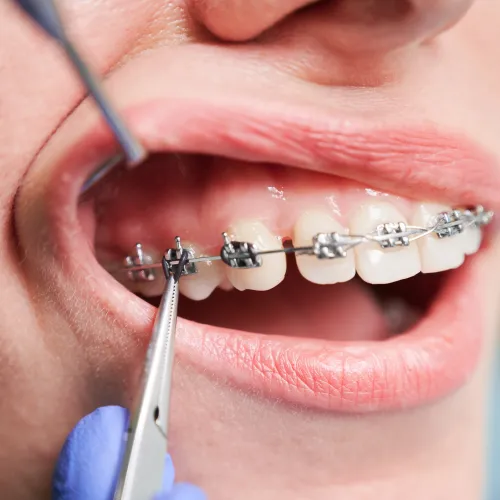
Braces vs. Invisalign: Which Is Actually Better for Complex Bites?
Are braces or Invisalign better for complex bites? Compare clear aligners and traditional braces to find your best fit. Book a consultation in Cypress today!
Read More

Emergency Dentistry
Root canals are often misunderstood, leading to unnecessary anxiety. This guide aims to clear up the confusion, answer common questions, and provide you with the knowledge to maintain optimal oral health. Let's explore how to avoid root canals, identify if you need one even without pain, and what to expect during the procedure.
Prevention is always better than cure, and this is especially true when it comes to root canals. By adopting healthy habits and staying proactive about your dental health, you can significantly reduce the likelihood of needing a root canal. Here are some key practices to help you avoid this procedure:
Maintain Good Oral Hygiene
The foundation of preventing dental issues, including the need for root canals, is excellent oral hygiene. Here’s what you should do:
Regular Dental Check-ups
Routine dental visits are crucial for maintaining your oral health and catching issues early before they become severe:
Protect Your Teeth
Physical damage to your teeth can lead to infections and the need for a root canal. Here’s how to protect them:
Healthy Diet
What you eat plays a significant role in your dental health:
Immediate Attention to Dental Problems
Promptly addressing dental issues can prevent them from escalating into problems that require a root canal:
Additional Tips for Prevention
By incorporating these practices into your daily routine, you can maintain optimal oral health and greatly reduce your chances of needing a root canal. Regular communication with your dentist and a commitment to preventive care are your best defenses against serious dental issues.
A common misconception is that root canals are only necessary if you experience severe pain. However, there are instances where a root canal may be needed even in the absence of pain. Understanding these scenarios can help you make informed decisions about your dental health.
Infection Detected During X-rays
Sometimes, routine dental X-rays reveal issues that aren't yet symptomatic:
Tooth Discoloration
Changes in tooth color can indicate underlying issues:
Previous Trauma
Teeth that have experienced trauma may develop problems over time:
Extensive Decay
Cavities that reach the pulp, the innermost part of the tooth, require careful attention:
Additional Signs You Might Need a Root Canal
Apart from the absence of pain, several other signs might indicate the need for a root canal:
Importance of Regular Dental Visits
Regular dental visits play a crucial role in maintaining your oral health and detecting potential problems early:
A root canal might be necessary even if you're not experiencing pain. Hidden infections, tooth discoloration, previous trauma, and extensive decay can all require this treatment. Regular dental visits are vital for catching these issues early, ensuring you receive the necessary care before symptoms escalate.
The thought of a root canal can be intimidating, but understanding the procedure can alleviate much of the fear. Here’s what you need to know about sedation and pain management during a root canal:
The goal is to ensure your comfort and ease throughout the procedure, making it as stress-free as possible.
Root canals don’t have to be a source of fear or anxiety. By understanding how to prevent them, recognizing the signs that you might need one, and knowing what to expect during the procedure, you can approach your dental health with confidence.
Don’t wait for pain to dictate your actions. Schedule an appointment with our dental office today to ensure your teeth stay healthy and strong. Our experienced team is here to provide the care and support you need for a bright, healthy smile.
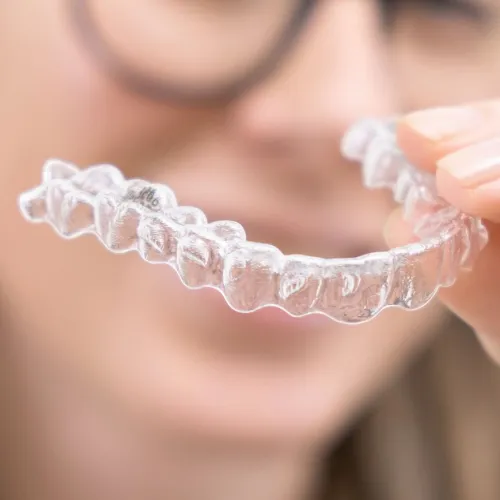
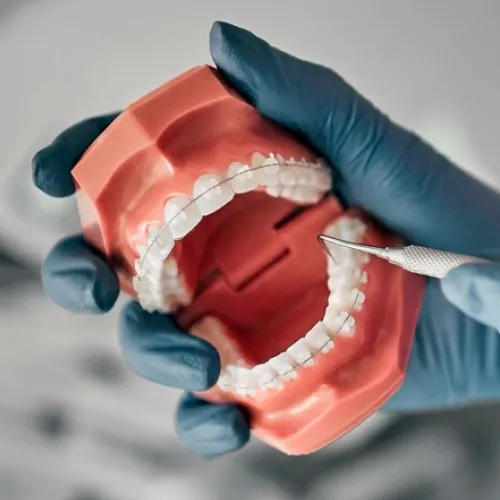
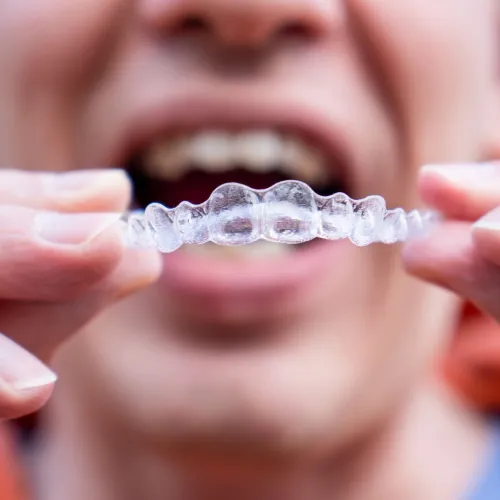



// NU DENTISTRY IN Cypress, Texas
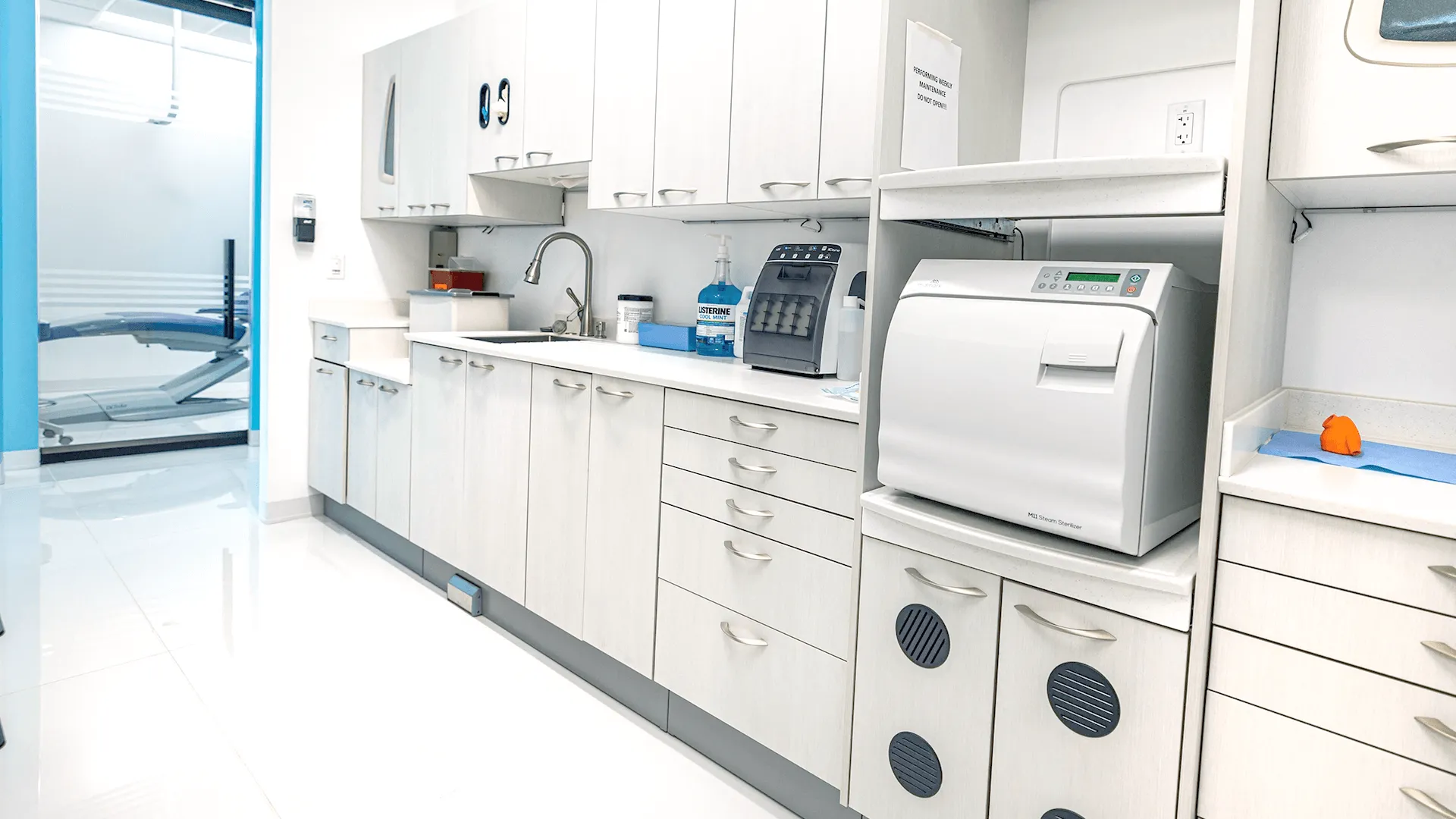
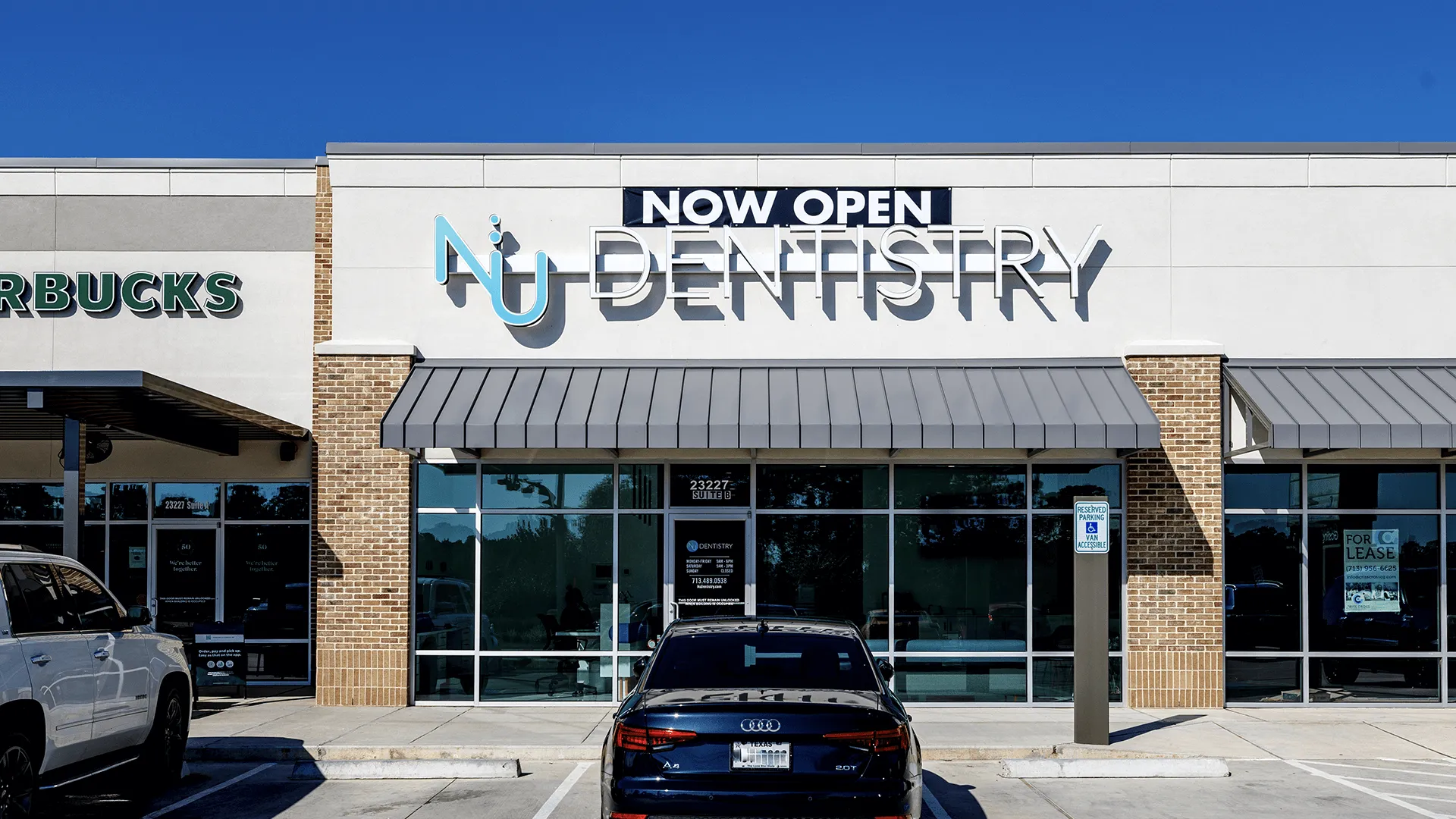
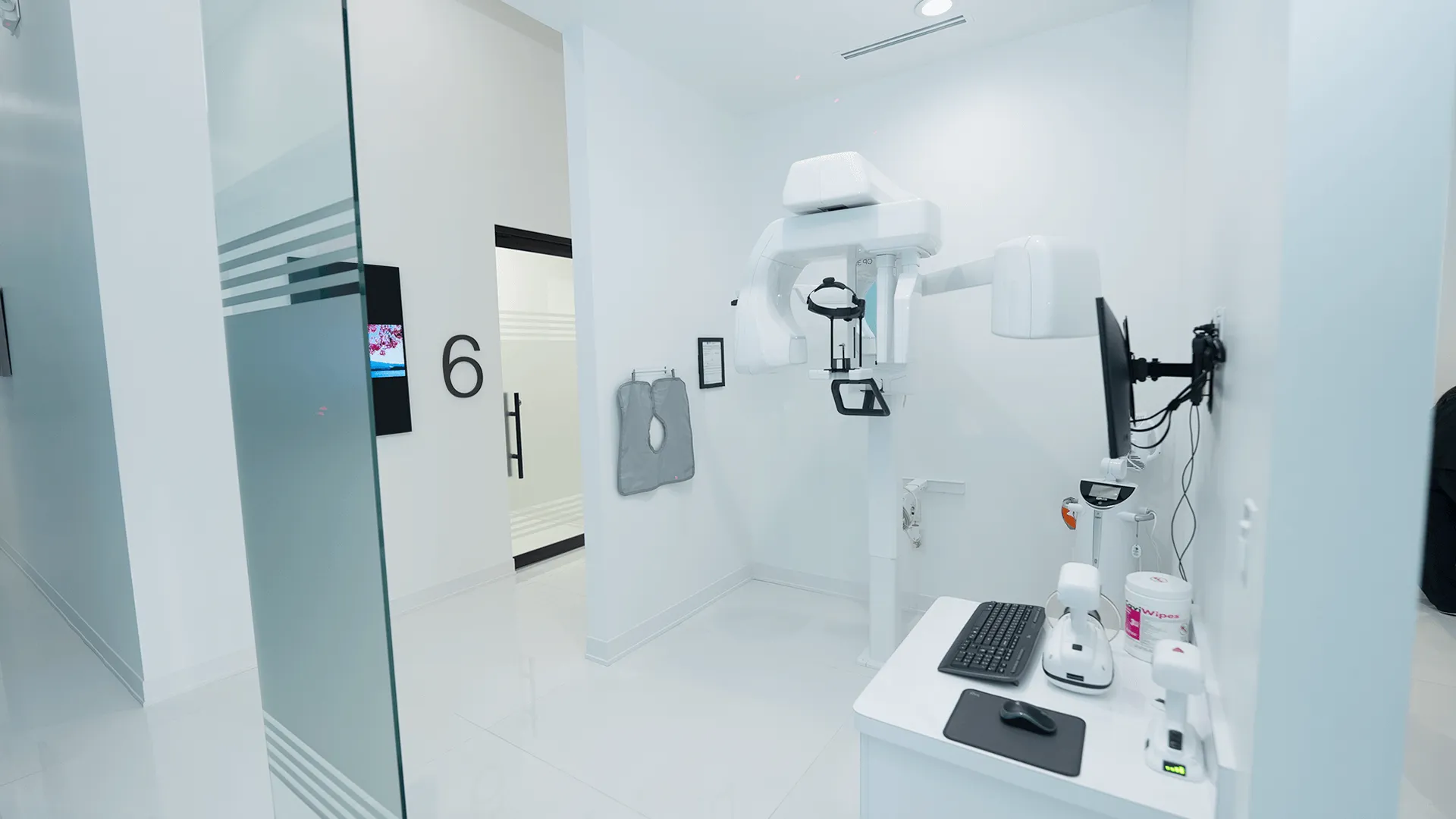
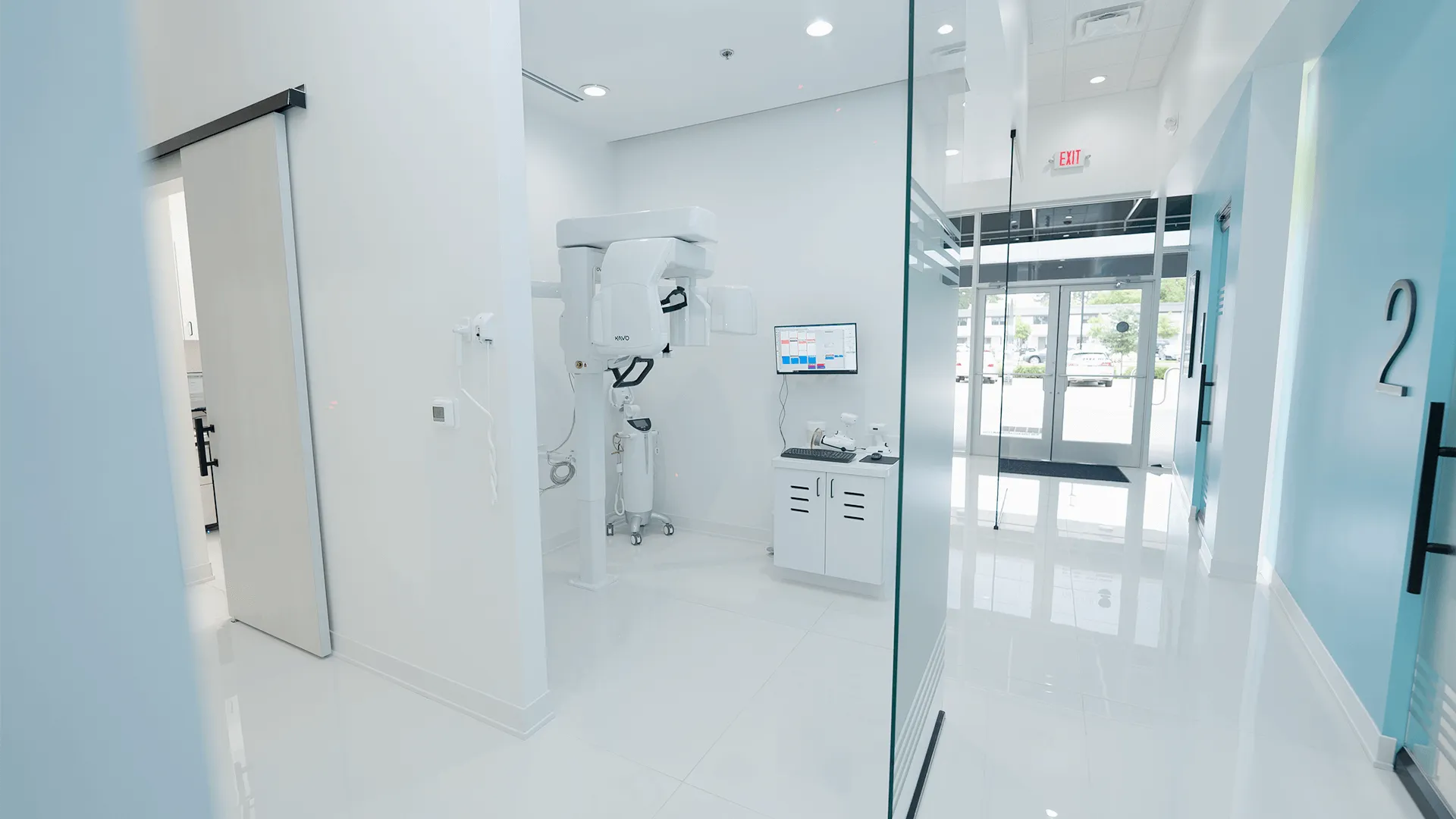
SEE WHAT A VISIT TO OUR MODERN, STATE-OF-THE-ART DENTIST OFFICE IS LIKE











Monday 9am - 6pm
Wednesday 9am - 6pm
Friday 9am - 6pm
Saturday 9am - 3pm
8940 Barker Cypress Rd. Cypress, TX 77433
3201 N. Shepherd Dr. Suite 113, Houston, TX 77018
8145 Highway 6, Building B #200, Missouri City, TX 77459
11115 W Grand Parkway S, Suite 140, Richmond, TX 77407
23227 Gosling Rd. Suite B, Spring, TX 77389
5706 San Felipe St. Ste B-300, Houston, TX 77057
// PATIENT TESTIMONIALS Cypress, TX
CHECK OUT WHAT OUR PATIENTS ARE SAYING IN CYPRESS, TX




// CARING DENTISTS Cypress, TX
OUR SOCIALS
FOLLOW US ON THESE SOCIAL MEDIA PLATFORMS