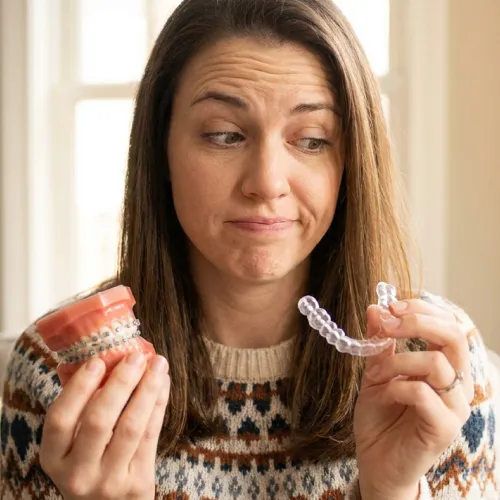
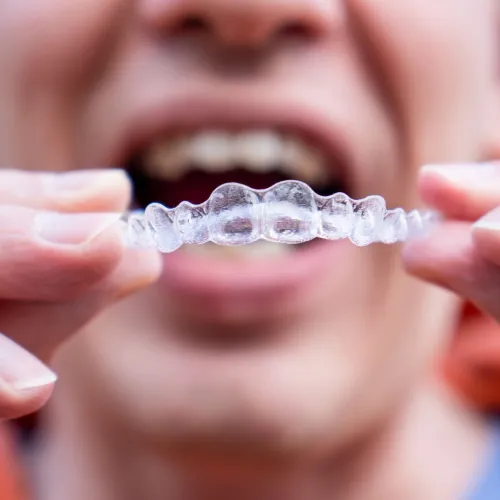
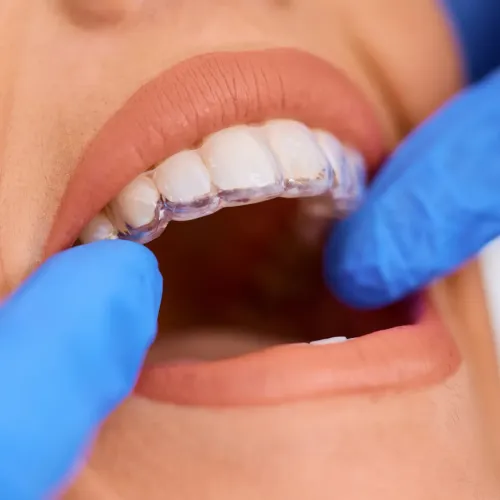
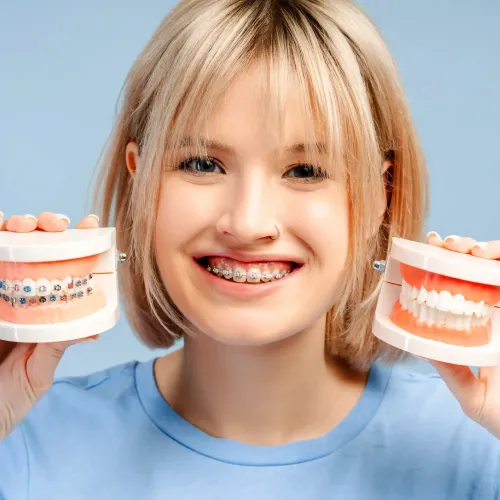
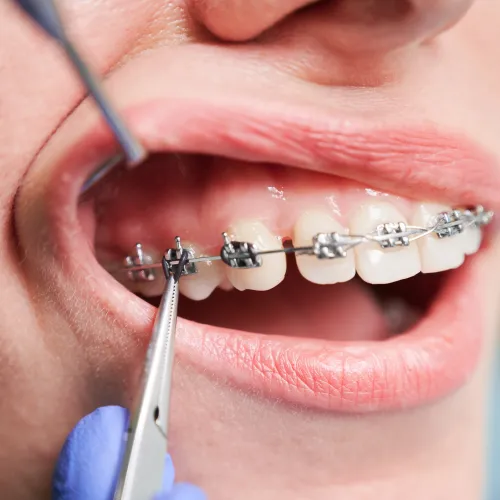
Braces vs. Invisalign: Which Is Actually Better for Complex Bites?
Are braces or Invisalign better for complex bites? Compare clear aligners and traditional braces to find your best fit. Book a consultation in Cypress today!
Read More
General Dentistry
Maintaining a radiant smile goes beyond the surface of daily brushing and flossing. In the comprehensive care of oral health, prophylaxis cleaning stands out as a pivotal procedure, not just for the sake of aesthetics but for its profound impact on overall well-being. This blog dives into the significance of prophylaxis cleaning, offering insights into how neglecting oral health can ripple through your body, what exactly this treatment entails, and the recommended frequency to ensure your mouth remains a bastion of health.
The consequences of neglecting oral hygiene are far-reaching and profound, impacting more than just the teeth and gums. Poor oral health can act as a silent harbinger of systemic health issues, setting the stage for serious medical conditions. When oral hygiene is compromised, harmful bacteria can flourish, leading to dental plaque accumulation. This plaque harbors bacteria that can cause tooth decay and gum disease. If left untreated, these bacteria can enter the bloodstream, acting as a catalyst for inflammation and infection in other parts of the body.
Research has established a link between oral health and cardiovascular disease. Bacteria from the mouth can lead to the hardening of arteries (atherosclerosis), increasing the risk of heart attacks and strokes. These oral pathogens can contribute to the buildup of plaque in the arteries, causing them to narrow and restrict blood flow.
In the realm of endocrinology, there is a well-documented association between poor oral health and diabetes management. Individuals with gum disease often have more difficulty controlling their blood sugar levels, leading to an increased risk of diabetic complications. The relationship is bidirectional; not only can diabetes make gum disease worse, but gum disease can also exacerbate diabetes by affecting blood glucose control.
Respiratory conditions, such as pneumonia and chronic obstructive pulmonary disease (COPD), can also be influenced by poor oral health. Bacteria in the mouth can be aspirated into the lungs, causing respiratory infections and aggravating existing lung conditions.
Moreover, oral health issues have been linked to other conditions such as rheumatoid arthritis, osteoporosis, and certain cancers. For instance, there is emerging evidence suggesting that periodontal disease might increase the risk of developing rheumatoid arthritis, a chronic inflammatory disorder. Osteoporosis, which weakens bones and makes them more prone to fracture, can also be linked to loss of bone density in the jaw, further complicating oral health issues.
Pregnant women need to be particularly vigilant about oral health. Periodontal disease is associated with adverse pregnancy outcomes, including preterm birth and low birth weight, highlighting the critical need for preventative dental care during pregnancy.
Oral prophylaxis, more commonly referred to as dental cleaning, is a cornerstone of preventive dentistry, designed to maintain oral health and prevent the progression of gum disease and tooth decay. This treatment transcends the capabilities of regular home care, such as brushing and flossing, by employing specialized tools and techniques to thoroughly cleanse the teeth and gums.
During a prophylaxis appointment, dental professionals meticulously remove plaque, tartar (calculus), and stains from the tooth surfaces. Plaque, a sticky film of food debris, bacteria, and saliva, can harden into tartar if not removed regularly, adhering strongly to teeth and providing a protective environment for bacteria to thrive. Unlike plaque, tartar cannot be removed with brushing and flossing alone and requires professional dental instruments for complete removal.
The process of prophylaxis cleaning includes scaling and root planing, where scaling involves scraping off tartar from above and below the gum line, and root planing smooths rough spots on the tooth root where germs gather, helping to remove bacteria that contribute to the disease. Dental hygienists use various tools, including ultrasonic devices and hand instruments, to effectively remove these deposits without harming the teeth.
Moreover, oral prophylaxis treatment is an opportunity for dental professionals to conduct a comprehensive examination of the mouth, assessing the health of your gums, checking for signs of oral cancer, and identifying any early signs of dental problems. This comprehensive evaluation can detect issues that might not be visible or cause pain until they are more advanced, allowing for earlier and less invasive treatments.
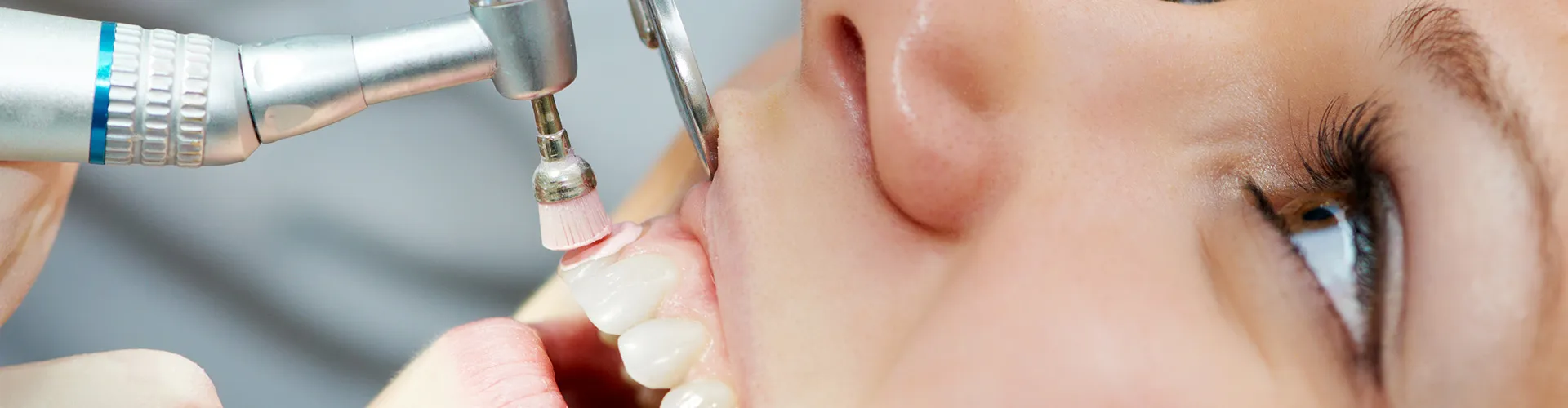
In addition to the mechanical cleaning, prophylaxis often includes polishing teeth to remove stains and smooth the enamel, making it more difficult for plaque to adhere. Fluoride treatments may also be applied as part of the procedure to strengthen tooth enamel and reduce the risk of decay.
Educating patients about oral hygiene practices forms a significant part of the prophylaxis visit. Dental professionals provide personalized advice on brushing and flossing techniques, discuss dietary habits that may affect oral health, and recommend products that can help maintain oral hygiene between professional cleanings.
Oral prophylaxis is not just about cleaning; it's a comprehensive care approach that involves assessing, treating, and preventing oral health problems. It plays an indispensable role in the maintenance of oral health, contributing to the overall well-being and quality of life of individuals. Regular prophylaxis sessions ensure that your mouth remains free of harmful deposits, your oral health is closely monitored, and your smile stays bright and healthy.
The frequency of prophylaxis cleaning varies based on individual oral health needs and risk factors. Generally, dental professionals recommend undergoing this treatment every six months. However, for individuals with a predisposition to dental issues or those currently managing dental conditions, more frequent visits may be necessary. Regular prophylaxis appointments are essential for maintaining optimal oral health, as they allow for the early detection and management of potential problems, keeping your smile healthy and vibrant.
In conclusion, the journey to maintaining excellent oral health is incomplete without the essential practice of prophylaxis cleaning. It not only fortifies your dental wellness but also shields your overall health from the potential onslaught of diseases linked to poor oral hygiene. At Nu Dentistry, we are committed to providing comprehensive oral care that extends beyond the surface, ensuring that your smile is not only beautiful but also a reflection of robust health. Schedule your prophylaxis cleaning appointment with us today and take a decisive step towards safeguarding your oral and overall health. Your smile deserves nothing less than the best care.


// NU DENTISTRY IN Cypress, Texas
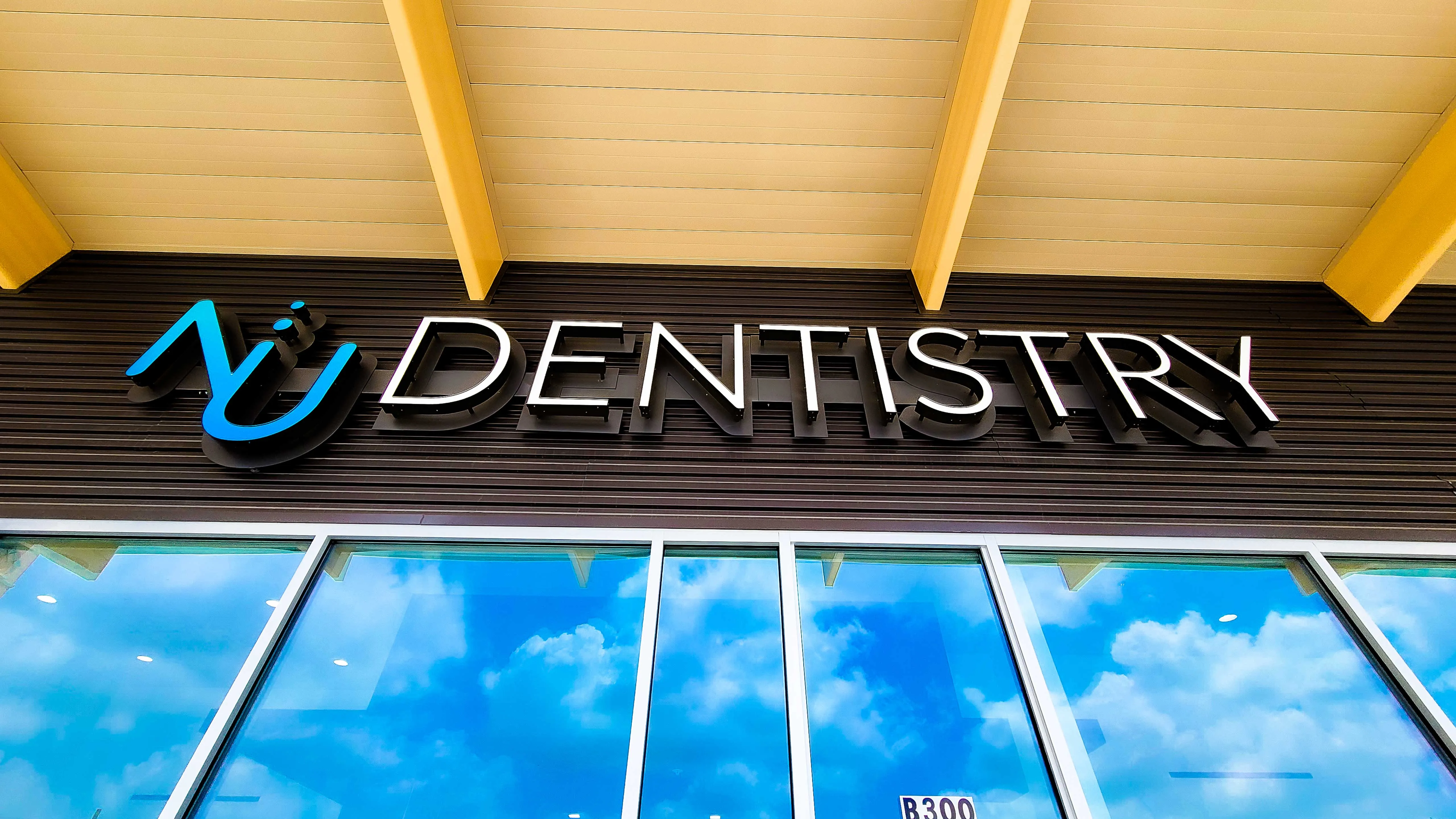
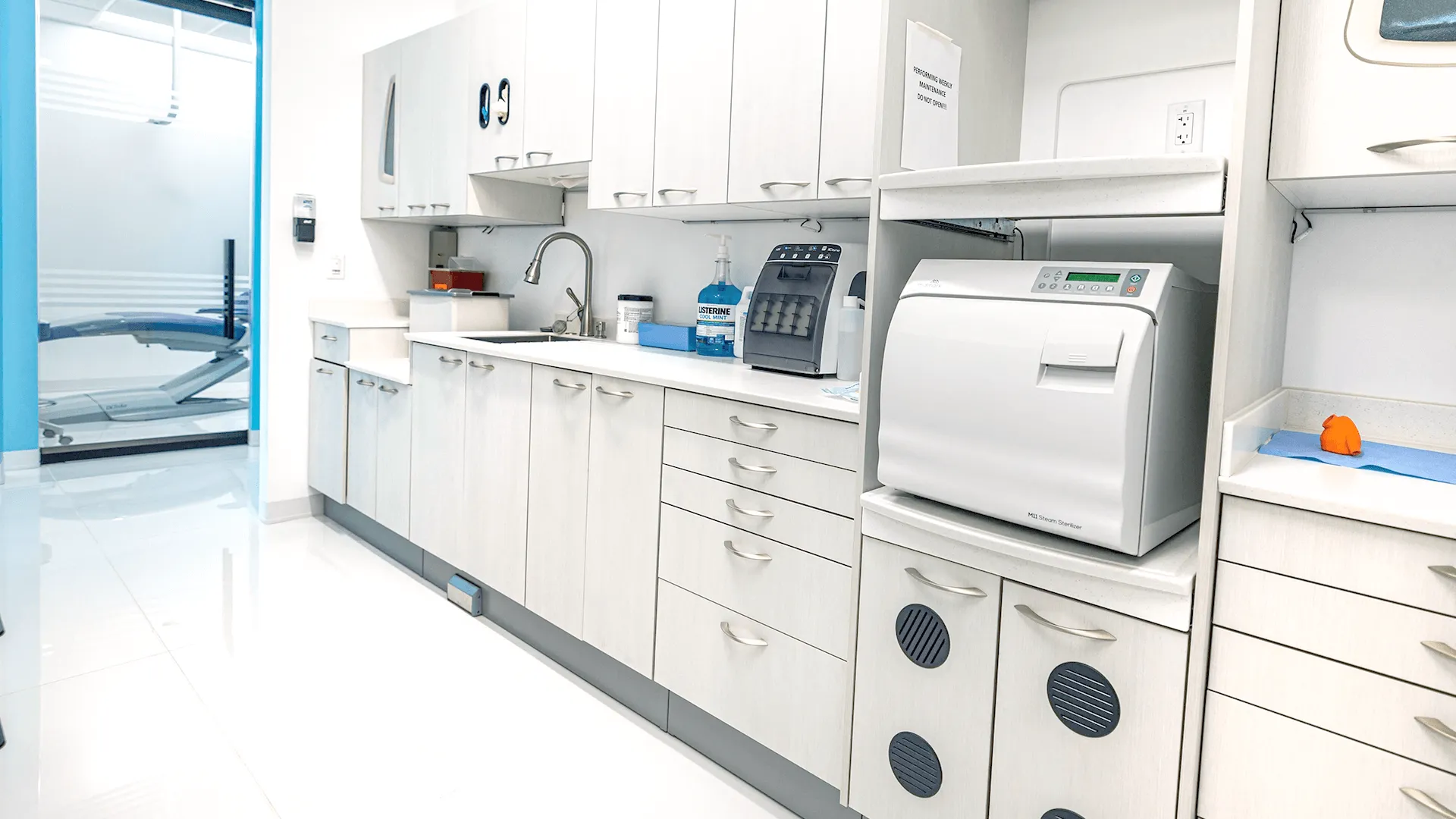
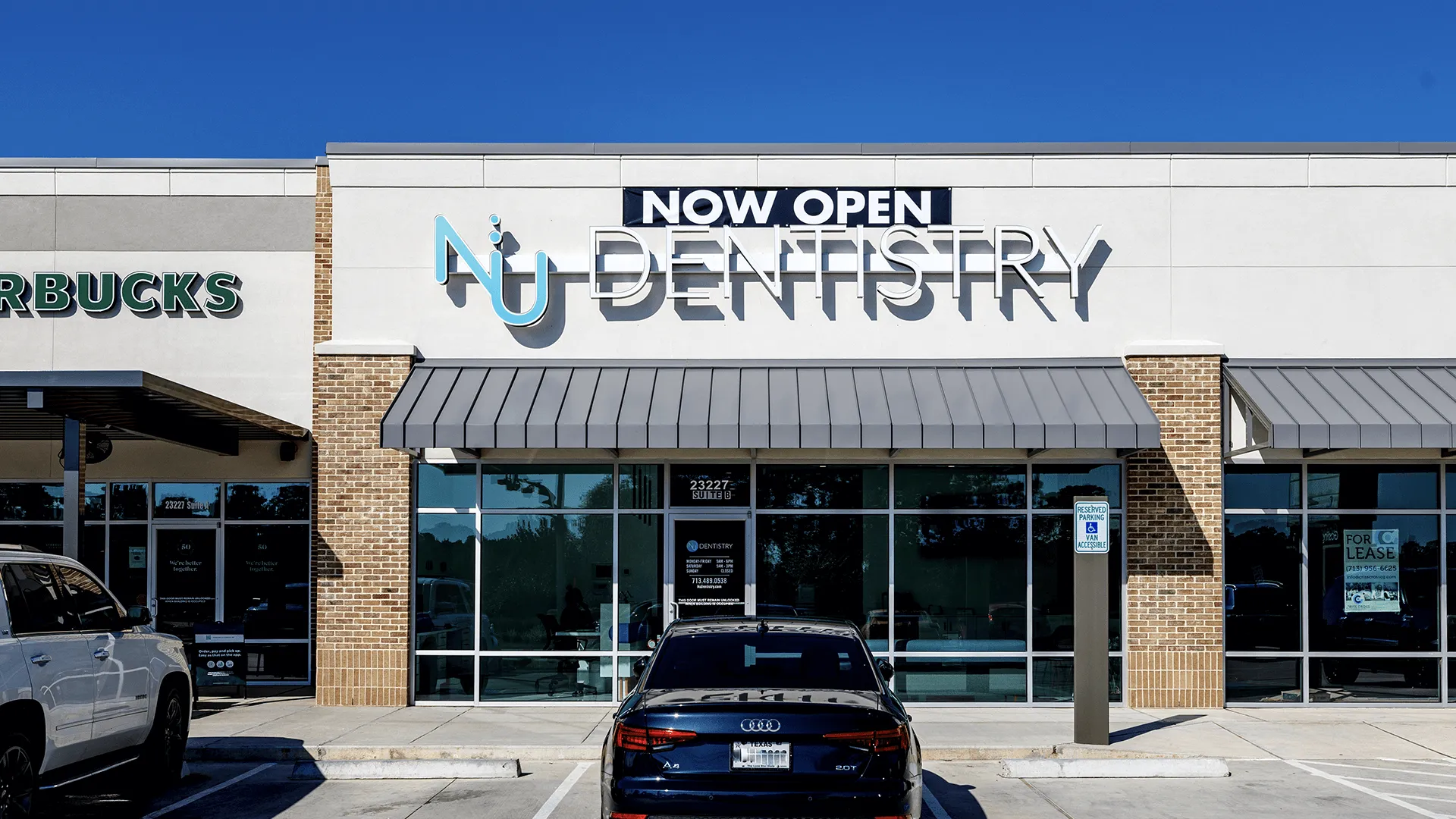
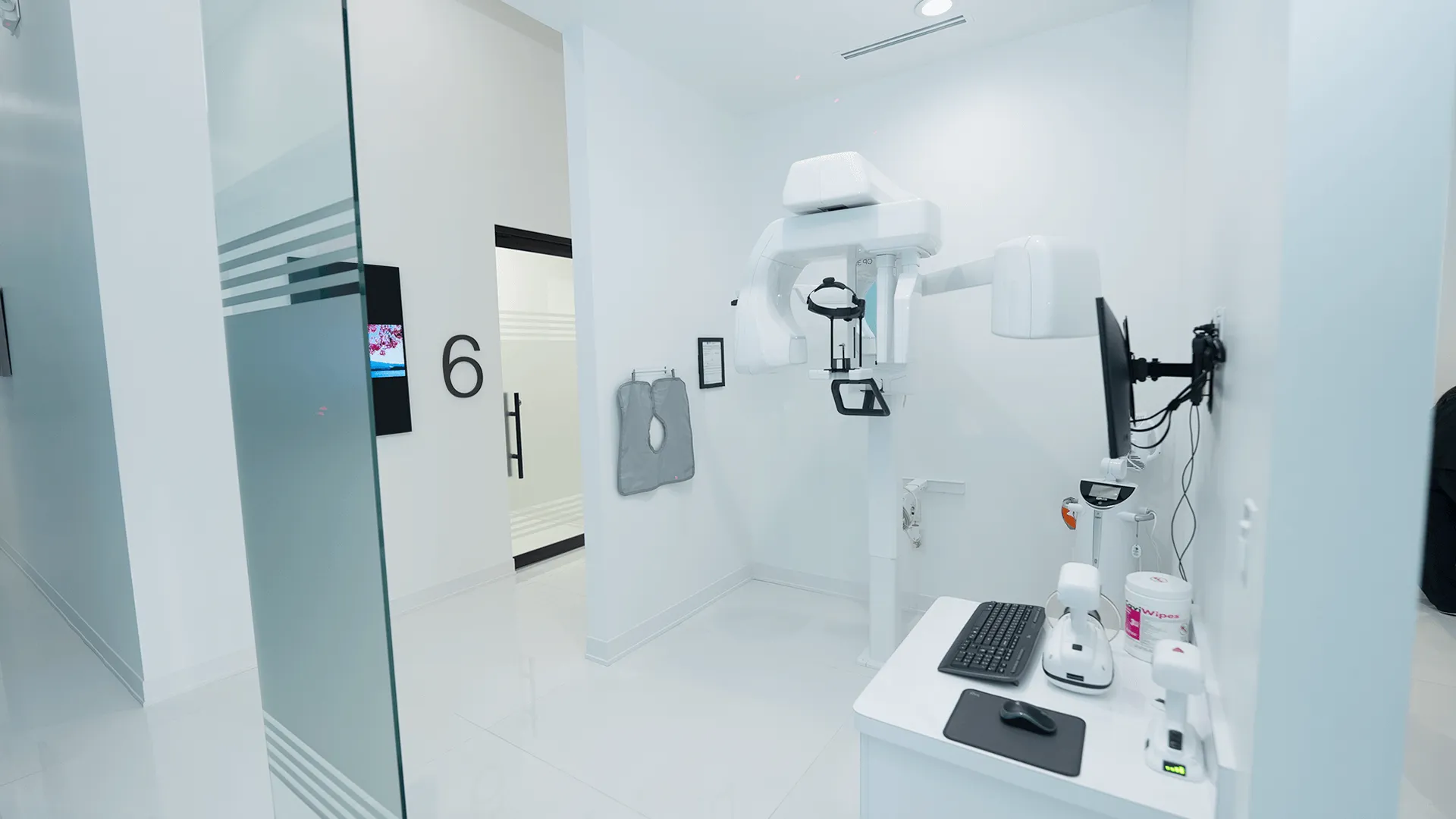
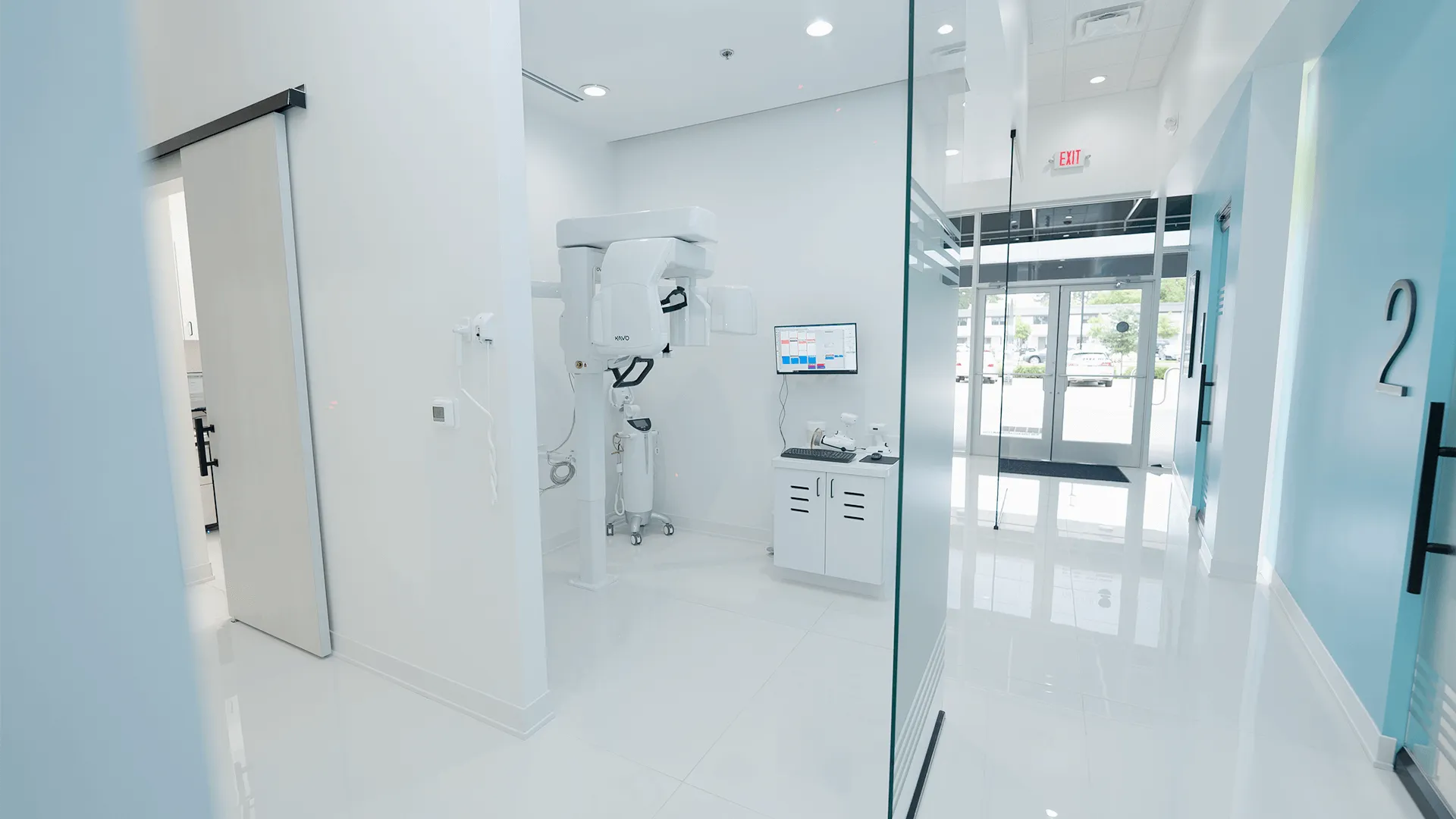
SEE WHAT A VISIT TO OUR MODERN, STATE-OF-THE-ART DENTIST OFFICE IS LIKE












Monday 9am - 6pm
Wednesday 9am - 6pm
Friday 9am - 6pm
Saturday 9am - 3pm
8940 Barker Cypress Rd. Cypress, TX 77433
3201 N. Shepherd Dr. Suite 113, Houston, TX 77018
8145 Highway 6, Building B #200, Missouri City, TX 77459
11115 W Grand Parkway S, Suite 140, Richmond, TX 77407
23227 Gosling Rd. Suite B, Spring, TX 77389
5706 San Felipe St. Ste B-300, Houston, TX 77057
// PATIENT TESTIMONIALS Cypress, TX
CHECK OUT WHAT OUR PATIENTS ARE SAYING IN CYPRESS, TX




// CARING DENTISTS Cypress, TX
OUR SOCIALS
FOLLOW US ON THESE SOCIAL MEDIA PLATFORMS