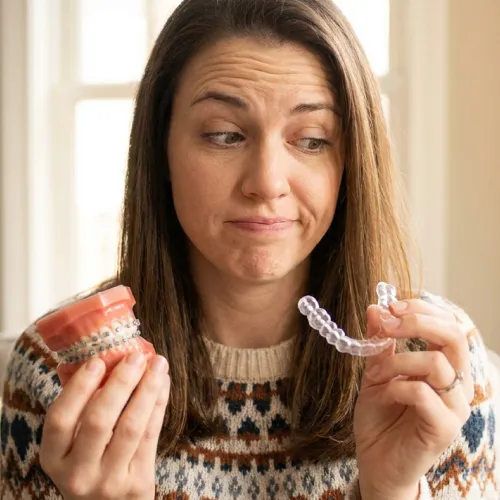
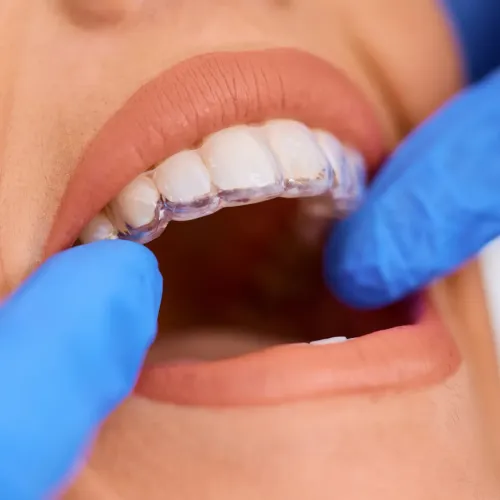
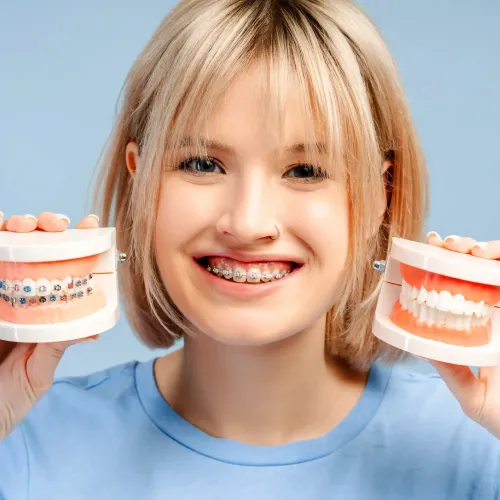
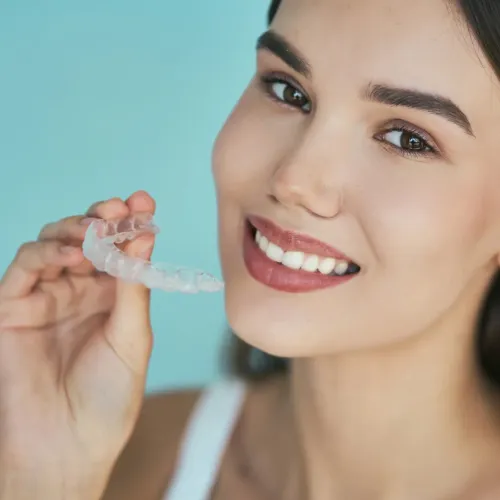
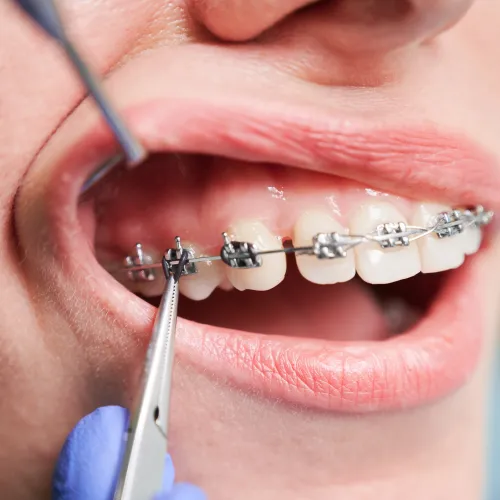
Braces vs. Invisalign: Which Is Actually Better for Complex Bites?
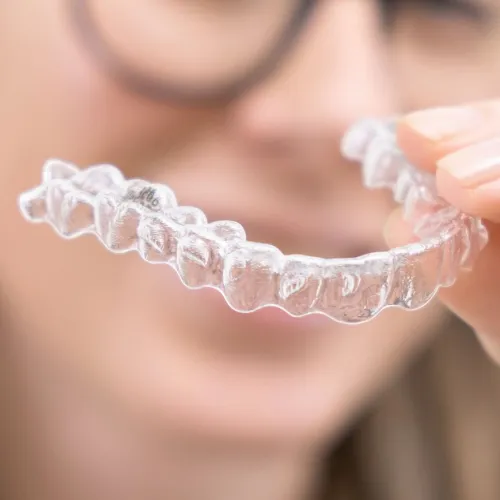
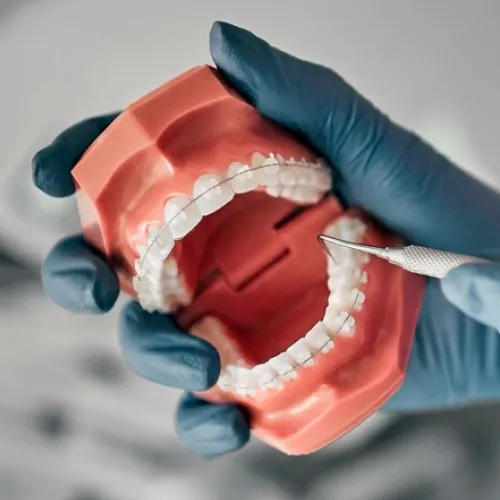
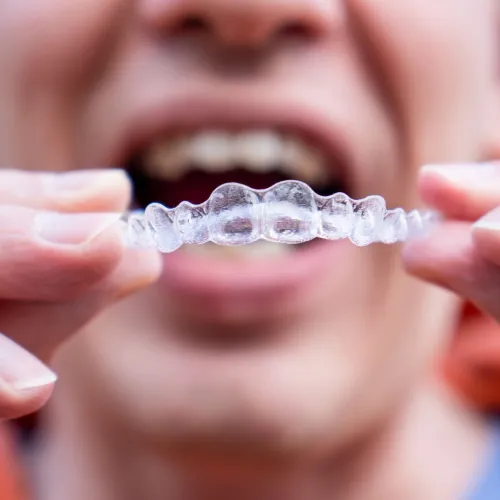
Are braces or Invisalign better for complex bites? Compare clear aligners and traditional braces to find your best fit. Book a consultation in Cypress today!
Read More

Cosmetic Dentistry
Achieving a dazzling smile through teeth whitening can be a significant boost to your confidence. However, the key to maintaining that bright smile lies in the care you take post-procedure. Here are some essential tips to ensure your teeth stay radiant.
Immediately after a teeth whitening session, your teeth are particularly susceptible to staining. For the first 48 hours, it's crucial to avoid certain foods and habits:
Dark Beverages: Coffee, tea, red wine, and sodas can stain your teeth. These beverages contain chromogens, which are pigmented molecules that adhere to your enamel. Opt for water, milk, or clear drinks instead. If you need your caffeine fix, consider using a straw to minimize contact with your teeth.
Colorful Foods: Berries, tomato sauce, beets, and colorful spices like turmeric can affect your teeth's whiteness. These foods are rich in natural dyes and can cause discoloration. Stick to light-colored foods such as bananas, apples (without the skin), potatoes, and cauliflower to keep your smile bright.
Tobacco Products: Smoking or chewing tobacco can quickly undo the whitening process. Nicotine and tar in tobacco products are notorious for causing yellow and brown stains on teeth. Avoiding these can help maintain your new, bright smile and improve overall oral health.
Acidic Foods and Drinks: Acidic items can cause sensitivity and affect the enamel, making your teeth more prone to staining. Avoid citrus fruits, vinegar-based dressings, and soda. The acid can erode the enamel, exposing the dentin underneath, which is more susceptible to discoloration.
Colored Oral Hygiene Products: Some mouthwashes and toothpaste have strong colors that can stain your teeth post-whitening. Choose clear or white products to minimize the risk of discoloration.
Temperature Extremes: Consuming extremely hot or cold foods and drinks can cause discomfort and sensitivity in freshly whitened teeth. Lukewarm food and drink are ideal to avoid triggering any discomfort.
Maintaining a "white diet" consisting of light-colored foods like chicken, rice, and pasta can help preserve your new smile. By carefully managing your diet and habits immediately following your teeth whitening, you can enjoy a brighter smile for a longer period.
It's not uncommon for some patients to notice their teeth looking more yellow after whitening. This can be due to several reasons:
Enamel Transparency: The whitening process can sometimes make the enamel more transparent, revealing the yellow dentin beneath. Enamel is the outermost layer of your teeth and is naturally white, but the layer beneath it, called dentin, is yellowish. When the enamel becomes more translucent, the dentin's color can show through more prominently, making your teeth appear yellow. This is often temporary and should balance out as your teeth adjust post-whitening.
Post-Procedure Dehydration: Teeth can become dehydrated during the whitening process, which can make them appear more yellow or darker than expected. The dehydration occurs because the whitening agents open up the pores in the enamel, causing moisture to escape. This typically resolves within a few days as the teeth rehydrate and return to their normal color. Drinking plenty of water and avoiding dehydrating substances like caffeine and alcohol can help expedite this process.
Inconsistent Whitening: Sometimes, the whitening gel may not have been evenly distributed, leading to patches that appear more yellow. This uneven application can happen if the whitening trays or strips are not properly fitted or if the whitening agent is applied inconsistently. Additionally, areas with thicker stains might require more treatment sessions to achieve uniform whiteness. It's essential to follow the application instructions carefully and consult with your dentist if you notice significant inconsistencies.
Pre-Existing Stains and Conditions: If your teeth had deep or intrinsic stains before the whitening process, it might take more than one session to see the desired results. Conditions such as fluorosis or tetracycline staining can also cause uneven whitening, as these types of stains are harder to remove.
Diet and Oral Hygiene: After whitening, if you consume staining foods or beverages too soon, it can lead to discoloration. Proper aftercare is crucial to maintaining the whitening effects. Adhering to a "white diet" and maintaining good oral hygiene can help prevent this issue.
Enamel Damage: In rare cases, the whitening process can cause slight damage to the enamel, making it more susceptible to yellowing. Using over-the-counter whitening products without professional guidance can increase this risk. Professional treatments are tailored to minimize the risk of enamel damage.
If these issues persist, it's essential to follow up with your dentist for a touch-up or additional advice. Your dentist can assess the situation and recommend appropriate treatments to achieve the desired whiteness. Sometimes, additional whitening sessions or different products may be necessary to get the best results. Remember, professional guidance ensures safer and more effective whitening outcomes.
Returning to your regular diet is usually safe after 48 hours. However, to ensure long-lasting results and maintain your bright smile, consider the following tips:
Reintroduce Staining Foods Gradually: After 48 hours, you can start to reintroduce staining foods and drinks, but do so cautiously and in moderation. Begin with lighter-colored foods and slowly incorporate darker, more pigmented items. This gradual approach allows your teeth to acclimate and reduces the risk of immediate staining. Foods like dark berries, tomatoes, and beverages such as coffee and red wine should be introduced slowly to monitor their impact on your teeth.
Rinse or Brush After Eating: After consuming foods or drinks that could stain, make it a habit to rinse your mouth with water or brush your teeth. This practice helps wash away pigments and acids that can adhere to your enamel. Carrying a travel-sized toothbrush or using sugar-free gum can also help clean your teeth when brushing isn't convenient.
Maintain Good Oral Hygiene: Keeping up with regular oral hygiene is crucial. Brush your teeth at least twice a day with a whitening toothpaste to help remove surface stains and maintain the brightness of your smile. Floss daily to remove plaque and food particles that brushing alone can't reach. Using an antibacterial mouthwash can also help maintain oral health and keep your teeth white.
Avoid Highly Acidic and Sugary Foods: Even after the initial 48 hours, it's wise to limit foods that are highly acidic or sugary. Acidic foods can erode enamel, making teeth more susceptible to staining, while sugary foods can contribute to plaque buildup, leading to discoloration and other dental issues.
Use a Straw for Dark Beverages: When you do consume dark beverages like coffee, tea, or soda, use a straw to minimize contact with your teeth. This simple step can significantly reduce the likelihood of staining.
Eat Plenty of Crunchy Fruits and Vegetables: Foods like apples, celery, and carrots can act as natural abrasives, helping to scrub your teeth clean as you chew. These foods also stimulate saliva production, which naturally cleanses your mouth and neutralizes acids.
Cheese and Dairy Products: Consuming cheese and other dairy products can be beneficial as they help balance the pH levels in your mouth, reducing the risk of acid attacks on your enamel. They also provide calcium and phosphates that strengthen teeth.
Hydrate Frequently: Drinking plenty of water throughout the day helps wash away food particles and staining agents. It also keeps your mouth hydrated, promoting saliva production which is essential for maintaining oral health.
Regular Dental Checkups: Schedule regular visits to your dentist for professional cleanings and touch-ups as needed. Professional cleanings help remove plaque and tartar that can cause staining and ensure your teeth stay healthy. Your dentist can also provide personalized advice and additional whitening treatments if necessary.
Avoid Habits That Stain: If you smoke or use tobacco products, consider quitting. Tobacco is a major cause of tooth discoloration and can quickly negate the effects of whitening treatments. Additionally, minimizing habits like nail-biting or using your teeth as tools can prevent damage to your enamel.
Maintaining your bright, white smile after a teeth whitening procedure requires mindful care and good habits. By avoiding certain foods, understanding why your teeth might look yellow initially, and knowing when to resume normal eating, you can enjoy a long-lasting radiant smile.
Ready to achieve your best smile yet? Schedule an appointment with our dental office today and let us help you shine brighter than ever!
// NU DENTISTRY IN Cypress, Texas
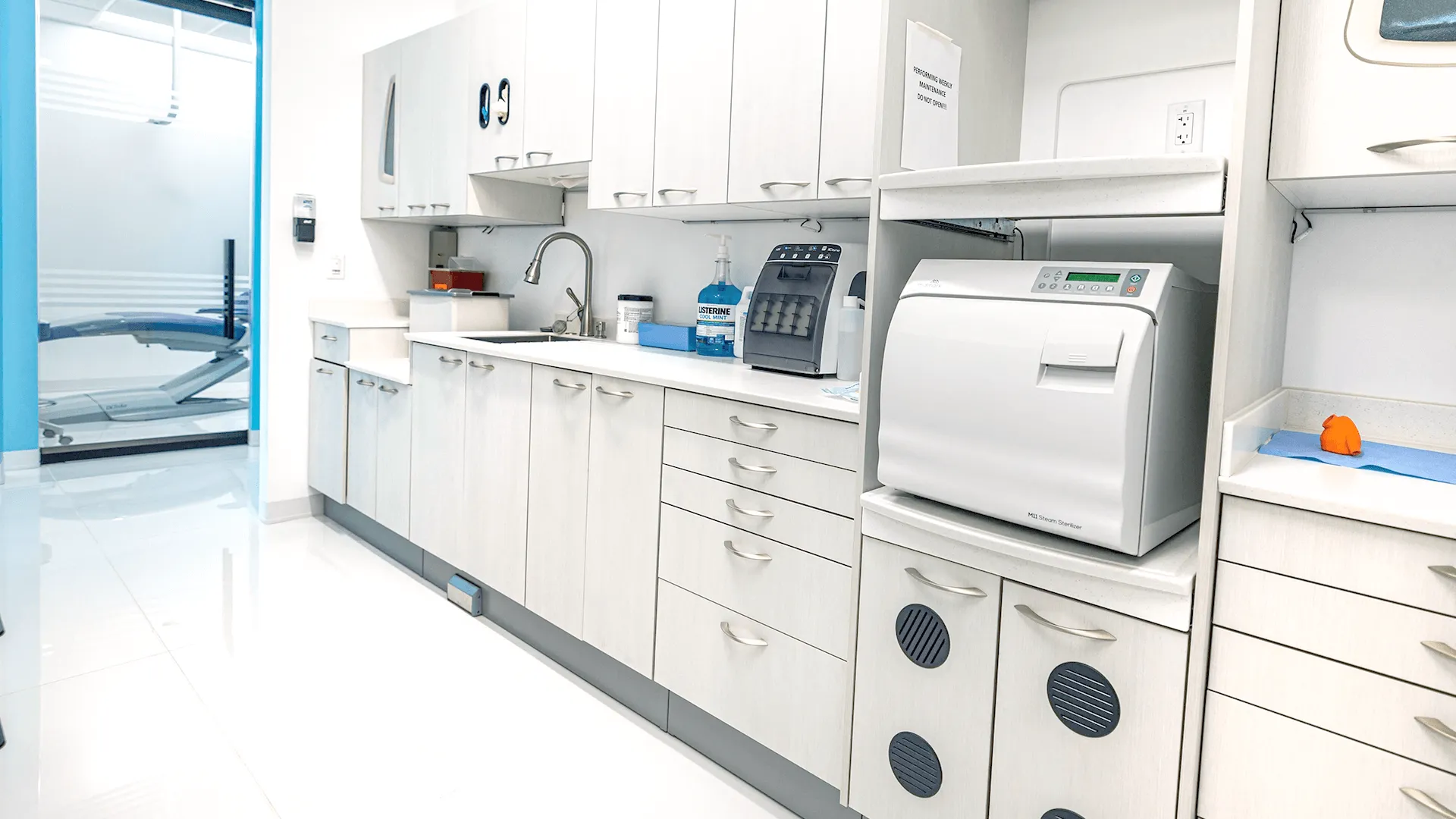
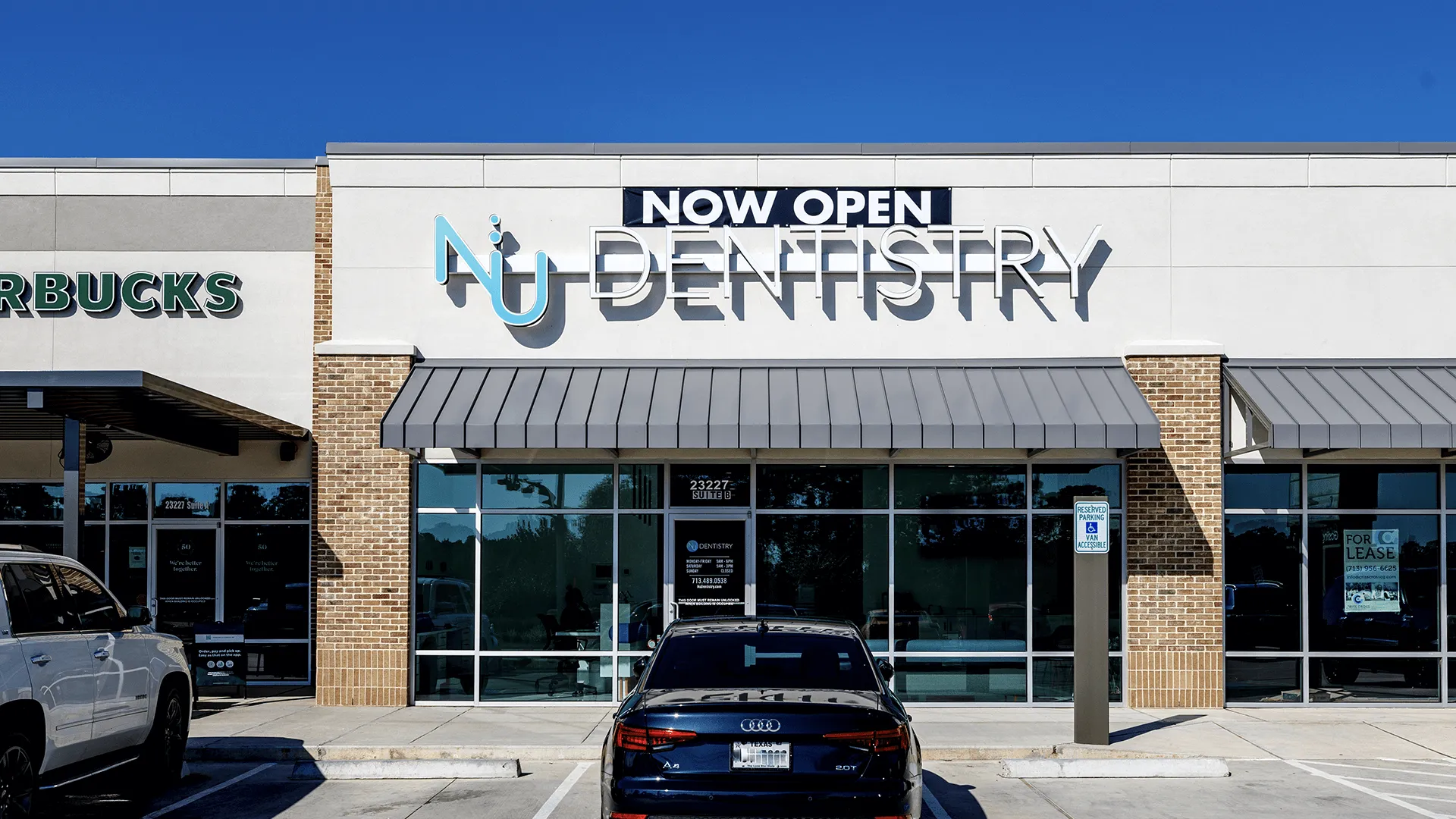
SEE WHAT A VISIT TO OUR MODERN, STATE-OF-THE-ART DENTIST OFFICE IS LIKE














Monday 9am - 6pm
Wednesday 9am - 6pm
Friday 9am - 6pm
Saturday 9am - 3pm
8940 Barker Cypress Rd. Cypress, TX 77433
3201 N. Shepherd Dr. Suite 113, Houston, TX 77018
8145 Highway 6, Building B #200, Missouri City, TX 77459
11115 W Grand Parkway S, Suite 140, Richmond, TX 77407
23227 Gosling Rd. Suite B, Spring, TX 77389
5706 San Felipe St. Ste B-300, Houston, TX 77057
// PATIENT TESTIMONIALS Cypress, TX
CHECK OUT WHAT OUR PATIENTS ARE SAYING IN CYPRESS, TX




// CARING DENTISTS Cypress, TX
OUR SOCIALS
FOLLOW US ON THESE SOCIAL MEDIA PLATFORMS