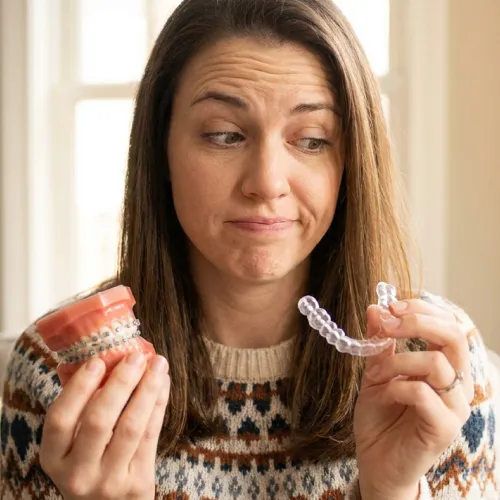
Braces vs. Invisalign: Which Is Actually Better for Complex Bites?
Are braces or Invisalign better for complex bites? Compare clear aligners and traditional braces to find your best fit. Book a consultation in Cypress today!
Read More
Cosmetic Dentistry, Teeth Straightening
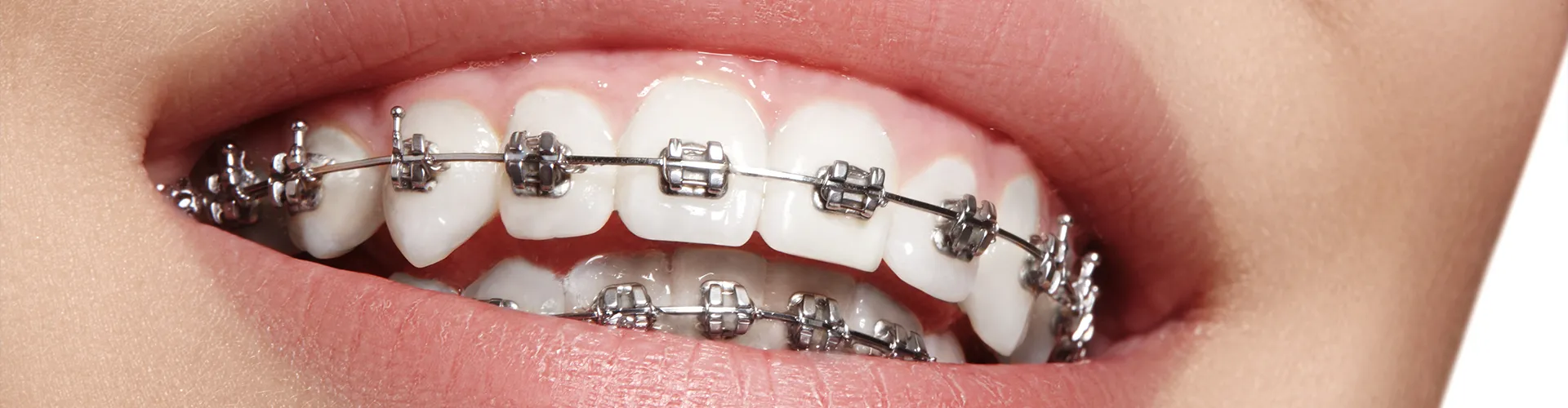
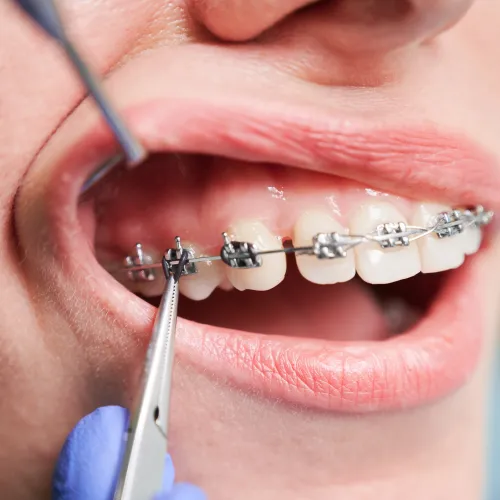
Braces are one of the most effective ways to achieve a straighter smile, but many people have questions before starting their journey to better dental health. Whether you're considering braces for yourself or your child, it's natural to have concerns. To help you make an informed decision, we’ve compiled answers to the three most frequently asked questions about braces.
One of the most common questions people ask is, "How long will I need to wear braces?" The answer varies depending on several factors, including the complexity of your case, the type of braces you choose, and how diligently you follow your orthodontist’s instructions. On average, most patients wear braces for 18 to 24 months. However, some might need them for as little as 12 months, while others may require up to three years, especially in cases involving significant misalignment or bite issues.
The duration of your treatment can also be influenced by your age. For example, younger patients, particularly children and teenagers, often experience faster results because their jaws and teeth are still growing and are more easily adjusted. On the other hand, adults might find that their treatment takes a bit longer due to the more settled position of their teeth and jaw structure.
The type of braces you select can also impact the timeline. Traditional metal braces are typically the most efficient at correcting complex orthodontic issues, which can shorten the overall treatment time. Ceramic braces and clear aligners, while more aesthetically pleasing, might require a bit longer to achieve the same results, depending on the severity of your alignment issues.
Your orthodontist will conduct a thorough examination, including X-rays, photos, and models of your teeth, to determine the best course of action. They’ll provide a personalized treatment plan with an estimated timeline based on your specific needs. It's essential to keep in mind that this timeline is an estimate and can vary depending on how your teeth respond to the treatment.
Following your orthodontist’s advice plays a crucial role in staying on schedule. This includes maintaining proper oral hygiene, avoiding foods that could damage your braces, and wearing any additional appliances, like rubber bands or headgear, as instructed. Regular appointments are also vital for adjustments and monitoring progress; skipping or delaying these appointments can prolong your treatment time.
It’s also important to remember that orthodontic treatment doesn't end when the braces come off. After your braces are removed, you’ll likely need to wear a retainer to keep your teeth in their new positions. This post-braces phase is crucial to prevent your teeth from shifting back to their original positions, ensuring that the time you spent wearing braces yields long-lasting results.
It’s understandable to be concerned about discomfort, but the good news is that while braces can cause some soreness, especially after adjustments, the pain is usually mild and manageable.
When your braces are first applied or adjusted, you may experience some pressure and soreness for a few days. Over-the-counter pain relievers, such as ibuprofen, can help alleviate this discomfort. Additionally, sticking to soft foods like yogurt, mashed potatoes, and soups during the initial adjustment period can make the transition smoother.
It's important to remember that any discomfort is temporary and a small price to pay for a beautiful, healthy smile.
Many adults wonder, "Can I get braces, or are they just for kids?" The answer is yes—adults can absolutely get braces, and it’s more common than you might think. Orthodontic treatment is effective at any age, and more adults are realizing the benefits of straightening their teeth later in life.
Braces are not just about aesthetics; they play a crucial role in improving oral health. As we age, our teeth can shift due to factors like tooth loss, gum disease, or simply the natural changes that occur over time. These shifts can lead to misalignments, making it harder to clean between teeth and increasing the risk of cavities and gum disease. By getting braces, adults can address these issues and maintain better oral hygiene, which is essential for overall health.
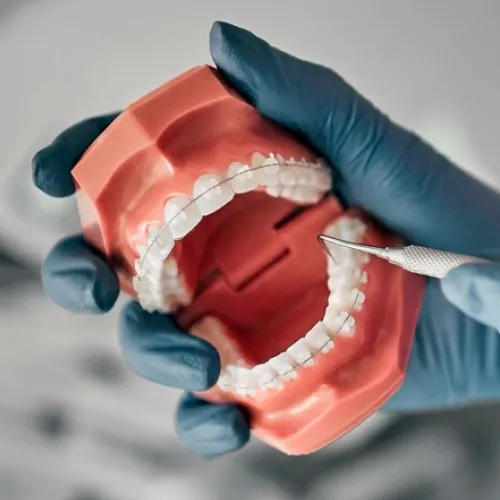
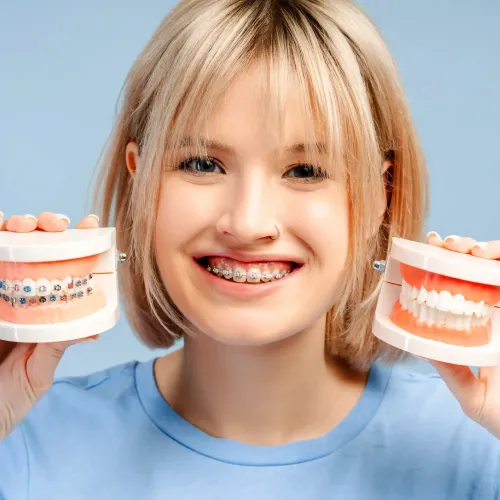
There are several types of braces available for adults, each with its own benefits. Traditional metal braces are still a popular option because they are highly effective and can correct even severe misalignments. For those who are concerned about the appearance of metal braces, ceramic braces offer a more discreet option. These braces are similar to metal ones but use clear or tooth-colored brackets that blend in with your teeth.
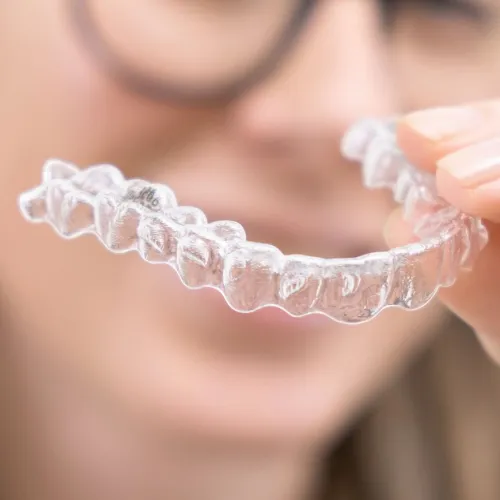
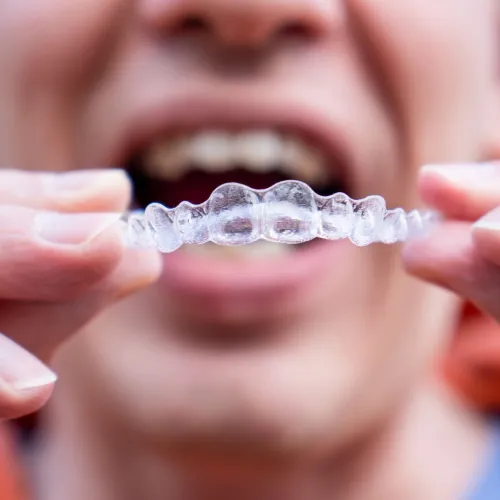
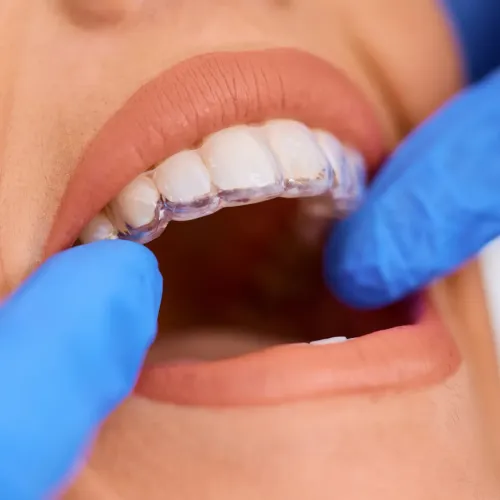
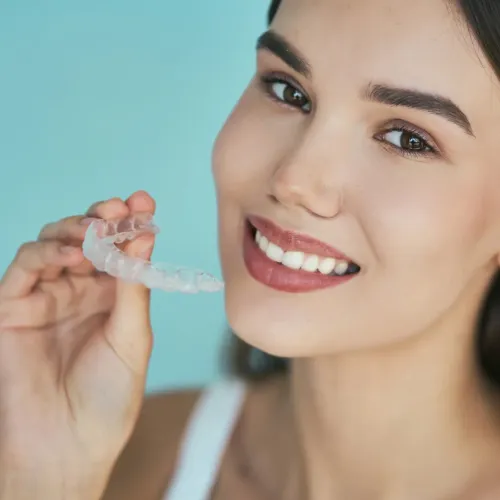
Another increasingly popular option for adults is clear aligners like Invisalign. These aligners are nearly invisible and can be removed for eating and cleaning, making them a convenient choice for busy adults. They’re a great option for those who want to straighten their teeth without the noticeable appearance of traditional braces.
Beyond the cosmetic and health benefits, getting braces as an adult can also boost your self-confidence. A straight, beautiful smile can enhance your professional and personal life, making you feel more confident in social and work settings. It’s never too late to invest in your smile and reap the rewards that come with it.
Moreover, orthodontic treatment can have a positive impact on your bite, helping to correct issues such as overbites, underbites, and crossbites. These bite problems can cause discomfort, difficulty chewing, and even lead to jaw pain. Braces can realign your bite, providing relief from these issues and improving your overall quality of life.
If you’re concerned about the time commitment, rest assured that orthodontic technology has advanced significantly in recent years. Treatments are more efficient and comfortable than ever before, and many adults find that the results are well worth the investment of time and effort.
In summary, braces are not just for kids. Adults can and should consider orthodontic treatment to improve their smile, oral health, and confidence. Whether you choose traditional braces, ceramic options, or clear aligners, your orthodontist will work with you to create a personalized treatment plan that fits your needs and goals. Remember, it’s never too late to achieve the smile you've always wanted!
Now that you have the answers to the most common questions about braces, it's time to take the next step. Whether you're a parent considering braces for your child or an adult ready to invest in your smile, our experienced dental team is here to guide you through the process.
Schedule a consultation with our orthodontic specialists today, and let us help you achieve the confident, healthy smile you deserve. We’re excited to be a part of your journey to better dental health!

// NU DENTISTRY IN Cypress, Texas
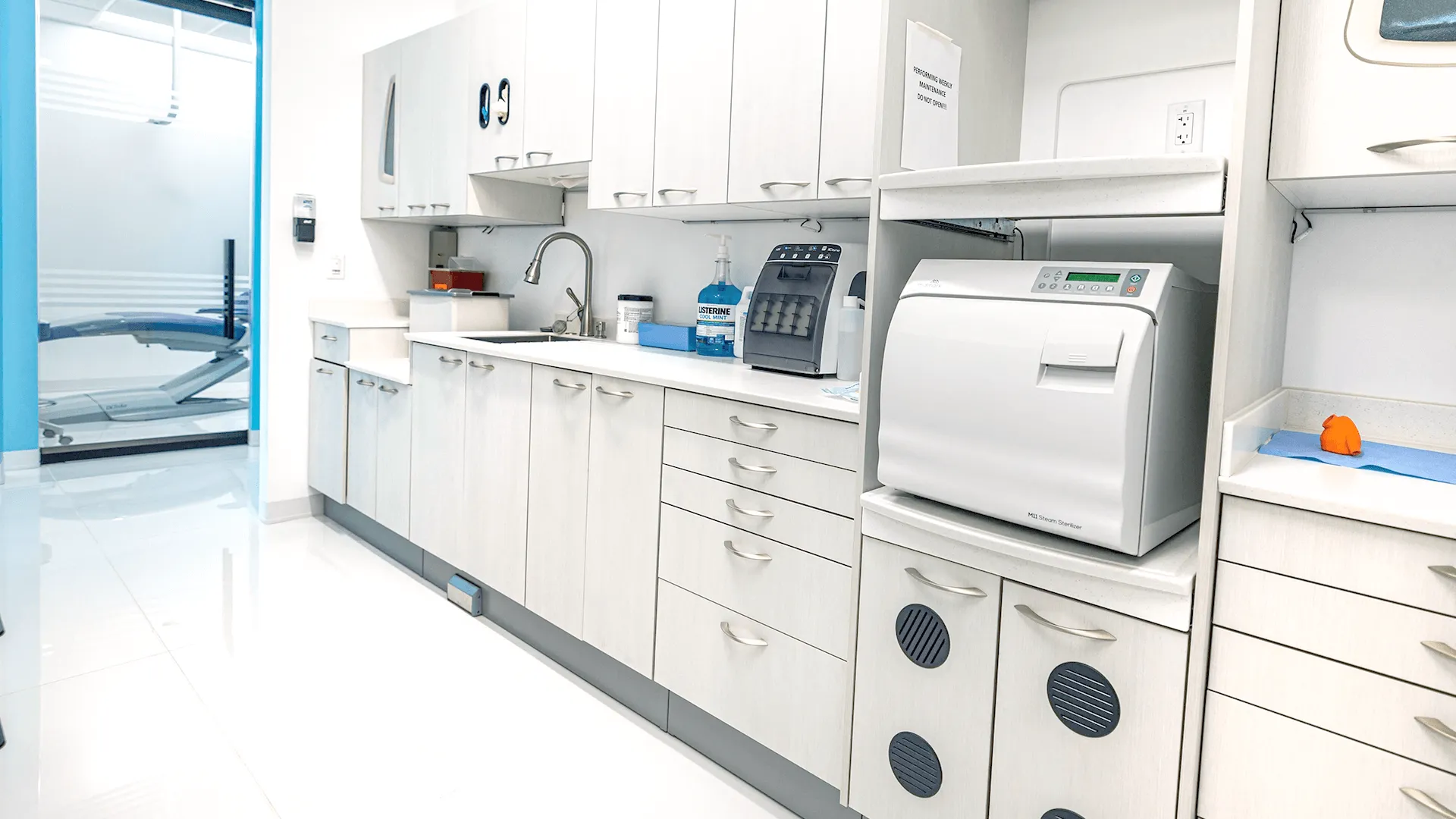
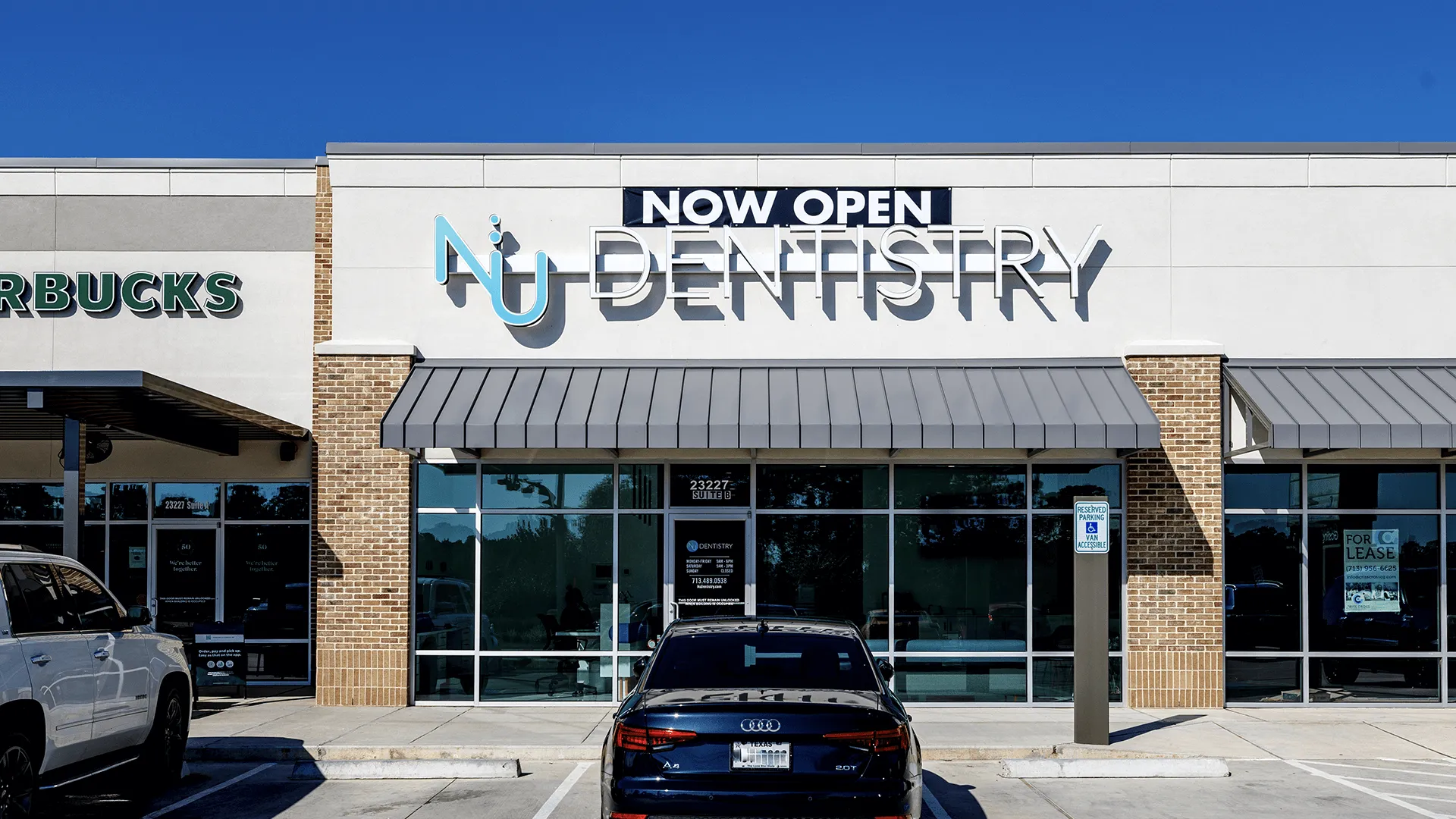
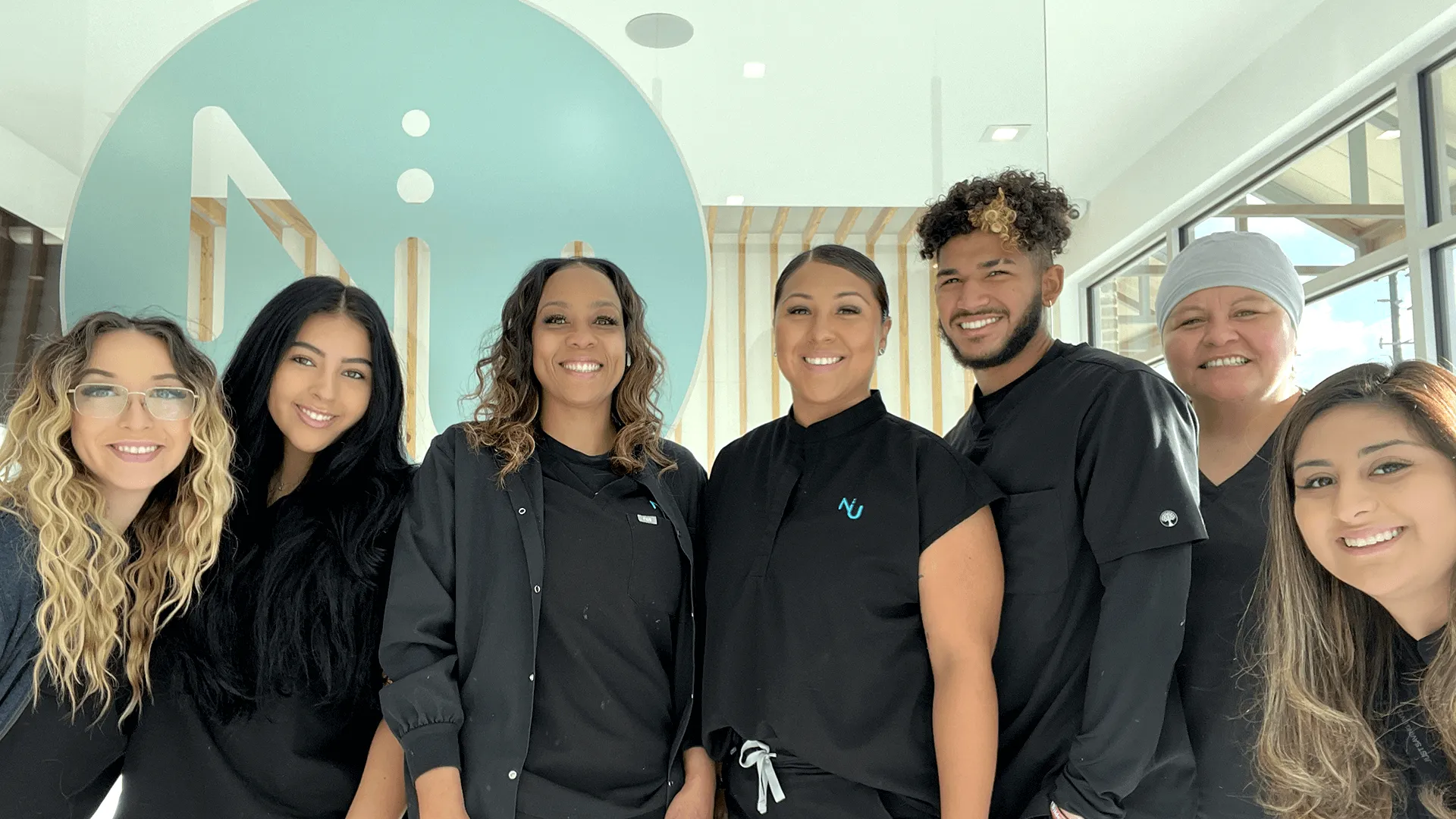
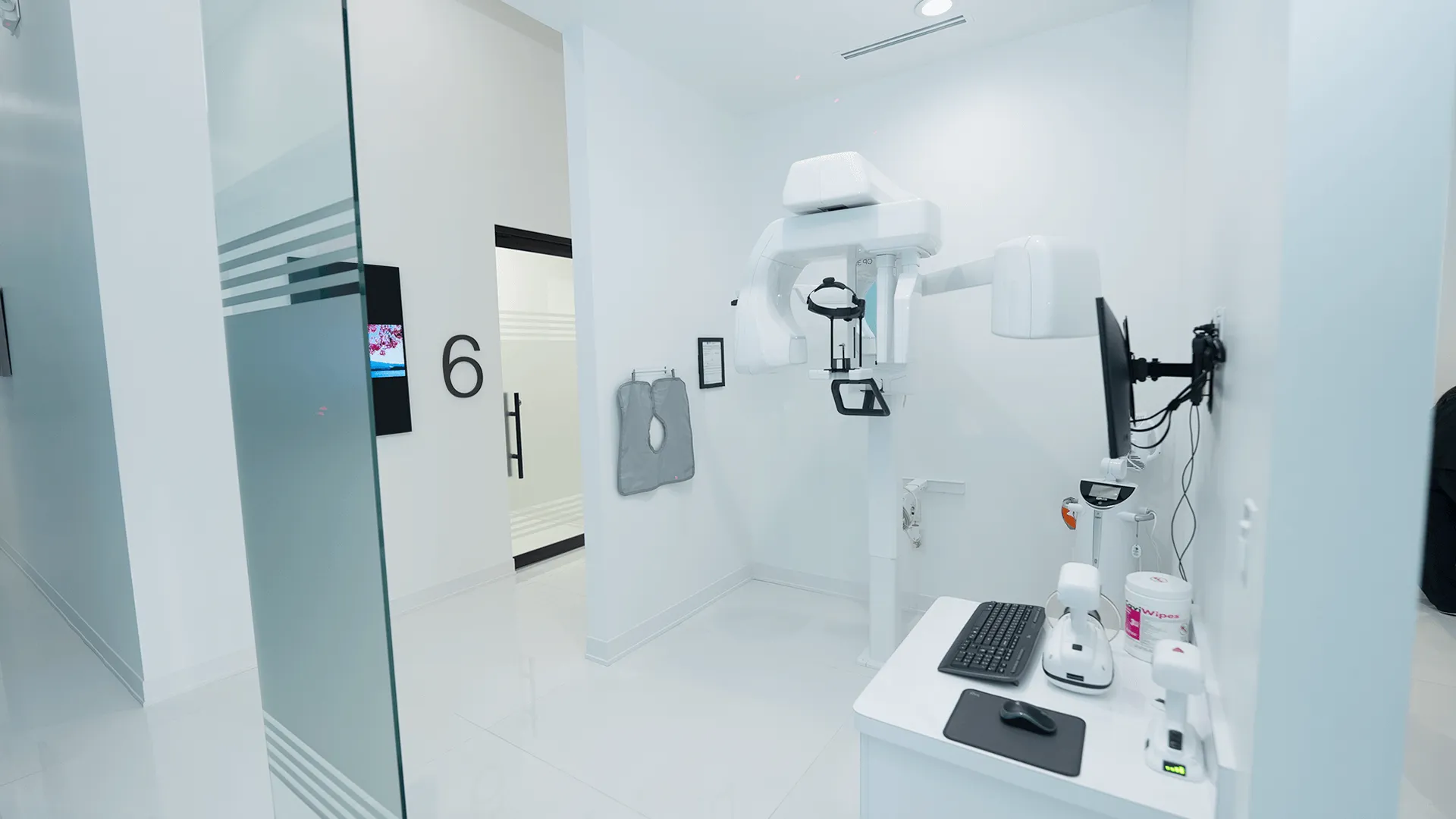
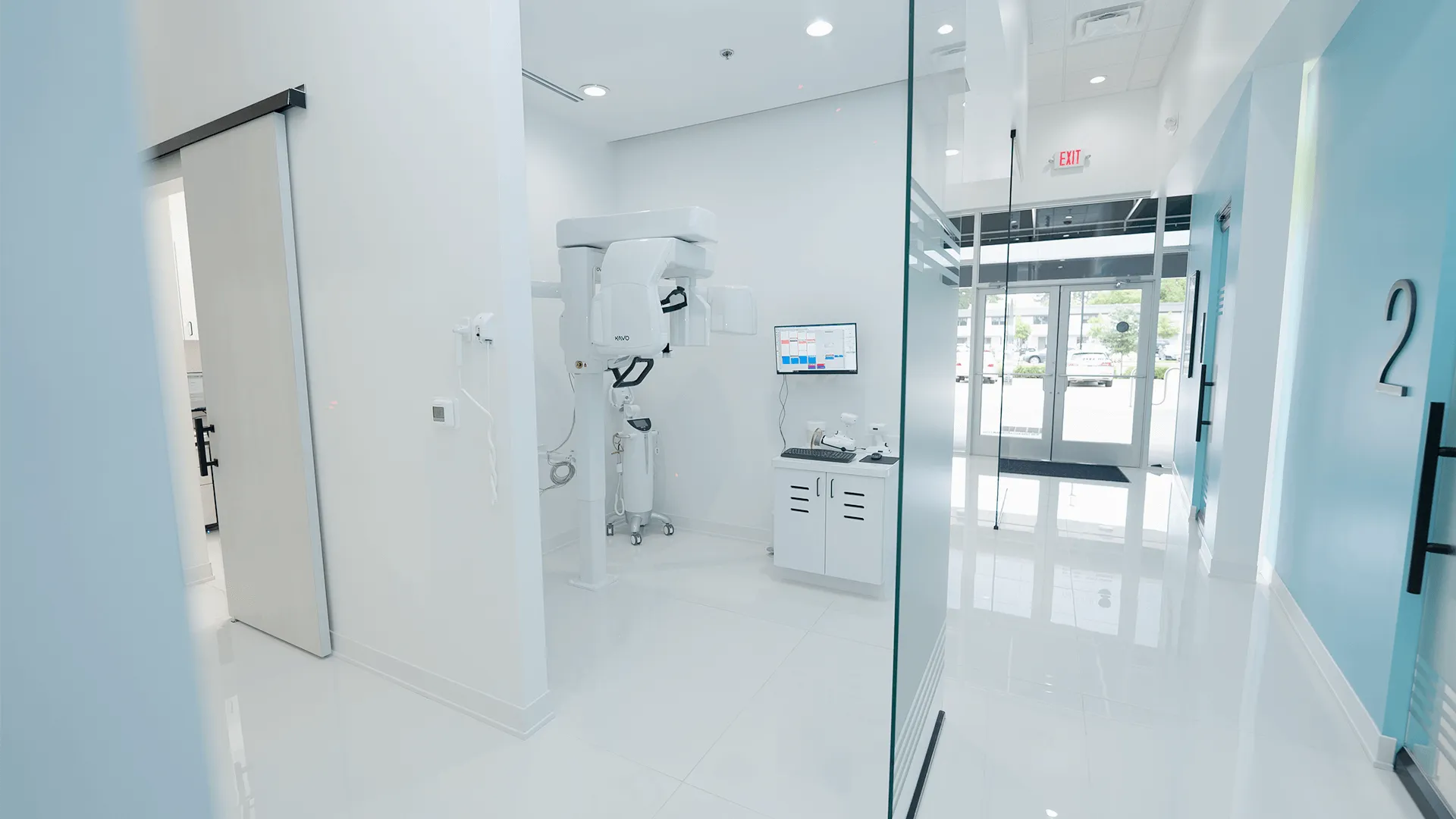
SEE WHAT A VISIT TO OUR MODERN, STATE-OF-THE-ART DENTIST OFFICE IS LIKE









Monday 9am - 6pm
Wednesday 9am - 6pm
Friday 9am - 6pm
Saturday 9am - 3pm
8940 Barker Cypress Rd. Cypress, TX 77433
3201 N. Shepherd Dr. Suite 113, Houston, TX 77018
8145 Highway 6, Building B #200, Missouri City, TX 77459
11115 W Grand Parkway S, Suite 140, Richmond, TX 77407
23227 Gosling Rd. Suite B, Spring, TX 77389
5706 San Felipe St. Ste B-300, Houston, TX 77057
// PATIENT TESTIMONIALS Cypress, TX
CHECK OUT WHAT OUR PATIENTS ARE SAYING IN CYPRESS, TX



// CARING DENTISTS Cypress, TX
OUR SOCIALS
FOLLOW US ON THESE SOCIAL MEDIA PLATFORMS