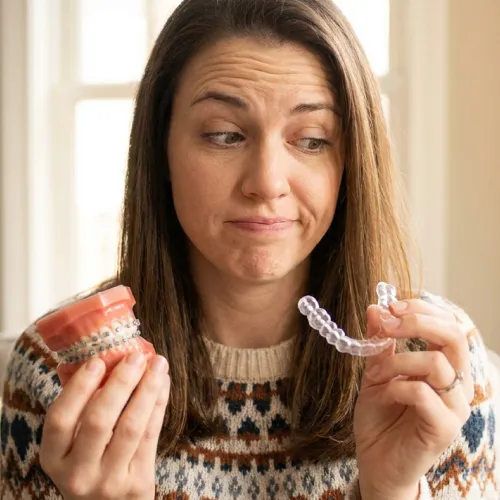
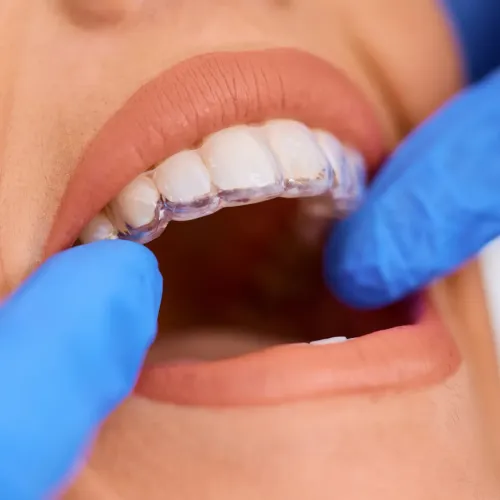
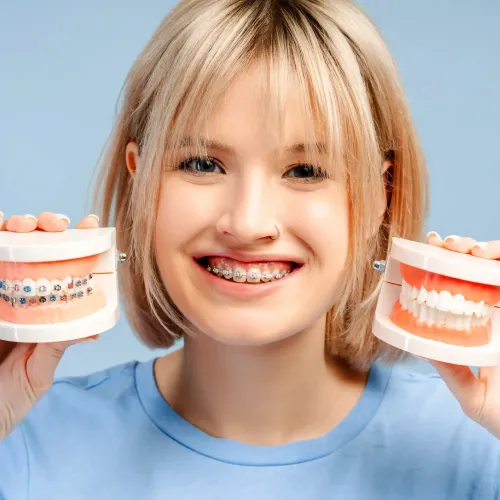
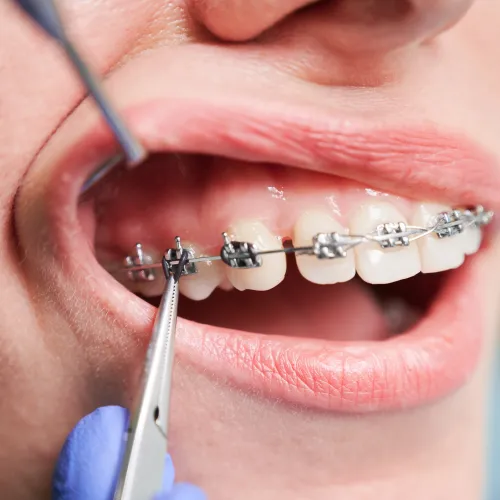
Braces vs. Invisalign: Which Is Actually Better for Complex Bites?
Are braces or Invisalign better for complex bites? Compare clear aligners and traditional braces to find your best fit. Book a consultation in Cypress today!
Read More

Specialty Dentistry
Gone are the days when a visit to the dentist was synonymous with discomfort and anxiety. In the realm of modern dentistry, 'total sleep dentistry' emerges as a game-changer, promising a pain-free, anxiety-free experience. But what exactly is this innovative approach, and how can it transform your next dental visit? Let's unravel the mystery of total sleep dentistry and explore how it can lead to a more comfortable dental experience.
Sleep dentistry, or sedation dentistry, stands as a revolutionary approach in dental care, employing medication to ensure a relaxing and anxiety-free experience for patients. This method is a blend of comfort and consciousness, adapted to individual patient needs. Let's delve deeper into each stage of the process:
Pre-Procedure Assessment:
Before any sedative is administered, your dentist conducts a comprehensive evaluation. This assessment is not just a formality; it's a crucial step where the dentist examines your medical history and current health conditions to identify any potential risks associated with sedation. Moreover, they discuss with you to understand your level of dental anxiety, which is pivotal in determining the type of sedation that will be most effective for you. This personalized approach in sleep dentistry ensures that the chosen method aligns perfectly with your health needs and the specifics of the dental procedure you require.
Administering Sedation:
The administration of sedation is a finely-tuned process. It begins with choosing the appropriate sedative, which can range from mild options like nitrous oxide, often known as laughing gas, to more profound forms like IV sedation or general anesthesia. The mild sedation options are typically suitable for less invasive procedures and for patients with minimal anxiety. They help you relax while allowing you to remain awake and responsive. On the other hand, deeper sedation or general anesthesia is reserved for more intensive dental work or for patients with severe dental anxiety. These forms of sedation can induce a sleep-like state or even full unconsciousness, ensuring you feel no discomfort during the procedure.
During the Procedure:
While under sedation, the dental team continuously monitors your vital signs, ensuring your safety throughout the procedure. The level of consciousness varies depending on the sedation type, but the common thread is the significant reduction or complete elimination of anxiety and discomfort. For many patients, this is a game-changer, transforming a potentially stressful dental visit into a calm and manageable experience.
Post-Procedure Recovery:
The recovery process is as integral to sleep dentistry as the procedure itself. Once your dental treatment is complete, you're given time to recover from the effects of the sedation. The length of this recovery period varies depending on the sedation level. For lighter sedation, you may find yourself able to resume normal activities relatively quickly, often the same day. In cases of deeper sedation, a longer recovery period is necessary, and you may need someone to accompany you home. The dental team provides detailed post-procedure care instructions, ensuring a smooth and safe recovery.
In summary, sleep dentistry is a meticulously crafted process, designed to make dental procedures as comfortable and anxiety-free as possible. From the initial assessment to the careful monitoring during the procedure and the supportive post-procedure recovery, each step is tailored to provide a stress-free dental experience. This approach has revolutionized dental care, opening doors for patients who have long been hesitant due to fear or anxiety, and ensuring that everyone can receive the dental care they need in the most comfortable way possible.
The realm of sleep dentistry requires specific expertise, and not every dentist is qualified to administer all levels of sedation. Here’s an expanded look at how to identify the right dental professional for your sedation needs:
General Dentists:
General dentists are usually the first point of contact for your dental care needs. While most general dentists are trained and certified to provide mild sedatives, such as nitrous oxide or oral sedatives, their expertise in this area can vary. It's essential to understand that even mild sedation requires careful handling. A general dentist with experience and additional training in sedation can adeptly manage these procedures, ensuring patient comfort while maintaining safety protocols.
Sedation Dentists:
Sedation dentists are a step beyond general dentists in terms of their training and capabilities in administering sedatives. These professionals have undergone specialized training and certification processes, enabling them to offer moderate sedation options, including intravenous (IV) sedation. This level of sedation requires more profound knowledge of drug interactions, patient monitoring, and emergency procedures. When consulting with a sedation dentist, it’s advisable to inquire about their specific training, experience, and the types of sedation they offer, ensuring they match your particular needs.
Dental Anesthesiologists:
At the pinnacle of dental sedation expertise are dental anesthesiologists. These highly specialized professionals have extensive training in anesthesiology, typically including residencies and rigorous certification processes. Dental anesthesiologists are equipped to administer deep sedation and general anesthesia, making them indispensable for complex dental procedures or for patients with severe dental anxiety or special medical conditions. They possess a comprehensive understanding of anesthesia management, patient physiology, and emergency care, ensuring the highest level of safety and comfort for patients undergoing intensive dental treatments.
When choosing a dentist for sleep dentistry, it’s crucial to not only verify their qualifications and certifications but also to consider their experience and track record. Look for patient reviews and testimonials, which can provide real-world insights into their practice. Additionally, a consultation session is invaluable. During this meeting, you can discuss your medical history, dental anxieties, and specific concerns. This is also an opportunity to gauge the dentist's approach to patient care, their communication style, and their ability to make you feel at ease.
Furthermore, it's important to ensure that the dental practice is equipped with the necessary tools and facilities to safely administer and monitor sedation. This includes up-to-date medical equipment for monitoring vital signs, emergency protocols, and a well-trained staff.
The cost of sleep dentistry varies widely based on several factors:
Type of Sedation:
Mild sedatives like nitrous oxide are more affordable compared to general anesthesia.
Duration and Complexity of the Procedure:
Longer and more complex procedures generally cost more.
Geographical Location:
Costs can vary based on where you're located.
It's important to discuss costs upfront with your dentist. Many dental insurances cover a portion of sedation dentistry, especially if it's necessary for a complex procedure.
Total sleep dentistry is transforming dental care, making it a less daunting and more comfortable experience. Whether you're dealing with dental anxiety or facing a complex procedure, sleep dentistry could be your solution. At our dental office, we prioritize your comfort and safety. Our experienced team is equipped to provide the highest standard of sedation dentistry, tailored to your specific needs.
Ready to experience a new era of pain-free dental care? Contact us today to schedule an appointment and discover how total sleep dentistry can make your next dental visit a breeze.


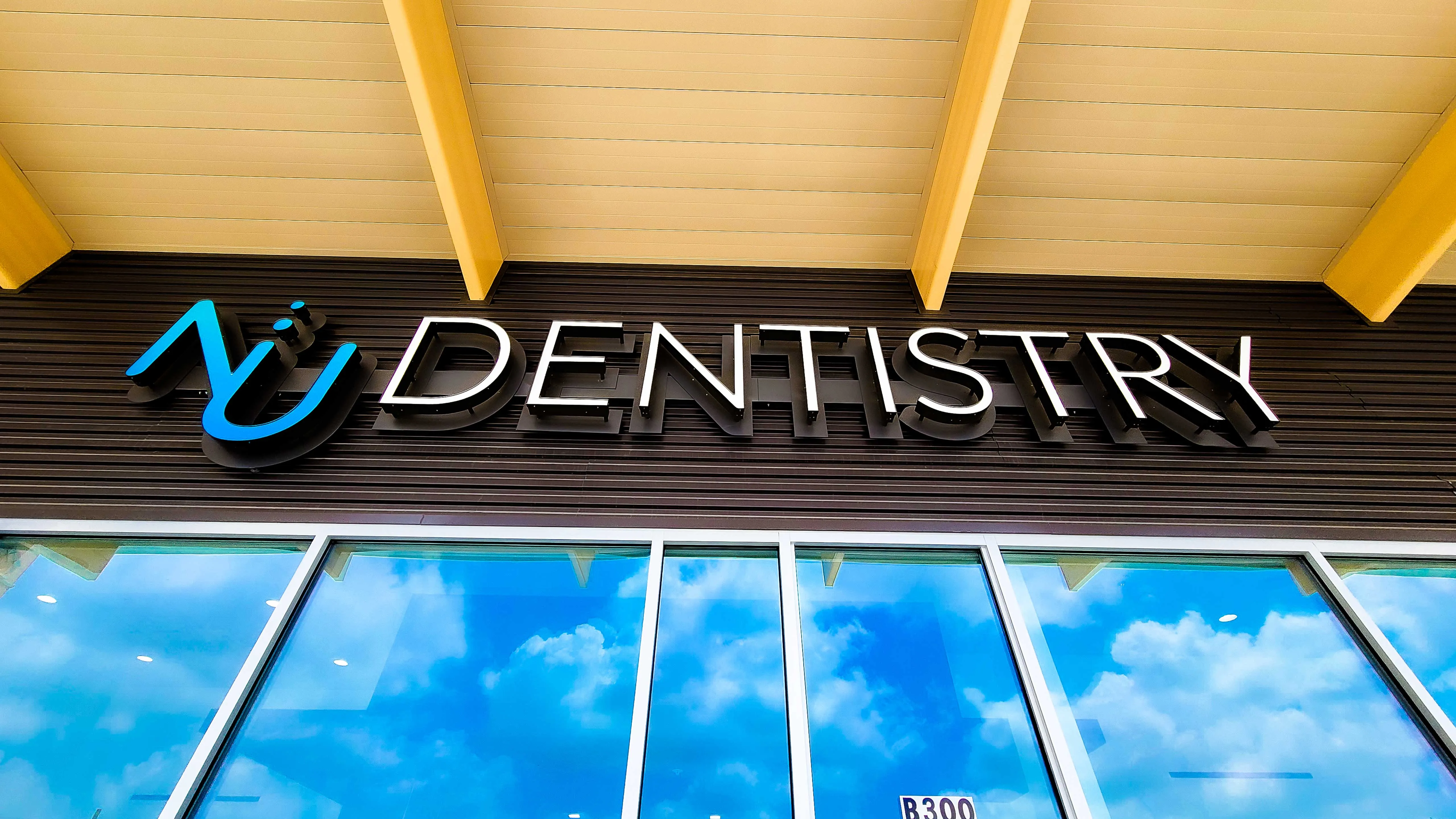
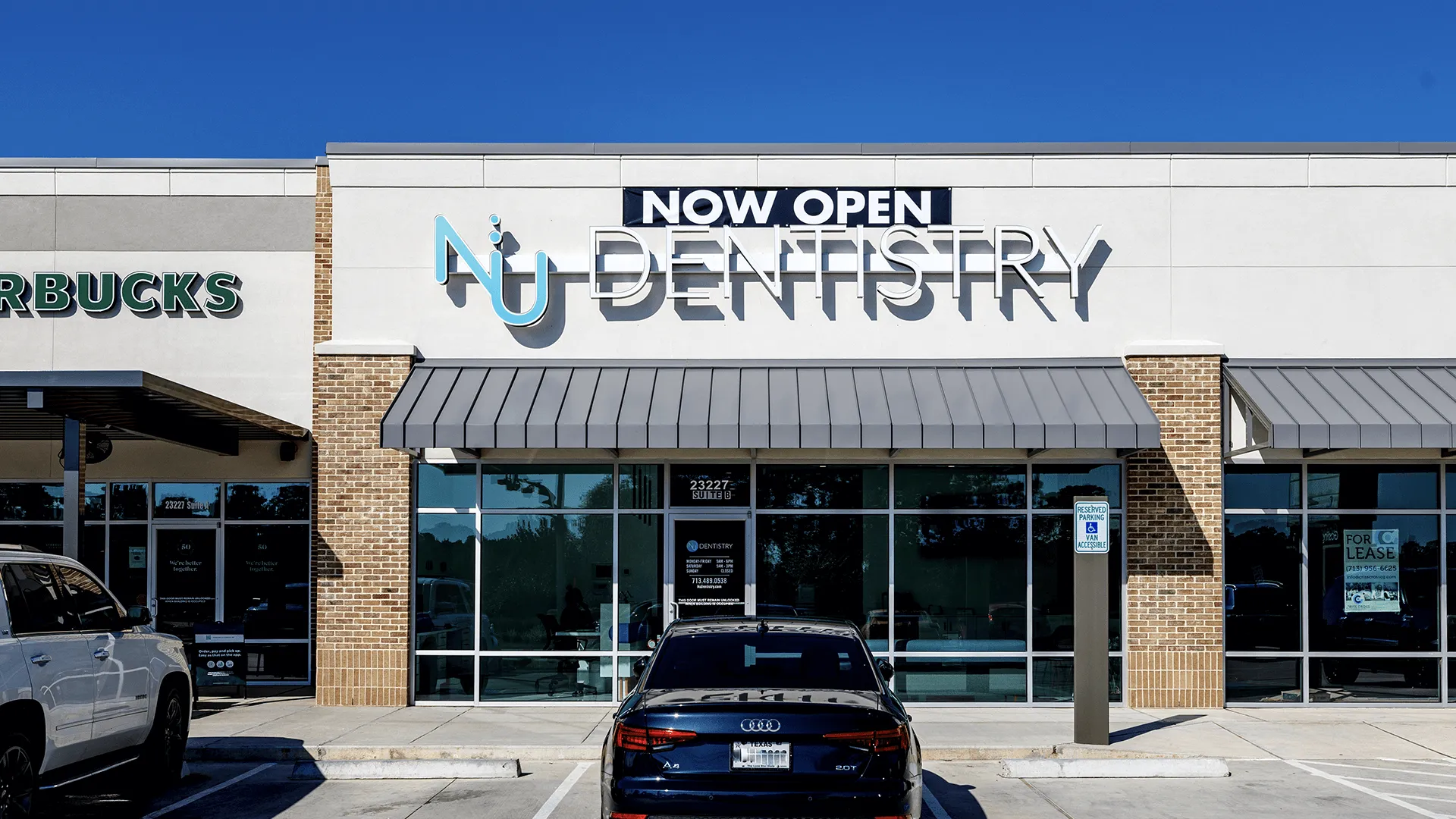
// NU DENTISTRY IN Cypress, Texas
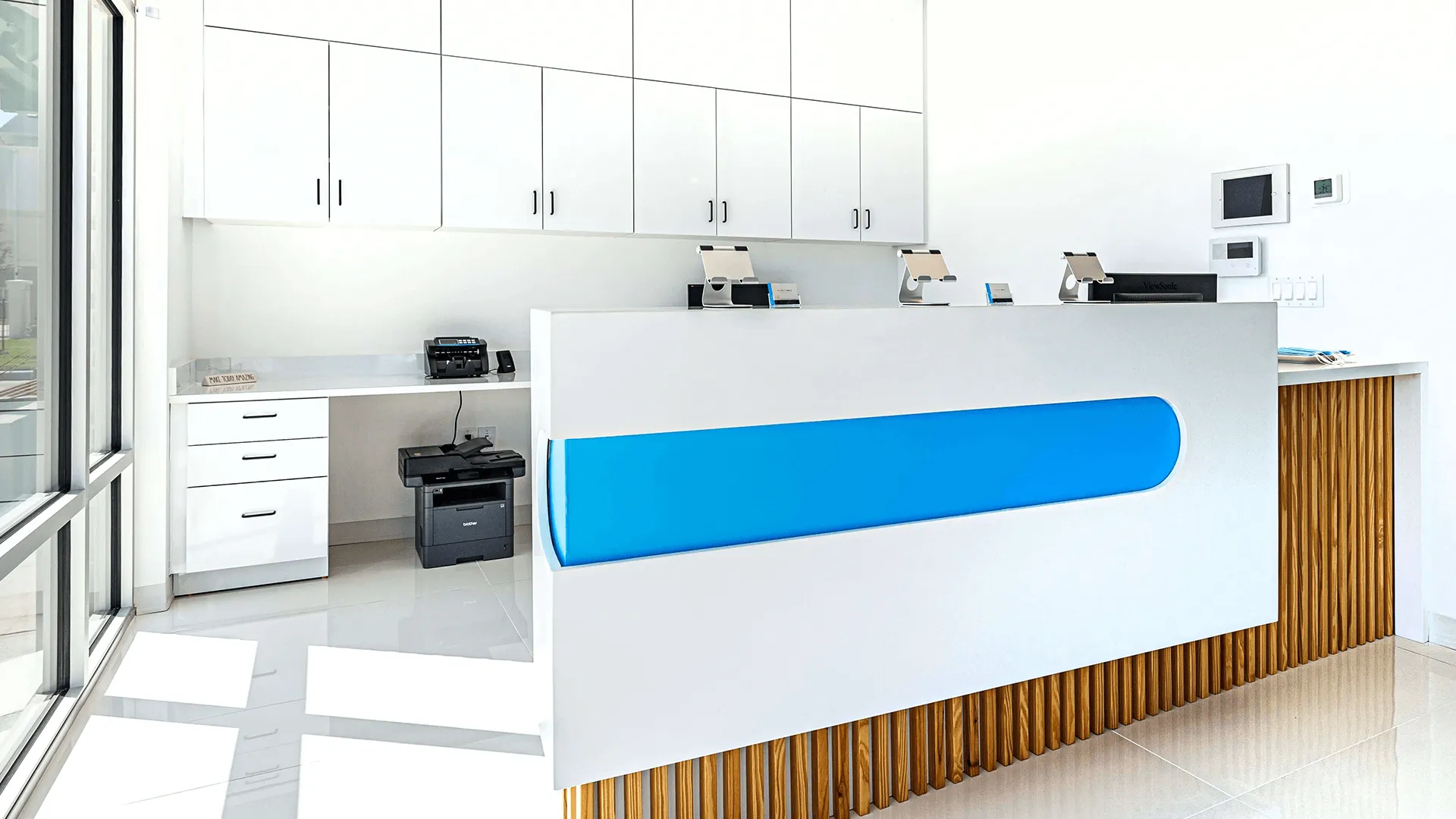
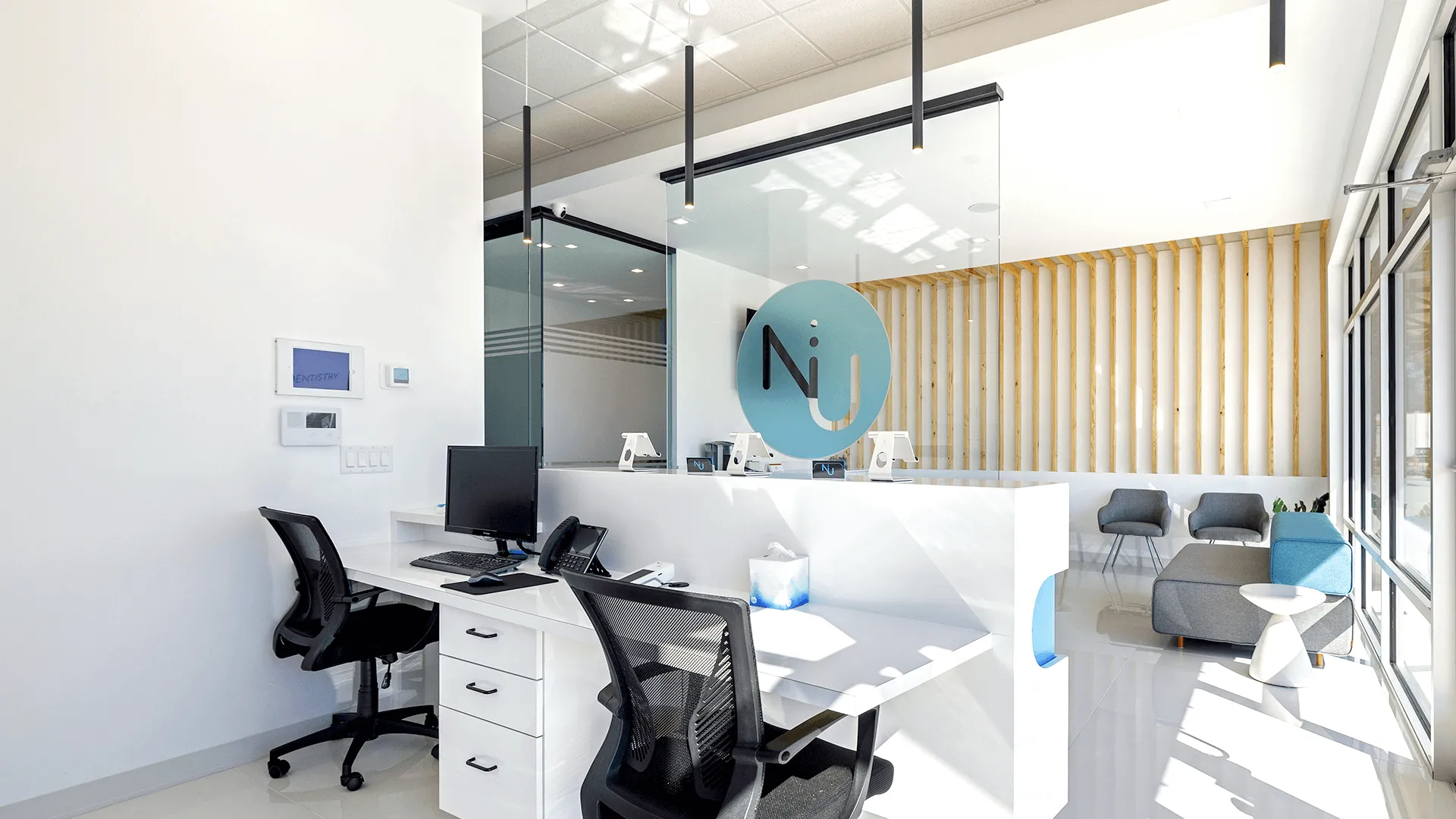
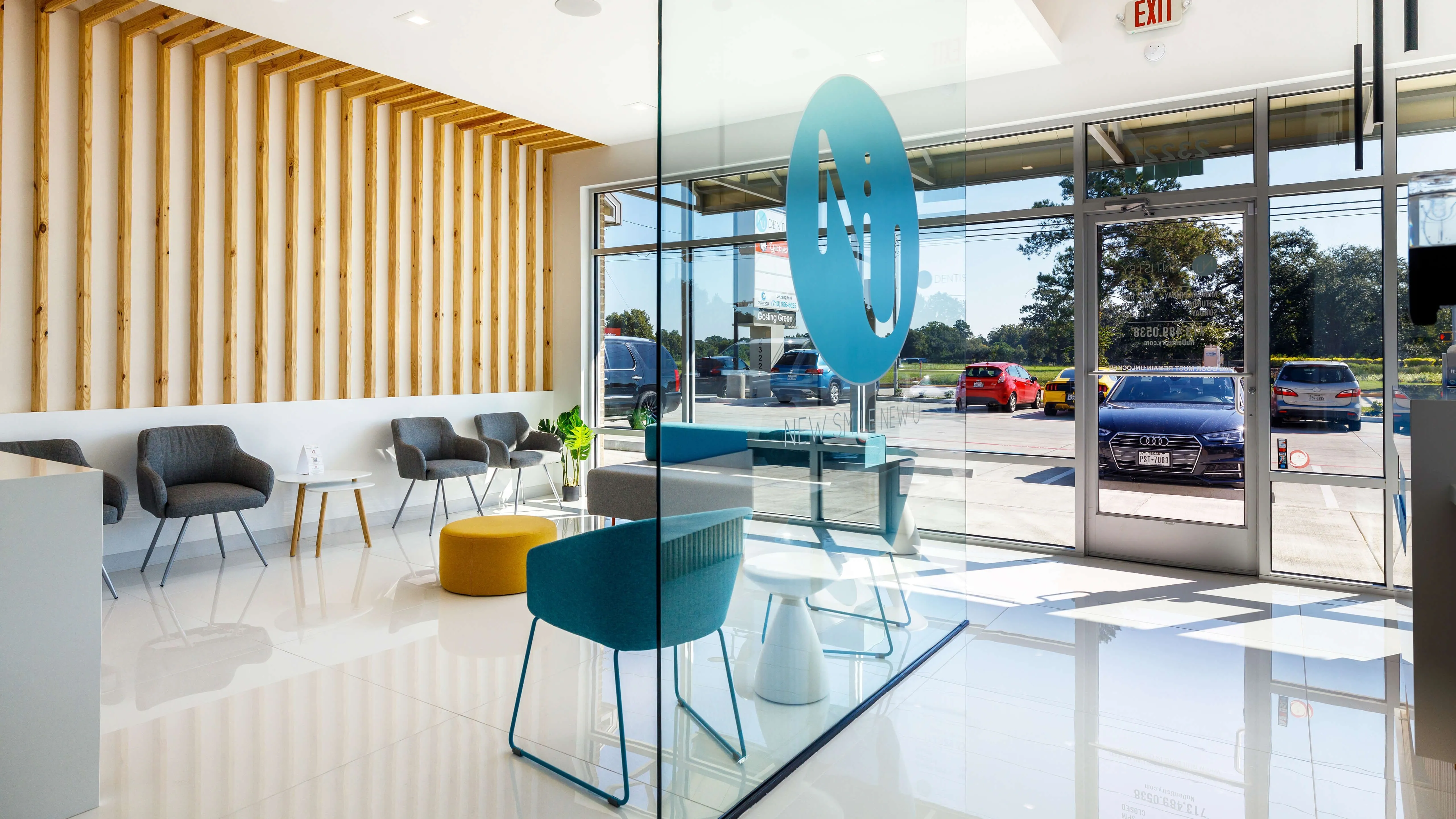
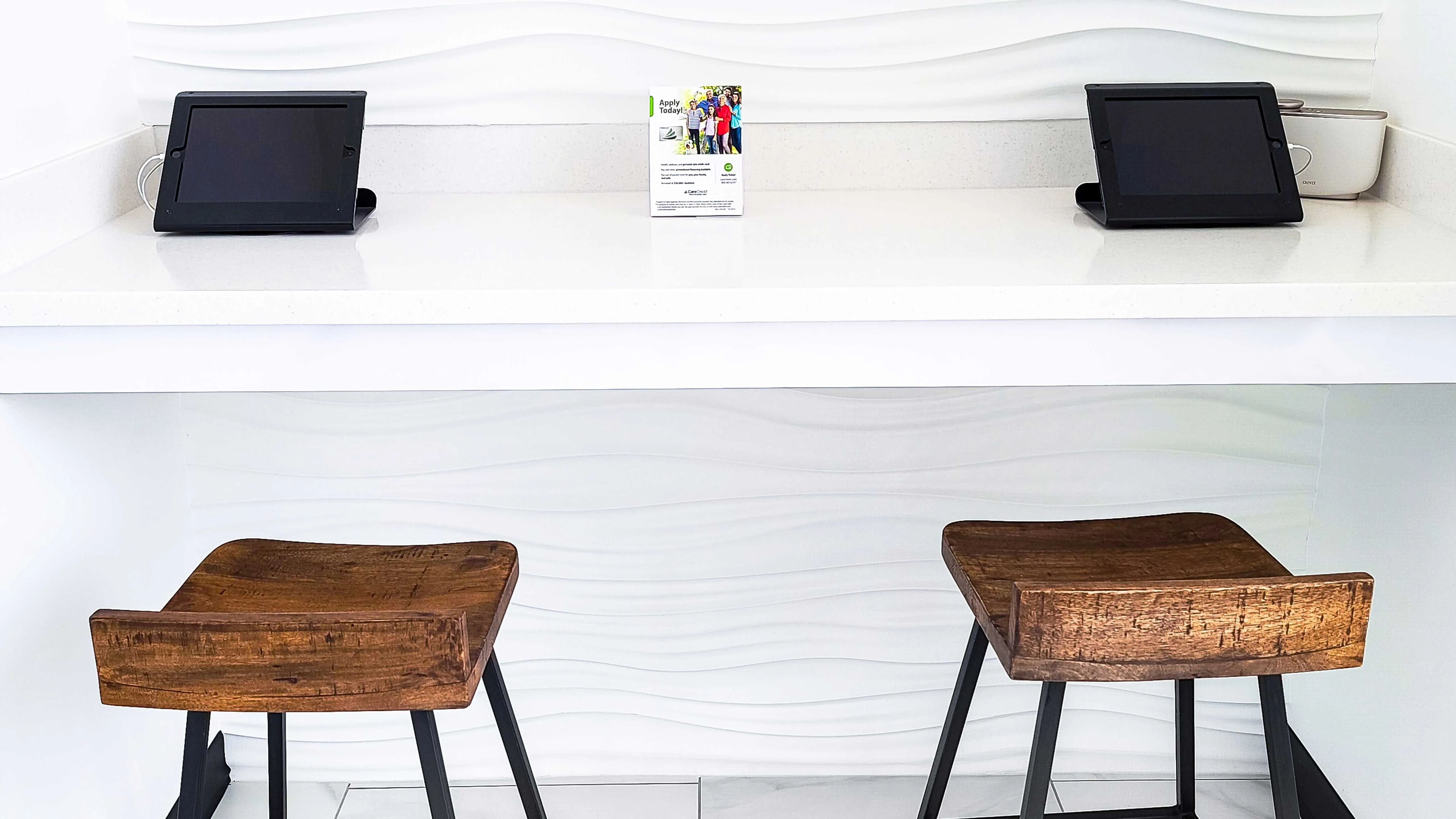
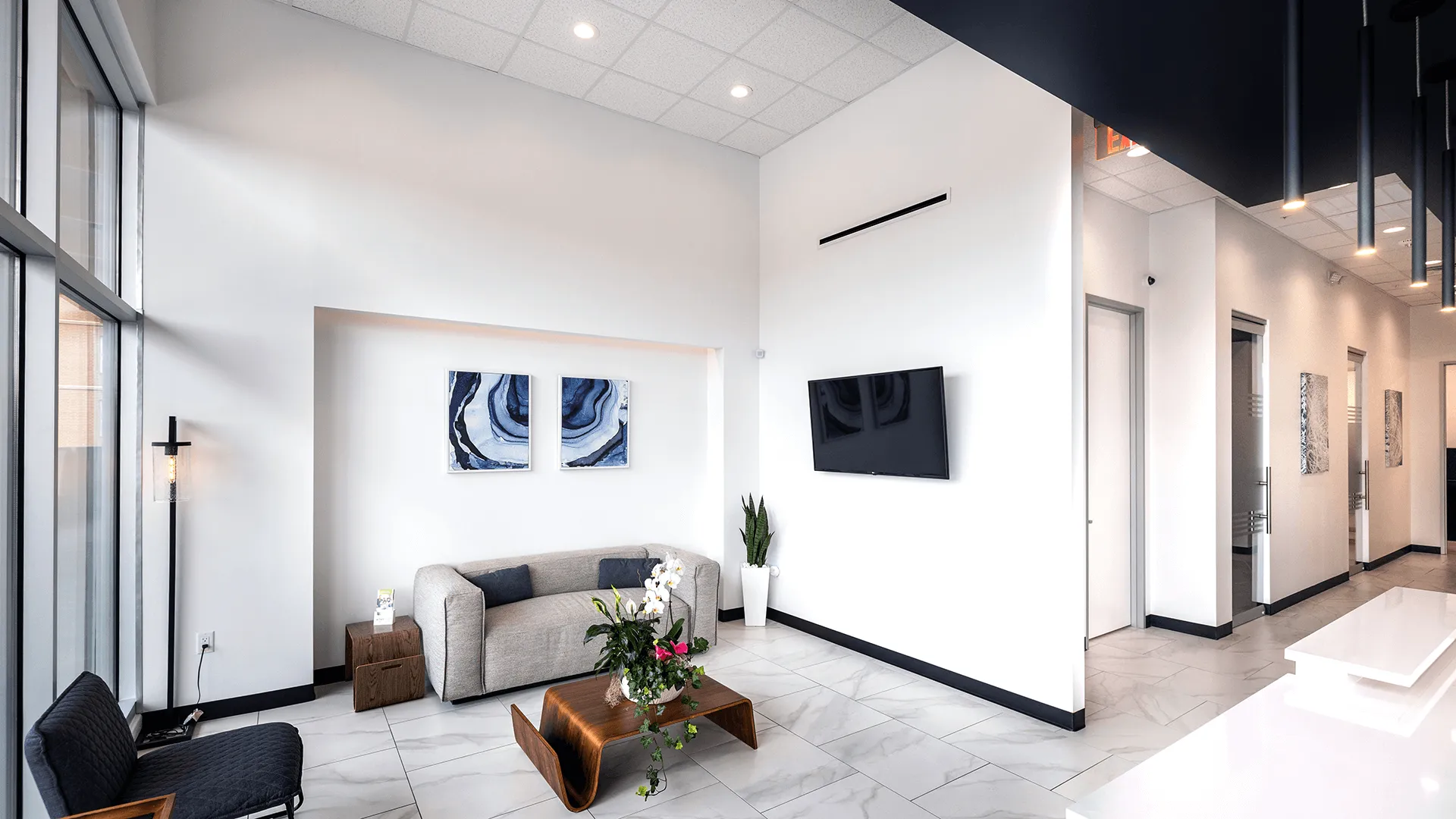
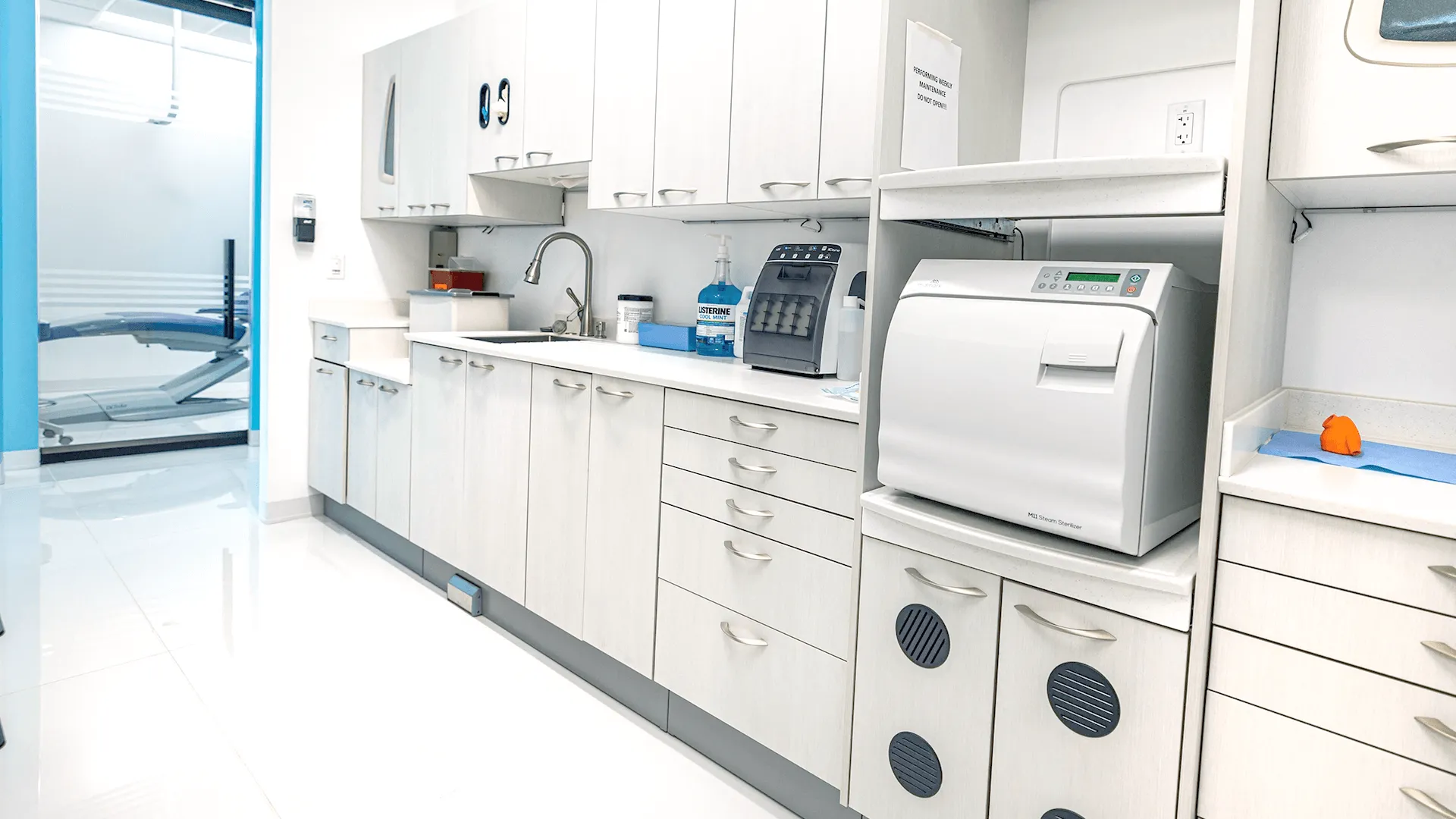
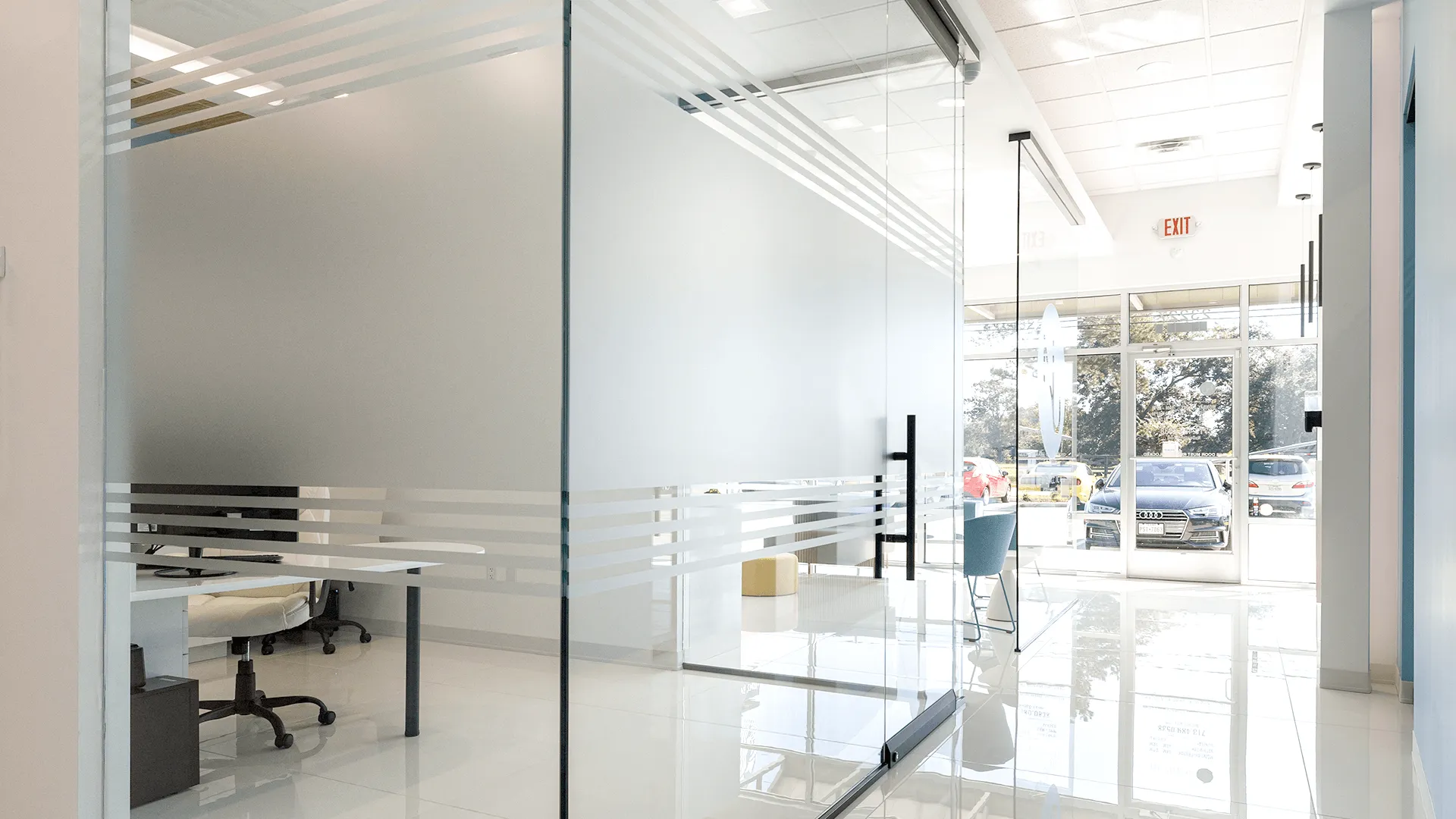
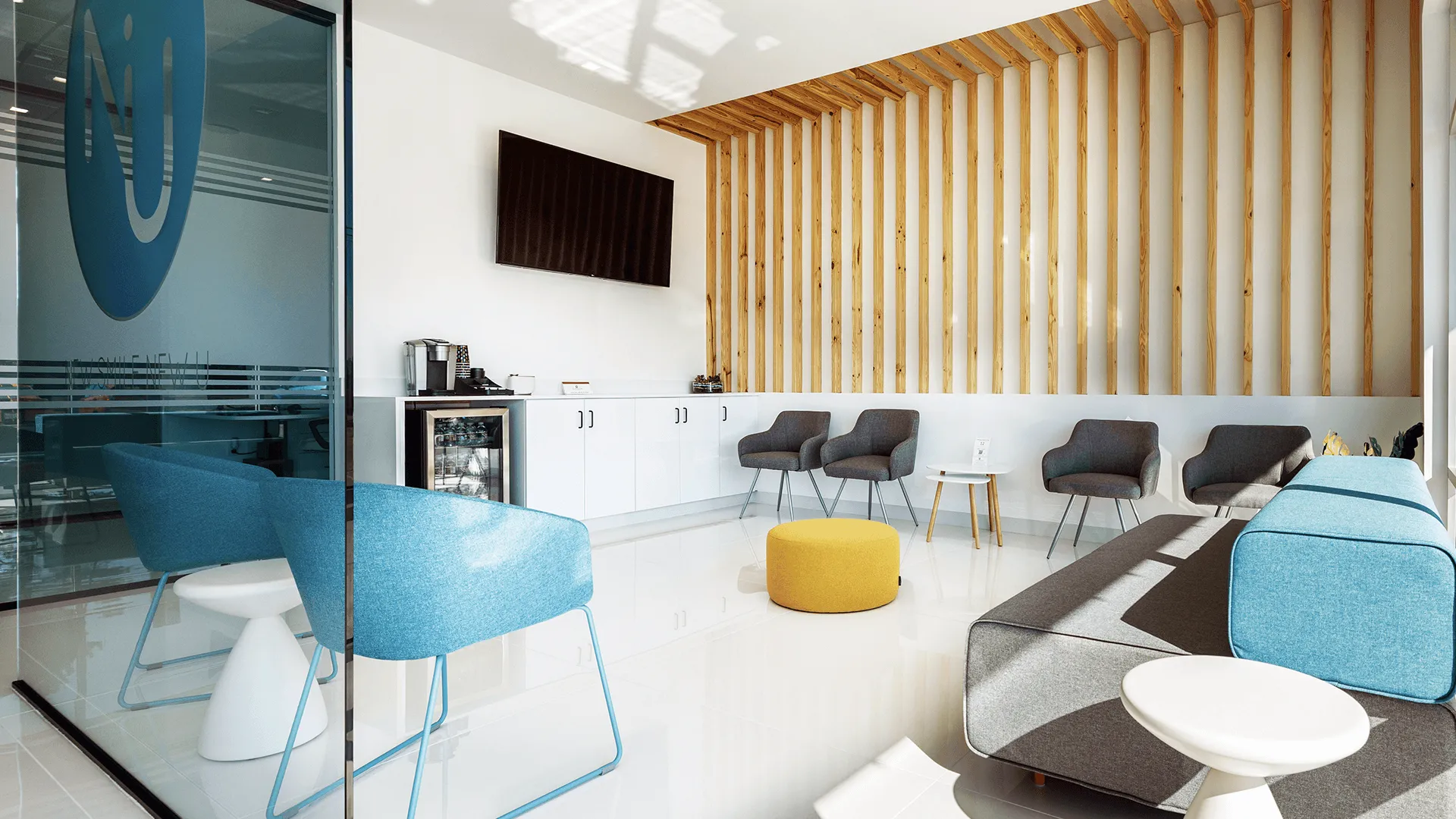
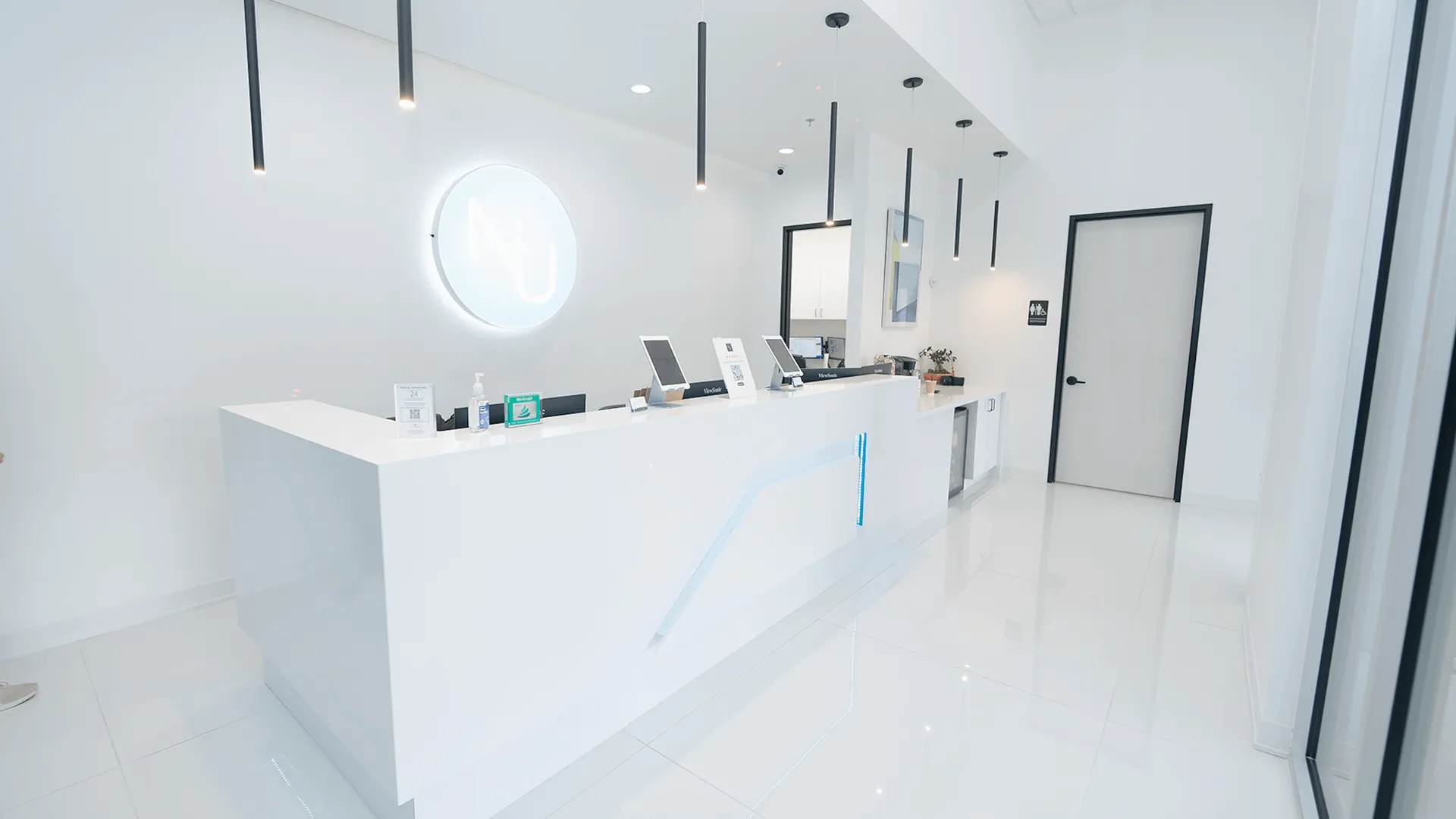
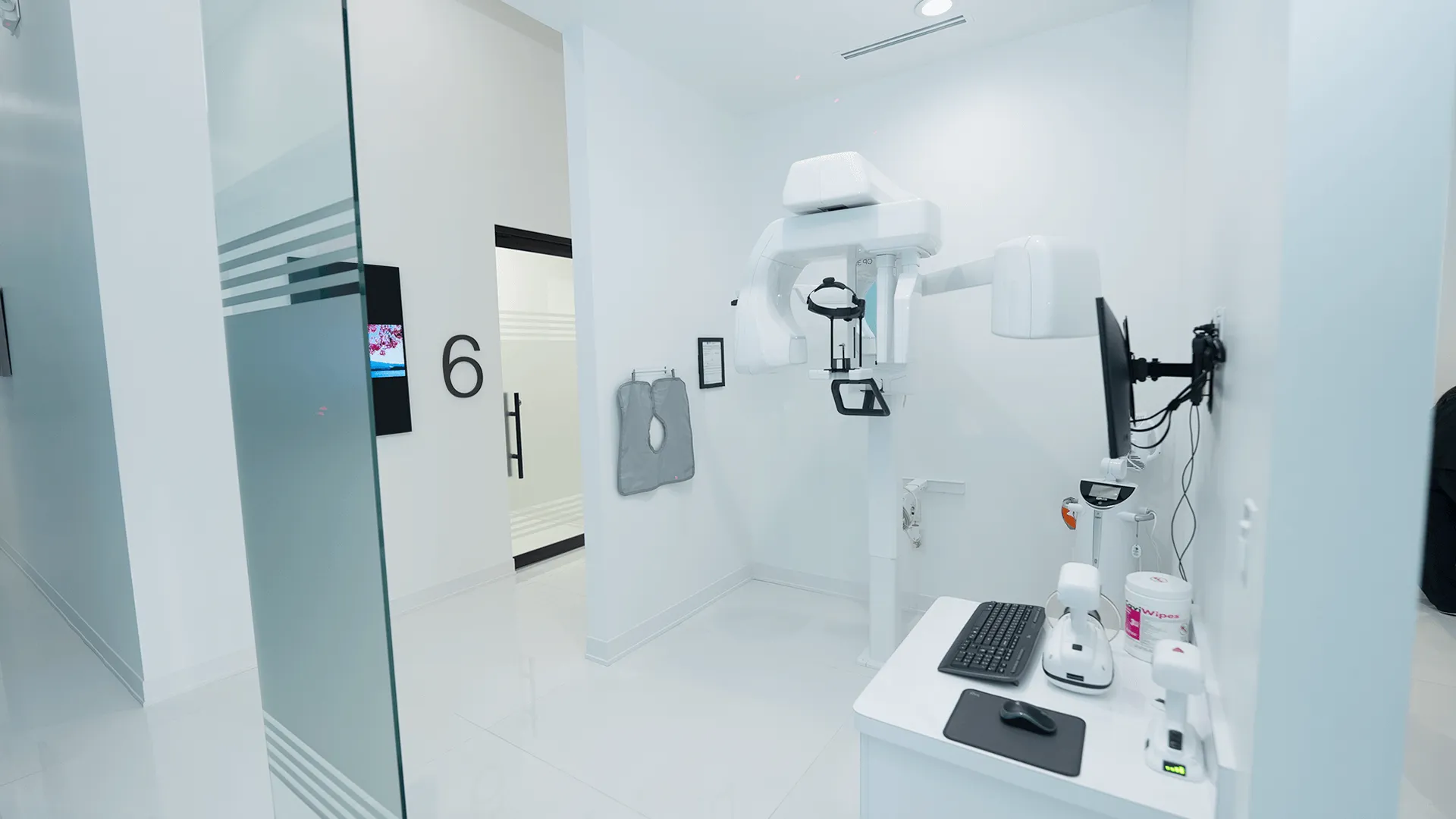
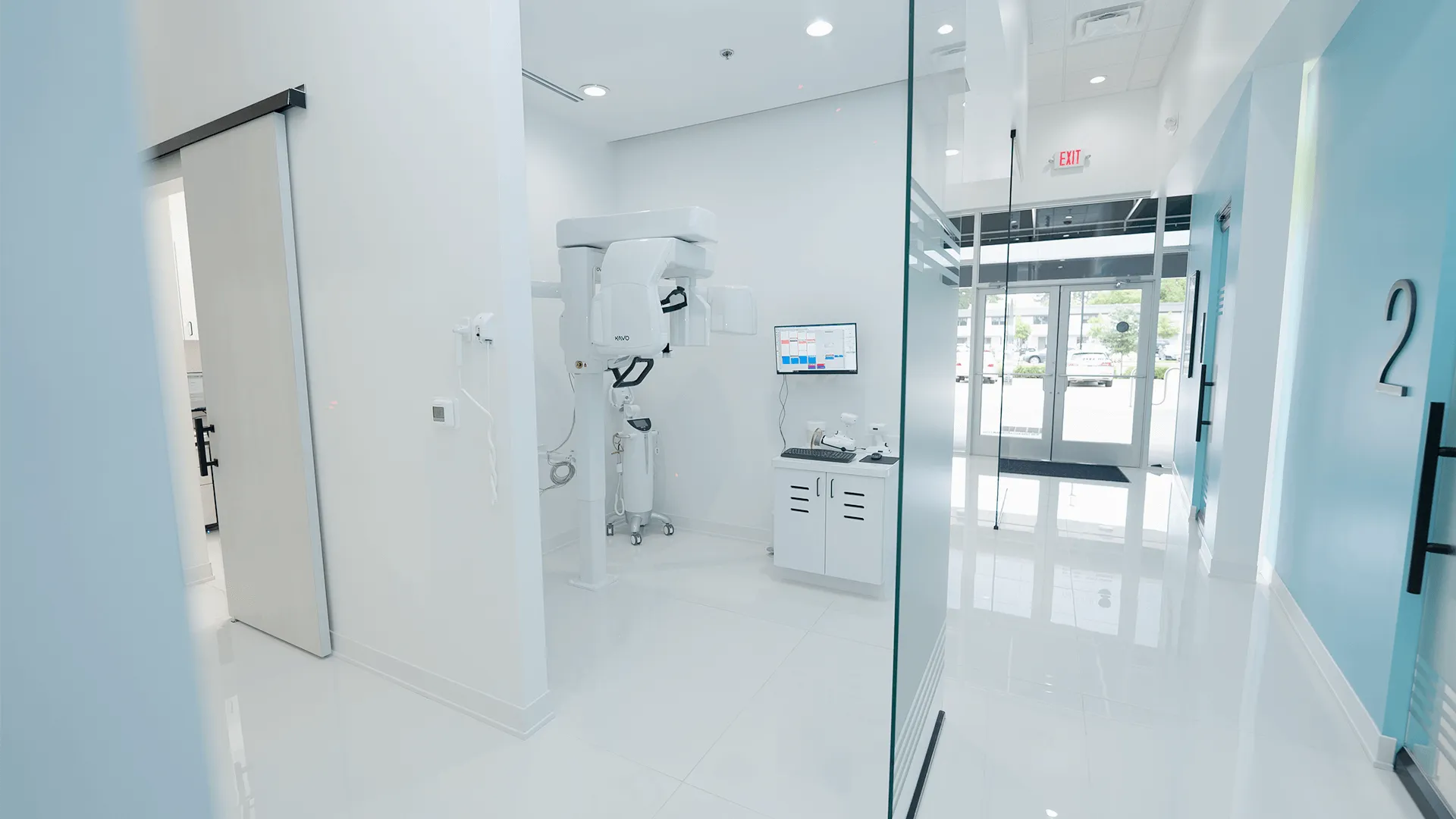
SEE WHAT A VISIT TO OUR MODERN, STATE-OF-THE-ART DENTIST OFFICE IS LIKE


Monday 9am - 6pm
Wednesday 9am - 6pm
Friday 9am - 6pm
Saturday 9am - 3pm
8940 Barker Cypress Rd. Cypress, TX 77433
3201 N. Shepherd Dr. Suite 113, Houston, TX 77018
8145 Highway 6, Building B #200, Missouri City, TX 77459
11115 W Grand Parkway S, Suite 140, Richmond, TX 77407
23227 Gosling Rd. Suite B, Spring, TX 77389
5706 San Felipe St. Ste B-300, Houston, TX 77057
// PATIENT TESTIMONIALS Cypress, TX
CHECK OUT WHAT OUR PATIENTS ARE SAYING IN CYPRESS, TX




// CARING DENTISTS Cypress, TX
OUR SOCIALS
FOLLOW US ON THESE SOCIAL MEDIA PLATFORMS