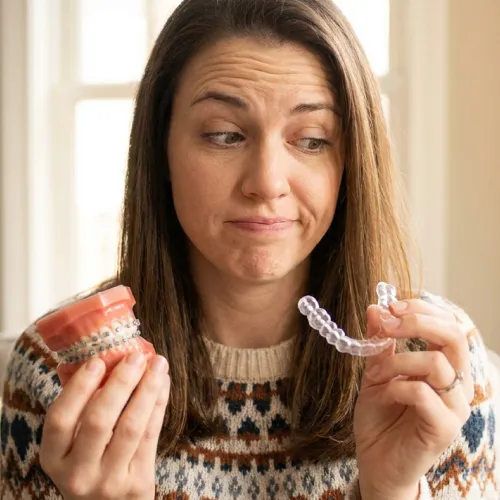
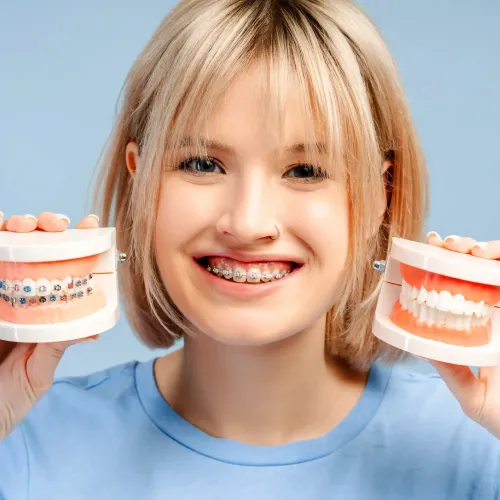
Braces vs. Invisalign: Which Is Actually Better for Complex Bites?
Are braces or Invisalign better for complex bites? Compare clear aligners and traditional braces to find your best fit. Book a consultation in Cypress today!
Read More
Cosmetic Dentistry, Teeth Straightening
If you are thinking about Invisalign, chances are you already know the basics. Clear trays. Straighter teeth. A more discreet way to improve your smile.
But what many people do not realize is this: Invisalign is not only about looks. It can also help improve how your teeth come together, how evenly you bite, and how comfortable your smile feels day to day.
At Nu Dentistry Cypress, many patients come in wanting straighter teeth, then discover Invisalign can also help with issues they thought they just had to live with, like crowding, shifting, or a bite that feels a little off.
In this blog, we are going beyond the usual surface-level talk and getting into real questions patients ask during treatment, especially when things do not feel exactly how they expected.
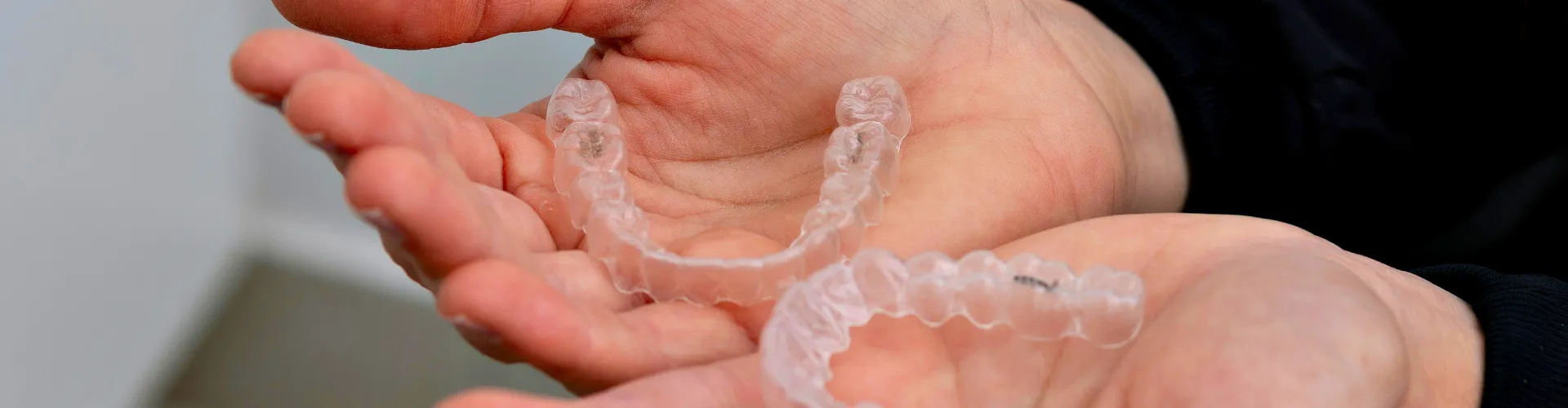
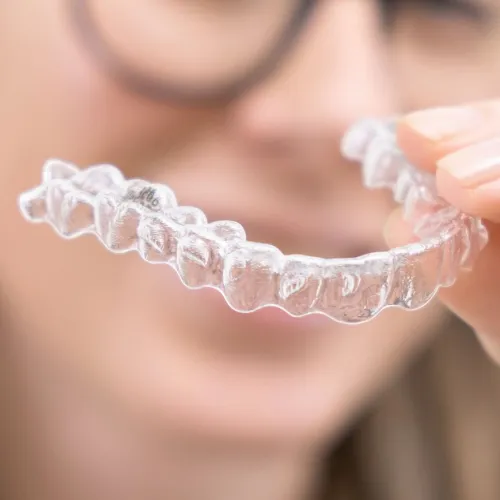
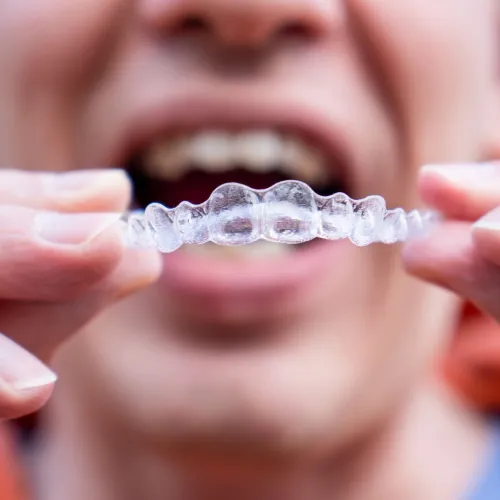
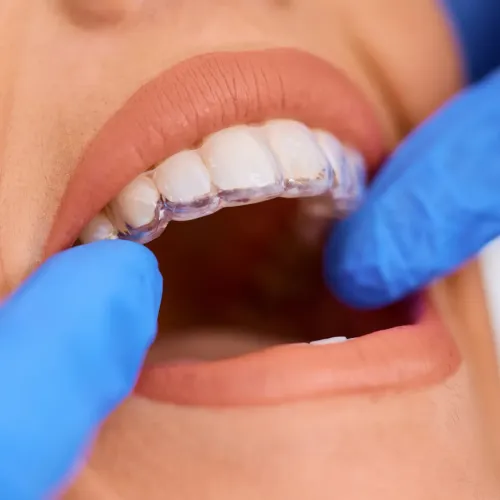
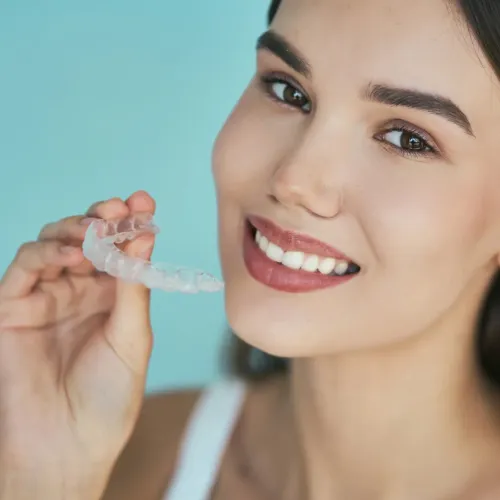
Invisalign has become a go-to option because it fits real life. You can remove the trays to eat, brush, and floss, and the clear aligners are much less noticeable than traditional braces.
That said, convenience is not the only reason people choose it.
Patients often choose Invisalign because it can help with:
The best results happen when treatment is customized to your bite, tooth movement, and overall dental health. That is why an Invisalign consultation matters. It is not just about being told you are a candidate. It is about understanding what your smile needs and what to expect as your teeth move.
A lot of patients start Invisalign expecting every week to feel exactly the same. In real life, treatment has phases. Some weeks feel easy. Others feel more noticeable.
That does not automatically mean something is wrong.
Your teeth are moving through bone and gum tissue over time, and each aligner is designed to move specific teeth in a specific sequence. Some teeth respond quickly. Others are more stubborn.
A normal Invisalign journey often includes:
1. The adjustment period: The first few days with aligners can feel strange. You may notice pressure, slight soreness, or a temporary lisp.
2. A rhythm phase: Once you get used to changing trays, treatment usually feels more predictable.
3. A tighter phase here and there: Some trays target more complex movement, so they can feel tighter than others.
4. Mid-course checks: Your dentist checks progress and makes sure your teeth are tracking the way they should.
5. Refinements if needed: Many patients need a few extra trays to fine tune the final result.
This is one reason Invisalign works so well when patients stay consistent. Wearing trays as directed makes a huge difference in how smoothly treatment goes.
This is one of the most common concerns patients have, especially when they hear they need more trays after finishing their original set.
The word refinements can sound like something went wrong, but that is not usually the case.
Invisalign refinements are additional aligners made after your initial series to fine tune tooth movement. Think of them as the final polishing stage. Even with excellent planning, real teeth do not always move exactly like a computer simulation predicts.
Teeth are biological, not mechanical. Some move faster. Some rotate slowly. Some need a little more time to settle into the ideal position.
Why refinements are common
Patients may need refinements because:
Needing refinements does not mean Invisalign failed. In fact, it often means your dentist is being precise and aiming for a better result rather than rushing to the finish line.
At Nu Dentistry Cypress, the goal is not just to say treatment is done. The goal is to make sure your smile and bite feel right.
Many patients expect the most pressure on day one of a new tray. That is common, but some people notice something different. A tray may feel manageable at first, then suddenly feel tighter a few days later.
This can happen for a few reasons, and it is usually not a cause for panic.
Common reasons trays may feel tighter mid-week
1. Teeth are moving into a more active stage: The aligner may start by seating comfortably, but as certain teeth begin shifting, pressure can become more noticeable.
2. Inconsistent wear time: If trays are out too long for meals, events, or busy days, your teeth can rebound slightly. When you put the trays back in, they can feel much tighter.
3. Chewing pattern or clenching: Some patients clench or grind, especially during sleep. This can make teeth and surrounding tissues feel more sensitive.
4. A specific tooth is resisting movement: Not every tooth moves at the same speed. One stubborn tooth can make a tray feel tighter in one spot.
5. Tray seating changes during the week: As the aligner settles more fully over your teeth, pressure can become more concentrated where movement is needed.
What helps when trays feel tighter
A little pressure is expected. Sharp pain, aligners not seating, or visible gaps should be checked by your dentist.
Yes, in some cases, it can help.
A bite can feel off after a crown or filling for several reasons. Sometimes the restoration is slightly high and needs a simple adjustment. Other times, the restoration changed how your teeth come together enough that you started noticing a bigger bite issue that was already there.
This is where a proper exam matters.
First, the cause needs to be identified
If your bite feels off after dental work, your dentist may check for:
If the issue is only a high spot on a crown or filling, a quick bite adjustment may solve it.
If the issue is broader, such as teeth not aligning well overall, Invisalign may be a great solution to improve how your bite comes together across multiple teeth.
How Invisalign may help bite issues
Invisalign can sometimes improve:
The key is getting evaluated by a dentist who looks at both cosmetics and function. Straight teeth that do not bite well can still cause frustration. A healthy smile should look good and feel comfortable too.
A lot of people assume they are either a perfect candidate or not a candidate at all. The truth is more nuanced.
You may be a good candidate for Invisalign if you:
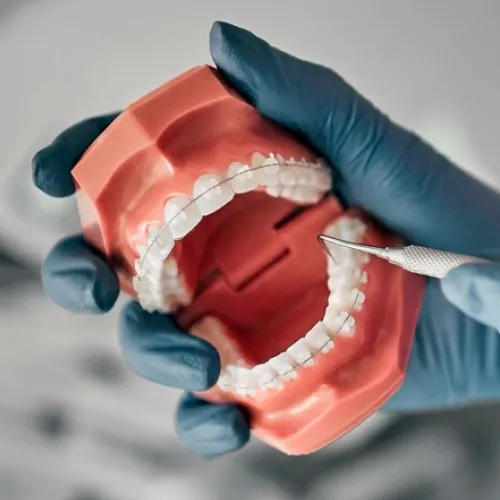
Some complex cases may still need braces or a combination approach. That is why an in-person evaluation is the best next step.
If you want smoother treatment and fewer surprises, these habits help a lot:
Daily Invisalign success habits
Consistency matters just as much as the aligners themselves.
Invisalign is one of the most flexible and patient-friendly ways to improve a smile, but it is also more detailed than people expect. Tray tightness, refinements, and bite changes are common topics during treatment, and they are exactly the kinds of things your dental team should help you understand.
If you are curious about Invisalign, have questions about your bite, or want to know whether clear aligners are the right fit for your smile, Nu Dentistry Cypress can help you make an informed decision.
Ready to take the next step? Schedule an appointment with Nu Dentistry Cypress to find out if Invisalign can help improve your smile and your bite comfort.
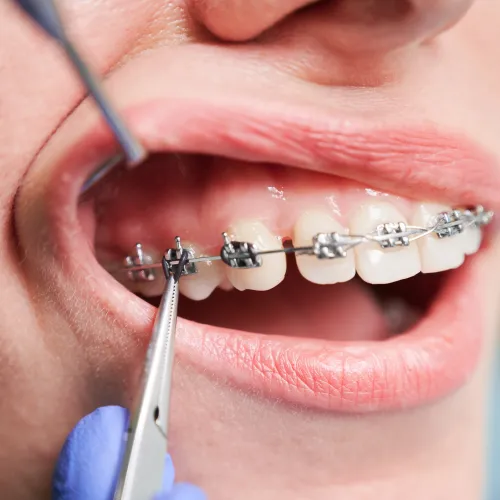

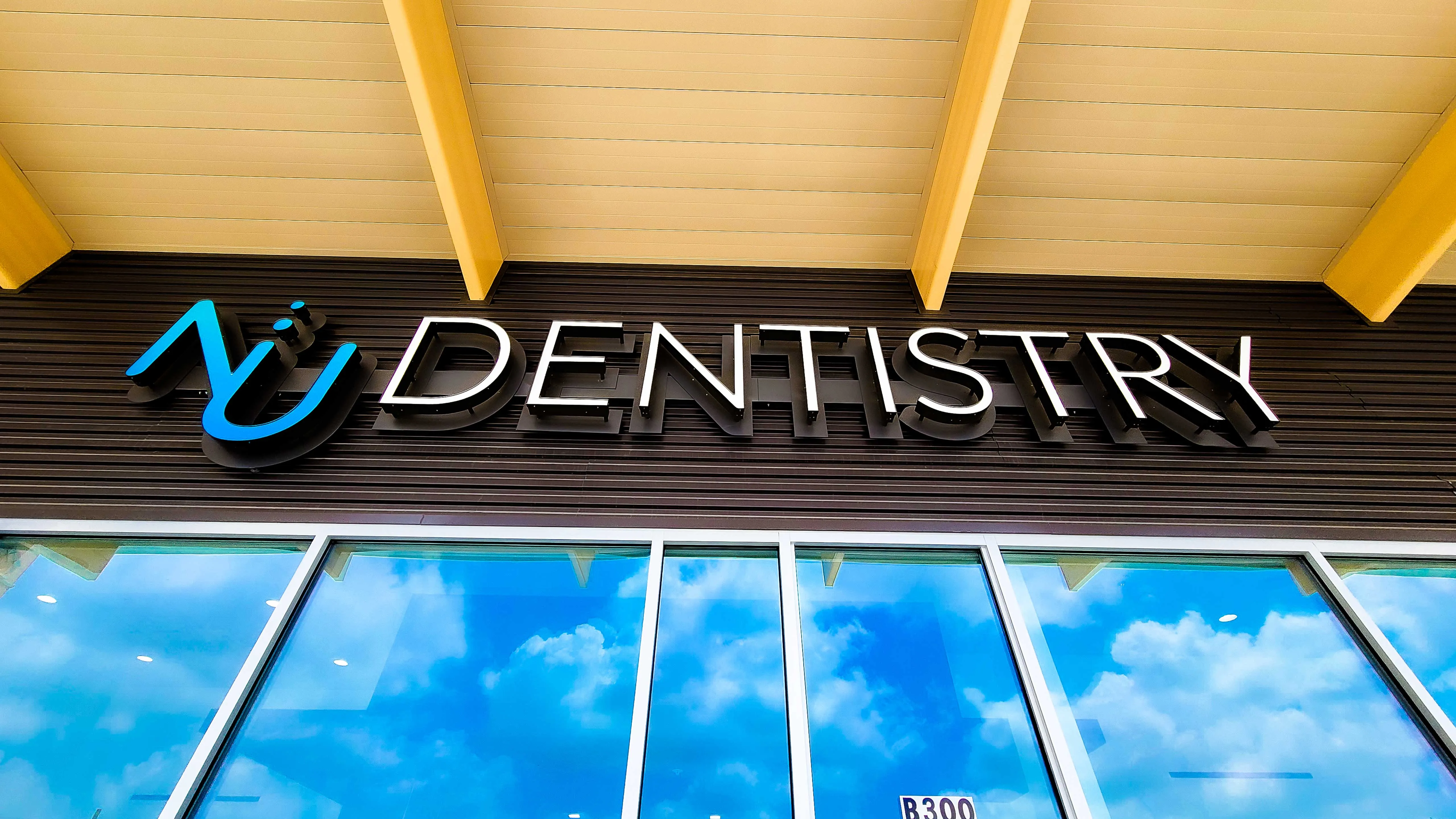
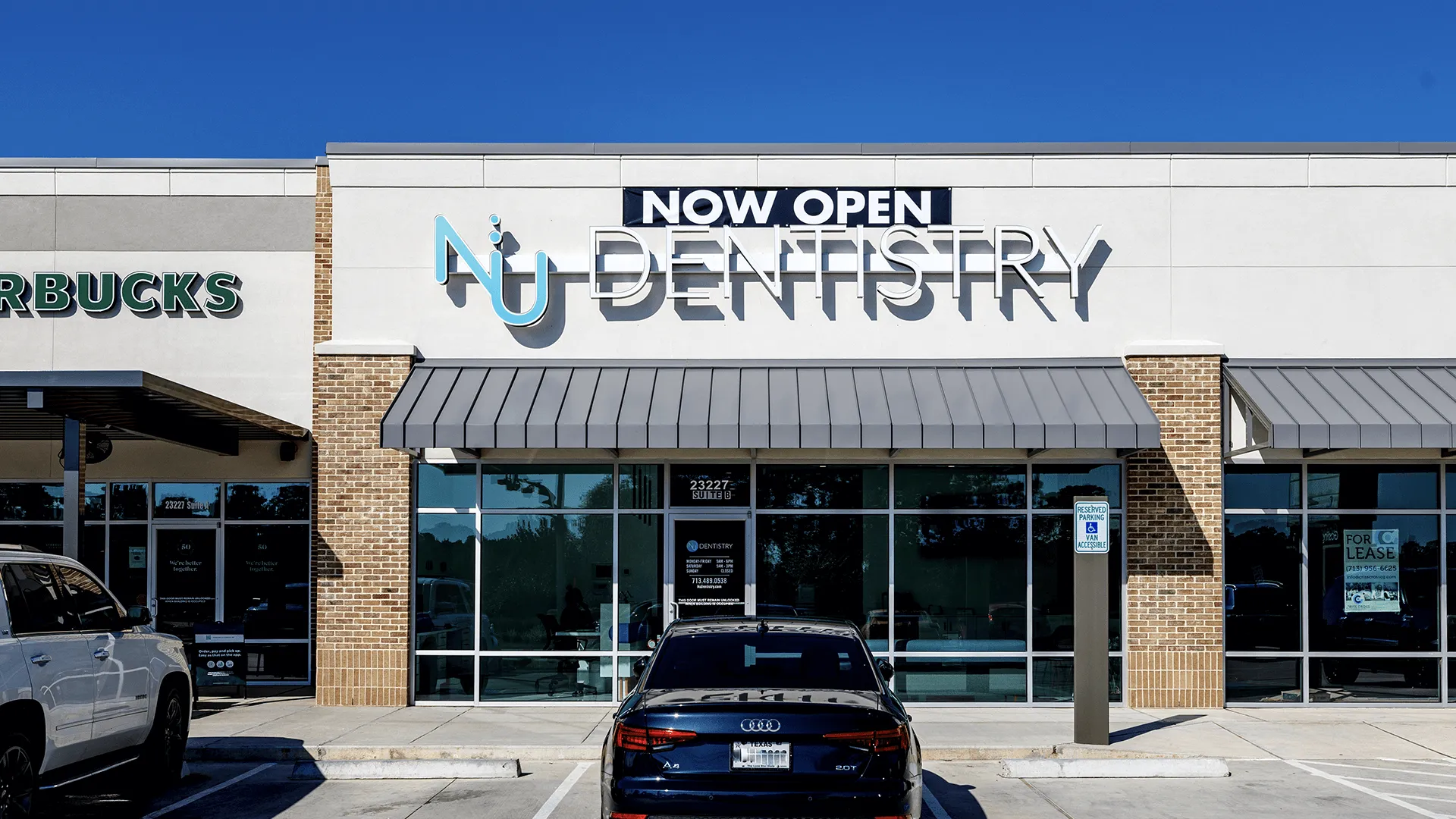
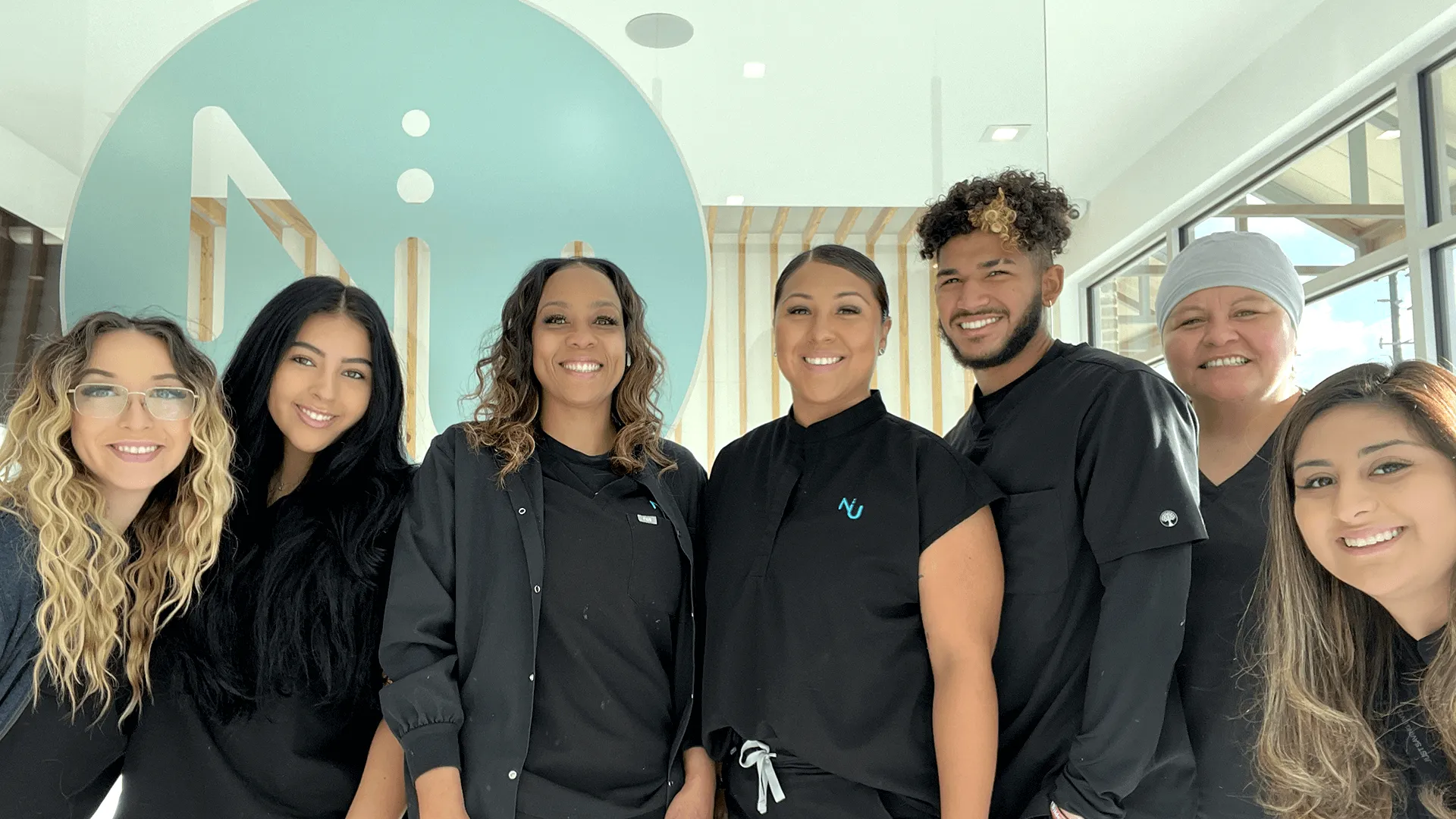
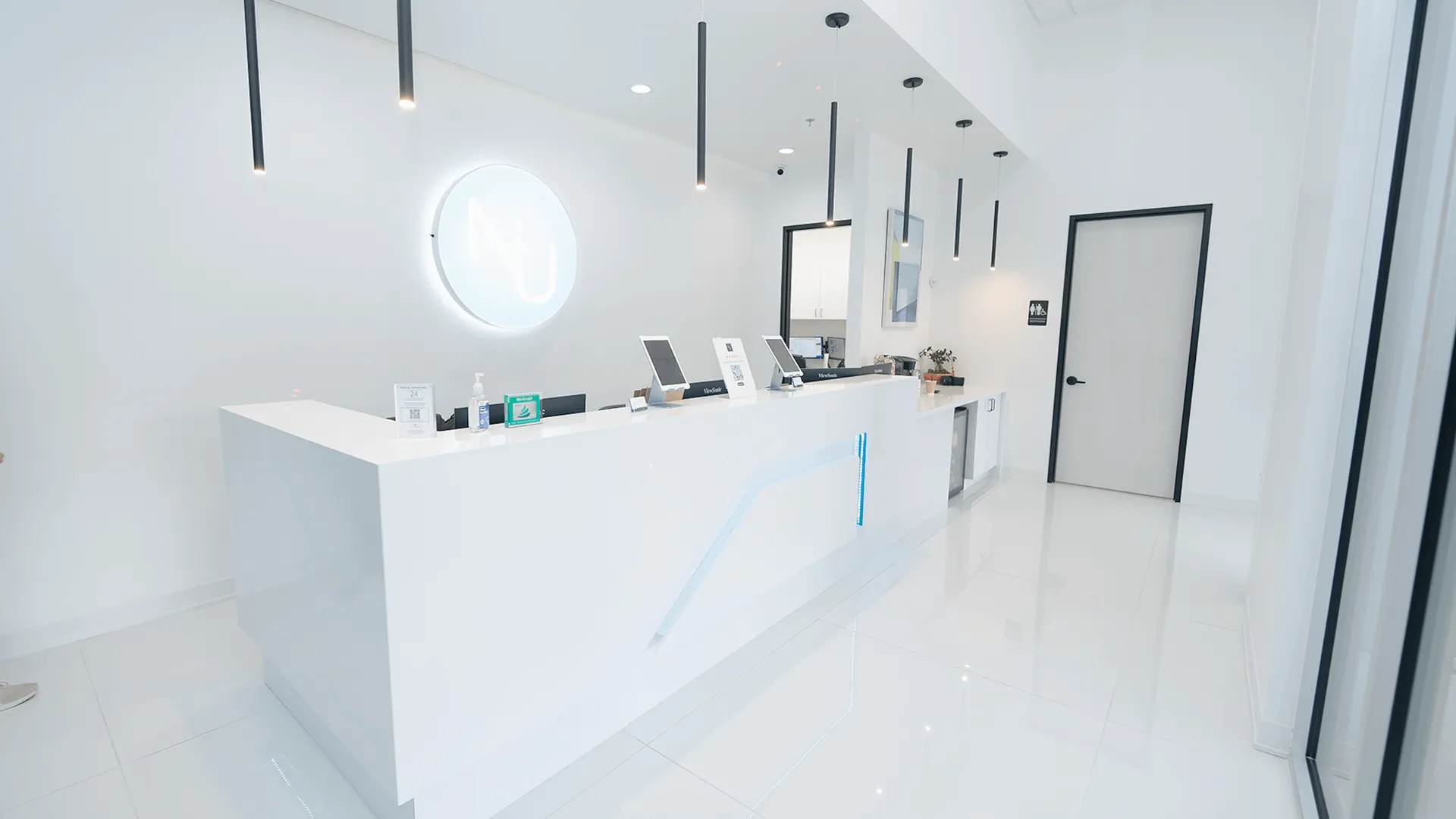
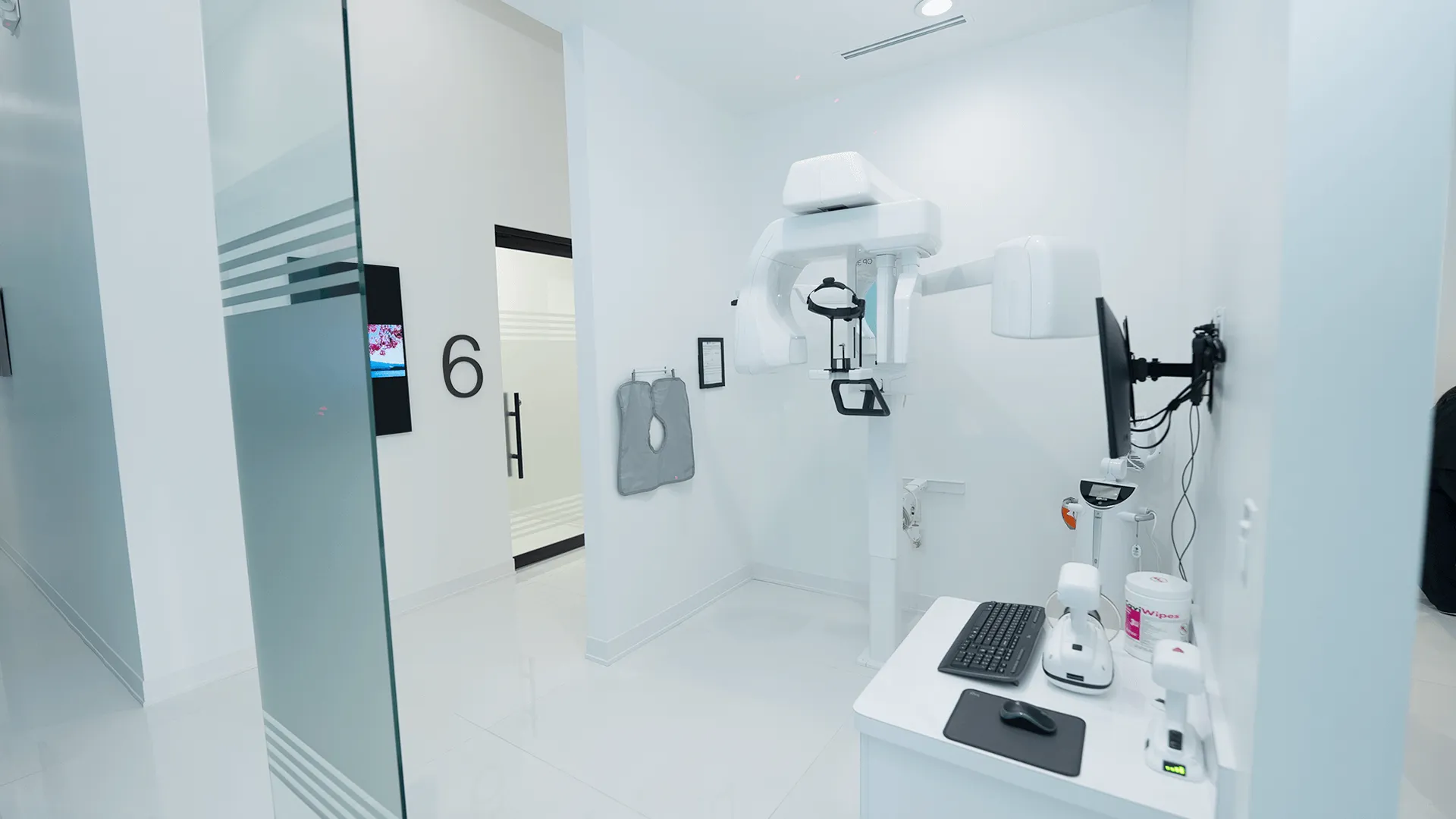
// NU DENTISTRY IN Cypress, Texas
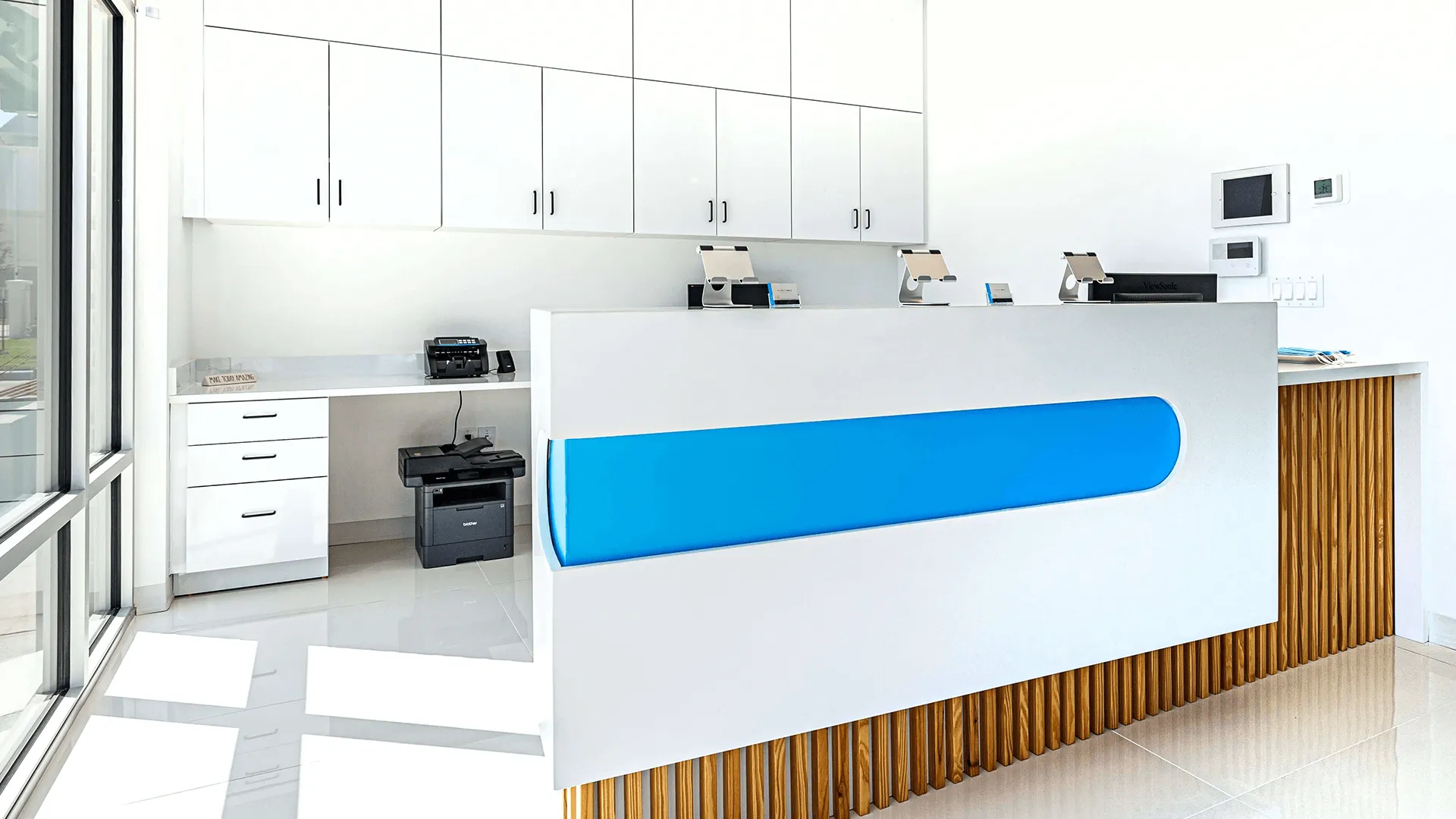
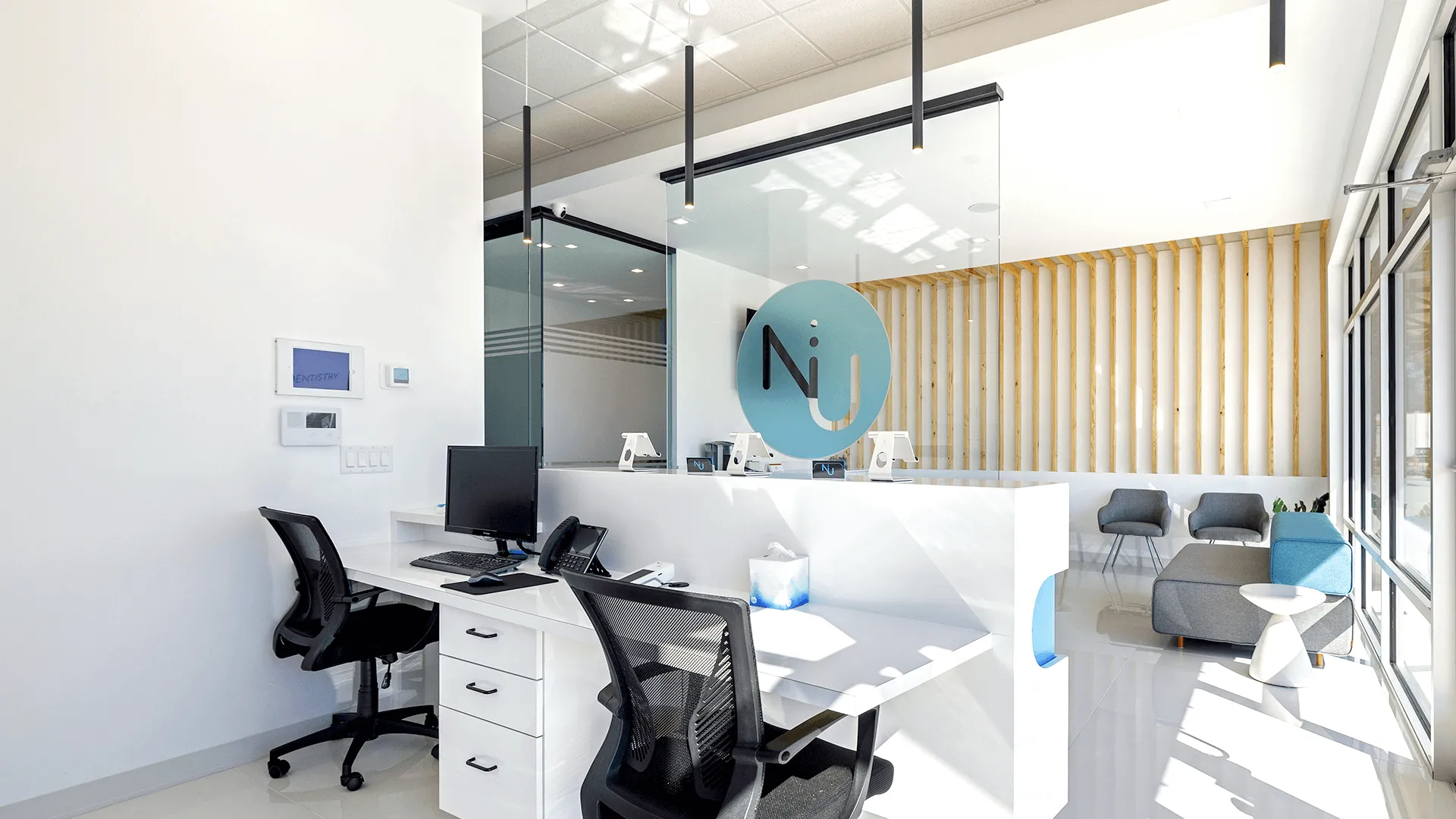
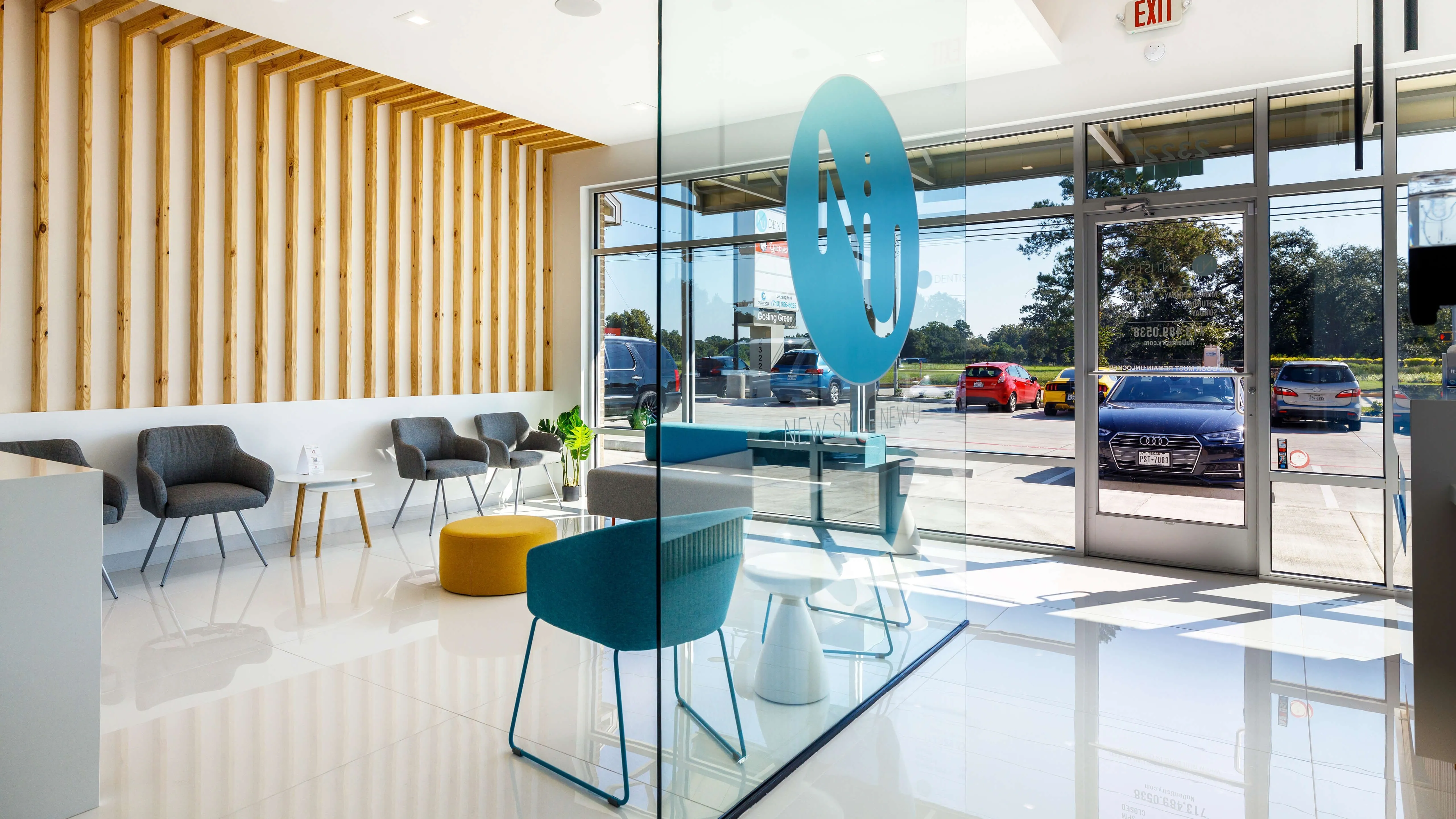
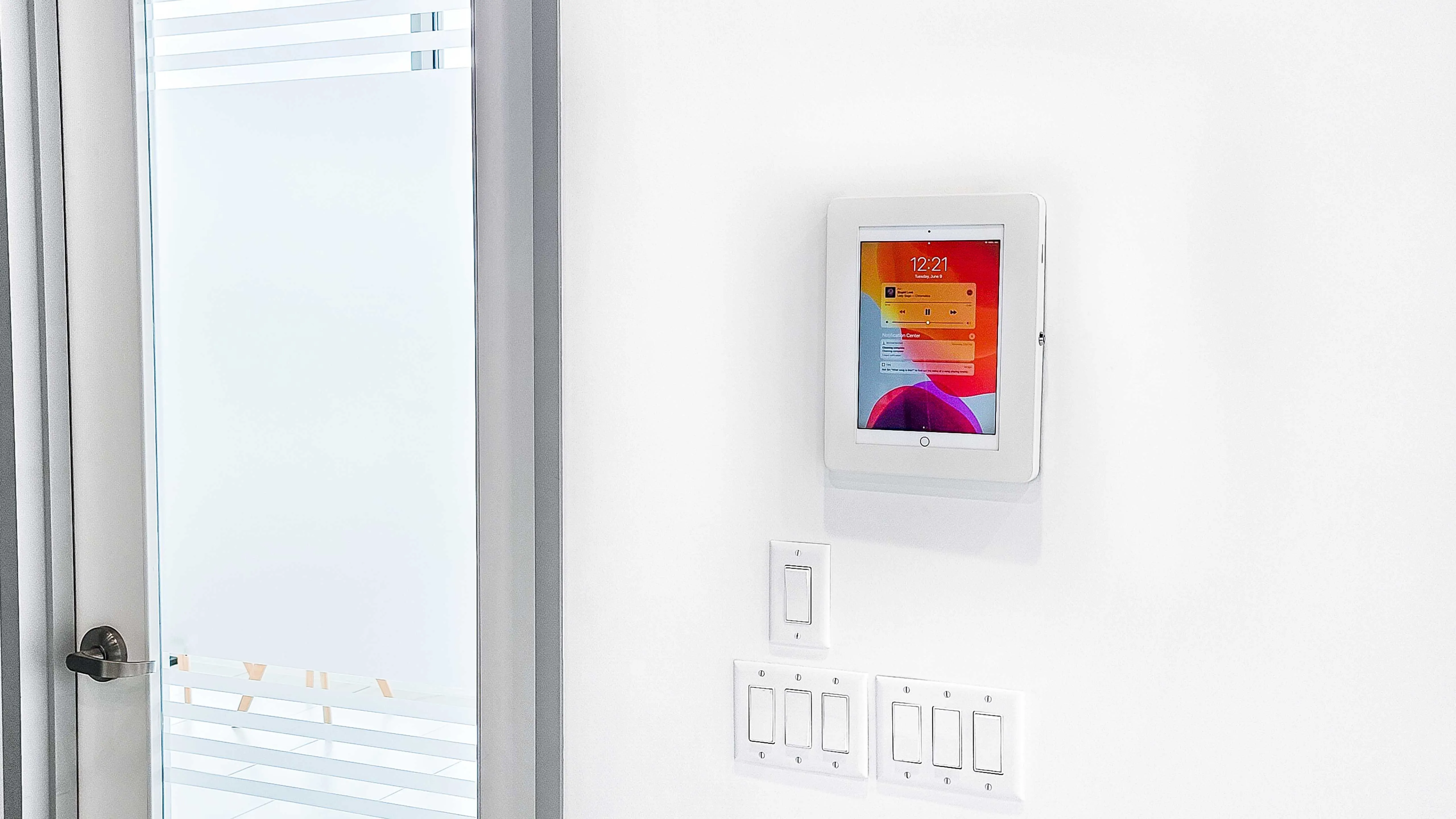
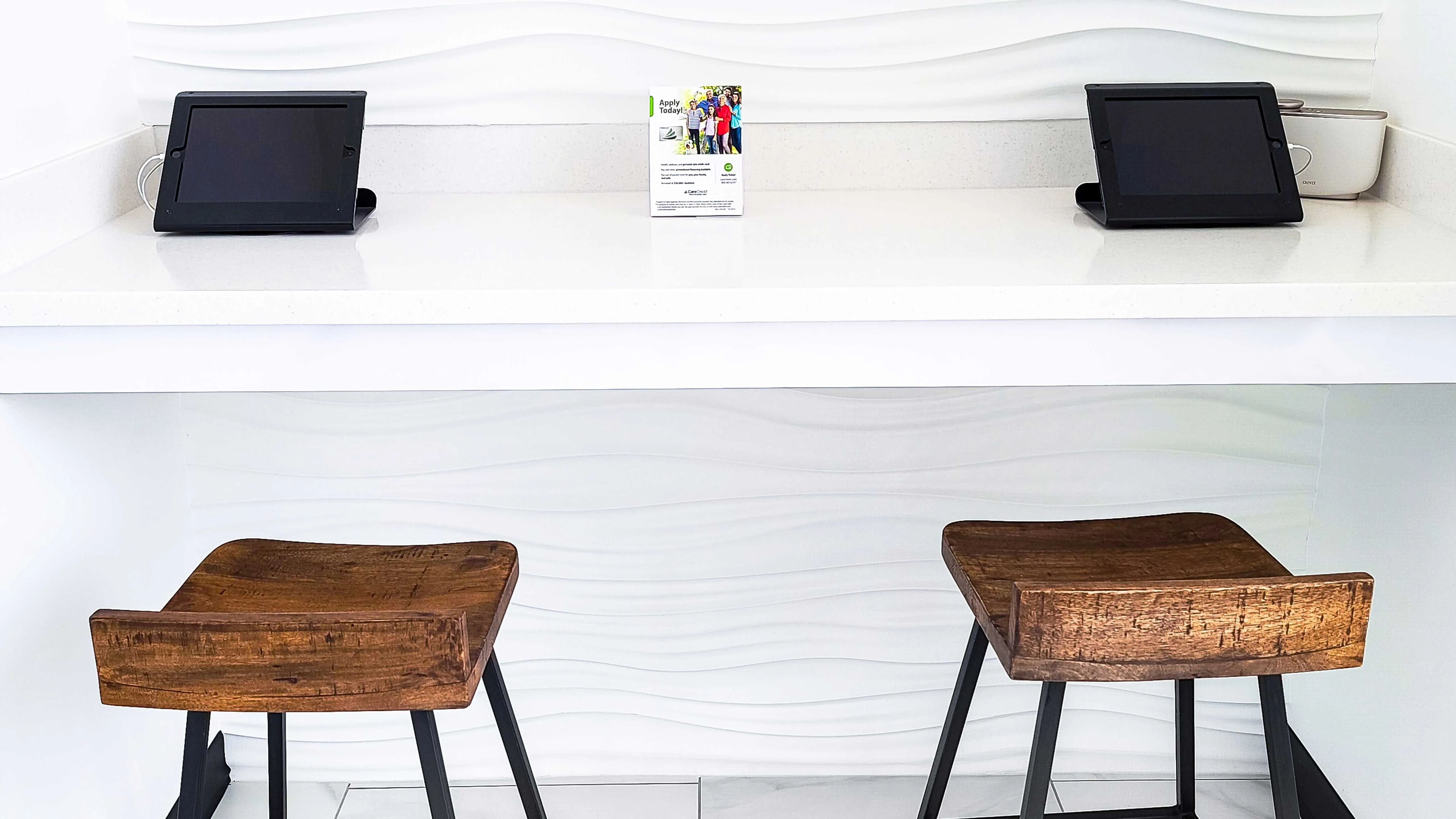
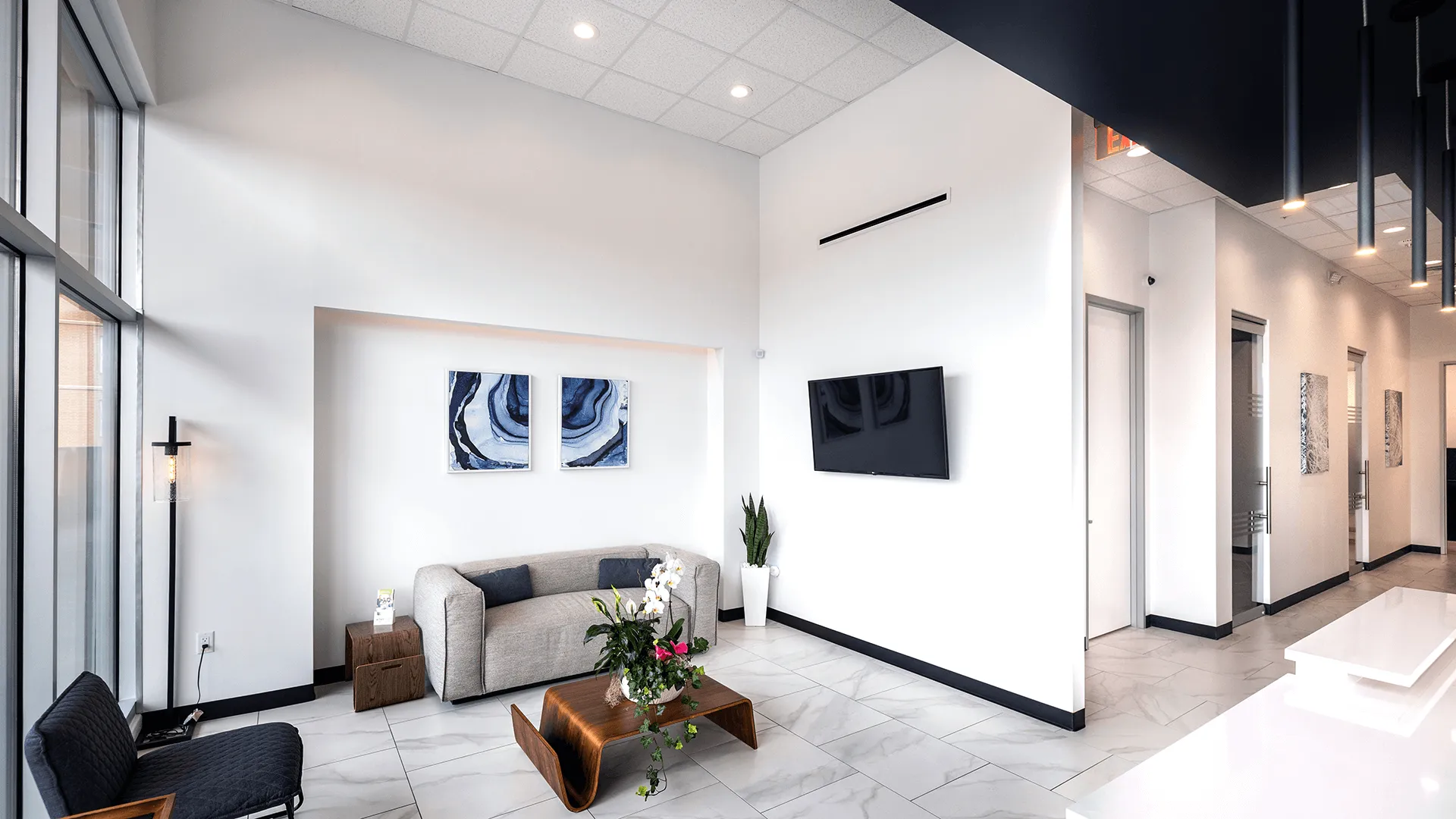
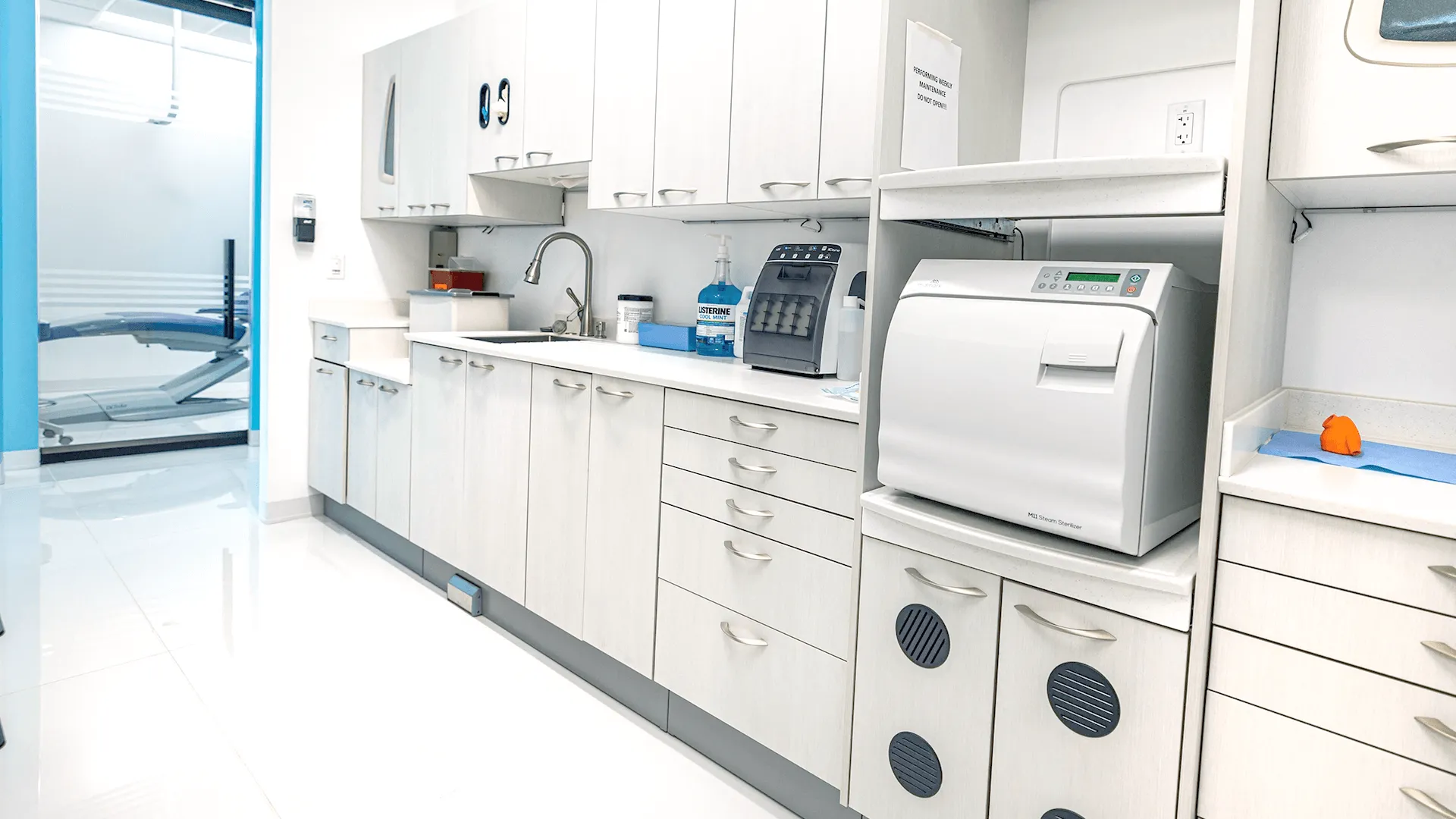
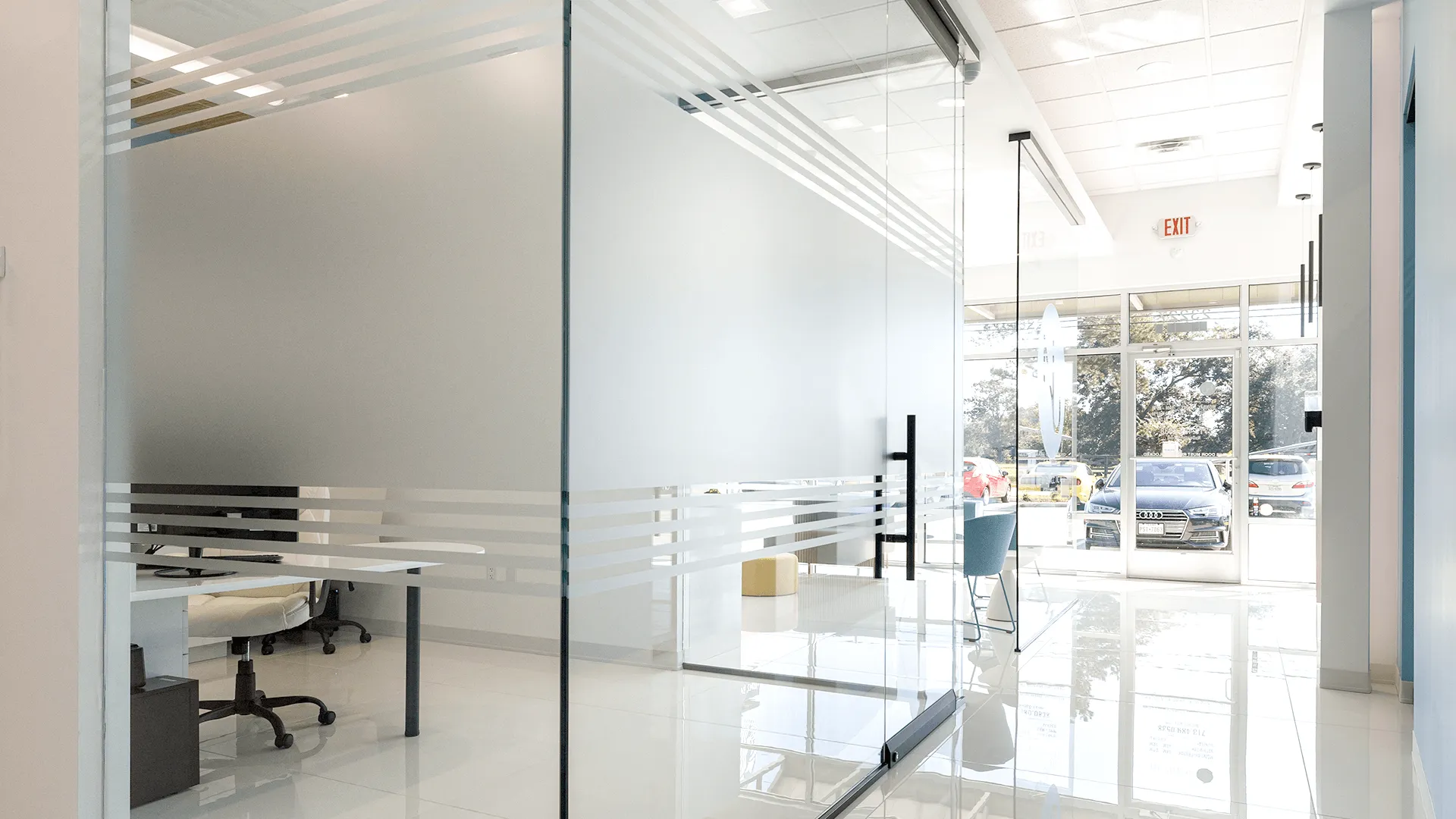
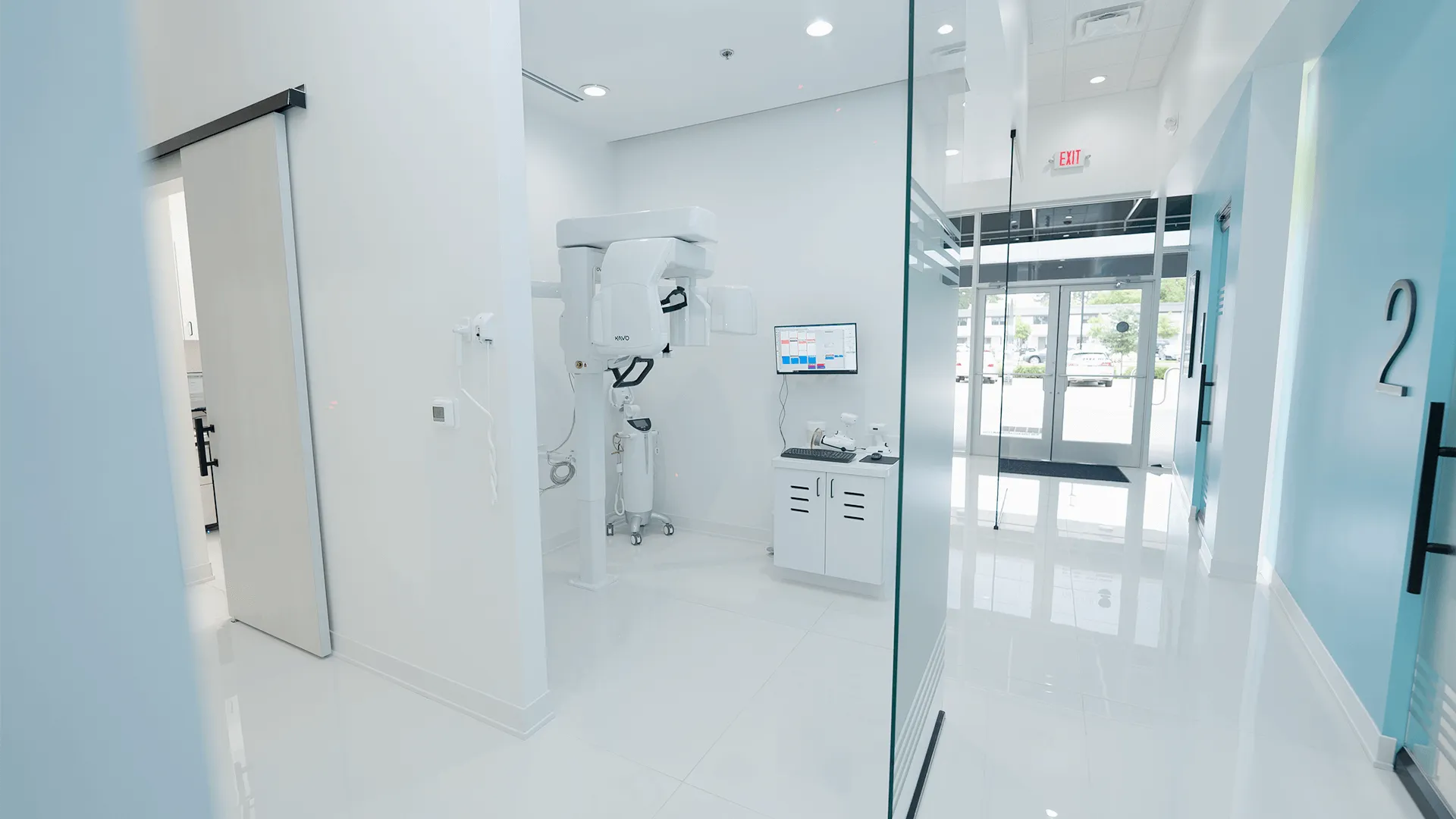
SEE WHAT A VISIT TO OUR MODERN, STATE-OF-THE-ART DENTIST OFFICE IS LIKE


Monday 9am - 6pm
Wednesday 9am - 6pm
Friday 9am - 6pm
Saturday 9am - 3pm
8940 Barker Cypress Rd. Cypress, TX 77433
3201 N. Shepherd Dr. Suite 113, Houston, TX 77018
8145 Highway 6, Building B #200, Missouri City, TX 77459
11115 W Grand Parkway S, Suite 140, Richmond, TX 77407
23227 Gosling Rd. Suite B, Spring, TX 77389
5706 San Felipe St. Ste B-300, Houston, TX 77057
// PATIENT TESTIMONIALS Cypress, TX
CHECK OUT WHAT OUR PATIENTS ARE SAYING IN CYPRESS, TX



// CARING DENTISTS Cypress, TX
OUR SOCIALS
FOLLOW US ON THESE SOCIAL MEDIA PLATFORMS