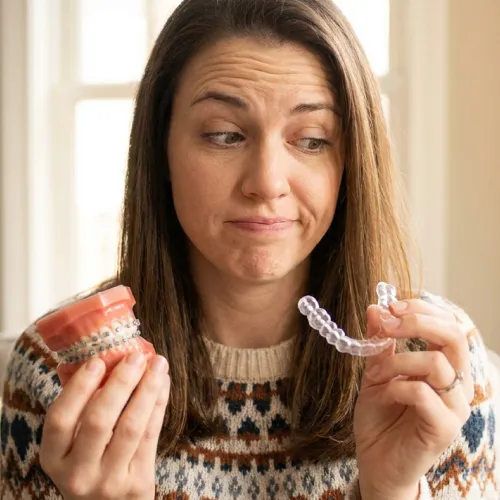
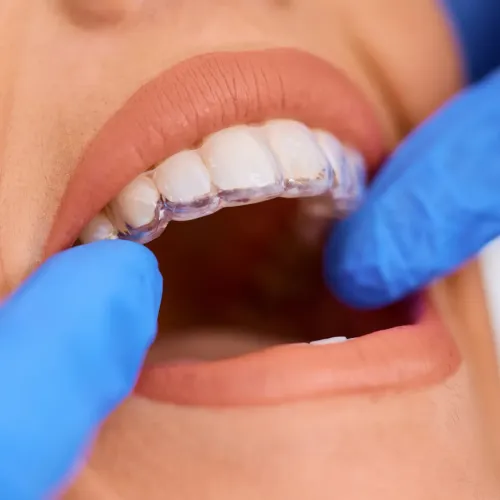
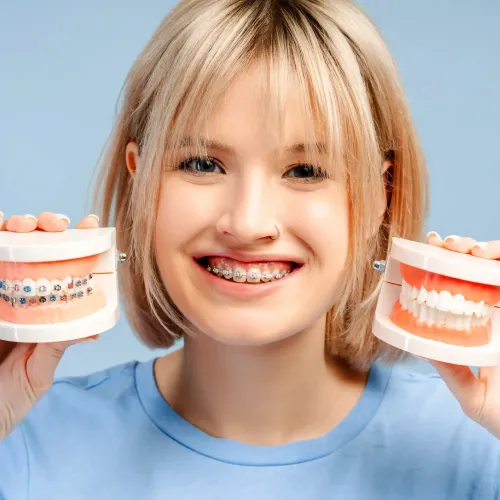
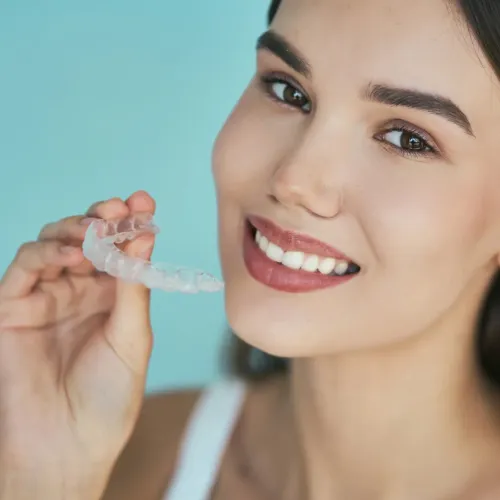
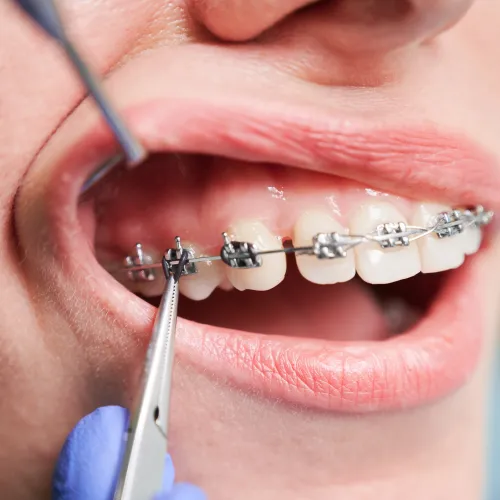
Braces vs. Invisalign: Which Is Actually Better for Complex Bites?
Are braces or Invisalign better for complex bites? Compare clear aligners and traditional braces to find your best fit. Book a consultation in Cypress today!
Read More

Emergency Dentistry
Gum disease destroys the bone and ligament holding your teeth in place, which is why teeth eventually loosen, drift, and can be lost entirely. The mechanics behind that movement are more specific than most people realize — and early intervention, including deep cleaning and stabilization, can reverse much of the damage before it becomes permanent.
Most people know gum disease causes loose teeth. For Cypress-area patients, understanding why those teeth start drifting forward or developing new gaps is essential to preventing tooth loss. Fewer understand why those teeth start drifting forward or developing new gaps — and that confusion creates real panic, especially when a space suddenly appears between front teeth that were fine a year ago.
Here's the biomechanics. Your teeth stay in position because bone wraps tightly around each root, like firm soil around a fence post. The tongue exerts constant low-level pressure against the front teeth, and under normal conditions, healthy bone resists it completely. Once periodontitis destroys 30–50% of that supporting bone, that resistance disappears. The tongue's resting pressure — something you never noticed before — now acts as a lever, pushing weakened front teeth outward in what we call pathologic tooth migration (PTM).
The "fan-out" effect usually starts in the back. When posterior molars lose bone support and begin to fail, the entire bite collapses inward. That collapse redirects chewing forces toward the front teeth, which flare outward under the combined pressure. Patients often describe it as their teeth "spreading apart." Clinically, it's posterior bite collapse driving anterior flaring — and it accelerates once it starts.
There's also a secondary force problem known as the "fence post in mud" effect. In a healthy mouth, the forces of chewing or even mild grinding are distributed across solid bone. In a diseased socket, those same forces act like someone wiggling a fence post in saturated ground. The wiggling destroys remaining bone at a dramatically accelerated rate. This is secondary occlusal trauma — and it explains why one tooth can deteriorate rapidly while its neighbor stays relatively stable. If you grind or clench, that habit becomes far more destructive the moment bone loss begins.
According to the NIDCR, gum disease begins with plaque hardening into tartar below the gum line, triggering an immune response that attacks not just bacteria but the surrounding tissue. That tissue destruction — the ligament, the cementum, the alveolar bone — is largely irreversible once it reaches the periodontitis stage.
Gingivitis, the earliest stage, causes no permanent damage. The gum inflammation is real, but the bone is intact and the condition is fully reversible with a professional cleaning and exam and improved home care. The moment it progresses to periodontitis, however, the bone that's lost doesn't grow back on its own. Pockets deepen between the tooth and gum, harboring bacteria that drive further destruction in a cycle that doesn't stop without treatment.
What many patients don't realize is that this process is usually painless until it's advanced. The American Academy of Periodontology notes that gum disease is often "silent," with warning signs like bleeding gums, recession, persistent bad breath, and loose or separating teeth only becoming obvious in the later stages. By then, significant structural damage has already occurred.
Factors that accelerate permanent damage include smoking, uncontrolled diabetes, and deeper initial pocket depths — all of which compromise the body's ability to contain the infection and respond to treatment.
The short answer is: often yes, especially when the mobility is caught early. A retrospective cohort study published on PubMed tracked 489 loose teeth across 152 patients following scaling and root planing (SRP). At 12 months, more than 71% of slightly mobile teeth achieved complete stability, and 42% of moderately mobile teeth stabilized as well. That's a meaningful outcome from a non-surgical procedure.
In clinical practice, scaling and root planing — the "deep cleaning" most people have heard of — is typically the first intervention for mobile teeth caused by gum disease gingivitis. It removes bacterial deposits from below the gum line and allows the periodontal ligament to begin recovering. But for teeth that remain mobile during or after that process, an additional tool is available: periodontal splinting.
Splinting involves bonding a loose tooth to its stable neighbors using a fiber-reinforced ribbon or composite resin placed along the back of the teeth — similar in concept to a permanent orthodontic retainer. This "shares the load" of chewing forces across multiple teeth rather than concentrating stress on one compromised root. It essentially puts the loose tooth on structural life support while the surrounding tissues respond to treatment. The same PubMed study found that splinting was associated with significantly better mobility outcomes, with an odds ratio of 2.15 in favor of stabilization.
Not every loose tooth can be saved. Teeth with severe bone loss, furcation involvement, or very deep pockets may be beyond the point where stabilization is realistic — and in those cases, tooth extraction may become necessary. But the window for intervention is wider than most patients assume — and waiting guarantees worse outcomes.
Cleveland Clinic identifies gum disease as the leading cause of tooth loss in adults, and the numbers support that. Nearly 42% of American adults over 30 have some form of periodontitis. The disease progresses silently, the damage accumulates over years, and by the time teeth feel noticeably loose, substantial bone has already been lost.
When teeth are ultimately lost to gum disease, restorative options like dental implants or dentures can help restore function — but preventing that outcome in the first place remains the priority.
The systemic stakes are also real. Harvard Health reports that treating periodontal disease is associated with lower rates of hospitalization and reduced healthcare costs among patients with diabetes and cardiovascular disease — suggesting the inflammation driving tooth loss is the same inflammation stressing the rest of the body.
What patients should understand is that tooth loss from gum disease is not inevitable. The disease is manageable. Bone loss already sustained may be permanent, but progression can be halted, mobility can often be reversed, and with consistent maintenance, teeth that seemed at risk can remain functional for years. The critical variable is timing. The earlier treatment is sought, the more options are available.
If your gums bleed when you brush, your teeth feel loose, or you've noticed new gaps forming, don't wait. At Nu Dentistry Cypress, we evaluate gum health with precision — measuring pocket depths, assessing bone levels, and building a treatment plan that fits your situation. If you're facing a dental emergency related to sudden tooth loosening or severe gum pain, we're here to help. Cypress-area patients can reach us directly to schedule a periodontal evaluation before the damage goes further.
This article is for informational purposes only and does not constitute dental or medical advice. Always consult a qualified dental professional for diagnosis and personalized treatment recommendations.

// NU DENTISTRY IN Cypress, Texas
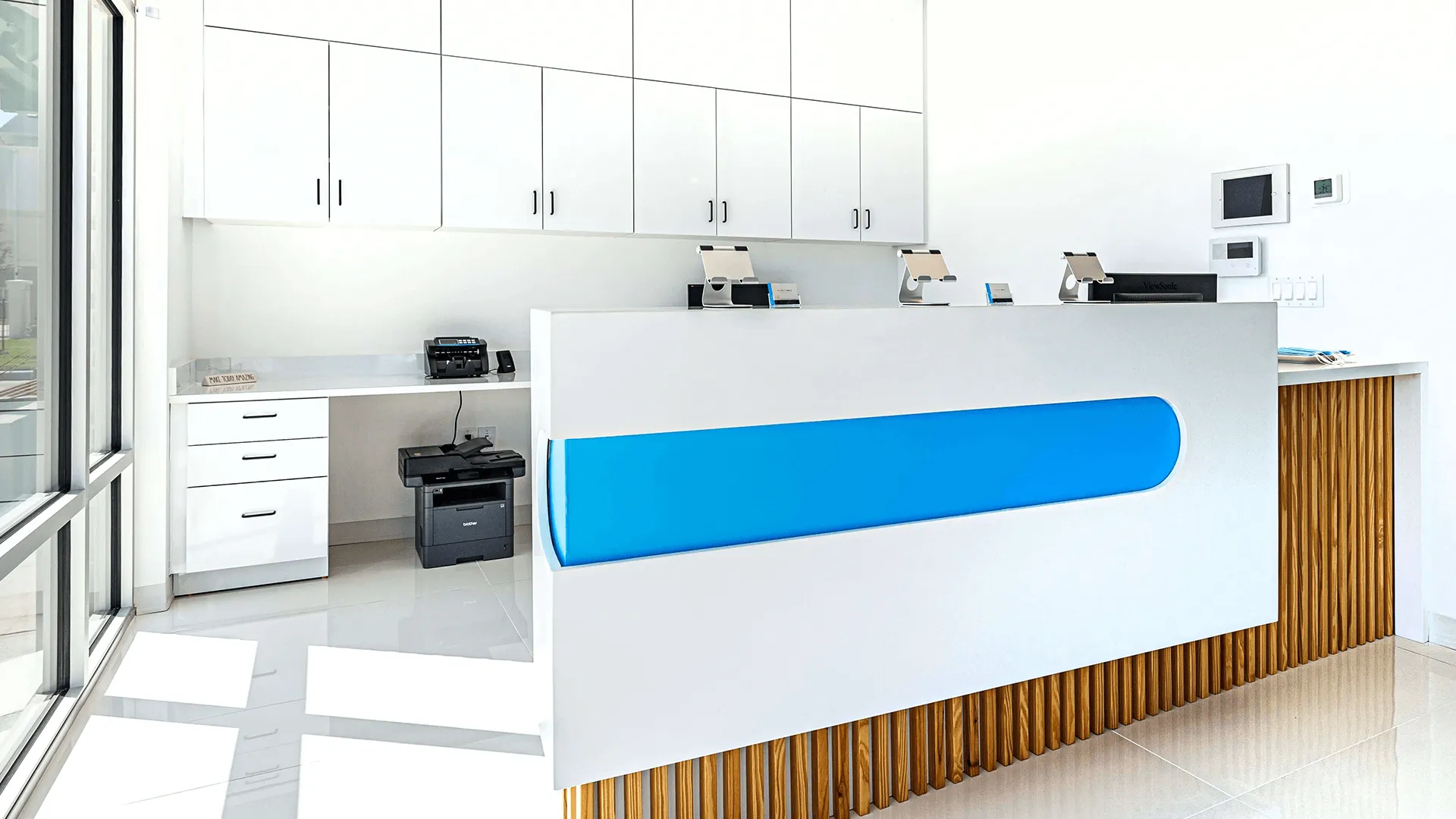
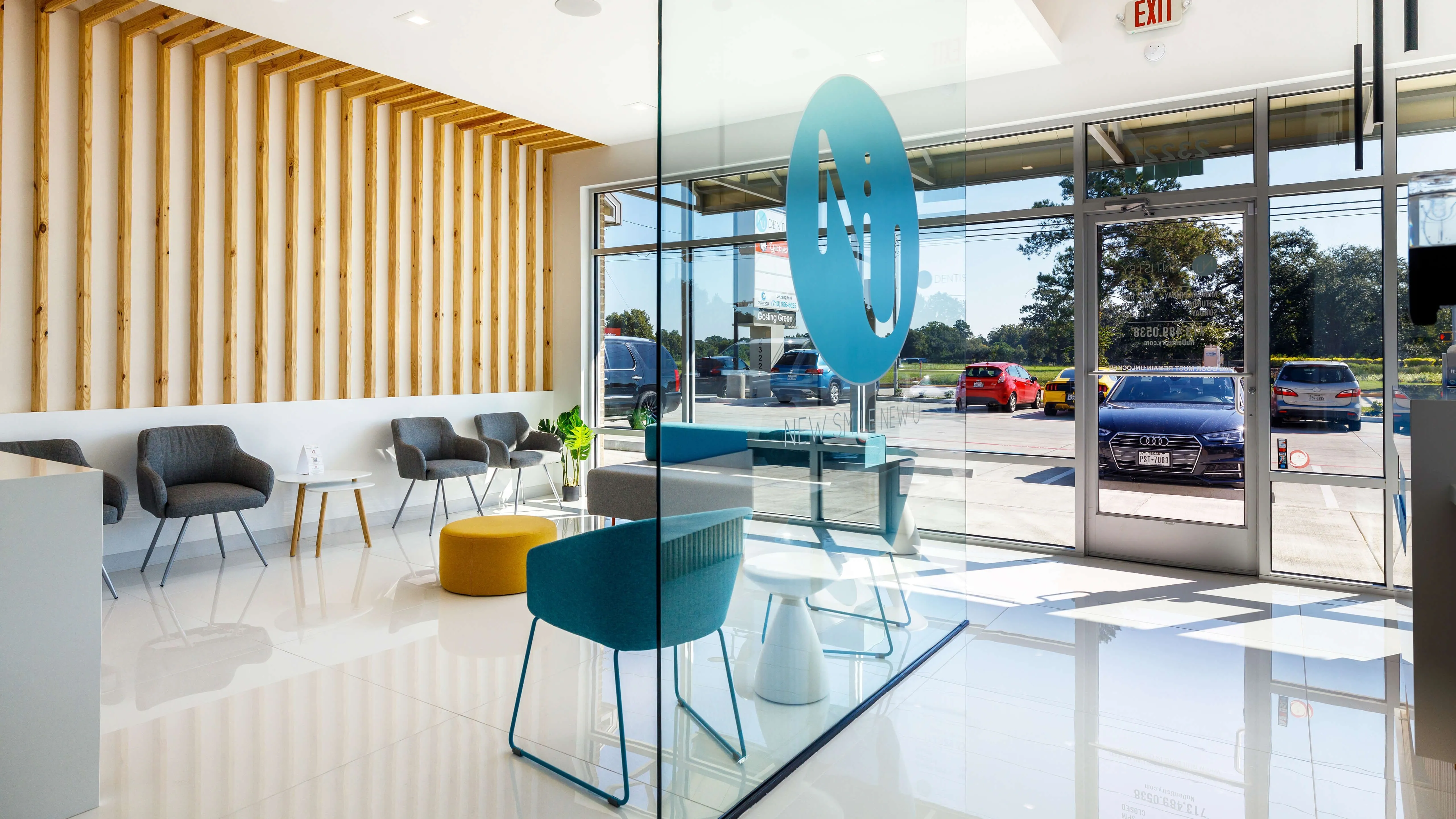
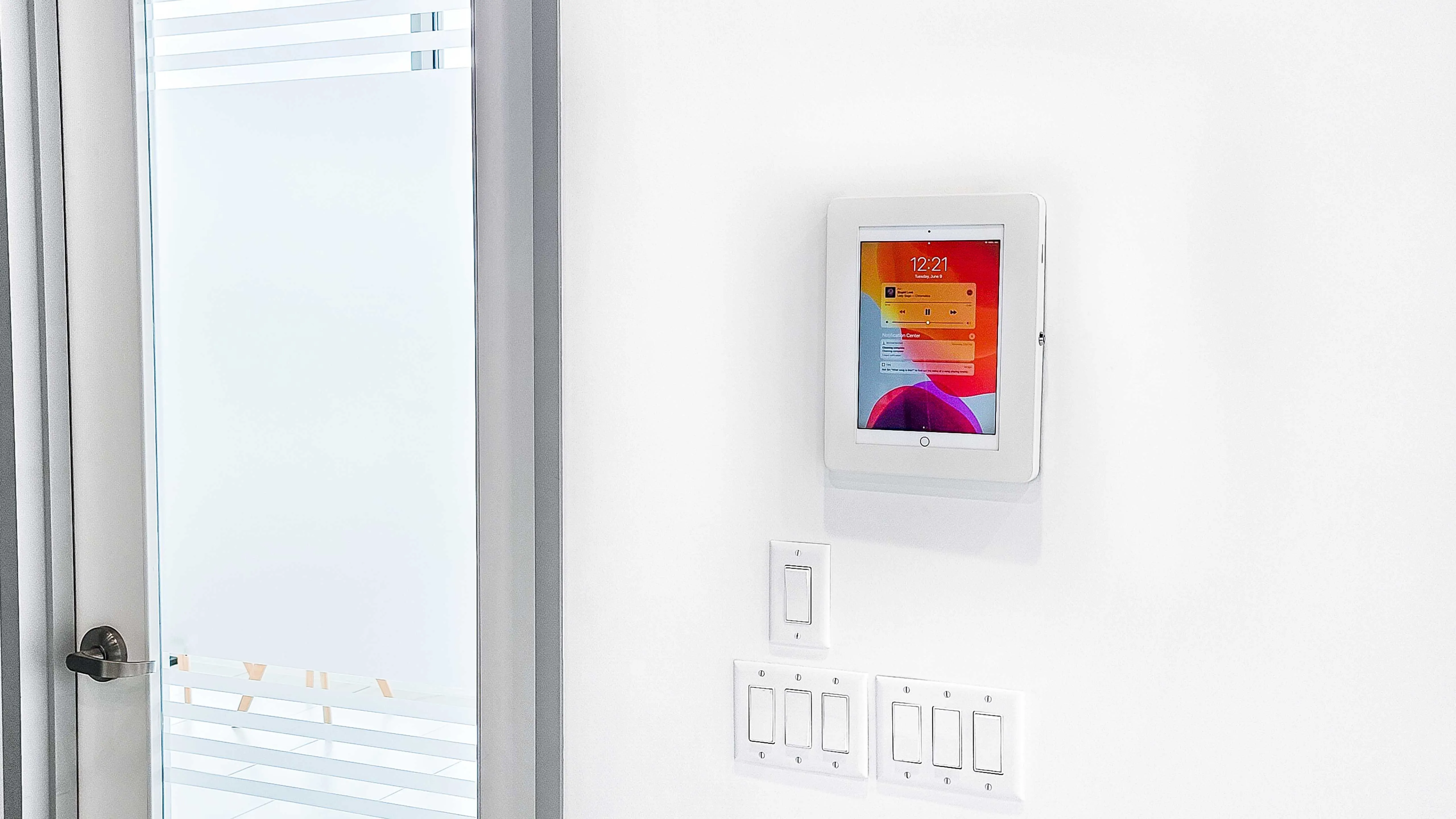
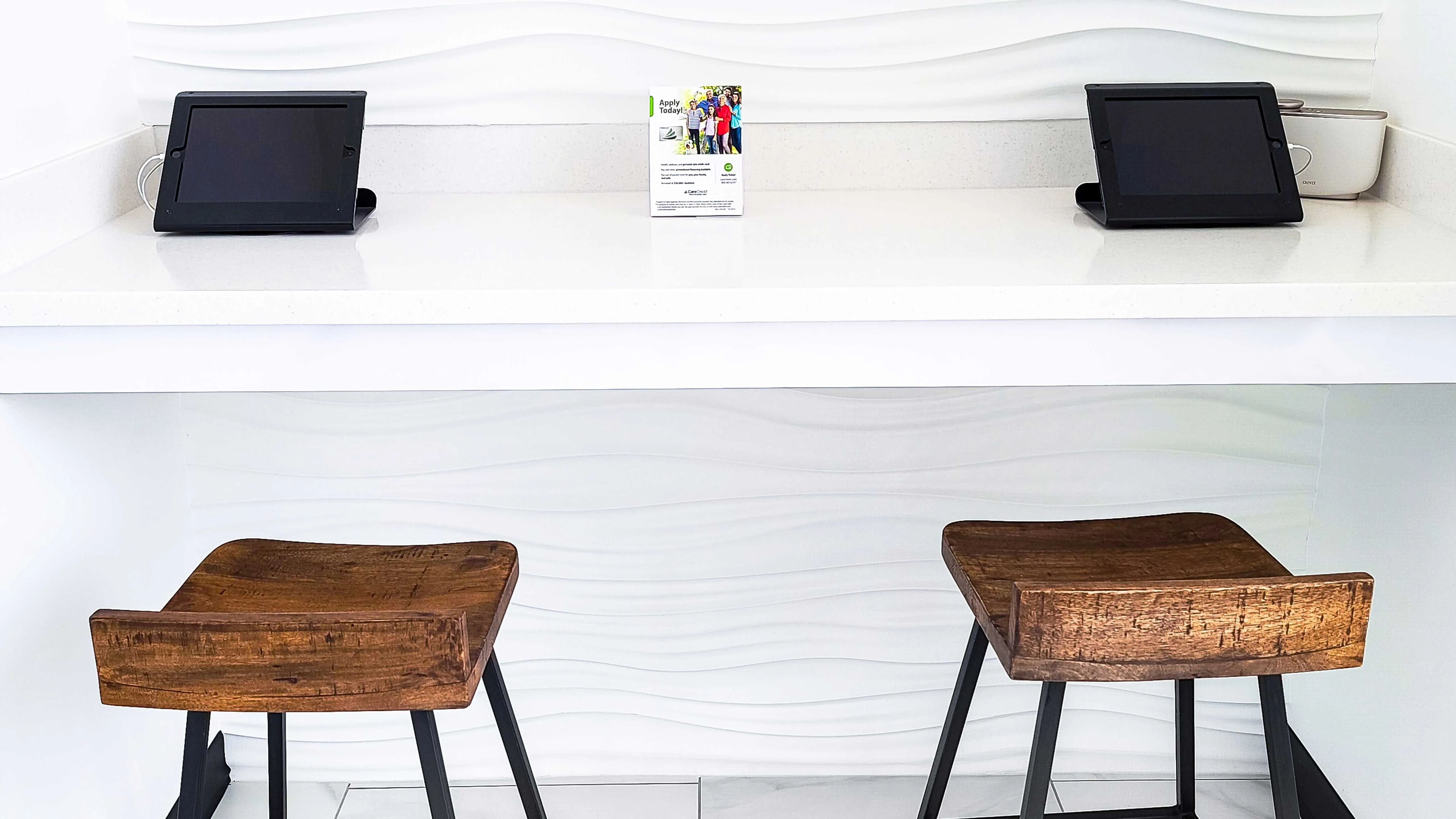
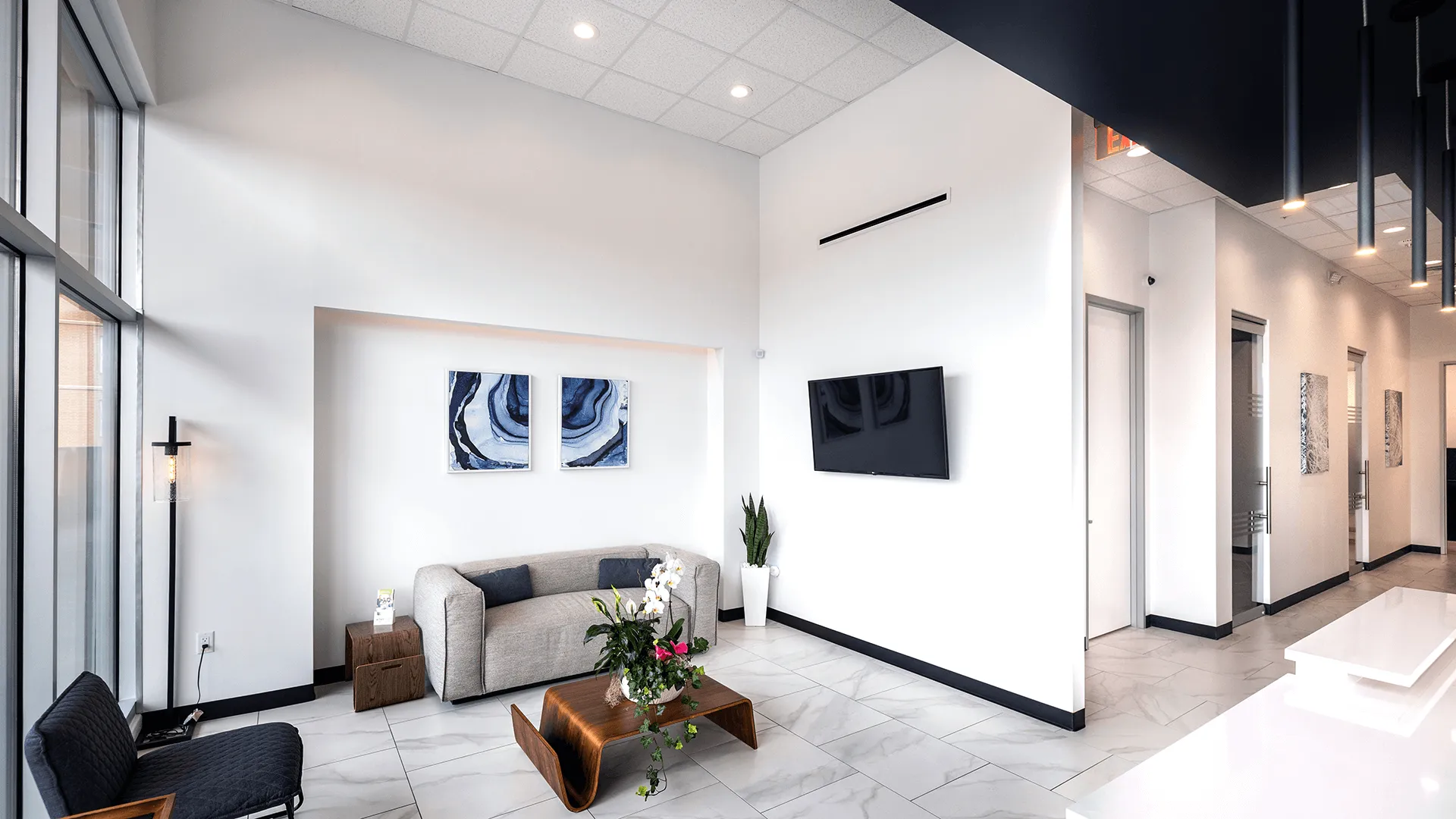
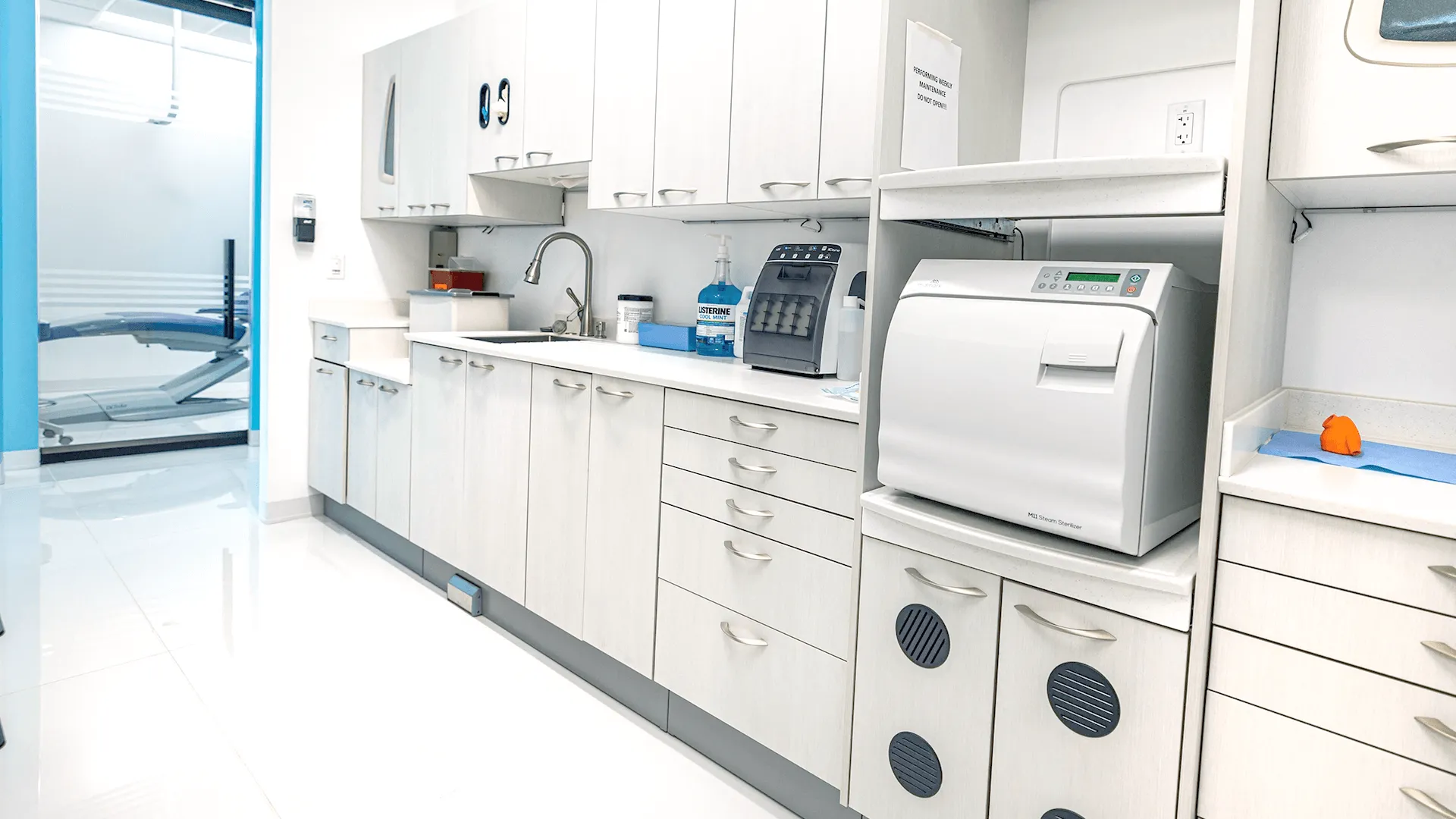
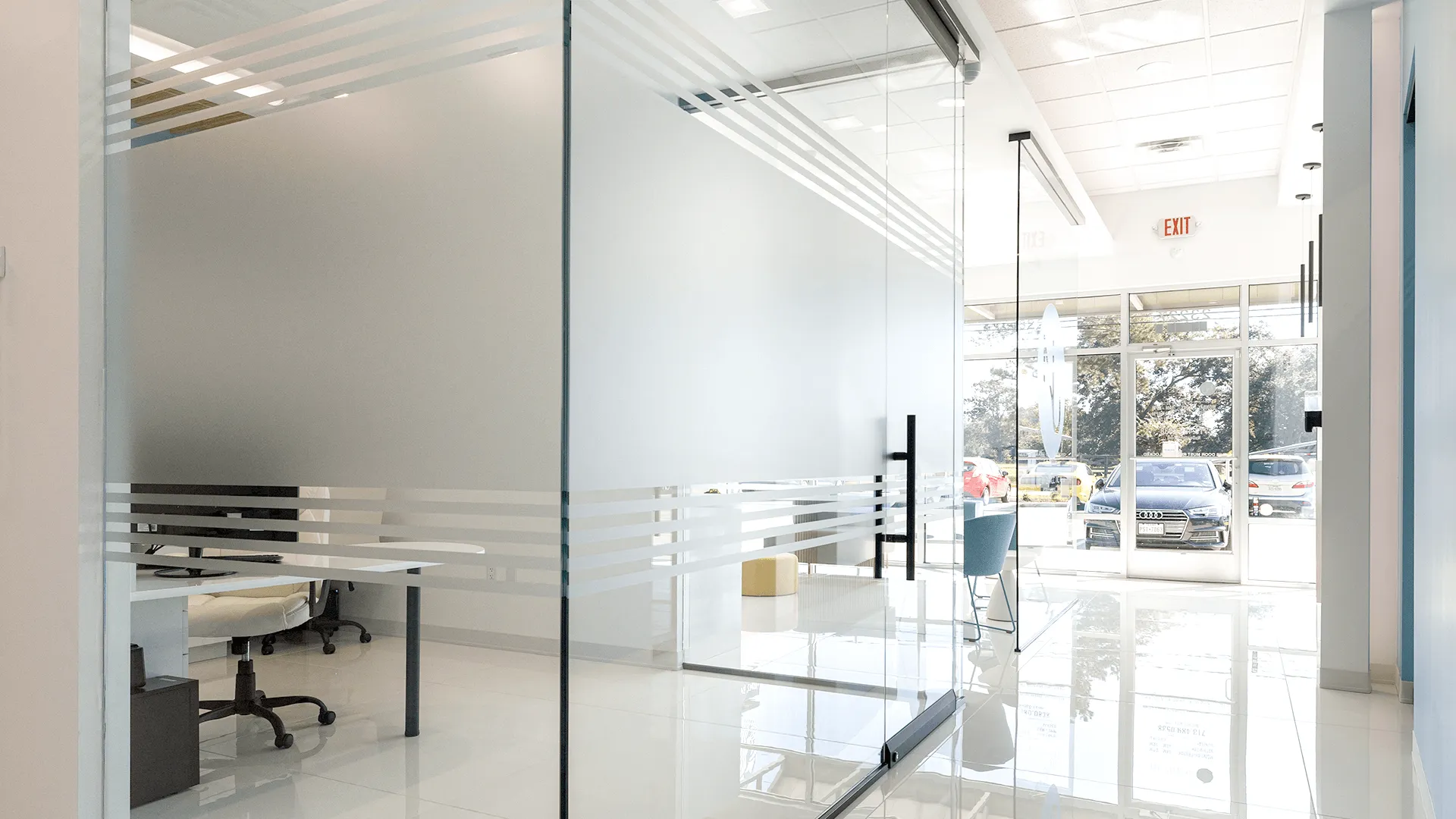
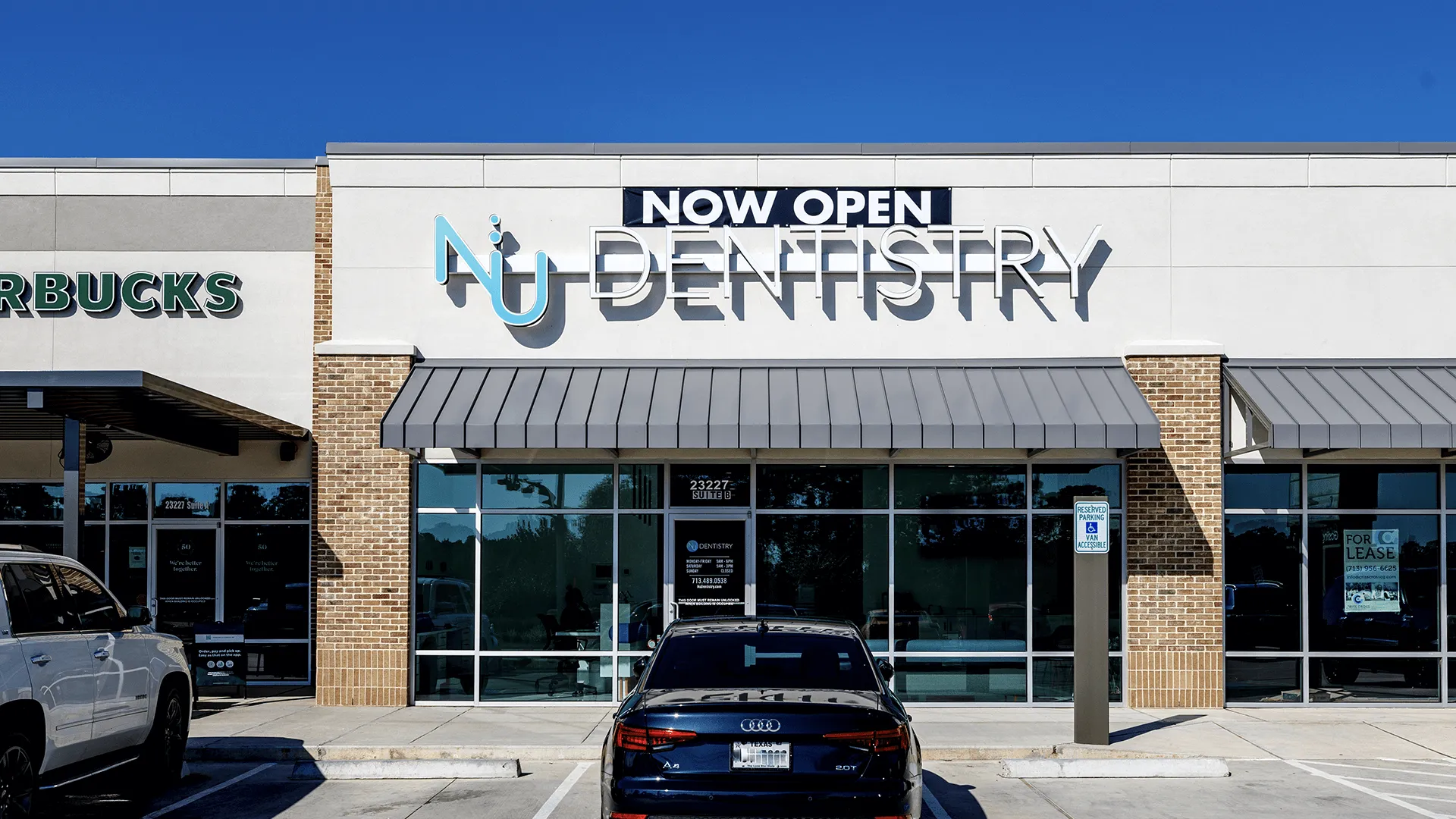
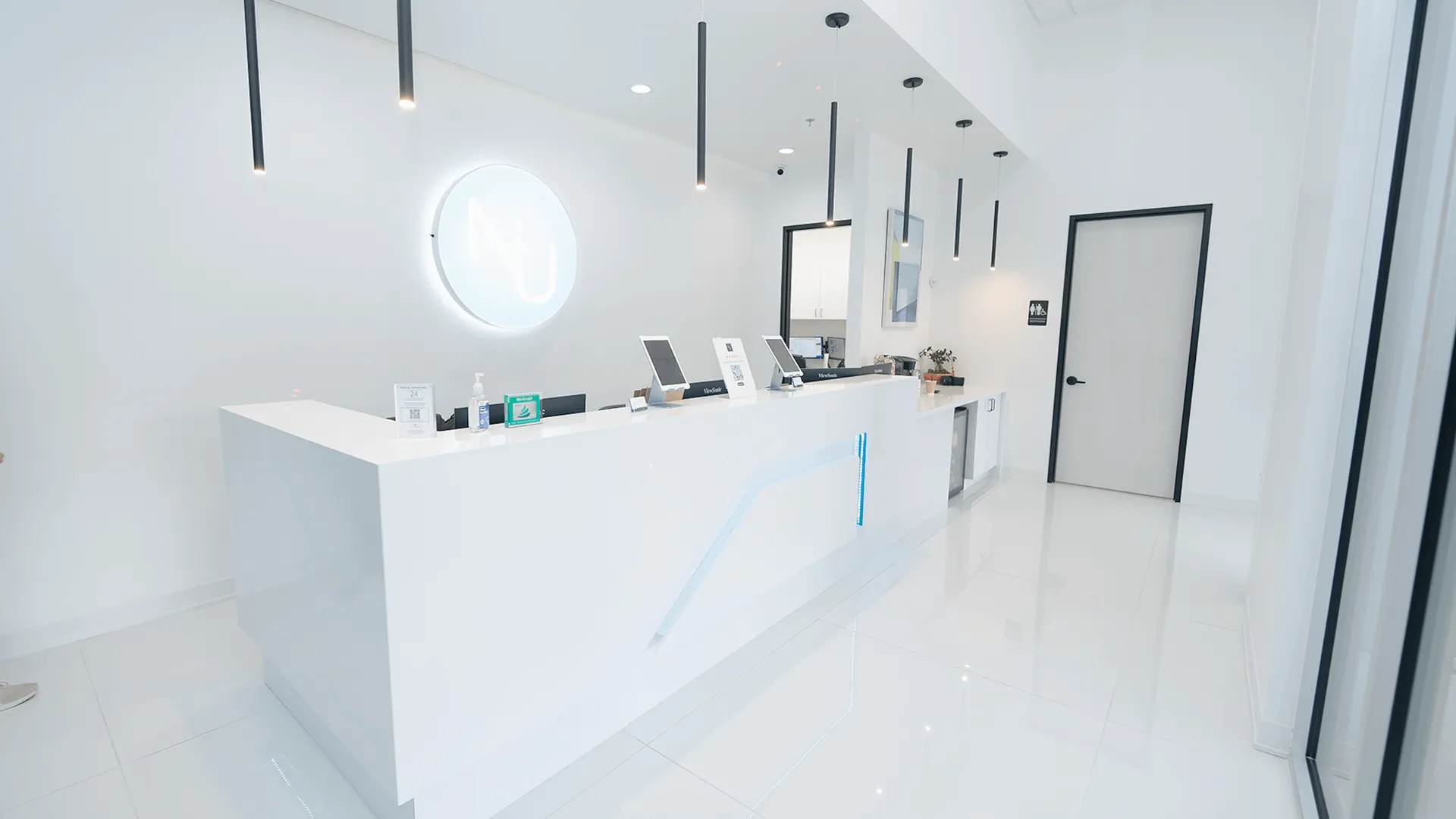
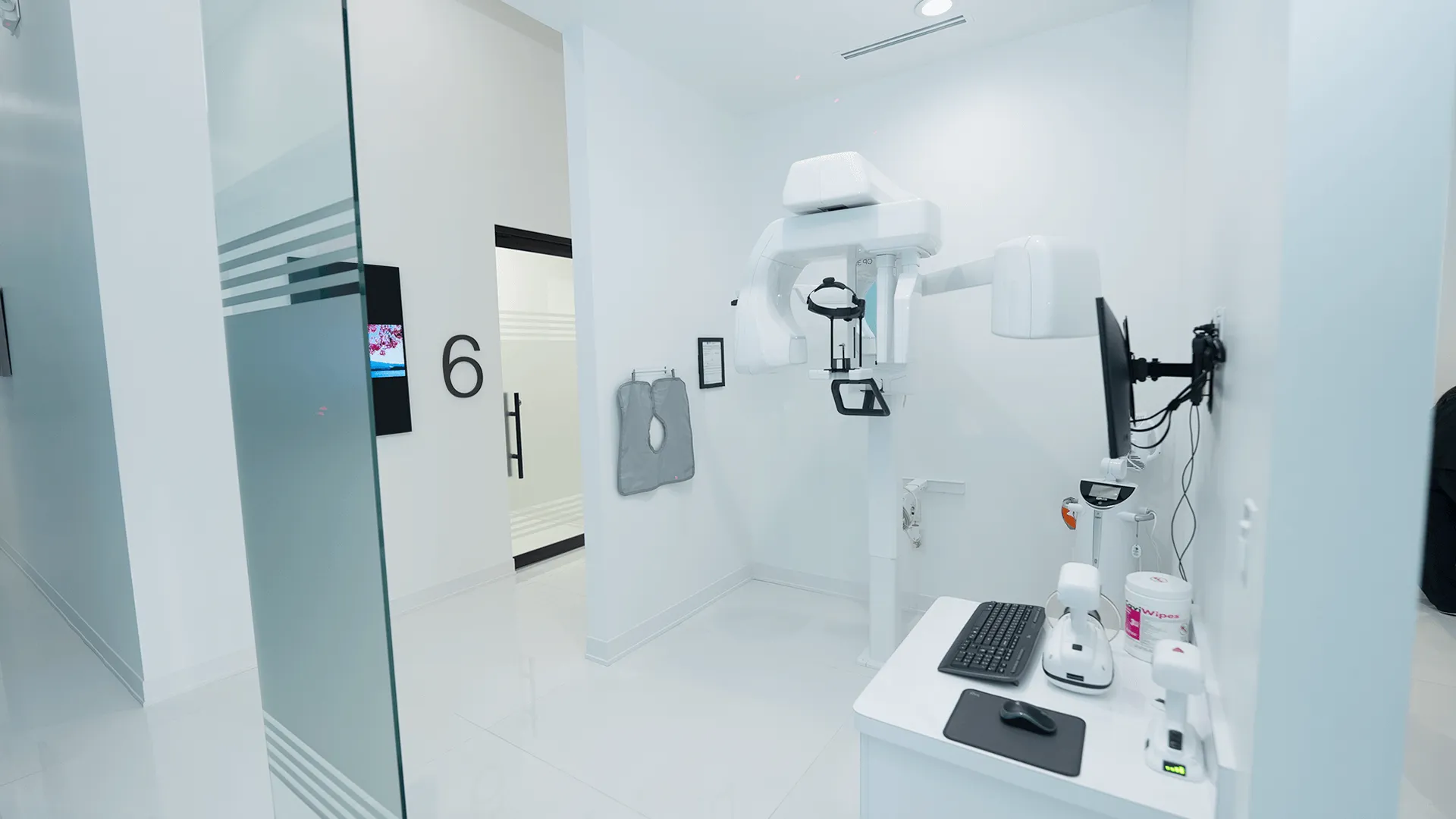
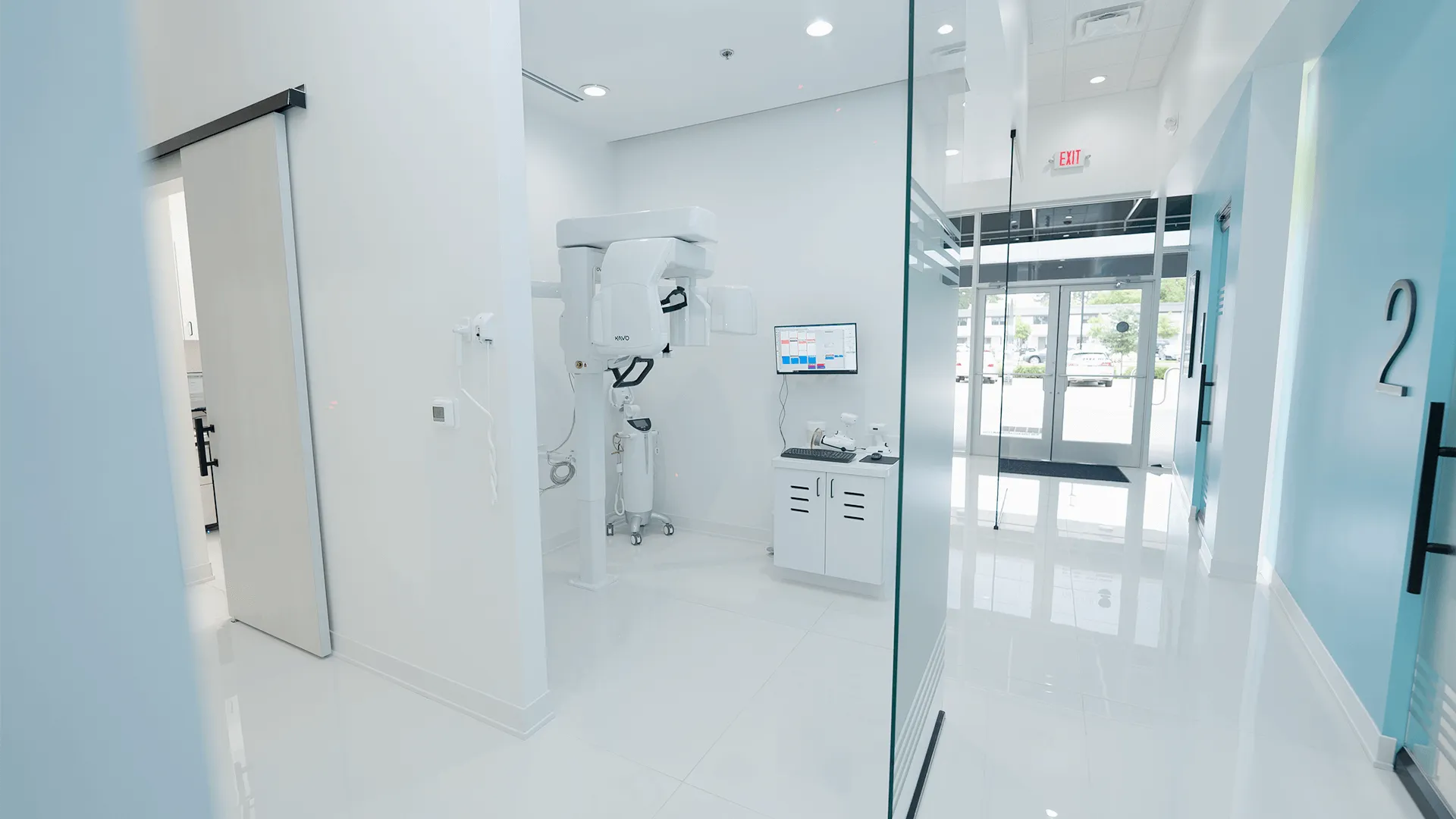
SEE WHAT A VISIT TO OUR MODERN, STATE-OF-THE-ART DENTIST OFFICE IS LIKE





Monday 9am - 6pm
Wednesday 9am - 6pm
Friday 9am - 6pm
Saturday 9am - 3pm
8940 Barker Cypress Rd. Cypress, TX 77433
3201 N. Shepherd Dr. Suite 113, Houston, TX 77018
8145 Highway 6, Building B #200, Missouri City, TX 77459
11115 W Grand Parkway S, Suite 140, Richmond, TX 77407
23227 Gosling Rd. Suite B, Spring, TX 77389
5706 San Felipe St. Ste B-300, Houston, TX 77057
// PATIENT TESTIMONIALS Cypress, TX
CHECK OUT WHAT OUR PATIENTS ARE SAYING IN CYPRESS, TX



// CARING DENTISTS Cypress, TX
OUR SOCIALS
FOLLOW US ON THESE SOCIAL MEDIA PLATFORMS