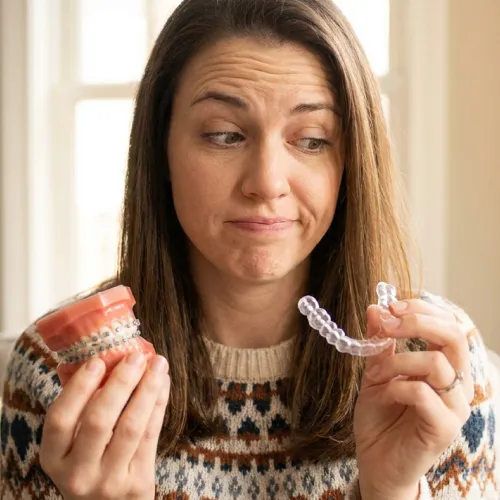
Braces vs. Invisalign: Which Is Actually Better for Complex Bites?
Are braces or Invisalign better for complex bites? Compare clear aligners and traditional braces to find your best fit. Book a consultation in Cypress today!
Read More
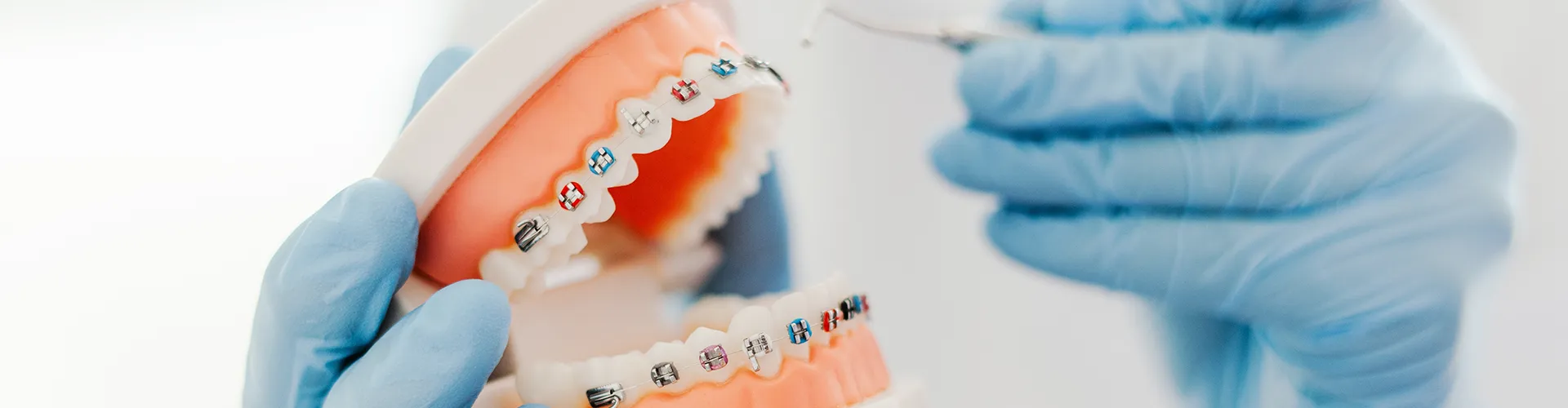
Cosmetic Dentistry, Teeth Straightening
Ever find yourself studying people’s smiles and thinking, “I’d love straighter teeth, but is Invisalign even possible for my complicated bite?” You’re not alone. A lot of folks with crowding, gaps, rotations, or bite issues wonder: Invisalign or traditional braces, what’s best when things aren’t simple?
At Nu Dentistry Cypress, we see all kinds of orthodontic challenges. No one-size-fits-all answer, but with the right information, you can make the best choice for your smile, lifestyle, and long-term dental health. In this conversation, I’ll walk you through real-world scenarios, pros, cons, tips, and what truly matters in treatment. Ready to dig in?
Ask yourself first: “Why is my case complex?” Is it crowding? An underbite or overbite? Teeth that rotate 45 degrees or more? Each of these presents its own challenge.
From experience, Invisalign succeeds even in moderate to complex situations, but success hinges on both careful planning and unwavering commitment.
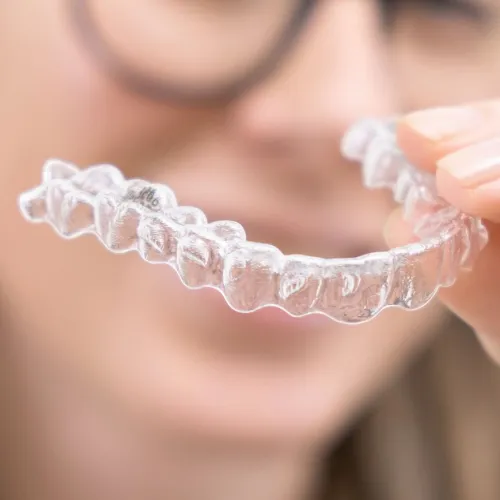
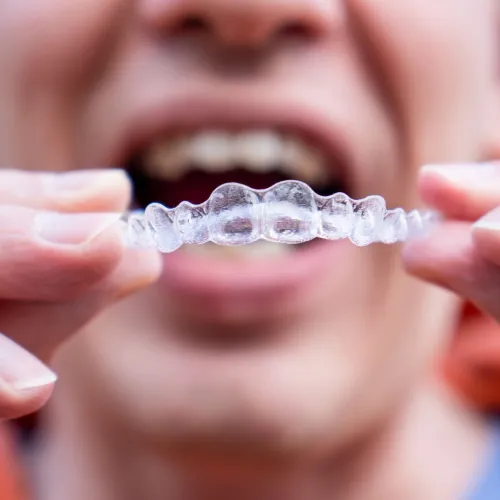
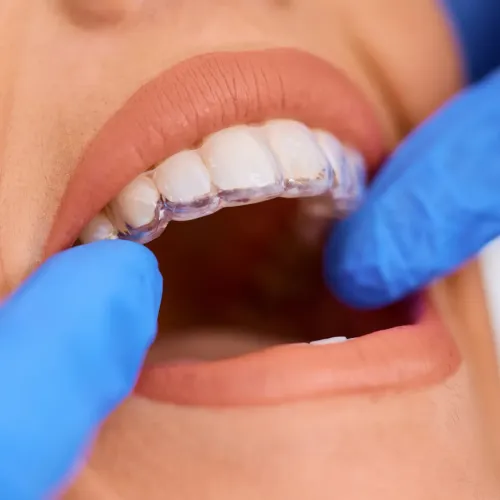
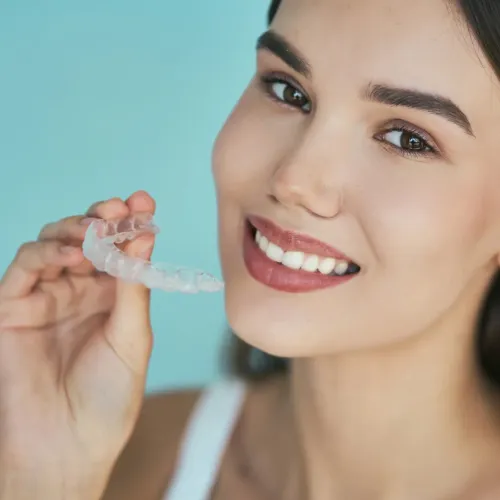
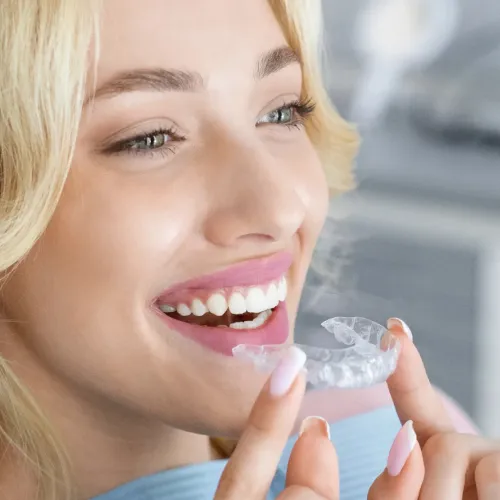
Invisalign uses a series of custom-made clear aligners that gently shift teeth. Thanks to attachments (tooth-colored bumps bonded to teeth), elastics, and refined aligner technology, Invisalign can now tackle:
At Nu Dentistry Cypress, we see Invisalign correct many issues that once were only fixable with braces.
Here’s where Invisalign shines or falters: digital precision. With intraoral scanners and ClinCheck software, we map out every tooth movement step-by-step. If a tooth won’t budge easily, we build in mid-course tweaks or even add auxiliaries (like elastics or mini-implants).
Having well-trained clinicians reviewing and adjusting those treatment plans makes a huge difference.
That said, Invisalign isn’t always the best call:
But here’s the thing: Invisalign isn’t automatically off the table in these cases. Careful planning, multidisciplinary cooperation, and refining mid-treatment can close the gap.
Let’s be honest: If you’re tackling complexity, speed won’t necessarily be the dominant factor, and sometimes it’s misleading. The real goal? Predictable, stable results with great health and esthetics. That said, timing does matter.
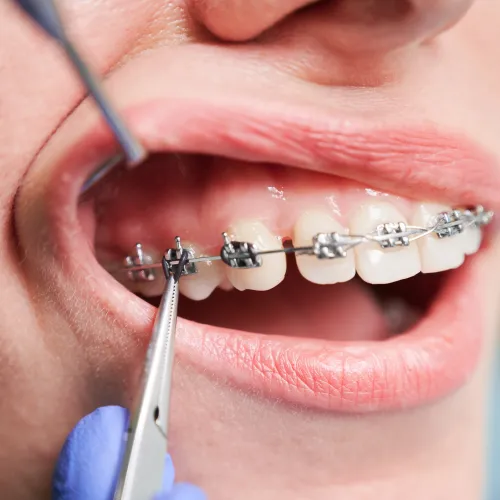
Braces:
Moderate cases: 18–24 months
Severe cases: 24–36+ months
Invisalign:
Moderate cases: 12–20 months (often 6–12 aligners plus up to 6 variants)
Complex cases: 18–30+ months, including refinements
There are plenty of anecdotes praising Invisalign’s speed. But in complex scenarios, the timeline often equals braces, or even extends longer due to the need for refinements or auxiliaries.
Braces are non-removable, you can't forget to wear them, which leads to consistent progress. Invisalign’s removable nature is both its strength and its downfall. On average, removable aligners are worn 22 hours a day, but this drops in real life. Skipping meals or brushing less often? That’s fine. Skipping your aligners for a few hours daily? That delays results.
Clinical data shows that compliance rules the clock. A study published in 2022 reviewed 200 complex Invisalign patients: compliant patients completed treatment in under 18 months, while noncompliant cases dragged on beyond 24 months.
Complex cases often don’t hit everything perfectly with the first series of aligners. Refinement rounds are where Invisalign shines, you can digitally modify tooth movements mid-treatment and order new aligners, which braces can’t always match as efficiently.
So, while braces may seem faster upfront, lucky cases aside, Invisalign can be equally efficient, if managed well.
When it’s all said and done, durability and health of the result matter more than sticker shock or treatment duration. Let’s break down longevity, stability, and oral health outcomes.
No matter the treatment, retention is everything:
Invisalign’s removability makes brushing and flossing easier during treatment, no wires or brackets to clean around. This advantage markedly reduces risk of enamel decalcification and gum inflammation.
Braces increase caries risk if oral hygiene slips. Though we see many teen patients brush diligently, some don’t, and early white spot lesions aren’t uncommon. If your oral health routine is rock solid, both paths should yield healthy outcomes. If not, Invisalign is gentler.
In patients with gum recession, bone loss, or periodontal disease, Invisalign supports better outcomes. It avoids trauma from archwires and brackets, making it gentler on already sensitive gums.
That said, braces allow more controlled tooth movements (particularly torque) and can activate areas with thin bone more predictably.
Straight teeth are great, but a correct bite is critical.
With diligent planning, Invisalign can deliver lasting, functional bites, especially in mild to moderate cases. In more severe bites, braces may give more consistent long-term function.
Here’s the message I share all the time with patients at Nu Dentistry Cypress: No magical silver bullet exists, and both Invisalign and braces deserve a seat at the table. The right choice depends on:
I’ve seen people transform their smiles, and their confidence, with both treatments. The key is personalized attention: evaluating your anatomy, customizing the plan, staying flexible with refinements, and investing in proper bite and retention.
Our goal? We want to make you feel heard, confident, and genuinely excited about your transformation.
If you're curious whether Invisalign could work, even with complications, or if braces seem more reliable, I’m here to help. Nu Dentistry Cypress is not only about straighter teeth, we’re about caring for your whole oral health and keeping your smile stable and vibrant for years to come.
Ready to get started? Schedule an appointment today, we’ll walk you through everything, help you weigh options, and chart the path that gives you both a stunning smile and lasting confidence. See you soon at Nu Dentistry Cypress!
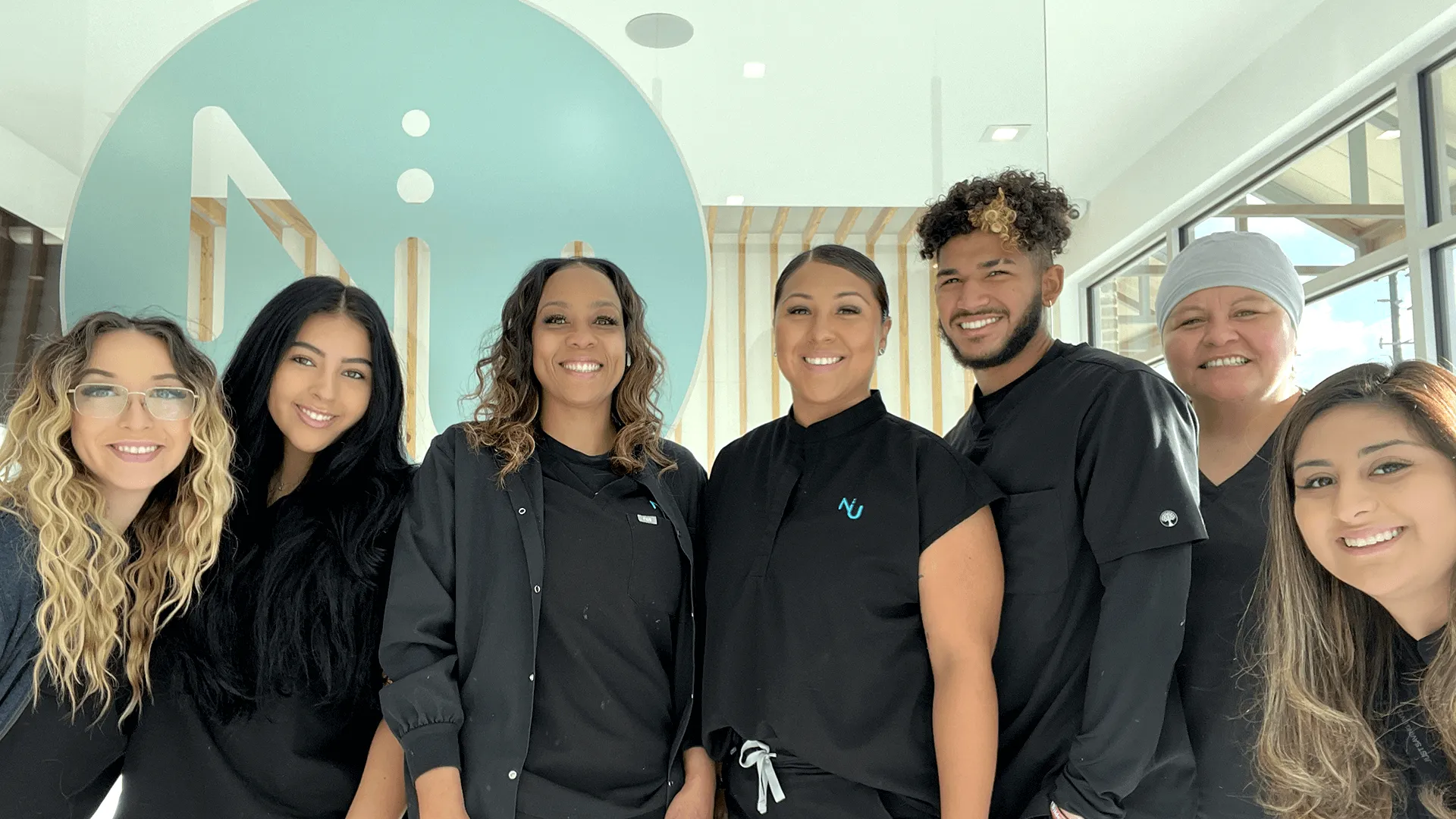
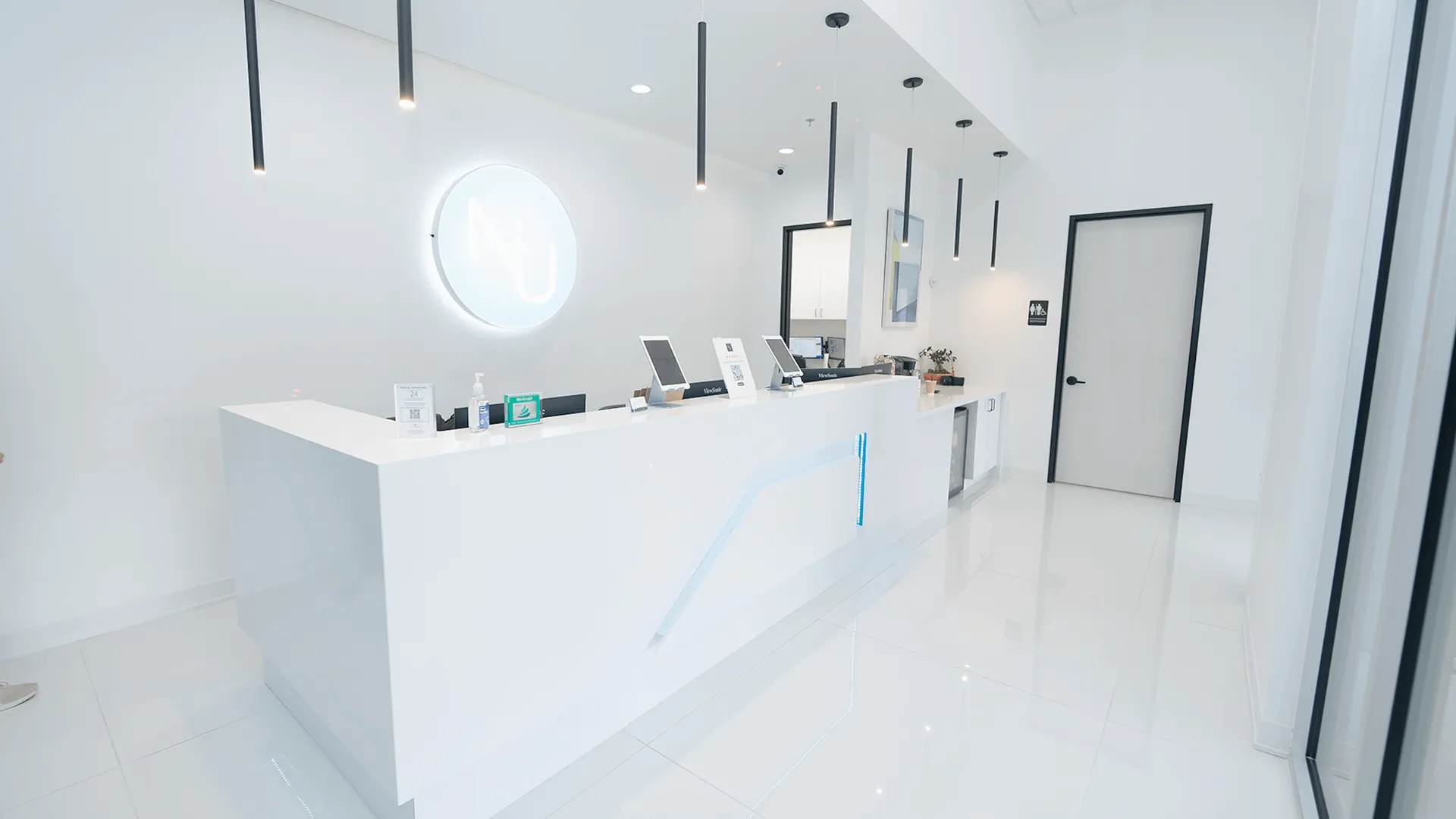
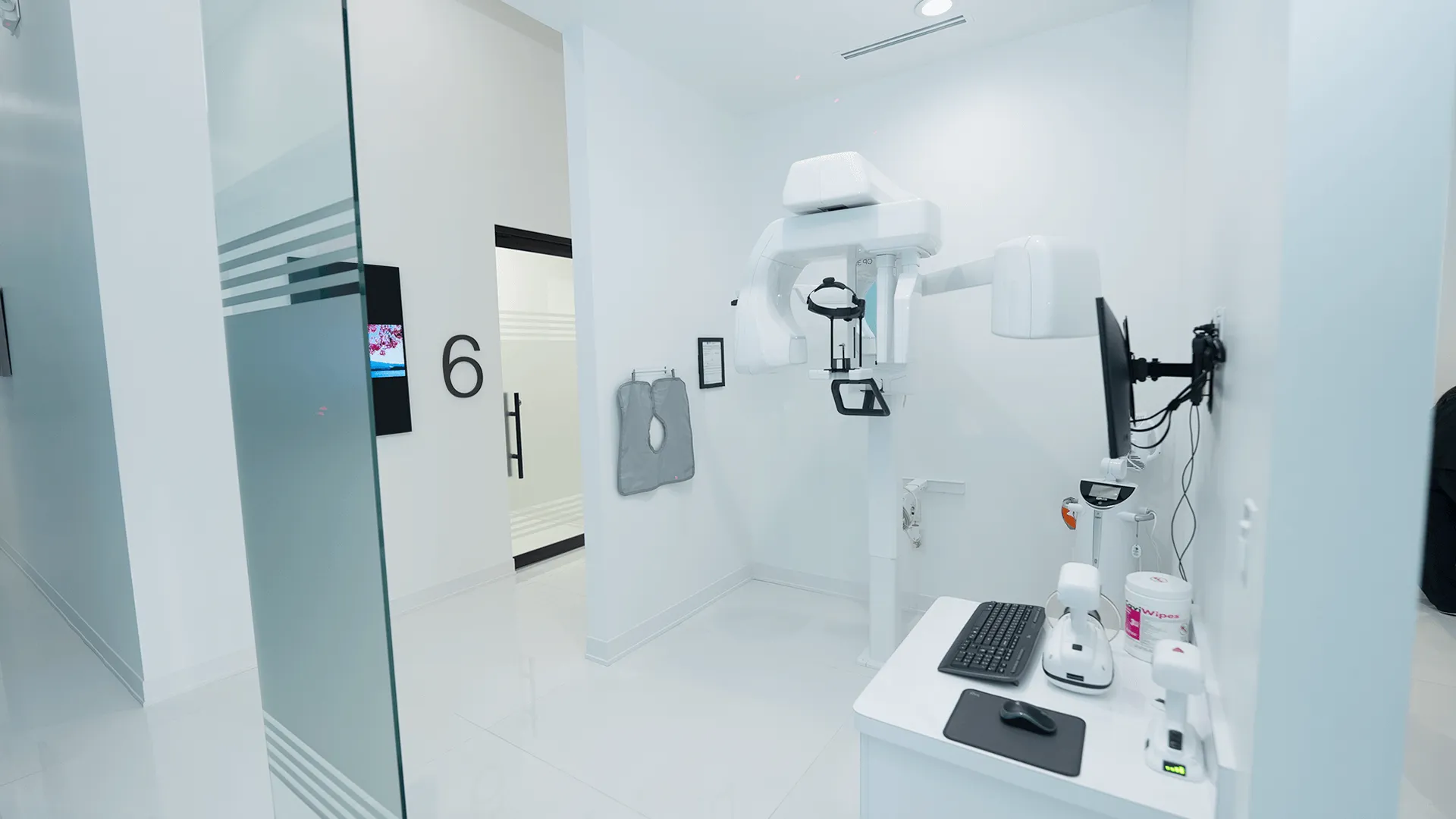
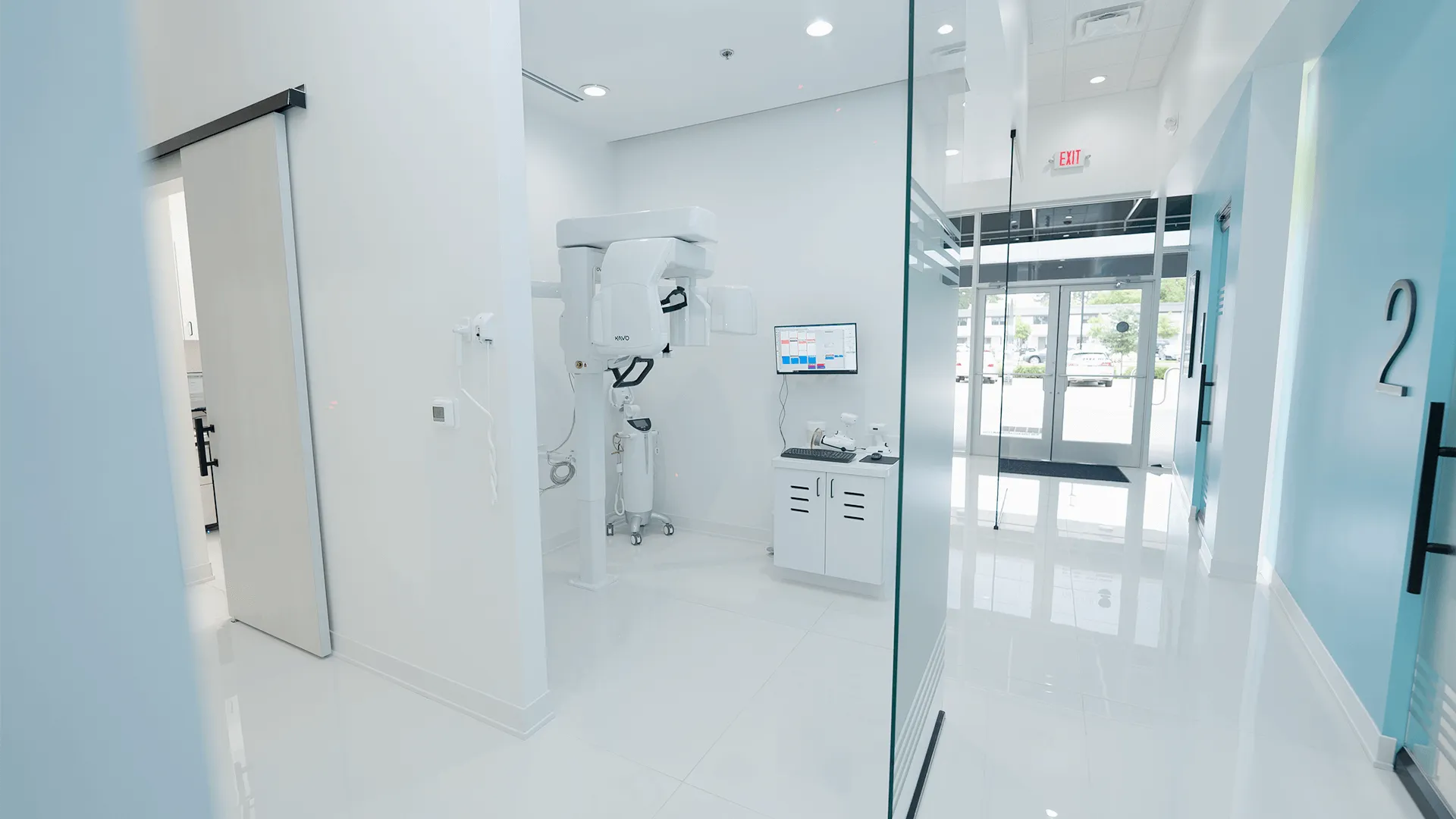
// NU DENTISTRY IN Cypress, Texas
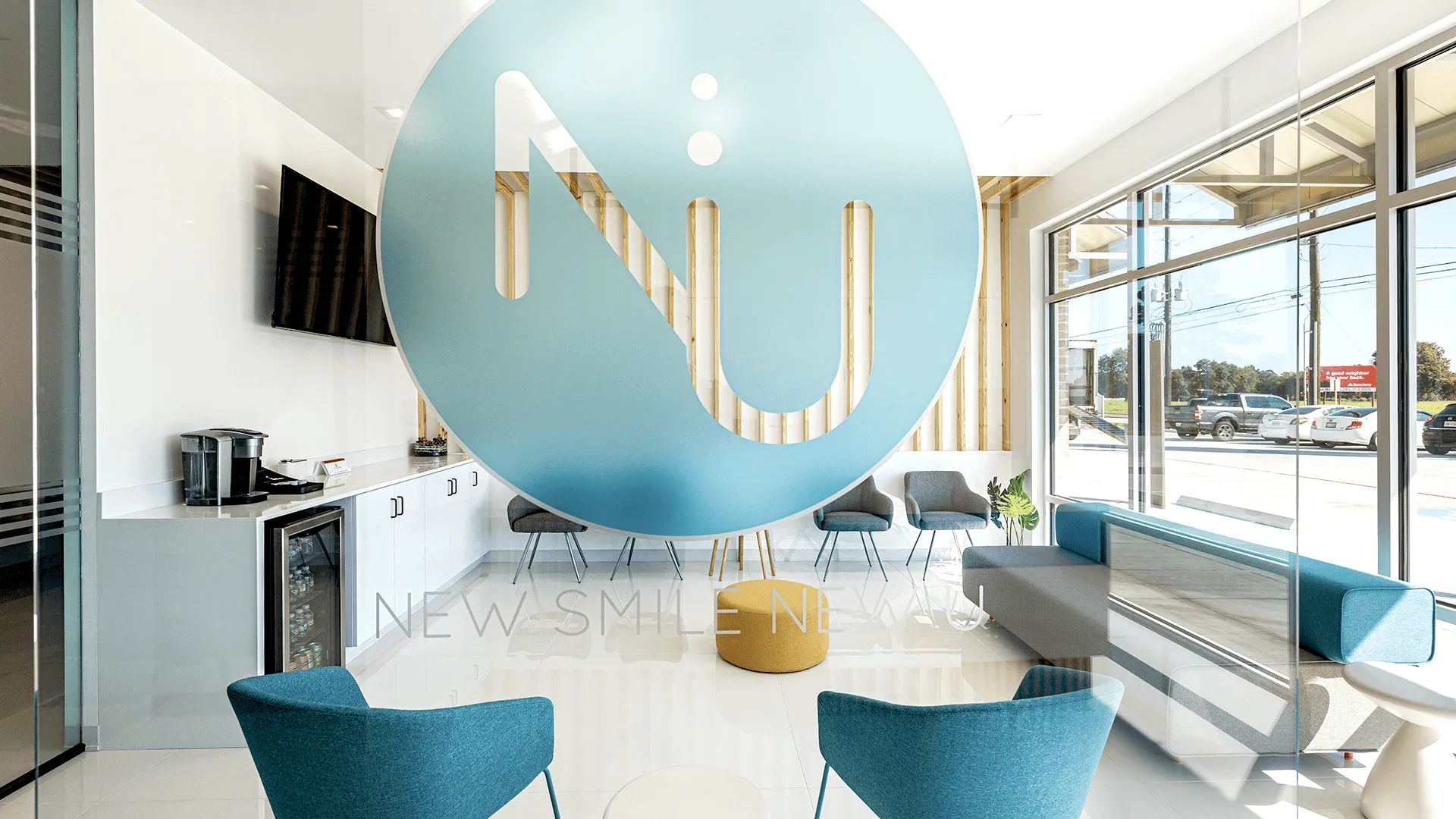
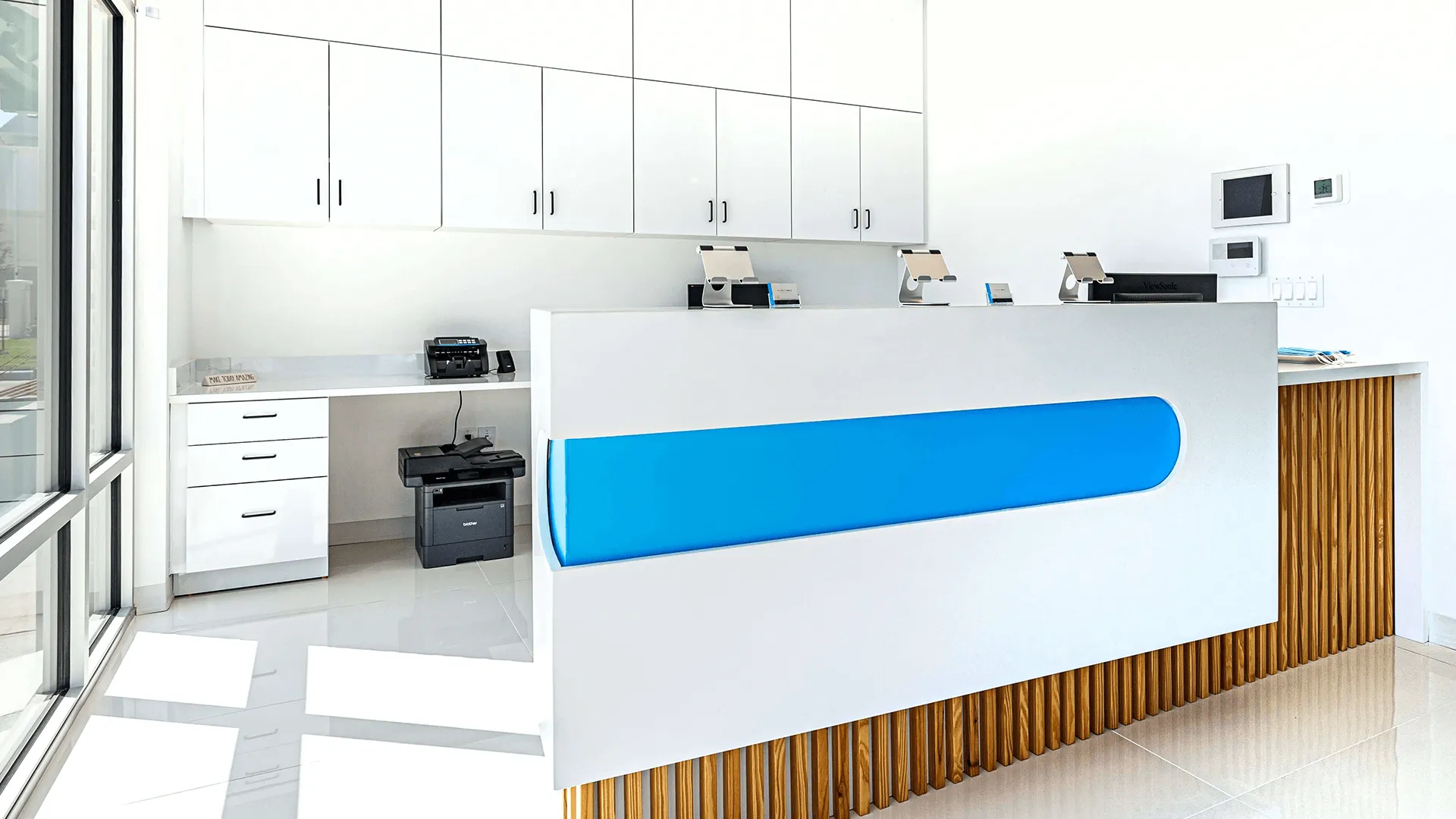
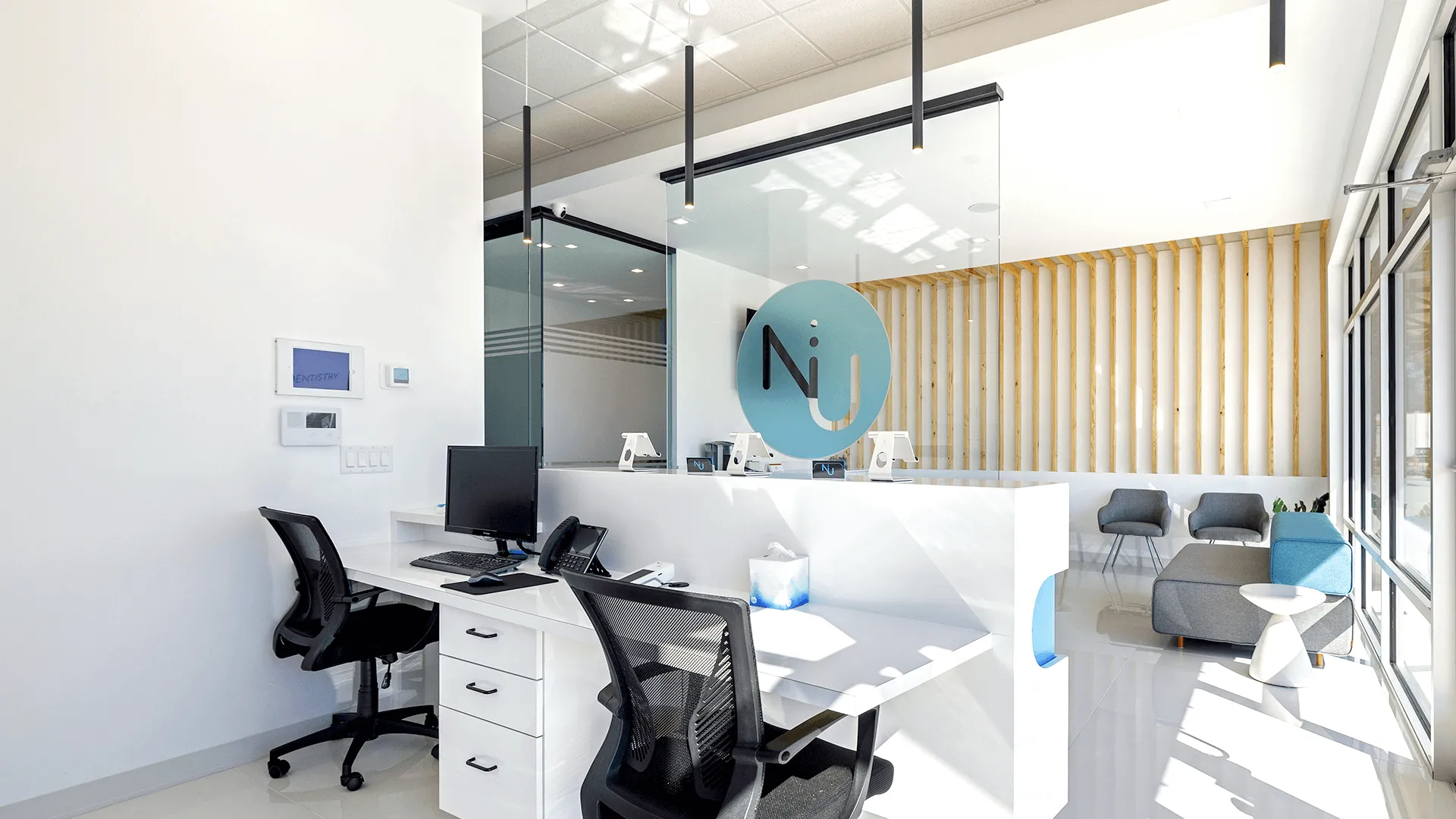
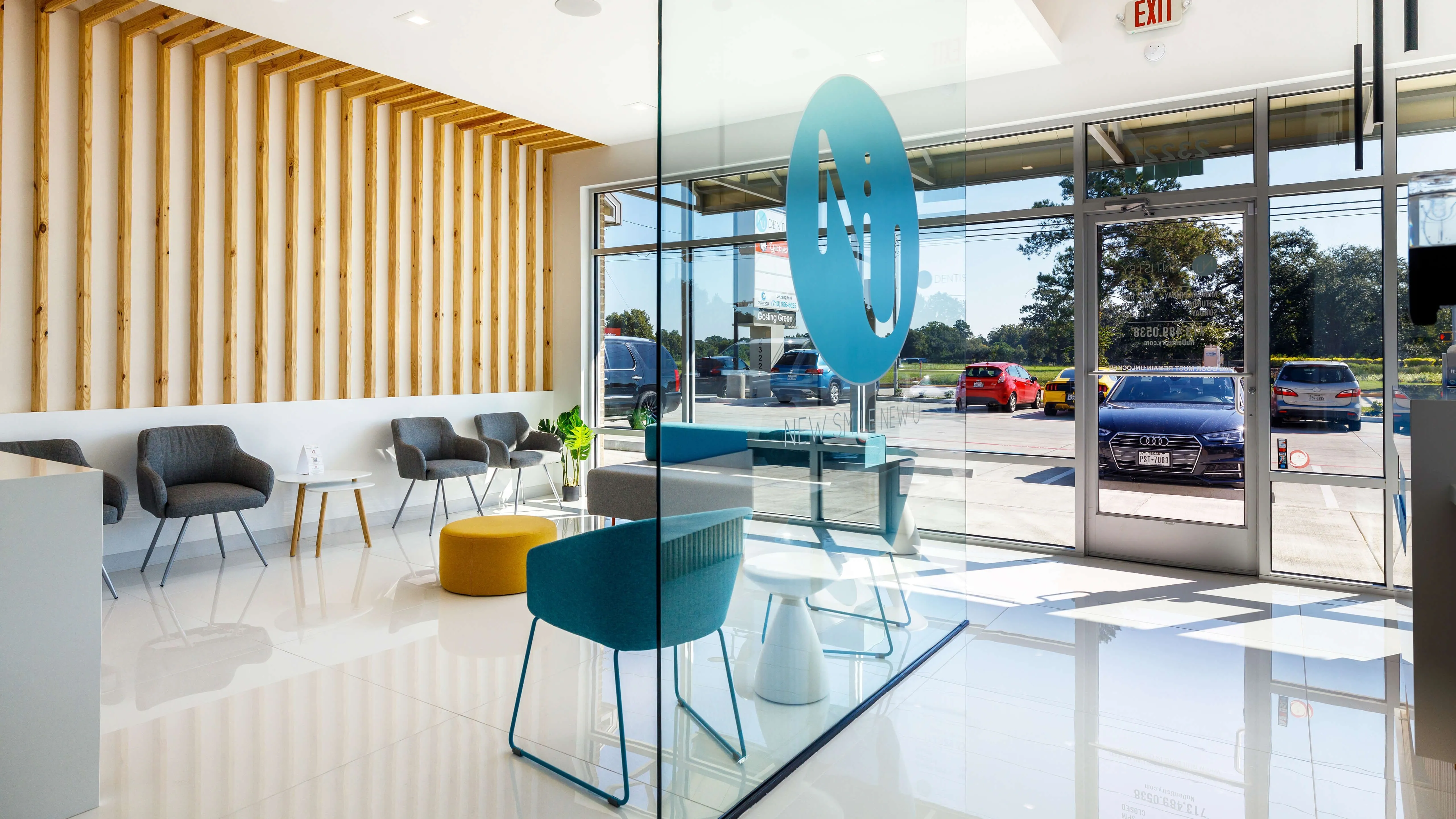
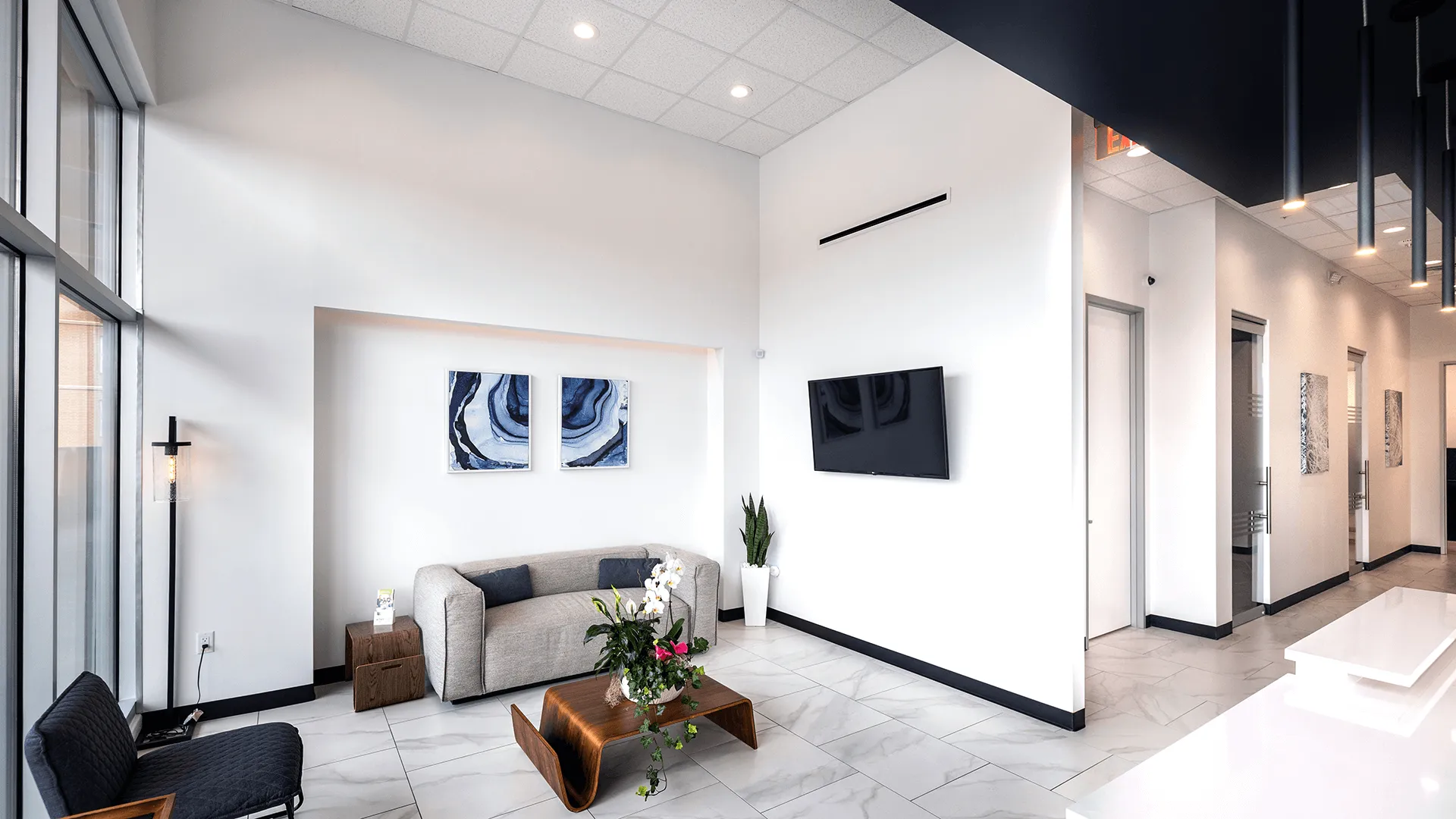
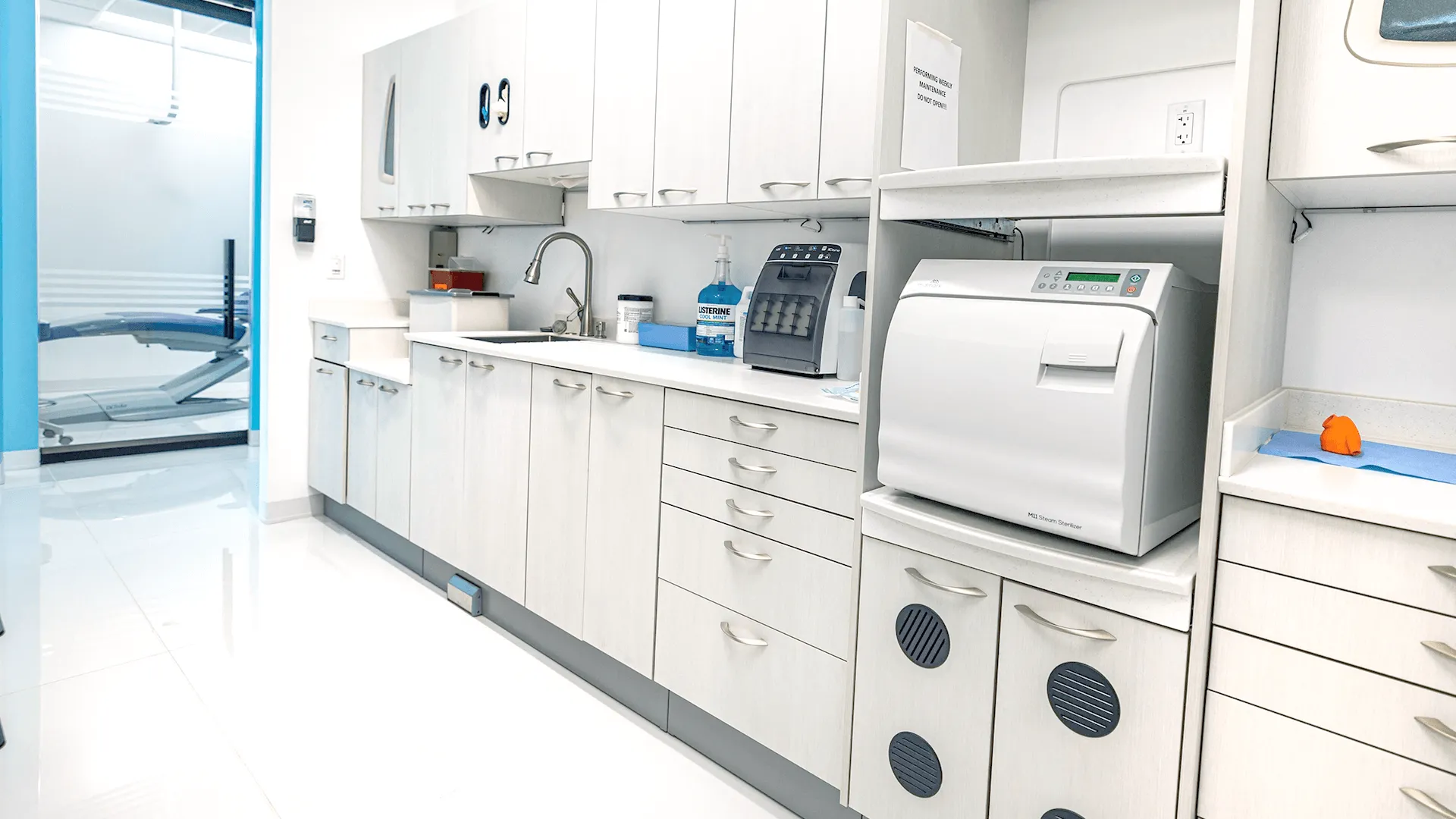
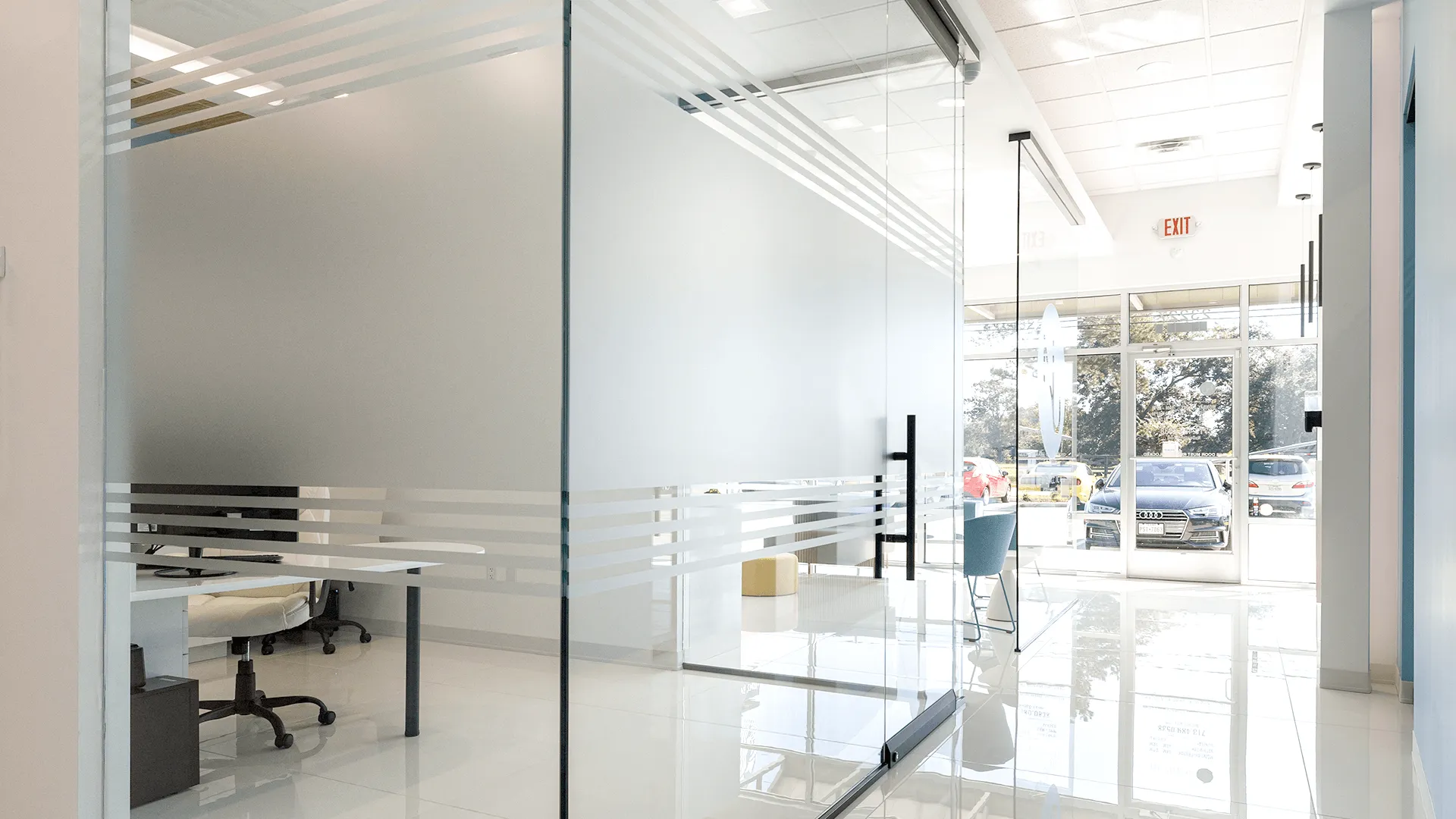
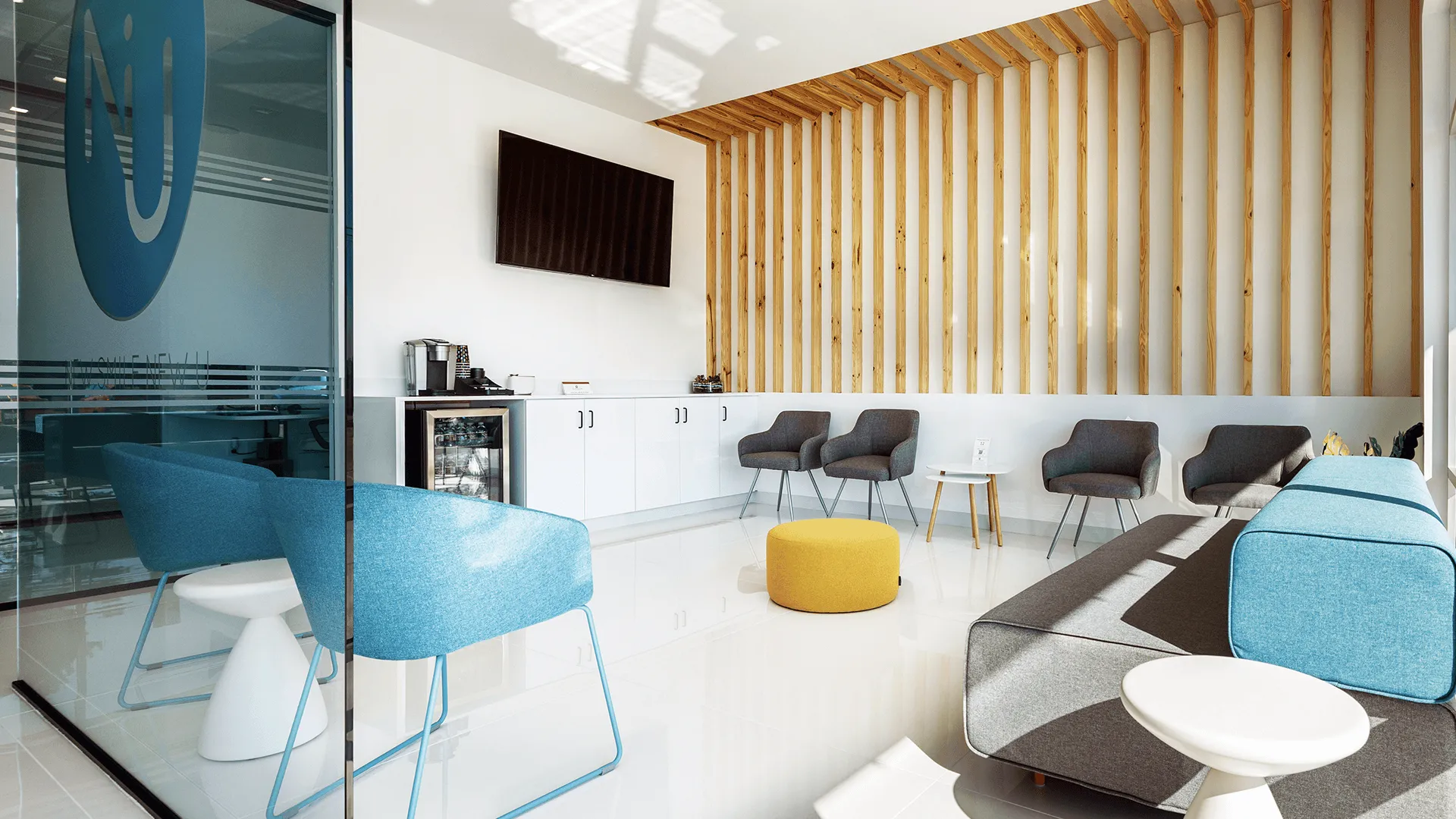
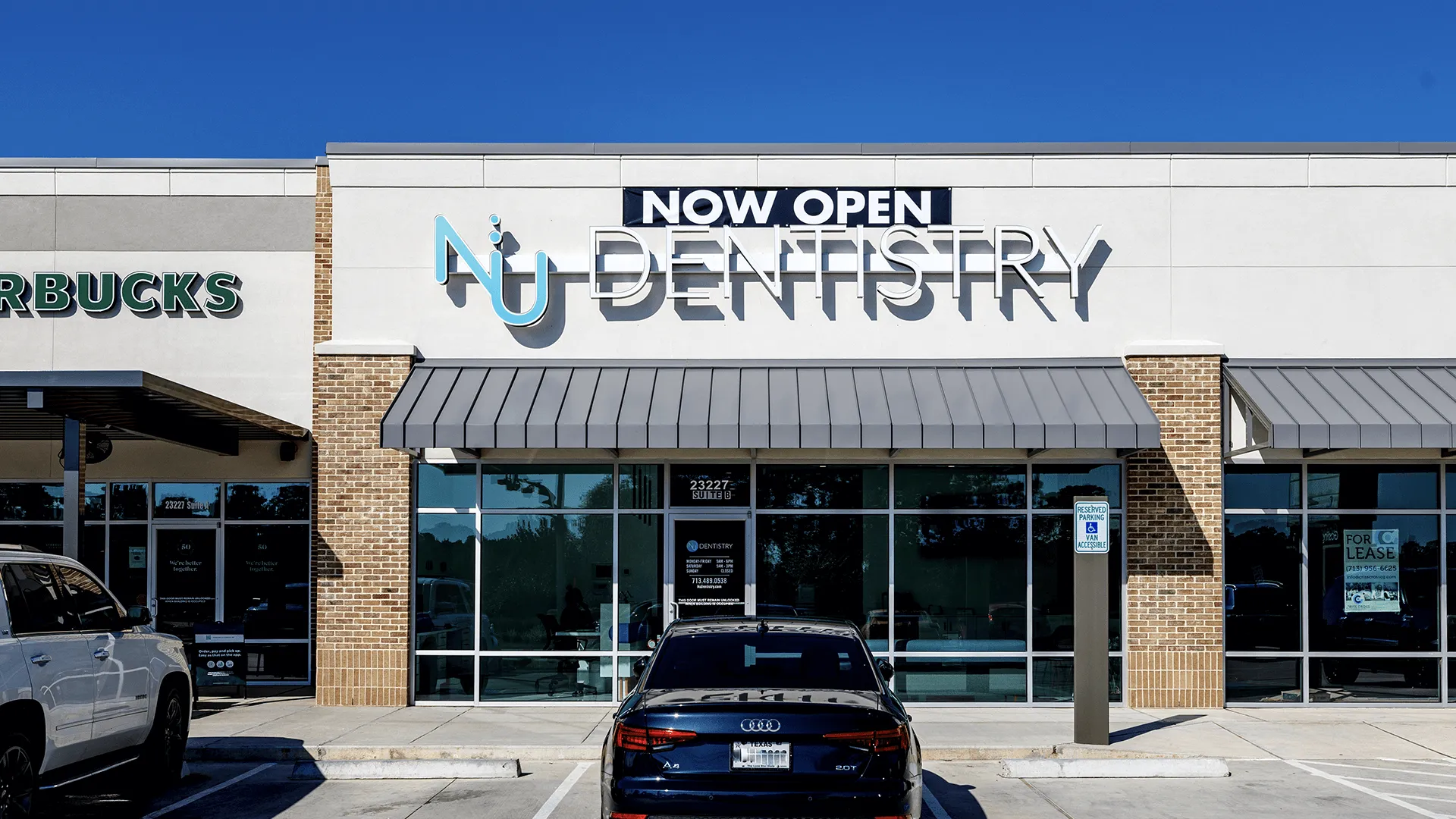
SEE WHAT A VISIT TO OUR MODERN, STATE-OF-THE-ART DENTIST OFFICE IS LIKE
Monday 9am - 6pm
Wednesday 9am - 6pm
Friday 9am - 6pm
Saturday 9am - 3pm
8940 Barker Cypress Rd. Cypress, TX 77433
3201 N. Shepherd Dr. Suite 113, Houston, TX 77018
8145 Highway 6, Building B #200, Missouri City, TX 77459
11115 W Grand Parkway S, Suite 140, Richmond, TX 77407
23227 Gosling Rd. Suite B, Spring, TX 77389
5706 San Felipe St. Ste B-300, Houston, TX 77057
// PATIENT TESTIMONIALS Cypress, TX
CHECK OUT WHAT OUR PATIENTS ARE SAYING IN CYPRESS, TX


// CARING DENTISTS Cypress, TX
OUR SOCIALS
FOLLOW US ON THESE SOCIAL MEDIA PLATFORMS