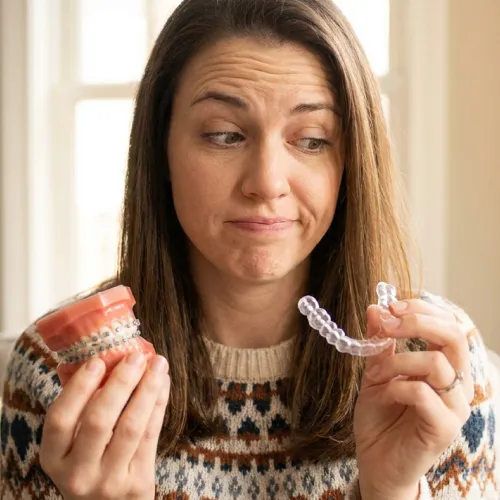
Braces vs. Invisalign: Which Is Actually Better for Complex Bites?
Are braces or Invisalign better for complex bites? Compare clear aligners and traditional braces to find your best fit. Book a consultation in Cypress today!
Read More
Cosmetic Dentistry, Teeth Straightening
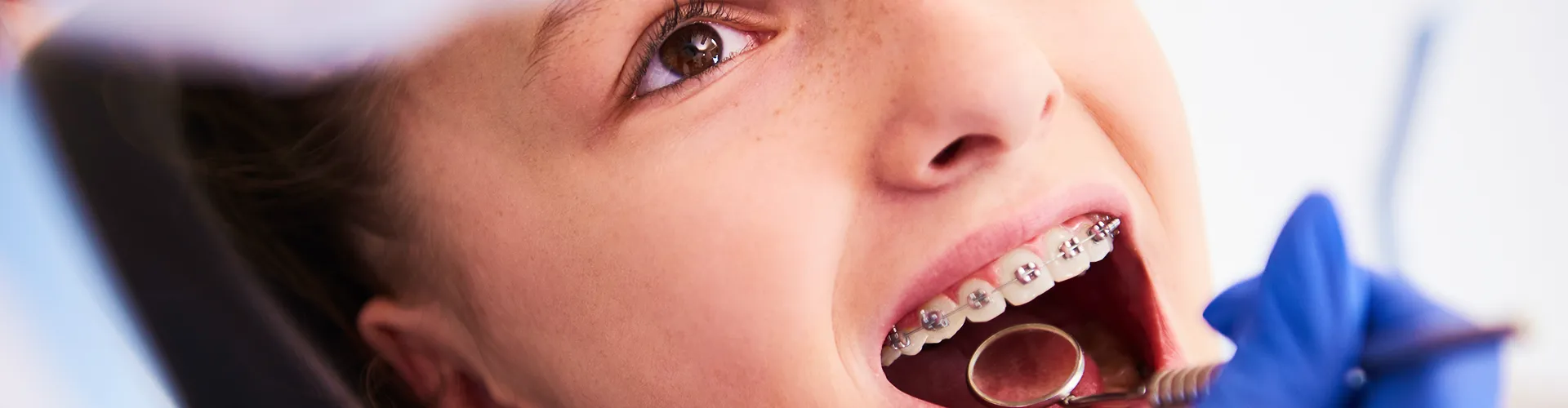
Getting braces is an exciting step toward a confident, healthy smile. But the early weeks can also be filled with surprising sensations, minor frustrations, and a few unexpected discoveries about your mouth. Whether you’re a teen getting braces for the first time or an adult revisiting orthodontics, the adjustment phase is a mix of progress and patience. At Nu Dentistry Cypress, we help patients navigate these early hurdles with confidence and comfort—because a smoother start often means a better journey ahead.
Let’s explore what really happens during those first few weeks of wearing braces, what’s normal, and what deserves attention.
Right after getting braces, many patients notice a slight lisp or change in pronunciation, especially when pronouncing “s” or “th” sounds. This happens because your tongue, lips, and cheeks are adjusting to the new hardware in your mouth. Your tongue, which plays a major role in shaping speech, now has less space and different surfaces to navigate.
For most people, these changes are temporary. The mouth is remarkably adaptable, and within one to two weeks, your tongue will naturally adjust to the new terrain. Reading out loud or practicing tongue twisters can help retrain your speech muscles more quickly.
What’s interesting is that not everyone experiences the same level of adjustment. People who talk a lot for work—teachers, salespeople, public speakers—tend to notice speech changes more, simply because they use their voices more often.
If your speech still feels off after a few weeks, your orthodontist can check if a bracket placement or archwire edge is interfering with tongue movement. Sometimes, a simple wax application or wire trim makes a big difference.
During this phase, it’s important to stay patient and hydrated. Dry mouth can make speech sound slurred or uncomfortable, and braces can contribute to it. Drinking water frequently keeps tissues moist and helps you articulate more clearly.
So while your speech might feel slightly different at first, remember—it’s just your mouth learning a new rhythm. And like any new instrument, it just takes practice.
Braces can temporarily change the way you chew and even how you digest food, simply because you’re forced to adjust your bite and food choices.
Right after braces are placed, your teeth feel tender because they’re starting to move, tiny shifts that signal progress. This sensitivity can make chewing harder foods like apples, nuts, or crusty bread uncomfortable, leading many patients to instinctively switch to softer foods. While that’s fine for comfort, the change can slightly alter digestion if you’re not chewing as thoroughly as usual.
Chewing is the first step of digestion. When you can’t chew as efficiently, larger food particles make it to your stomach, forcing your digestive system to work harder. To help with this, it’s best to stick with soft yet nutrient-rich foods that don’t require intense chewing—think soups, mashed vegetables, yogurt, pasta, or steamed rice.
Your bite may also feel “off” at first. Because braces are gently repositioning your teeth, your jaw alignment is in transition. This can make chewing feel awkward or uneven for the first couple of weeks. The key is to go slow and give your teeth time to adapt. Within a few weeks, most patients find that their bite starts to feel more natural again.
One subtle challenge is that braces can trap food more easily, and leftover debris can affect both taste and digestion if not properly cleaned. Rinsing with water after eating and using an interdental brush or water flosser helps keep things fresh and prevents plaque buildup.
Remember—chewing discomfort is not a sign that something’s wrong. It’s proof that your teeth are responding to treatment. And once you get through those first few weeks, you’ll find your eating habits feel more normal, even with braces.
White spots on teeth during orthodontic treatment are early signs of enamel decalcification, which happens when plaque sits around brackets for too long.
When food particles mix with saliva and bacteria, they form a sticky layer called plaque. This film loves to gather around brackets and wires, where brushing can be tricky. The acids in plaque slowly pull minerals from the enamel, leaving chalky white spots that can remain even after the braces come off.
These spots are preventable with proper care, but they can appear surprisingly quickly, sometimes within a few weeks if brushing and rinsing habits slip. That’s why daily oral hygiene becomes even more important during braces. Brushing after every meal, flossing carefully with threaders, and using fluoride mouth rinses can help strengthen enamel and reverse early changes.
Another often-overlooked factor is diet. Sugary or acidic drinks like soda, energy drinks, or even fruit juices can make enamel more vulnerable, especially when trapped behind brackets. Sipping water instead helps wash away acids and food debris.
If white spots start to appear, don’t panic. Early-stage decalcification can often be remineralized with fluoride treatments or special toothpaste prescribed by your dentist. In more advanced cases, your dental team may recommend microabrasion or cosmetic bonding after braces removal to restore your enamel’s uniform appearance.
Braces are a long-term investment, and protecting your enamel ensures your new smile isn’t just straight—but healthy and radiant too.
While every orthodontic journey is different, some early issues tend to show up for most patients. Understanding them helps you stay calm and proactive.
1. Mild Soreness and Pressure: After the first tightening, it’s normal to feel soreness around your teeth and gums. This is simply your body’s response to movement. Over-the-counter pain relievers or orthodontic wax can make the adjustment easier.
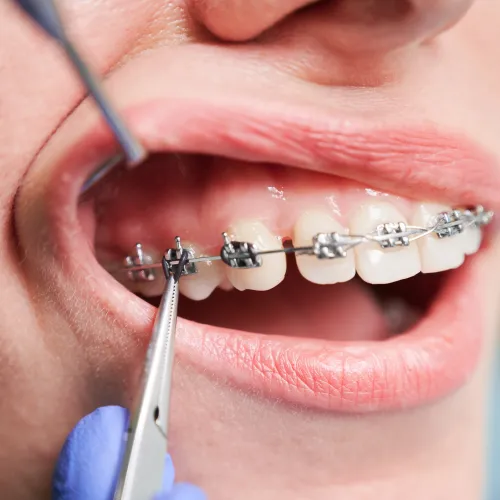
2. Mouth Irritation: The brackets and wires can rub against the inside of your cheeks and lips, causing small sores or tenderness. Orthodontic wax and saltwater rinses are simple ways to reduce irritation. Within a couple of weeks, the tissue toughens up and adjusts naturally.
3. Bite Changes: As teeth shift, your bite might feel uneven or your jaw might click lightly when you chew. This sensation is temporary and tends to balance out with each adjustment.
4. Difficulty Cleaning: Flossing with braces takes patience. Consider using a water flosser or orthodontic threader to reach tight spots more effectively. Keeping plaque away from brackets is the best defense against enamel damage.
5. Loosened Brackets or Wires: Sometimes, sticky or hard foods can knock a bracket loose or bend a wire. If this happens, schedule a quick visit to your orthodontist for repair—it’s a common issue and usually easy to fix.
It’s normal to have mild discomfort, but you should reach out to your orthodontist if you experience:
Your orthodontic team can make small tweaks that dramatically improve comfort and prevent complications.
Though the early stage can be uncomfortable, it’s also the most exciting. Every bit of soreness means your teeth are moving toward better alignment. Many patients start noticing visible improvements in as little as six weeks, which makes the journey more motivating.
By caring for your teeth now—brushing thoroughly, watching your diet, and communicating with your orthodontist—you’re not only ensuring a successful treatment but also setting yourself up for long-term oral health.
If you’re considering braces or have recently begun your journey, Nu Dentistry Cypress is here to help you every step of the way. Our orthodontic team combines expertise with personalized care, ensuring your experience is as comfortable and rewarding as possible.
Schedule your appointment today and let’s make those first few weeks of braces easier, smoother, and worth every smile ahead.


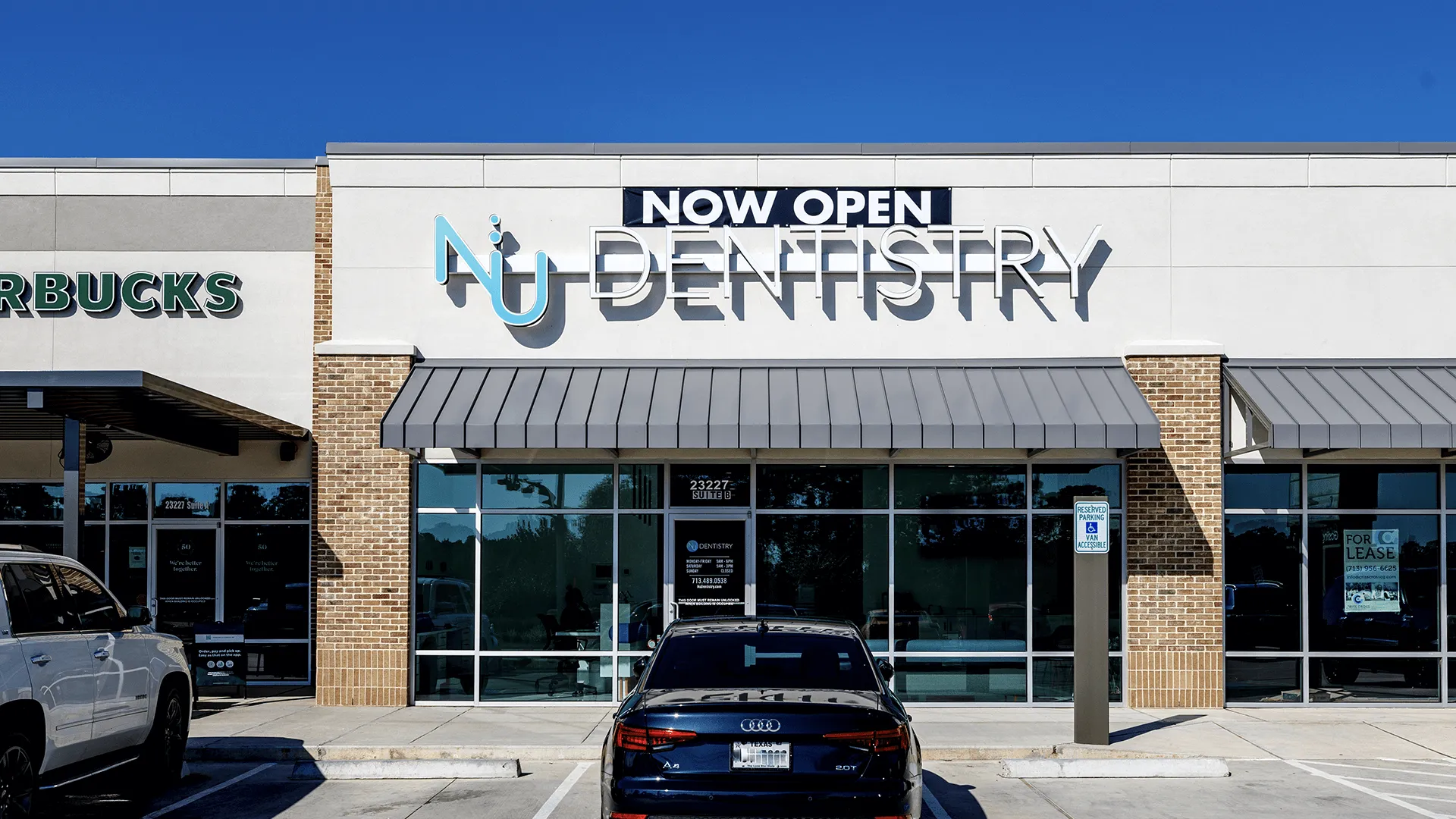
// NU DENTISTRY IN Cypress, Texas
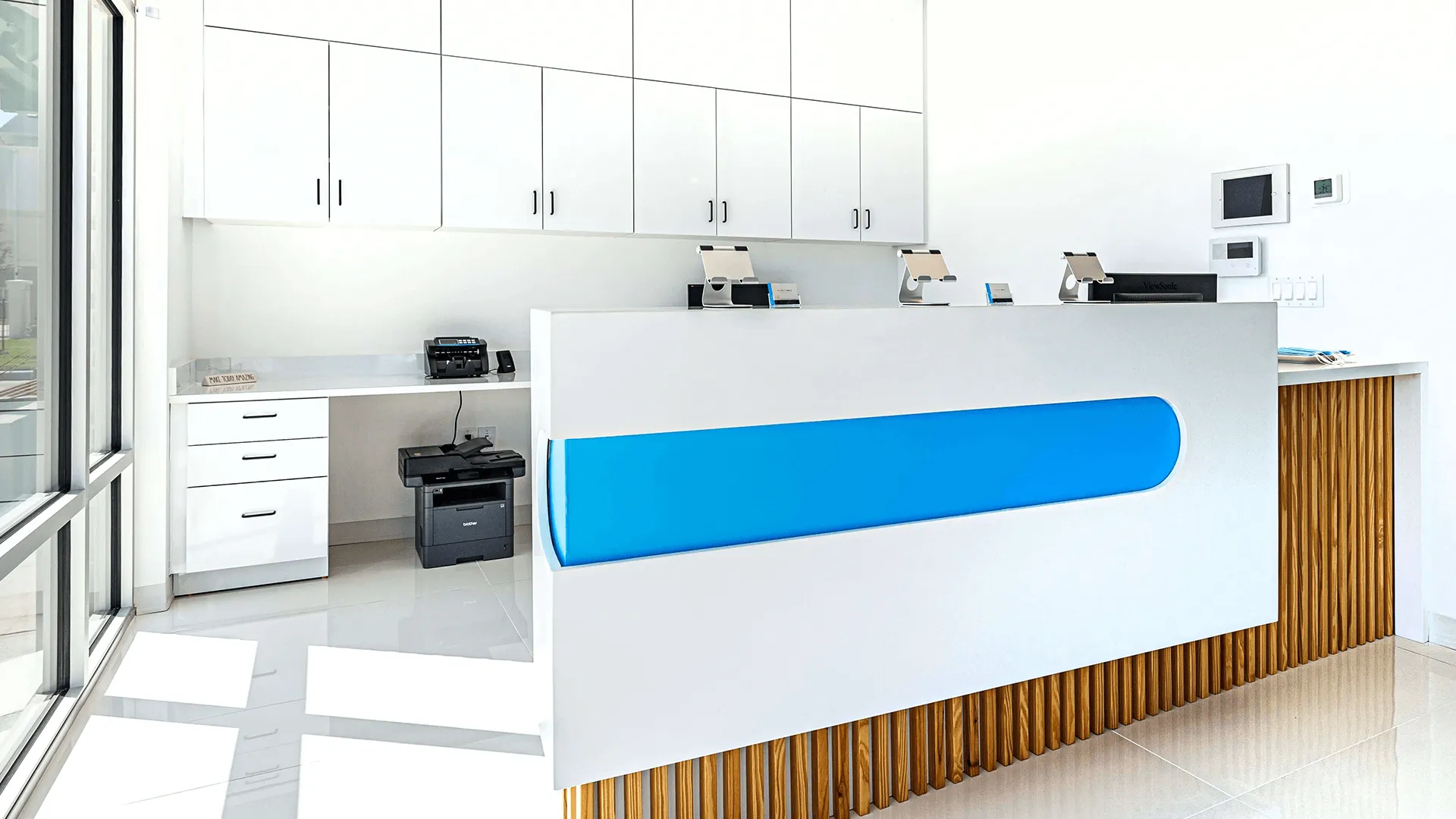
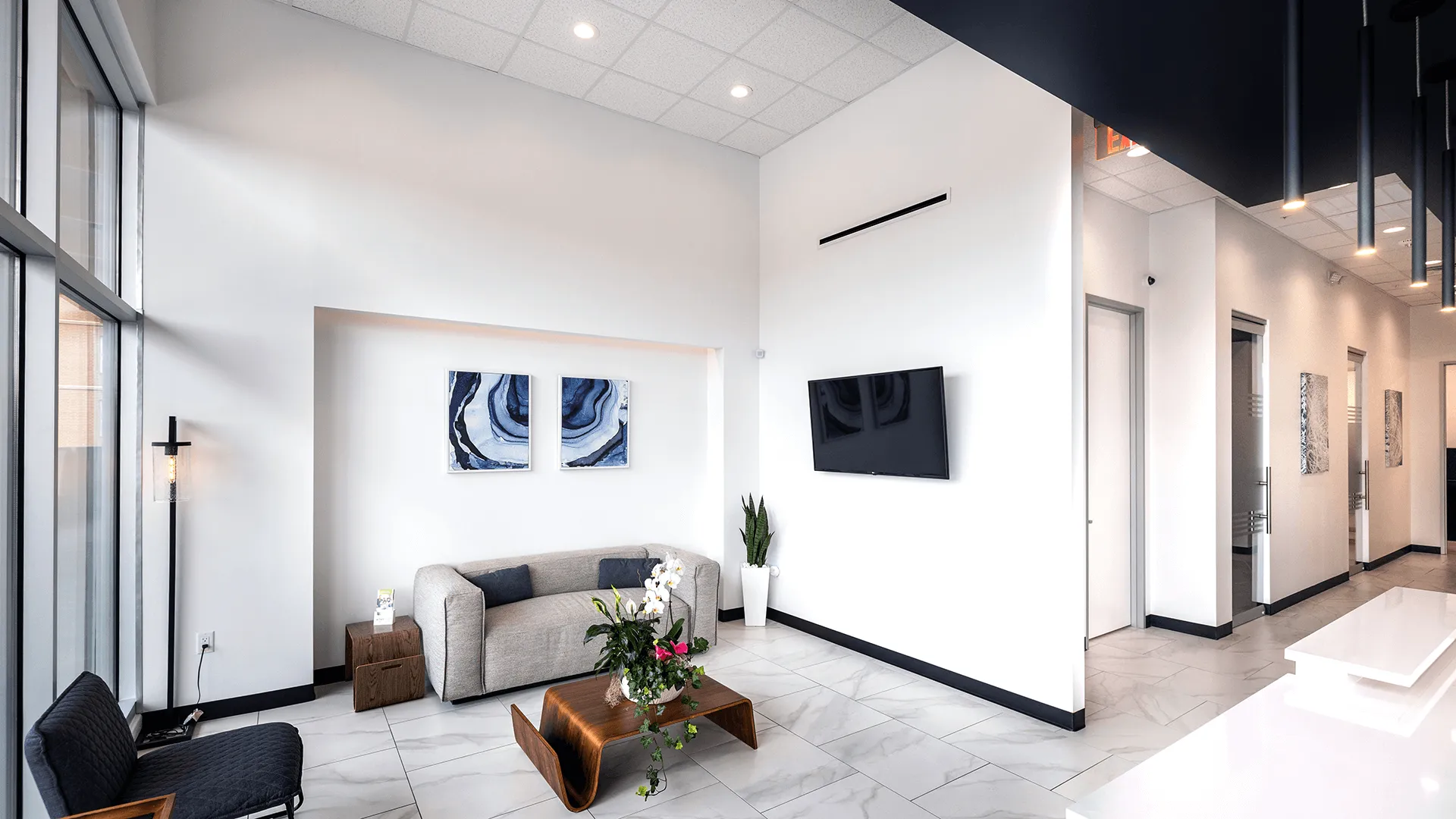
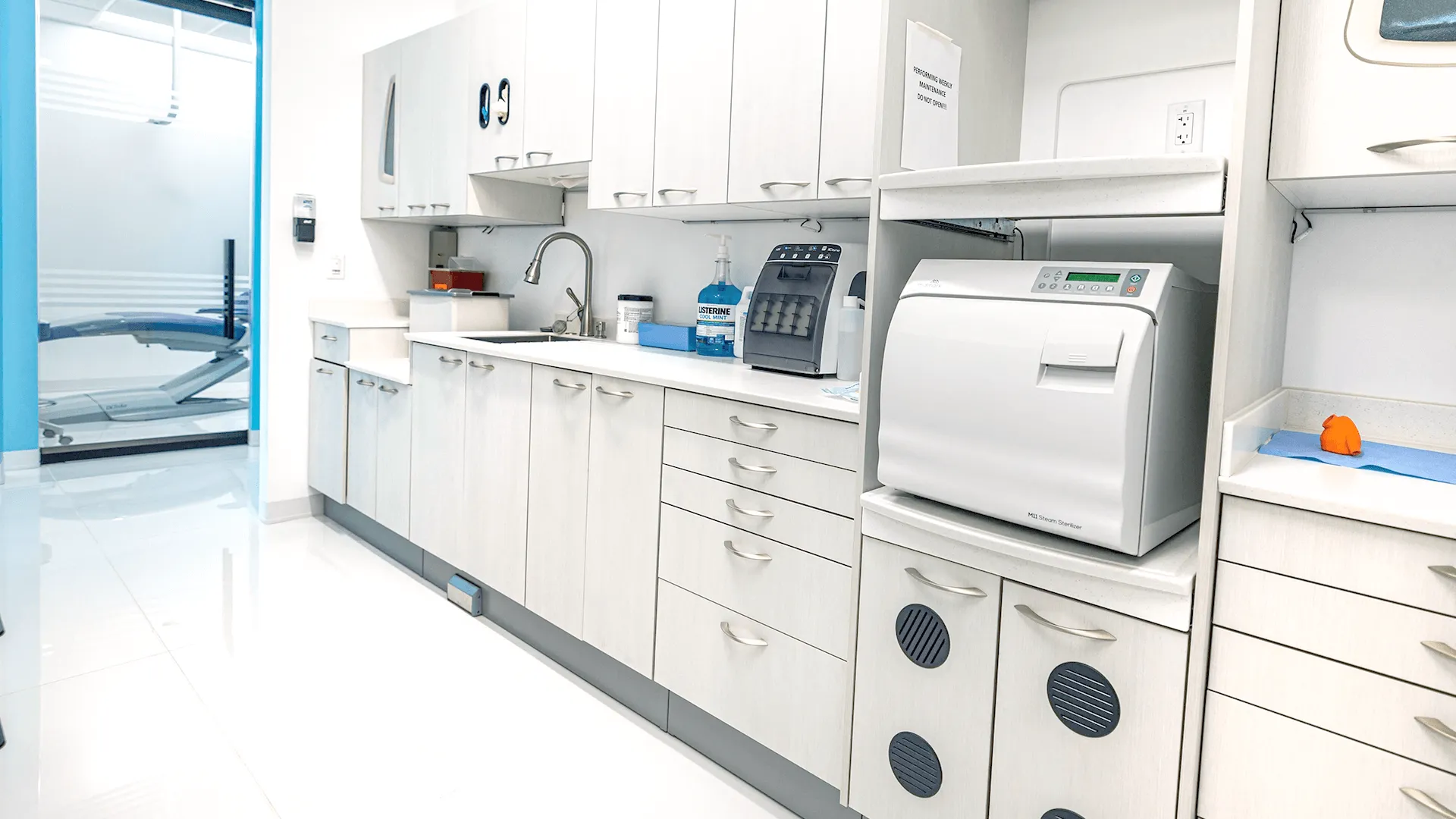
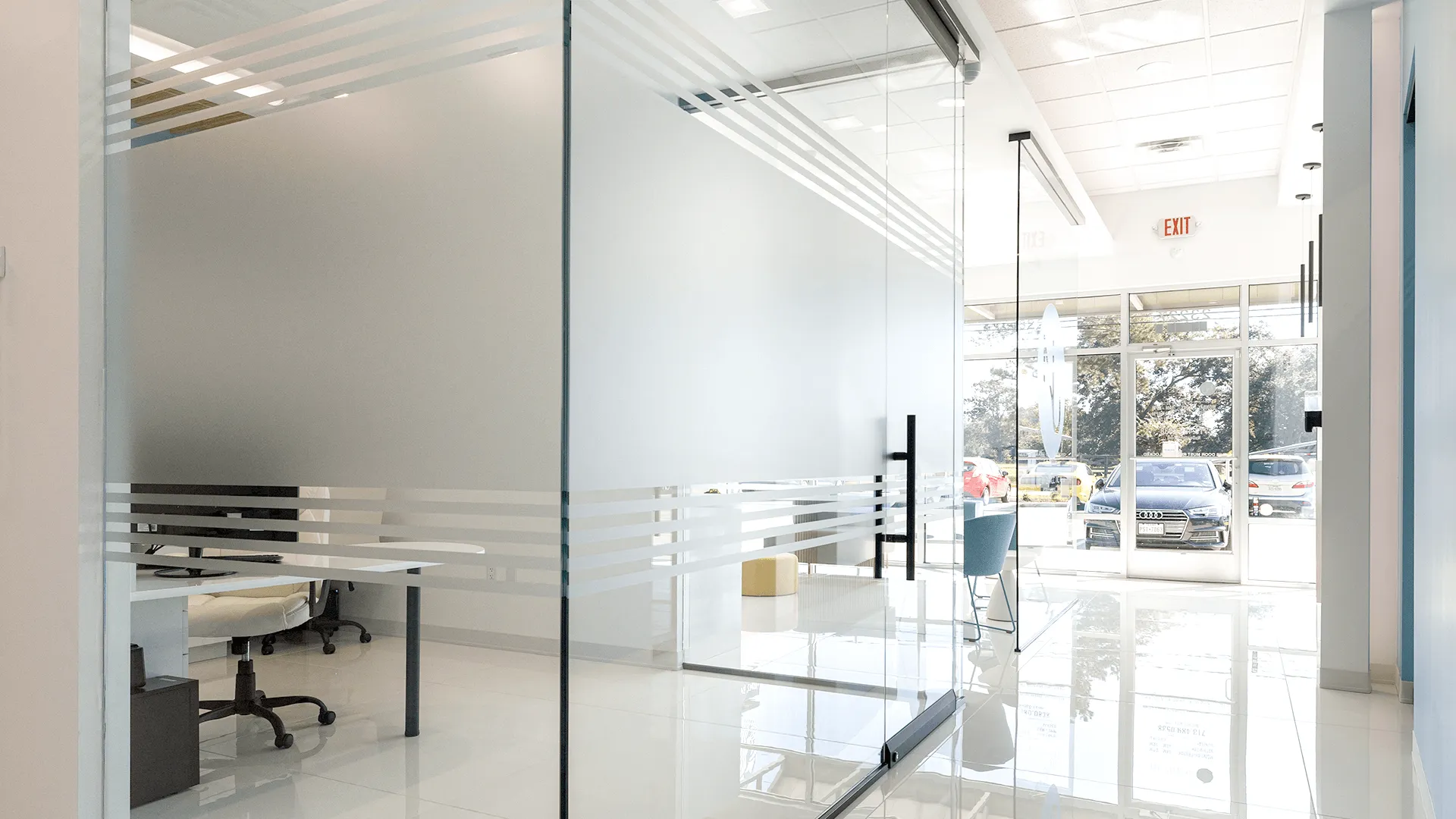
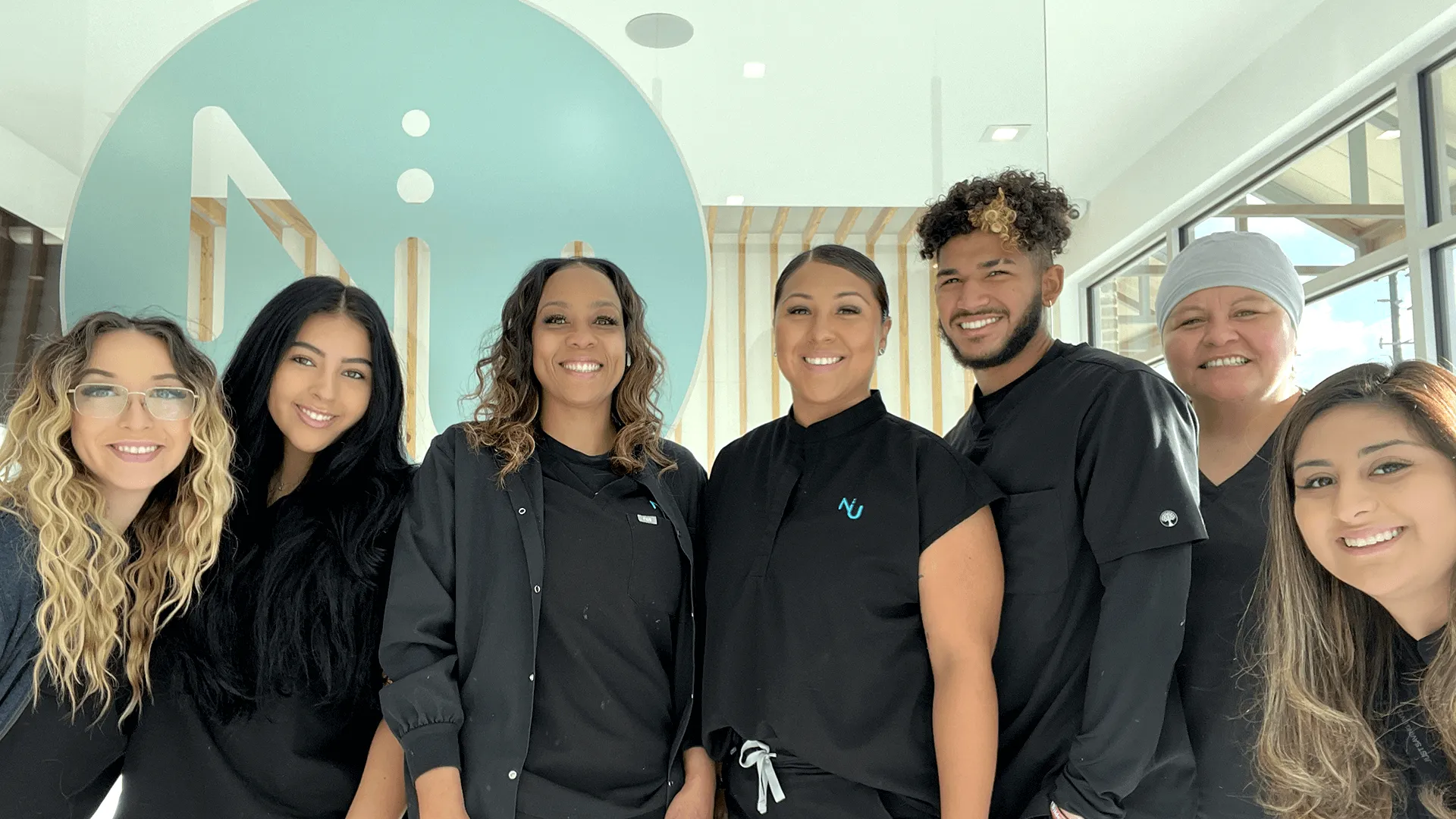
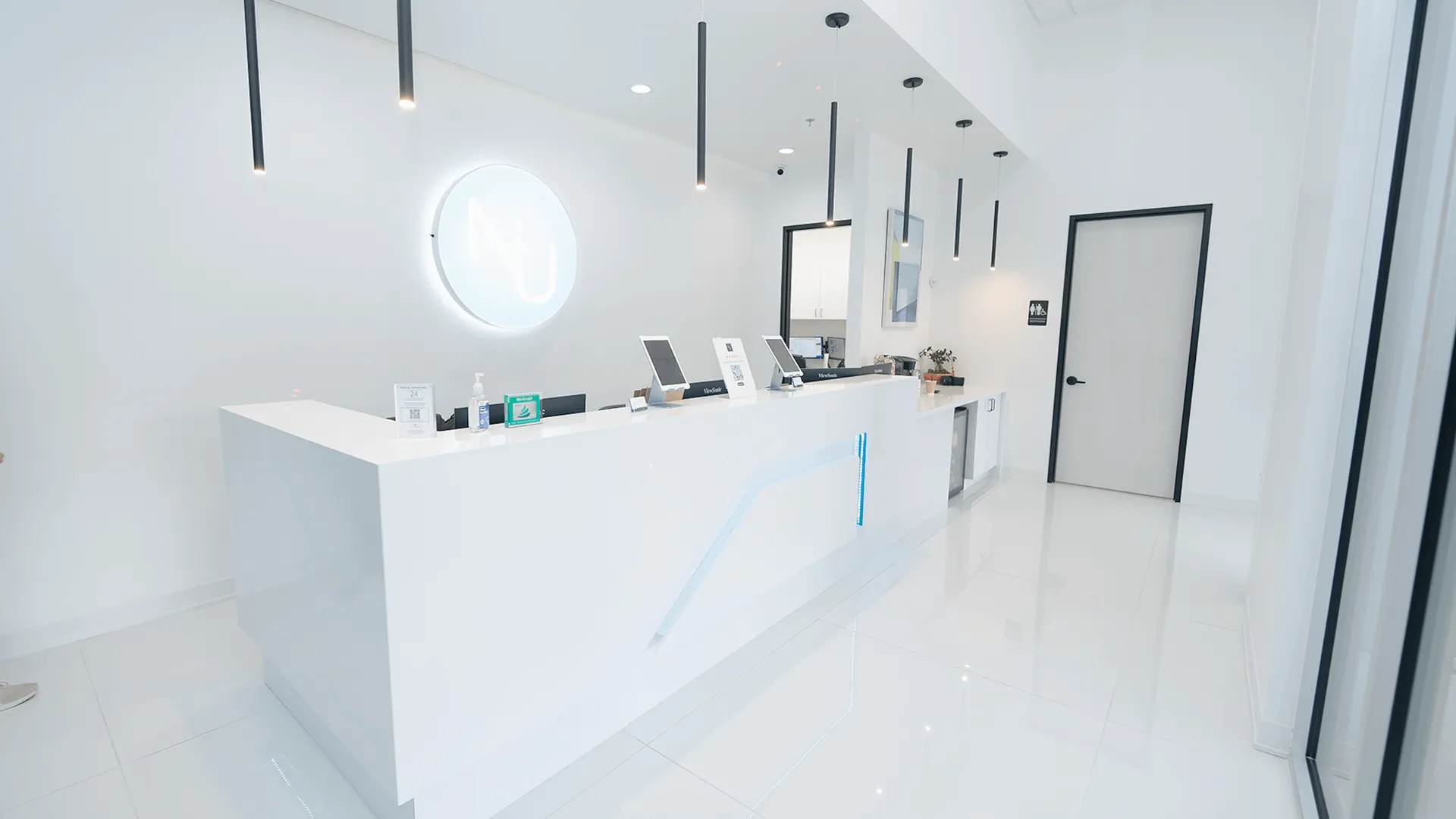
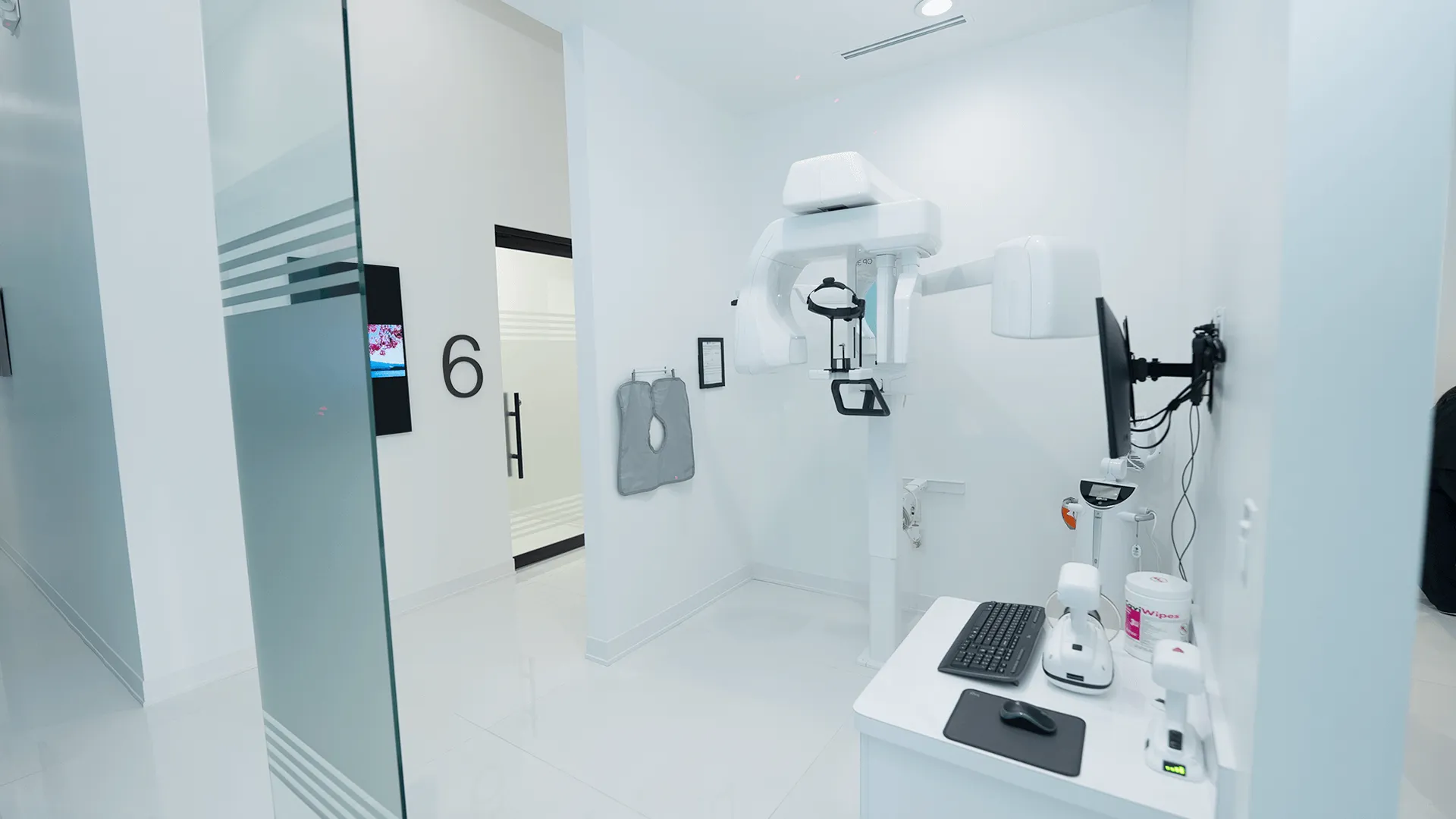
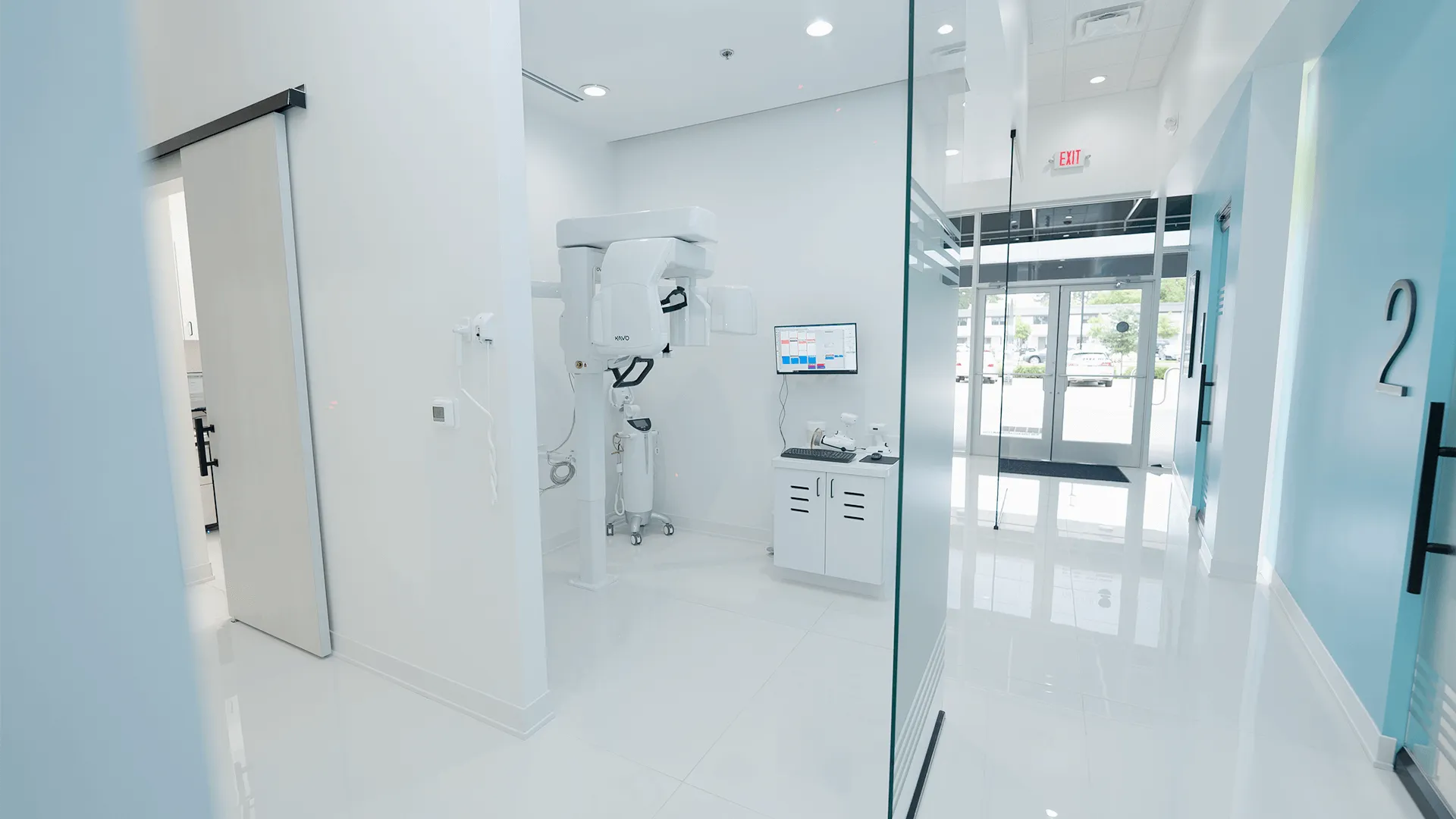
SEE WHAT A VISIT TO OUR MODERN, STATE-OF-THE-ART DENTIST OFFICE IS LIKE





Monday 9am - 6pm
Wednesday 9am - 6pm
Friday 9am - 6pm
Saturday 9am - 3pm
8940 Barker Cypress Rd. Cypress, TX 77433
3201 N. Shepherd Dr. Suite 113, Houston, TX 77018
8145 Highway 6, Building B #200, Missouri City, TX 77459
11115 W Grand Parkway S, Suite 140, Richmond, TX 77407
23227 Gosling Rd. Suite B, Spring, TX 77389
5706 San Felipe St. Ste B-300, Houston, TX 77057
// PATIENT TESTIMONIALS Cypress, TX
CHECK OUT WHAT OUR PATIENTS ARE SAYING IN CYPRESS, TX




// CARING DENTISTS Cypress, TX
OUR SOCIALS
FOLLOW US ON THESE SOCIAL MEDIA PLATFORMS