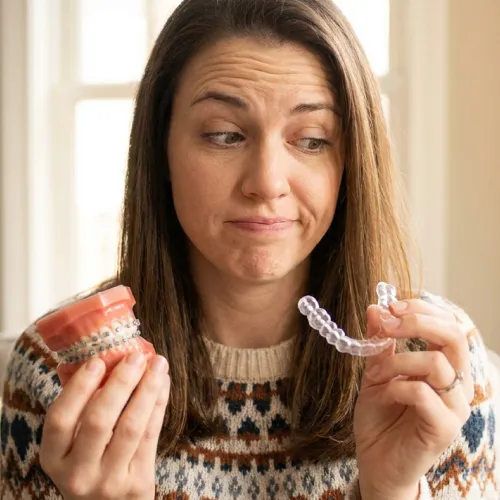
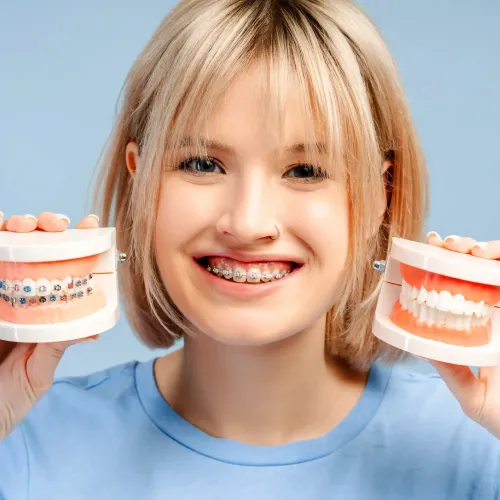
Braces vs. Invisalign: Which Is Actually Better for Complex Bites?
Are braces or Invisalign better for complex bites? Compare clear aligners and traditional braces to find your best fit. Book a consultation in Cypress today!
Read More

Cosmetic Dentistry, Teeth Straightening
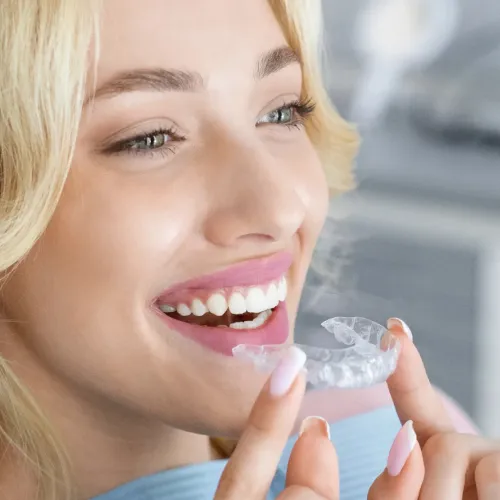
Choosing Invisalign is often about more than straightening teeth. It is about how orthodontic treatment fits into your real life, your routines, your habits, and your expectations. Many people are drawn to Invisalign because it feels less disruptive than traditional braces, but the day-to-day experience and final results depend on more than just the aligners themselves.
At Nu Dentistry Cypress, we see firsthand how two patients with similar smiles can have very different Invisalign journeys. The difference usually comes down to lifestyle choices, consistency, and understanding what truly influences treatment success. If you are considering Invisalign or already wearing aligners, this deeper look can help you get the most out of your experience.
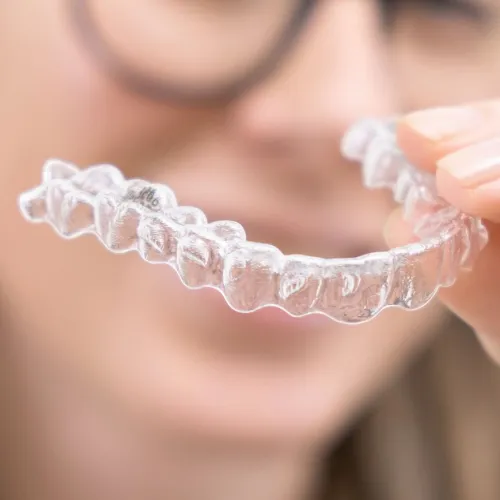
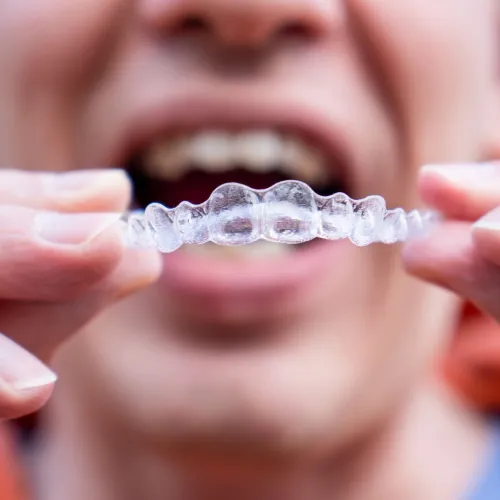
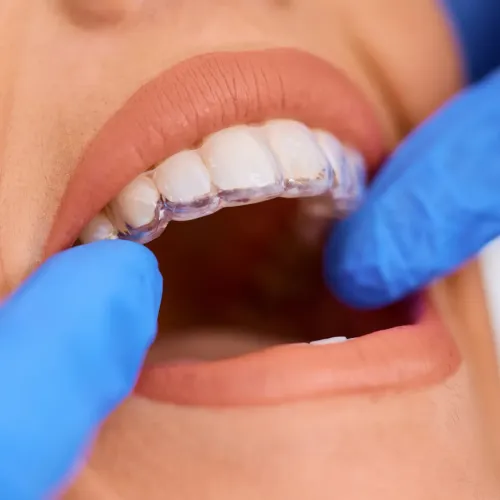
Invisalign works through a series of clear aligners that gradually guide your teeth into better alignment. The technology is precise and well tested, but it is not passive. Your role matters. How often you wear your aligners, how you care for them, and how well you follow recommendations all shape both comfort and outcomes.
Think of Invisalign as a partnership between you and your dental team. The aligners do the mechanical work, but your daily decisions determine how smoothly the process goes and how closely your results match the plan.
One of the most common reasons people choose Invisalign is how naturally it fits into everyday routines. Unlike metal braces, Invisalign is designed to adapt to your life rather than forcing major adjustments.
Eating and drinking with more freedom
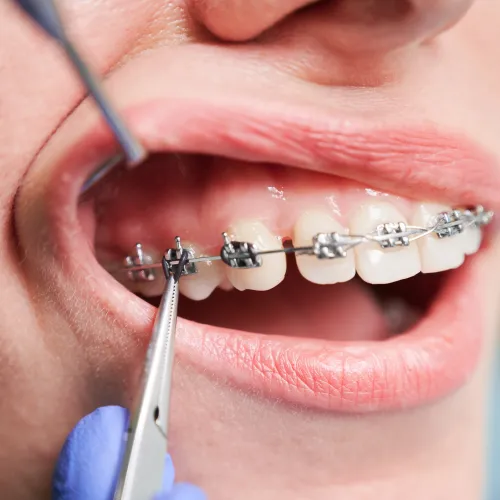
With traditional braces, certain foods are off limits. Sticky candy, hard snacks, and crunchy foods can damage brackets or wires. Invisalign removes many of those restrictions.
Because aligners are removable, you can:
That said, aligners must be removed before eating or drinking anything other than water. This adds a small step to meals, but many patients quickly build it into their routine.
Oral hygiene is simpler and more effective
Brushing and flossing around braces can be challenging, even with special tools. Invisalign allows you to brush and floss normally.
Patients often notice:
This can be especially important for adults who already pay close attention to oral health.
Comfort and appearance during social moments
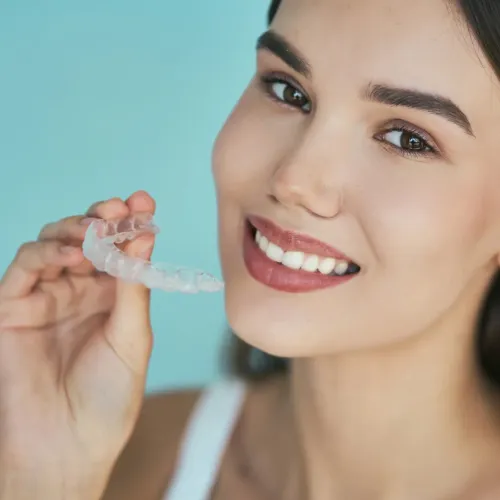
Invisalign aligners are clear and discreet. Many people feel more confident wearing them at work, school, or social events.
Daily life benefits often include:
While there can be mild pressure when switching to a new set of aligners, most patients describe it as manageable and short lived.
Small adjustments still matter
Invisalign is flexible, but it does require awareness.
You need to remember to:
For most people, these habits become second nature within a few weeks.
Not every Invisalign experience is identical. Several personal and clinical factors influence how efficiently treatment works and how predictable the outcome is.
The complexity of your alignment needs
Invisalign can treat a wide range of concerns, from mild crowding to more complex bite issues. However, the level of correction needed can affect treatment length and refinement.
Factors that matter include:
More complex cases may require additional aligners or refinements to achieve the desired result.
Consistency with wear time
One of the biggest predictors of success is how long you wear your aligners each day. Invisalign typically requires 20 to 22 hours of daily wear.
Wearing aligners less than recommended can:
Patients who treat Invisalign as a full-time commitment tend to see smoother progress and fewer delays.
Fit and attachment use
Some Invisalign treatments involve small tooth-colored attachments placed on certain teeth. These attachments help aligners grip and guide teeth more effectively.
While attachments are subtle, they play an important role in:
Trusting your dentist’s recommendation regarding attachments often leads to better outcomes.
Your overall oral health
Healthy gums and bone provide a strong foundation for orthodontic movement. Issues like gum disease or untreated cavities can interfere with progress.
Before starting Invisalign, your dentist will evaluate:
Addressing these factors early helps ensure Invisalign works as intended.
Daily habits can either support steady progress or create setbacks. Invisalign rewards consistency and awareness.
Habits that support great results
Some behaviors consistently lead to smoother Invisalign experiences:
Wearing aligners as directed: This is the single most important habit. Keeping aligners in for the recommended hours allows teeth to move gradually and comfortably.
Cleaning aligners properly: Clear aligners stay clearer and more comfortable when cleaned daily. Rinsing after removal and gentle brushing with approved products prevents buildup and odor.
Keeping aligners safe when removed: Using the aligner case prevents loss or damage. Wrapping aligners in a napkin often leads to accidental disposal.
Staying on schedule with aligner changes: Switching aligners at the recommended interval keeps treatment on track. Delays can slow progress.
Habits that can slow things down
Some common missteps can extend treatment time:
While occasional slip-ups happen, repeated habits like these can add weeks or months to treatment.
Mindset plays a role too
Patients who view Invisalign as a short-term commitment with long-term benefits often stay more consistent. Understanding that small daily choices add up can help maintain motivation.
The first few days with Invisalign can feel different. Most patients notice light pressure as teeth begin to shift. This sensation usually fades quickly.
Over time, many people report:
Progress often happens gradually, but those small changes can be encouraging when you look back at where you started.
The end of Invisalign treatment is not the end of responsibility. Retainers play a crucial role in maintaining your new smile.
Long-term success depends on:
Patients who commit to retention enjoy lasting results and avoid the frustration of teeth shifting back.
Invisalign works best when it aligns with your lifestyle and expectations. It suits people who value flexibility, appearance, and a hands-on role in their care.
You may be a good candidate if you:
A personalized evaluation is the best way to determine if Invisalign fits your smile goals.
At Nu Dentistry Cypress, Invisalign treatment is never one-size-fits-all. Each plan is tailored to your smile, your schedule, and your needs. Our team takes the time to explain what to expect, monitor progress closely, and adjust when necessary to keep you moving forward.
If you are curious about Invisalign or wondering how it could fit into your life, we invite you to take the next step. Schedule an appointment with Nu Dentistry Cypress today to explore whether Invisalign is the right choice for your smile and to start a treatment experience designed around you.
// NU DENTISTRY IN Cypress, Texas
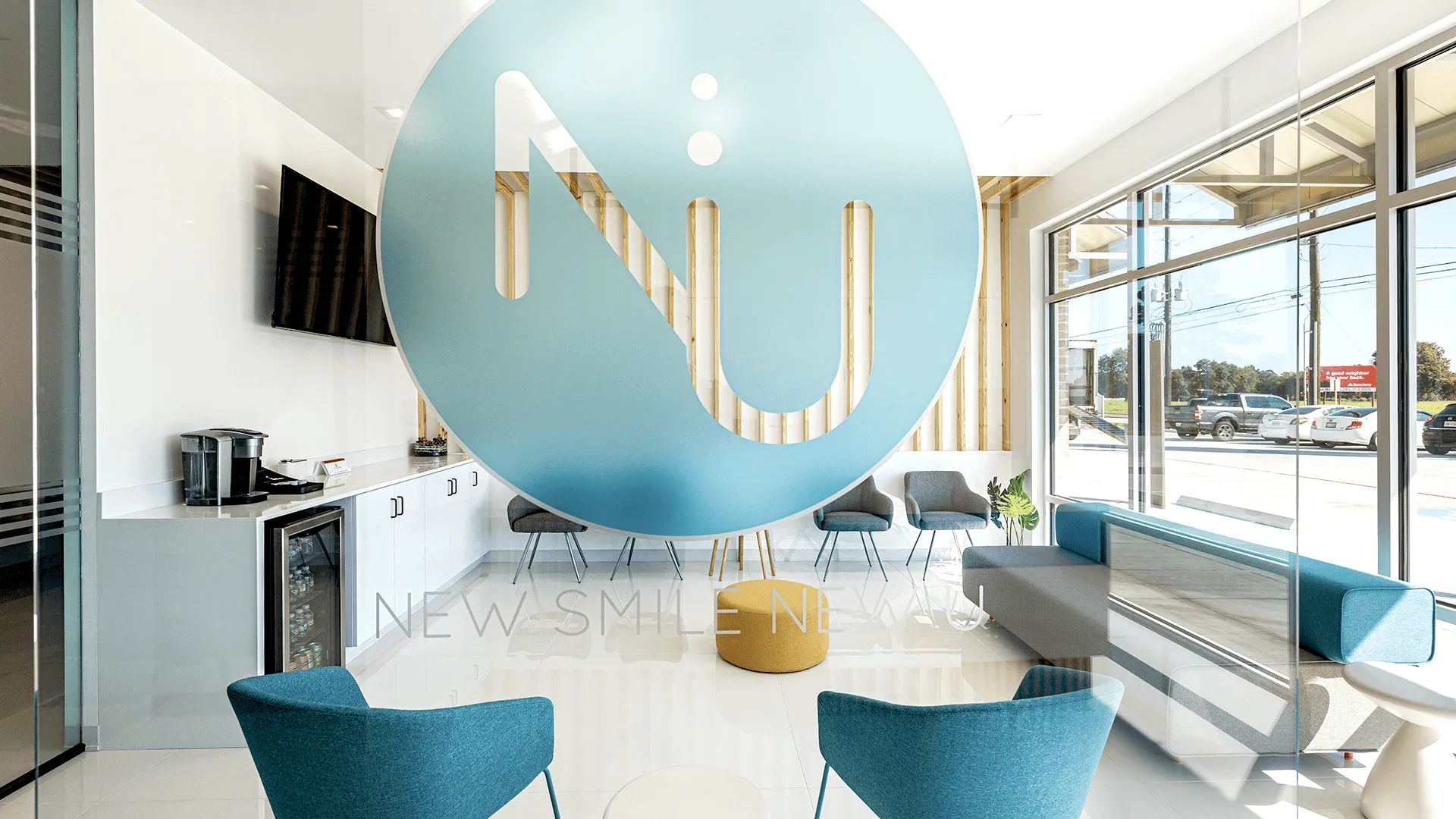
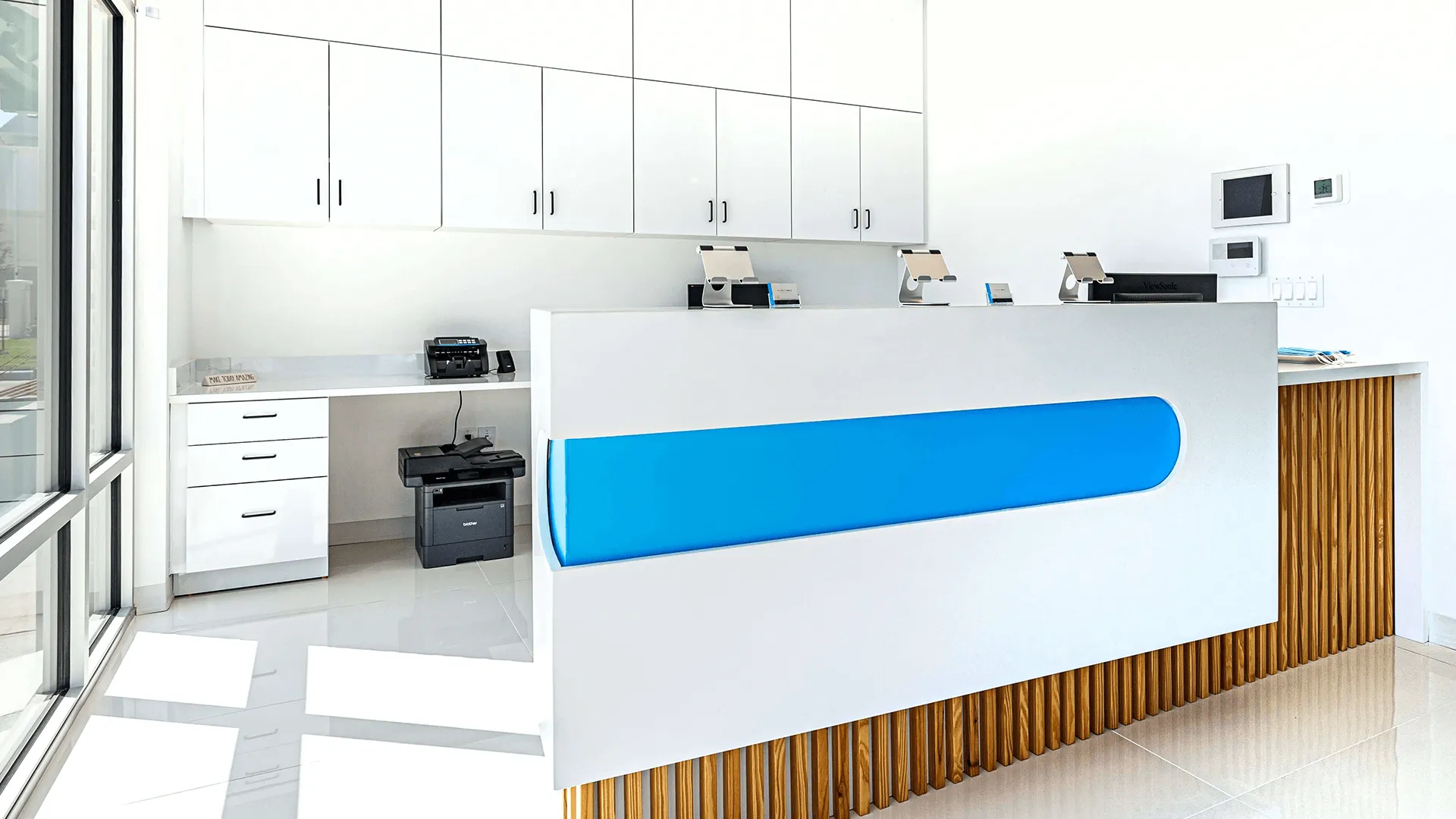
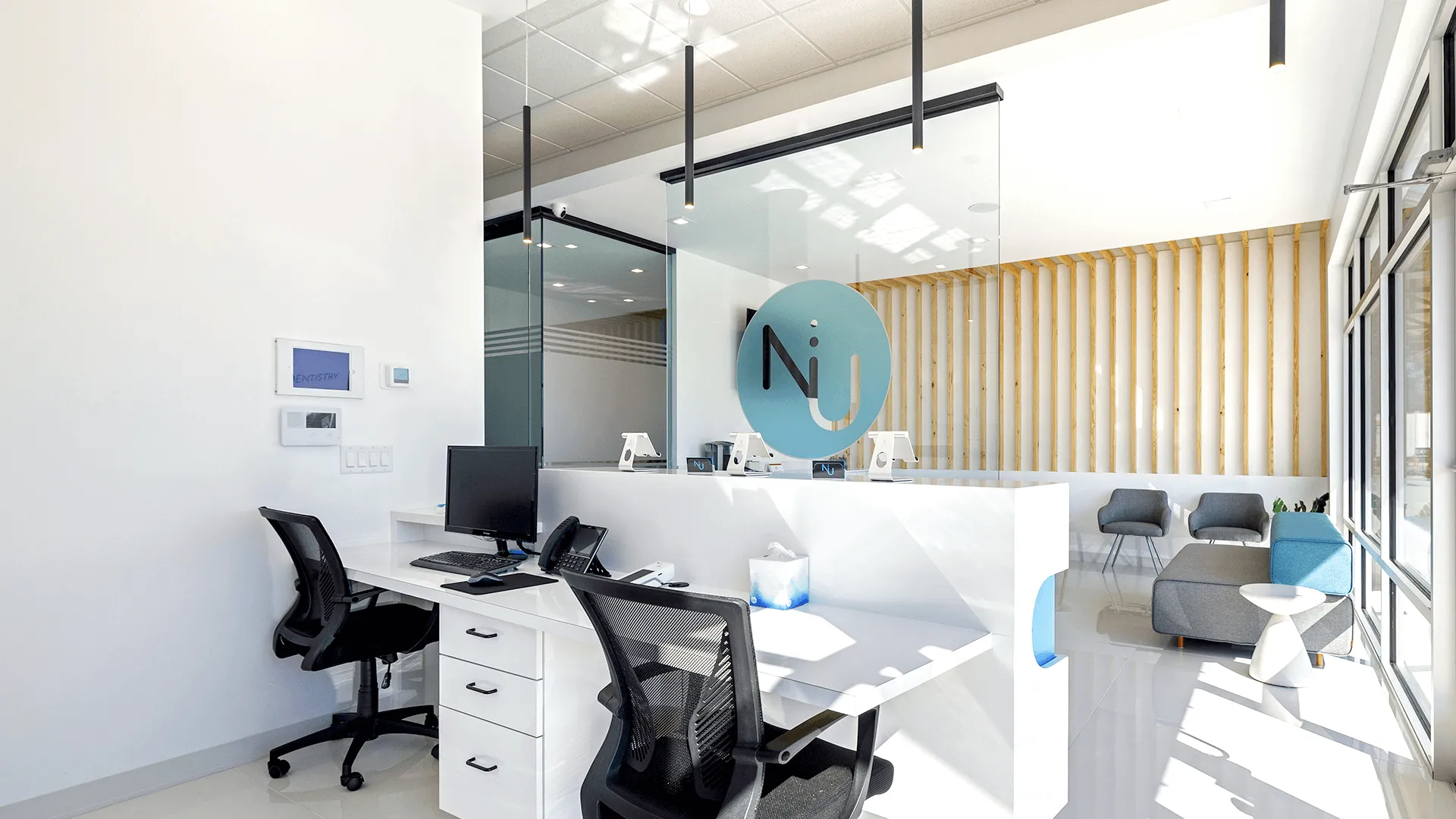
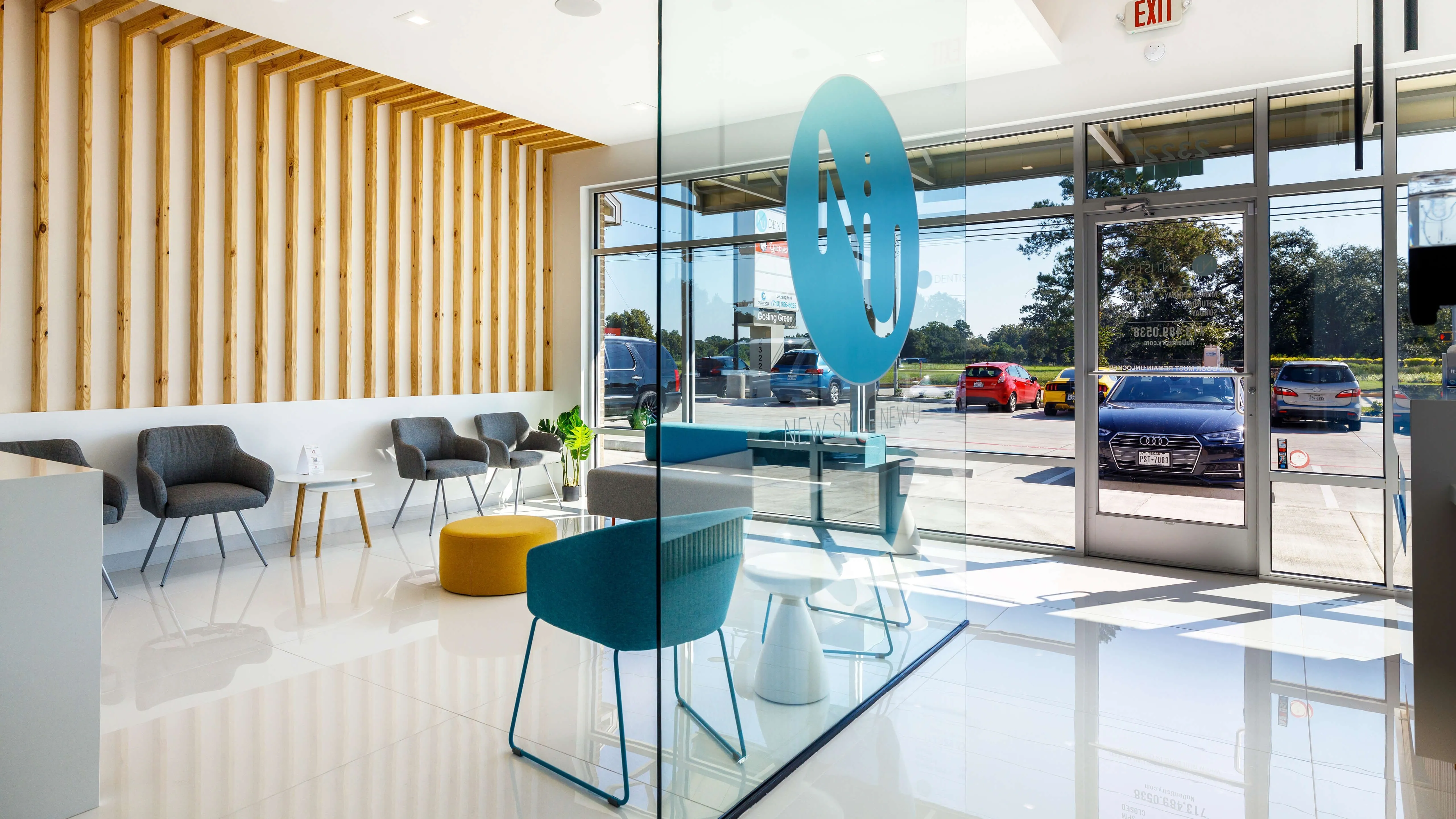
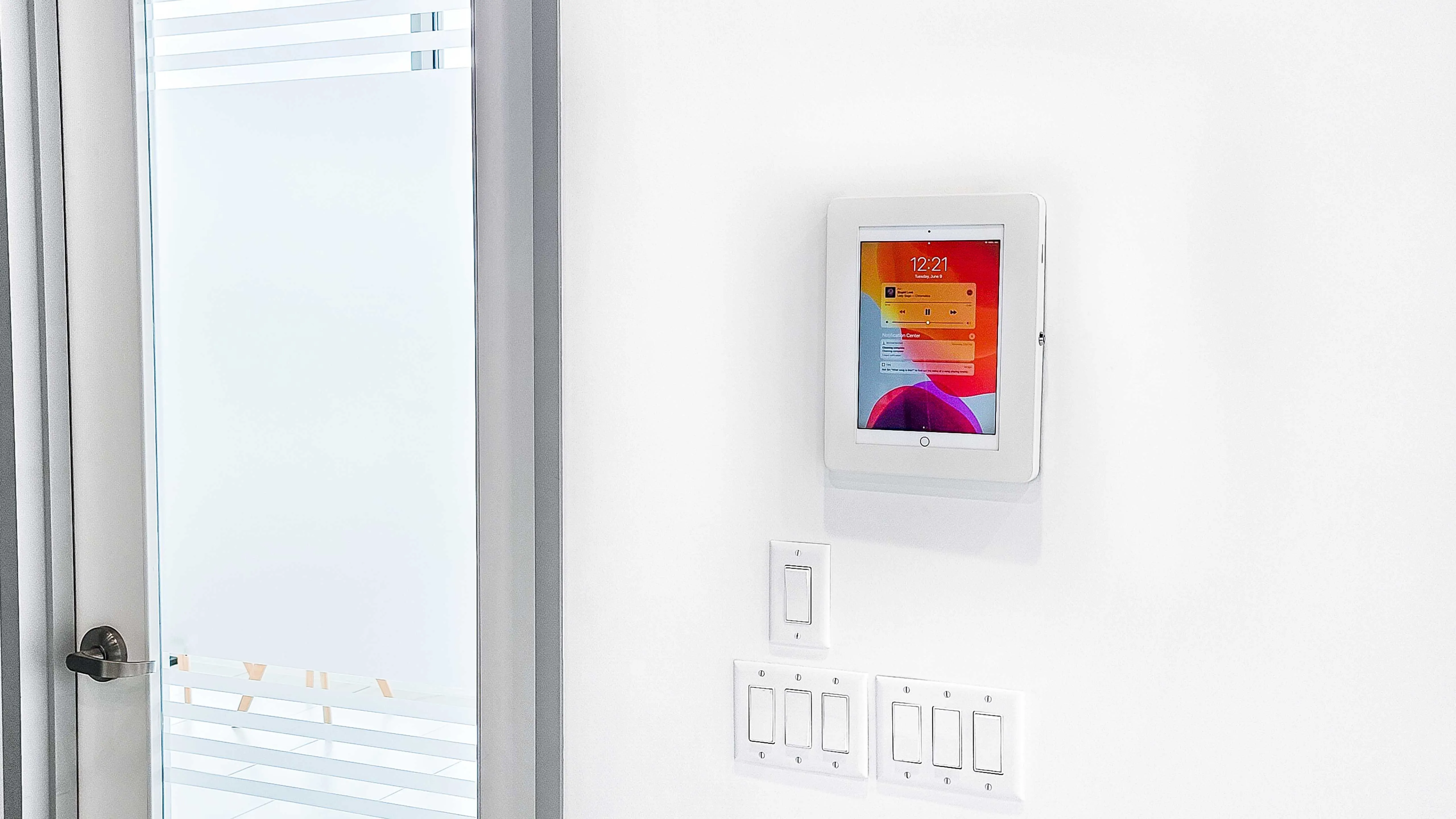
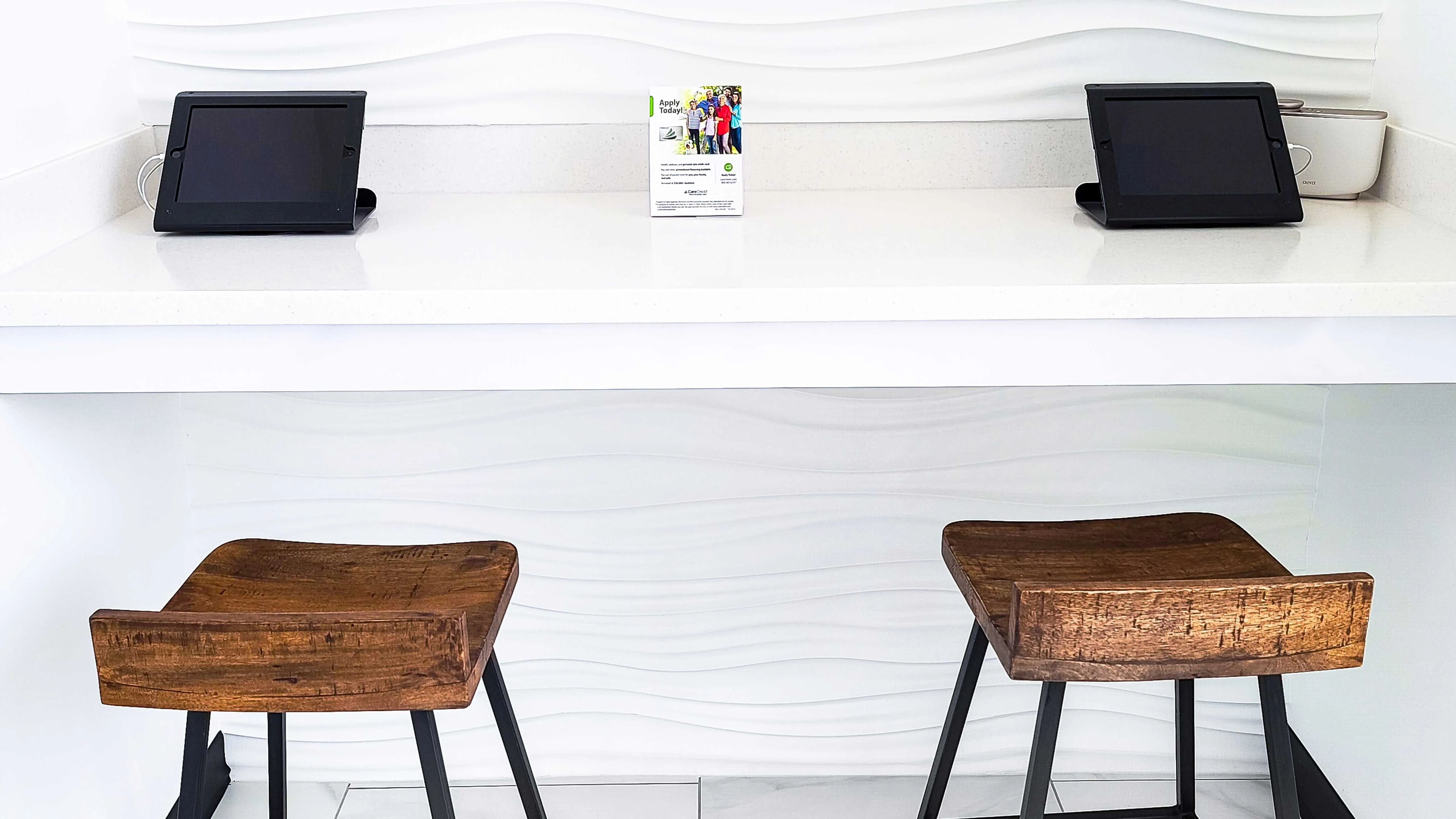
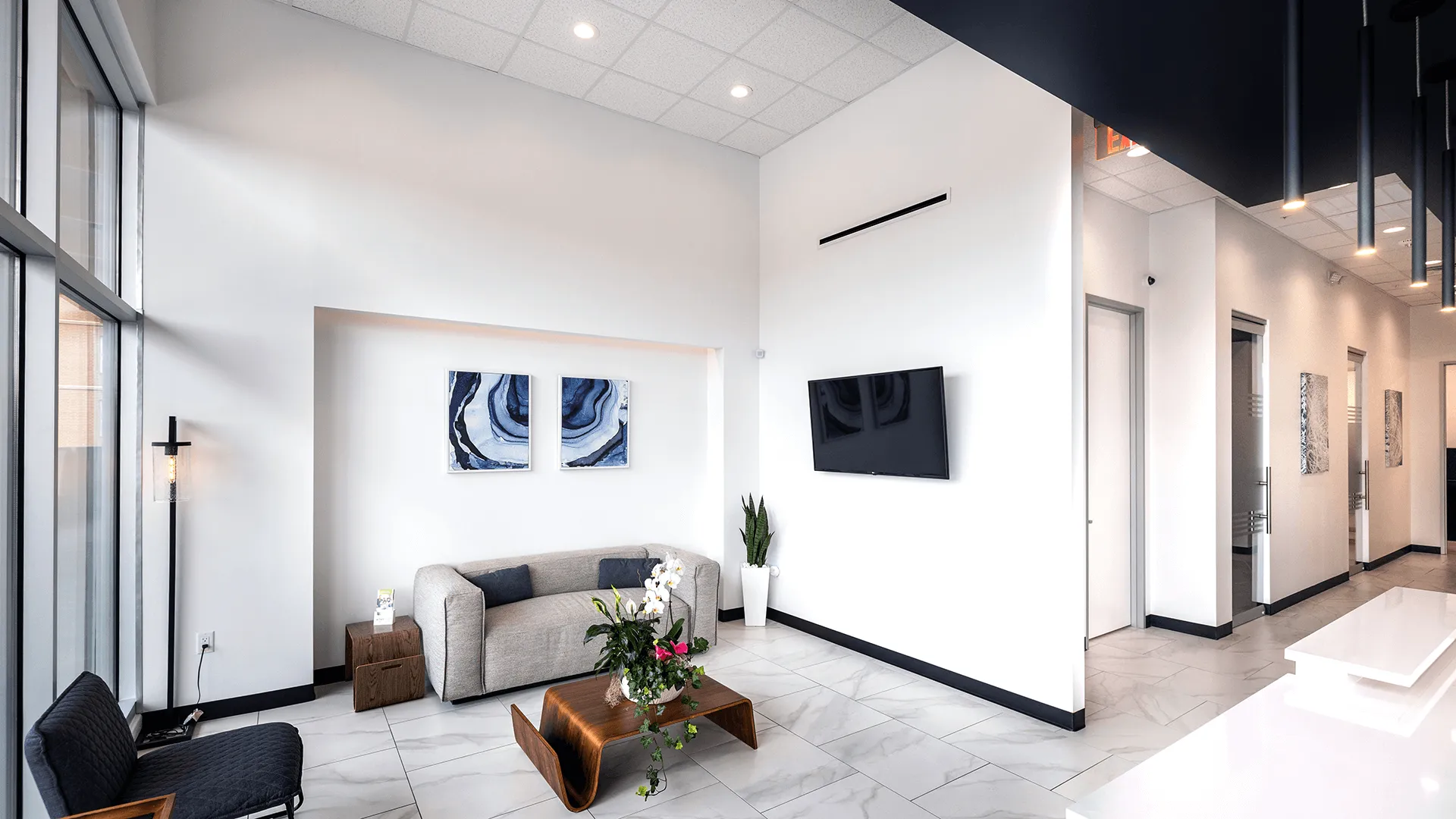
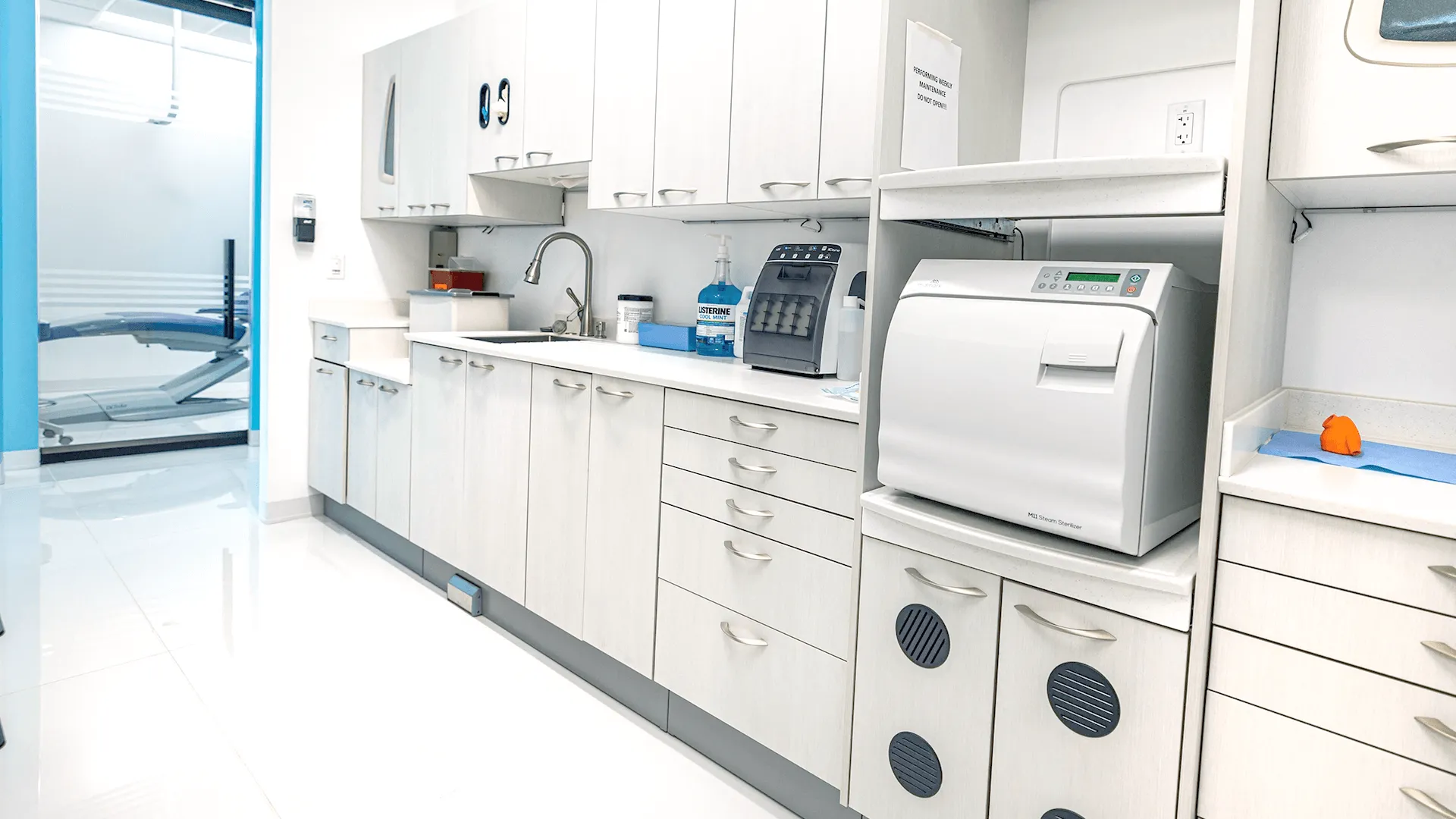
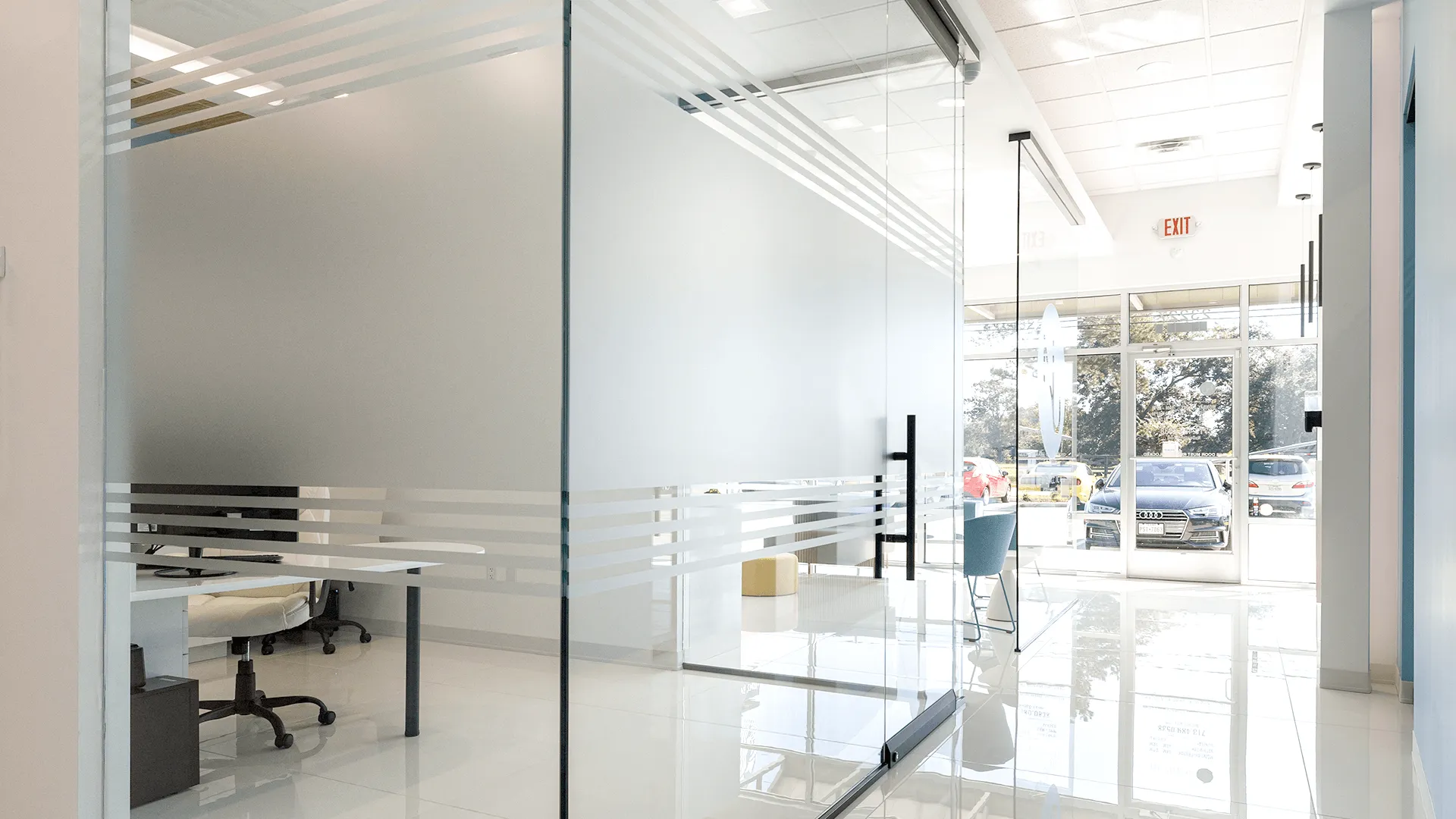
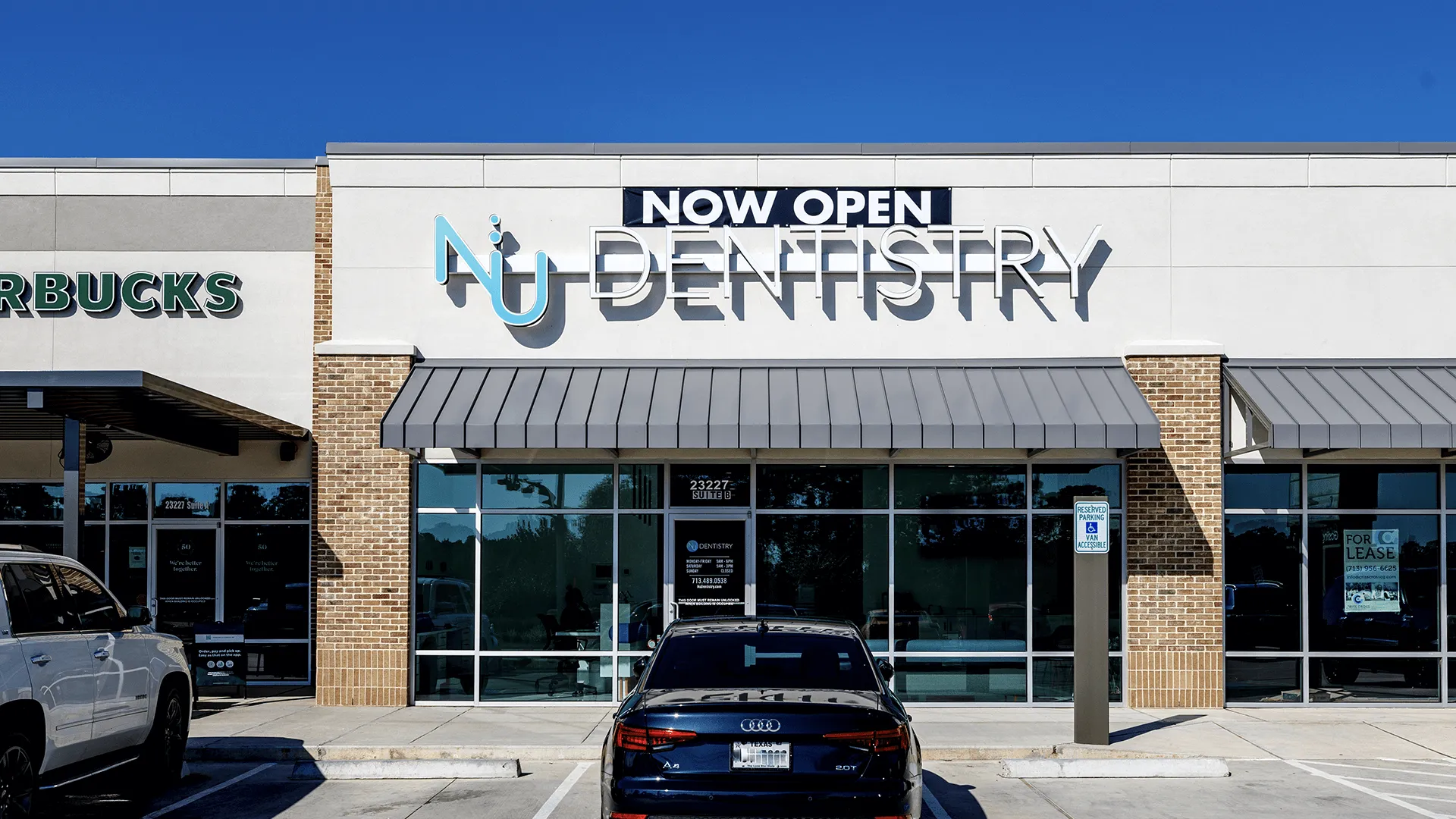
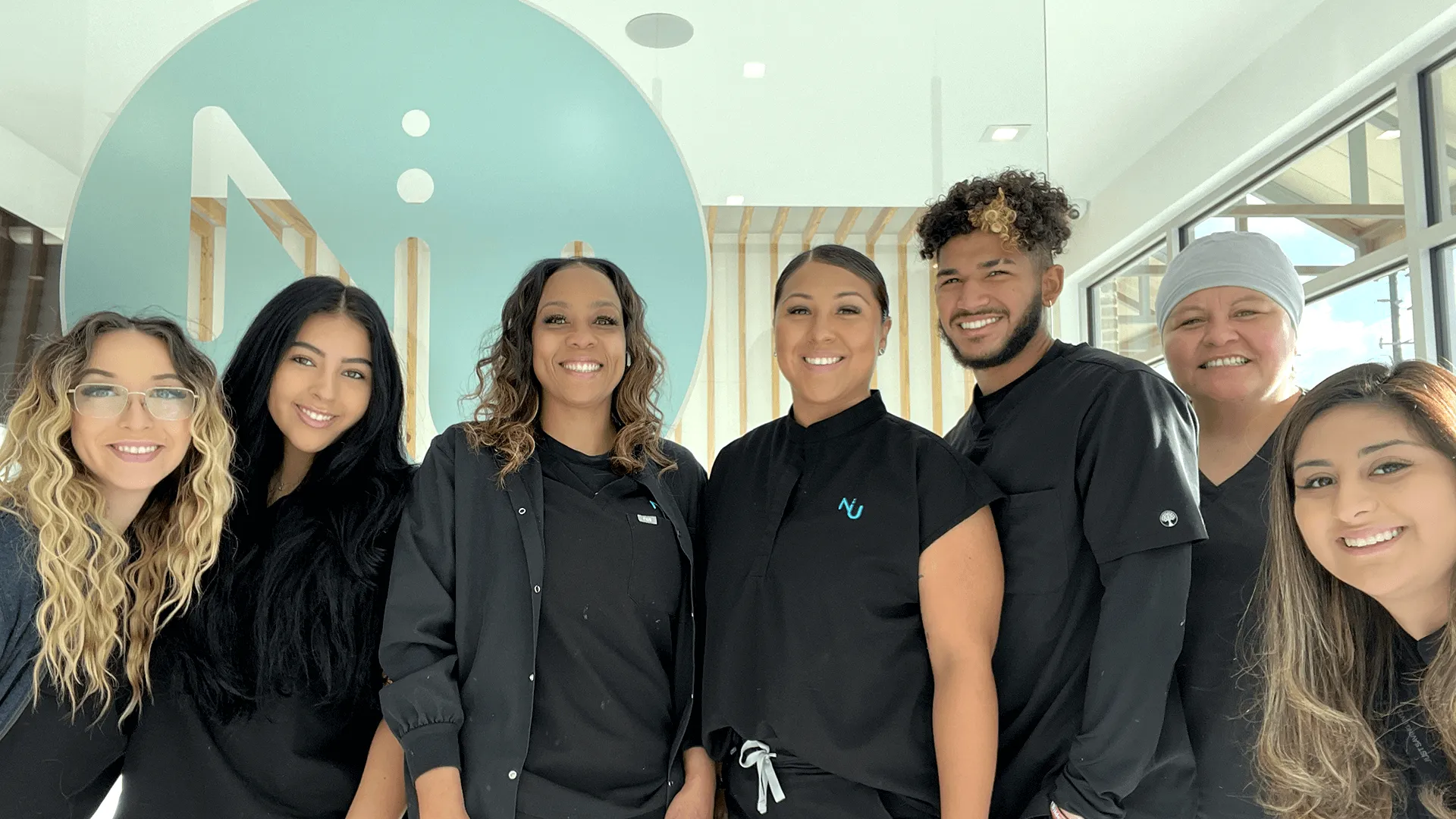
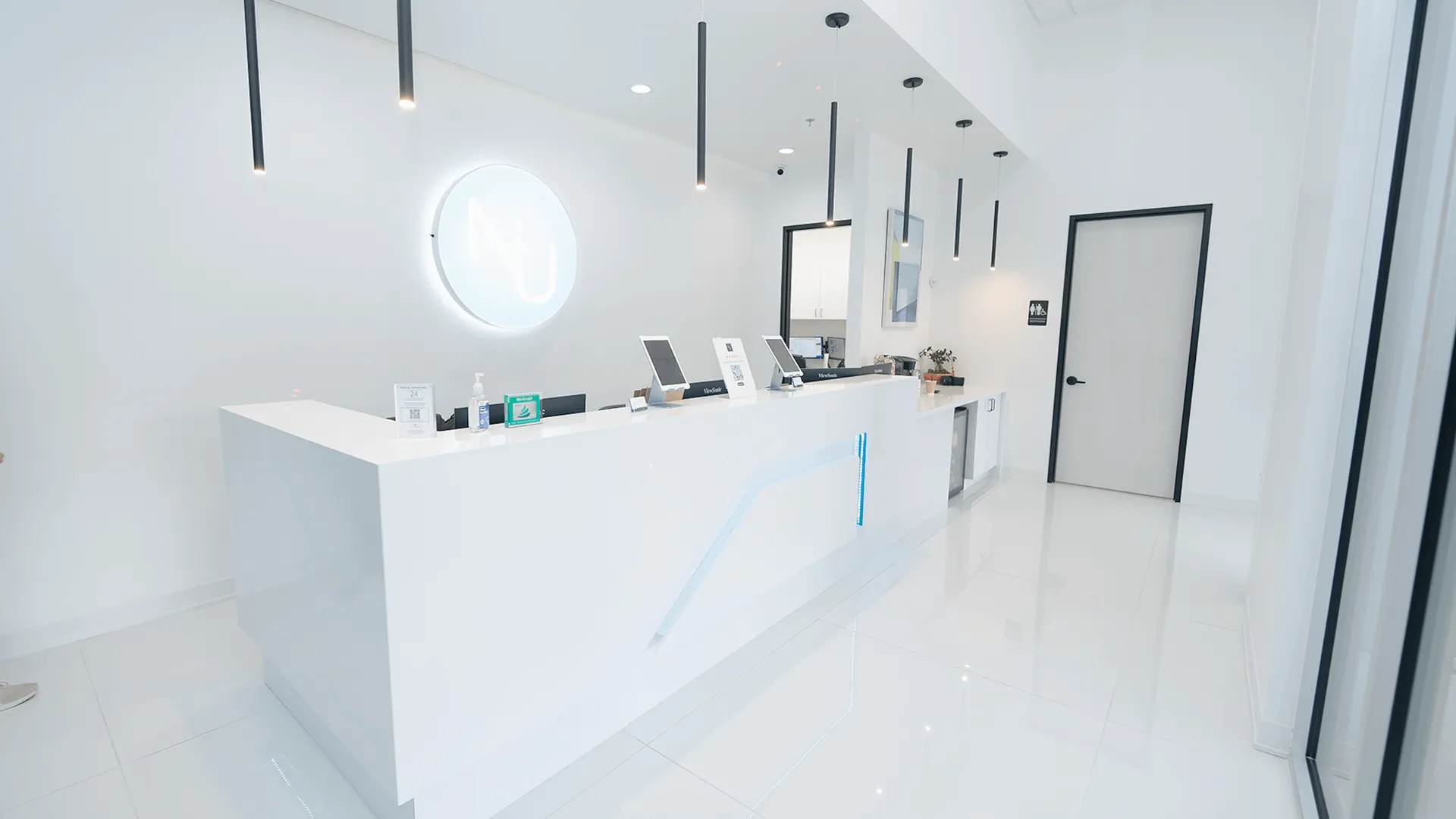
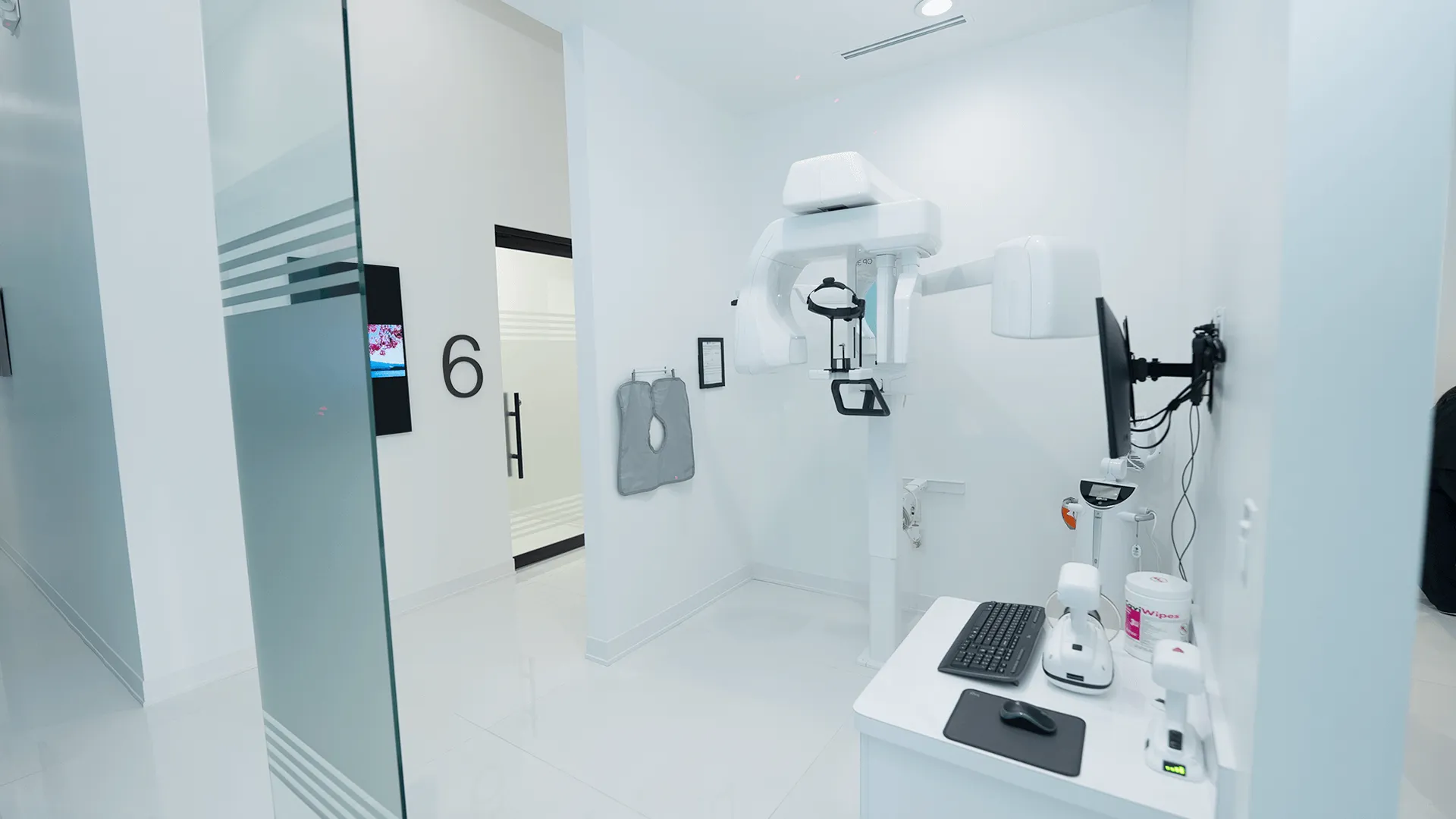
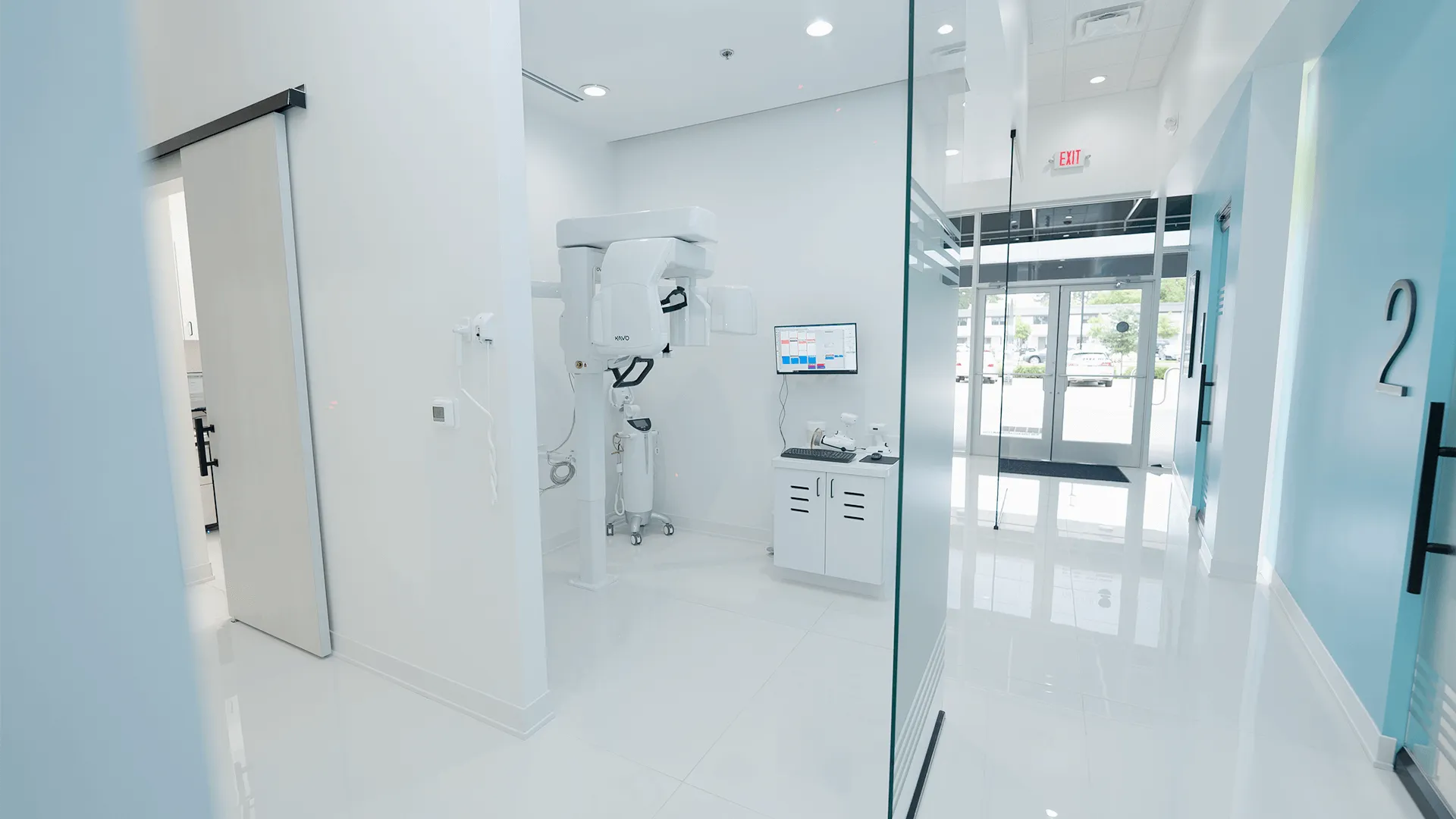
SEE WHAT A VISIT TO OUR MODERN, STATE-OF-THE-ART DENTIST OFFICE IS LIKE

Monday 9am - 6pm
Wednesday 9am - 6pm
Friday 9am - 6pm
Saturday 9am - 3pm
8940 Barker Cypress Rd. Cypress, TX 77433
3201 N. Shepherd Dr. Suite 113, Houston, TX 77018
8145 Highway 6, Building B #200, Missouri City, TX 77459
11115 W Grand Parkway S, Suite 140, Richmond, TX 77407
23227 Gosling Rd. Suite B, Spring, TX 77389
5706 San Felipe St. Ste B-300, Houston, TX 77057
// PATIENT TESTIMONIALS Cypress, TX
CHECK OUT WHAT OUR PATIENTS ARE SAYING IN CYPRESS, TX

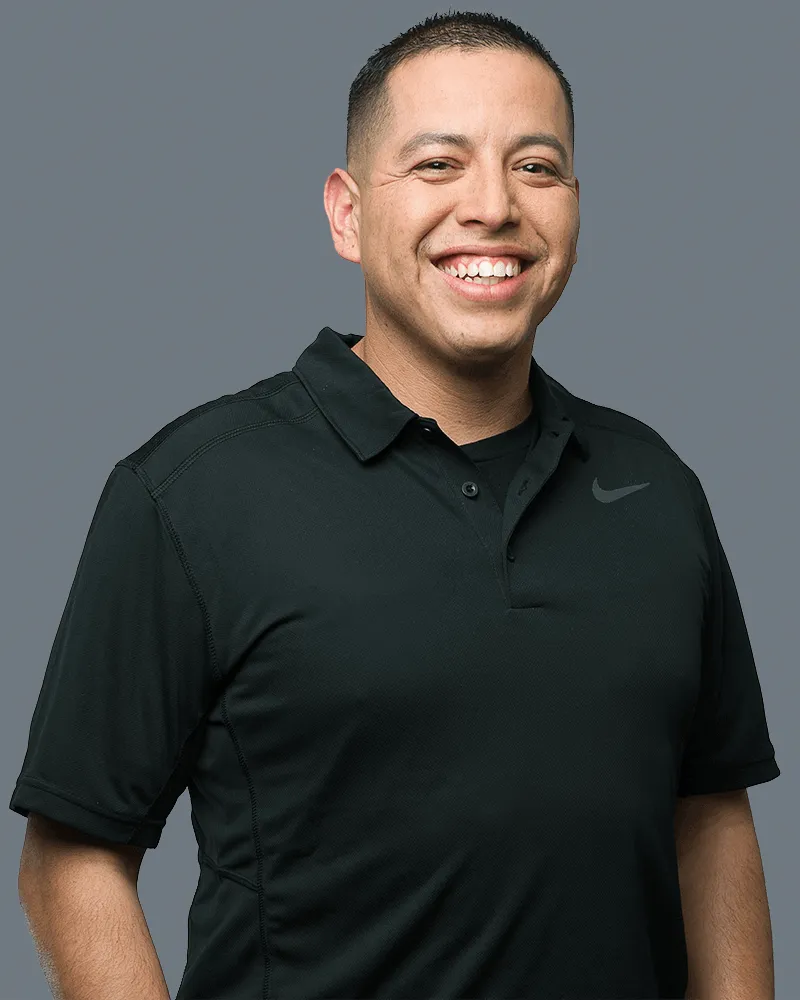
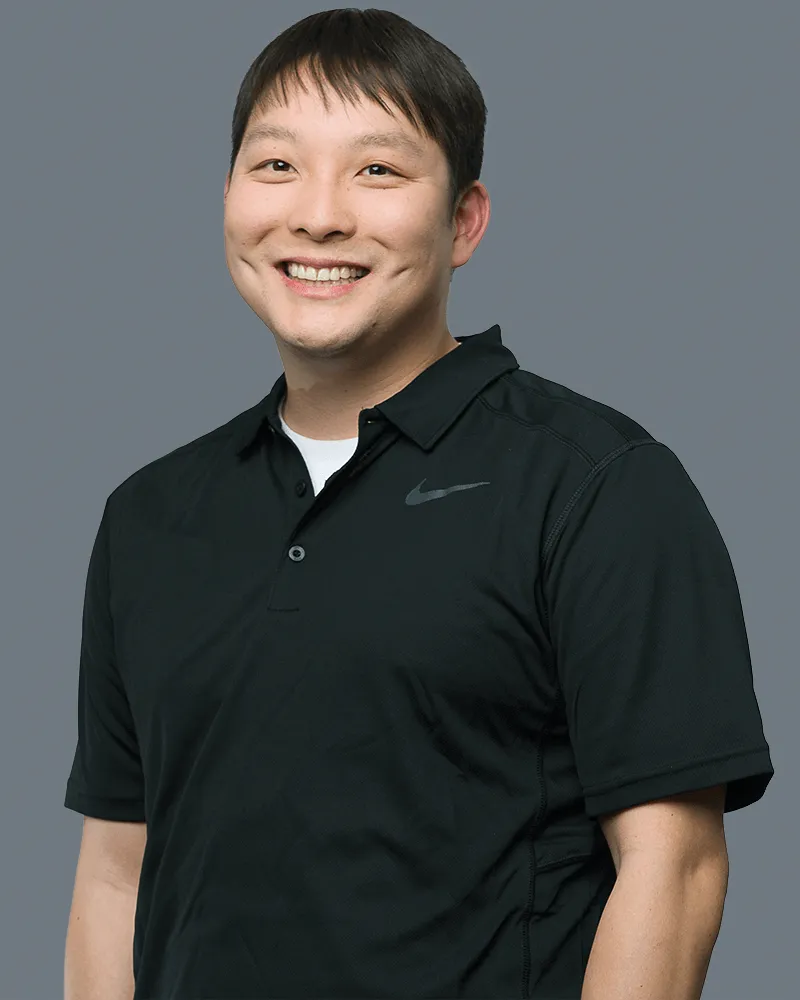
// CARING DENTISTS Cypress, TX
OUR SOCIALS
FOLLOW US ON THESE SOCIAL MEDIA PLATFORMS