
Braces vs. Invisalign: Which Is Actually Better for Complex Bites?
Are braces or Invisalign better for complex bites? Compare clear aligners and traditional braces to find your best fit. Book a consultation in Cypress today!
Read More
Emergency Dentistry
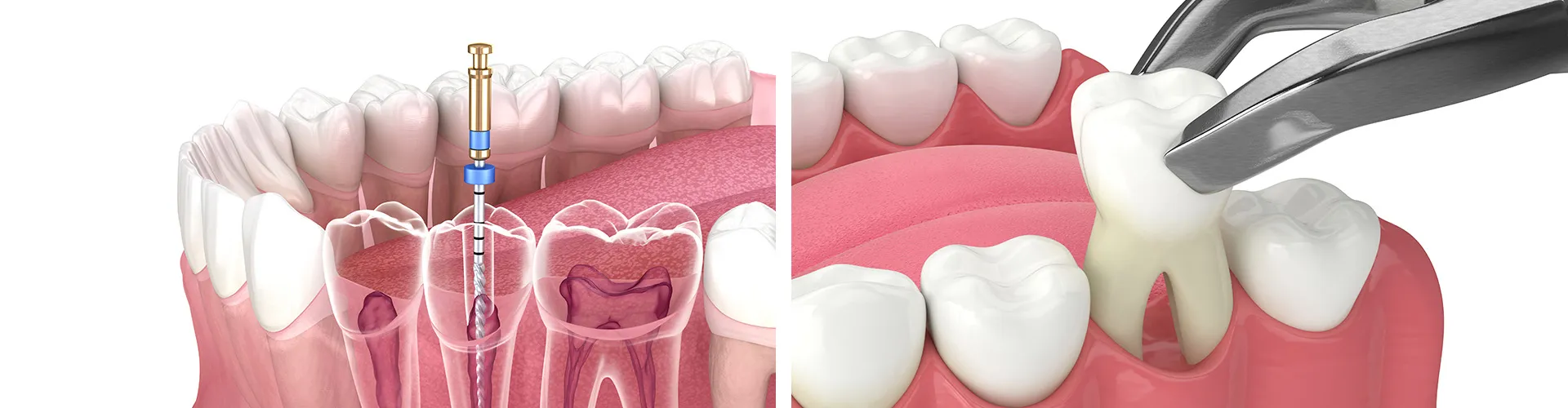
When you have a severe toothache or a dental infection, you may face the dilemma of choosing between a root canal and a tooth extraction. The decision is not always easy, but understanding the differences between these two procedures can help you make the right choice for your dental health. In this blog post, we'll explore the pros and cons of root canals and tooth extractions, answer some common questions, and give you the information you need to make an informed decision. Remember, your dentist is your best resource for personalized advice, so don't hesitate to schedule a consultation if you're experiencing dental issues.
To decide whether a root canal or extraction is the best option for you, it's essential to understand the differences between these two procedures and the specific situations in which each is recommended.
A root canal is a dental procedure that involves removing the infected or damaged pulp (the soft inner tissue) from a tooth, cleaning and disinfecting the area, and then sealing it with a filling or a dental crown. Root canals are typically recommended when a tooth is severely decayed or infected but can still be saved. The primary goal of a root canal is to preserve the natural tooth structure and prevent the need for extraction.
On the other hand, tooth extraction involves completely removing the affected tooth from its socket. Extractions are usually recommended when a tooth is too damaged or decayed to be saved, or when other dental issues like overcrowding or impacted wisdom teeth are present. The main goal of tooth extraction is to prevent the spread of infection or to resolve other dental problems that could lead to more serious health issues if left untreated.
Ultimately, the choice between a root canal and a tooth extraction will depend on factors such as the extent of damage to the tooth, the likelihood of success for either treatment, and your dentist's recommendations based on your specific situation. In general, dentists prefer to save a tooth whenever possible, but there are instances when extraction is the best option.
The length of a root canal procedure varies depending on the complexity of the case and the specific tooth being treated. In most cases, a root canal can be completed in one or two appointments, each lasting between 60 to 90 minutes. However, some situations may require additional appointments for more complex treatments or follow-up care.
The first appointment typically involves removing the infected or damaged pulp, cleaning and disinfecting the tooth, and placing a temporary filling. If a dental crown is needed, your dentist will take an impression of your tooth and send it to a dental laboratory to create a custom crown. During a second appointment, your dentist will remove the temporary filling, check the tooth for any remaining infection, and then place the permanent crown or filling.
One of the most common misconceptions about root canals is that they are incredibly painful. While it's true that root canals were once associated with significant discomfort, advances in dental technology and anesthesia have made the procedure much more comfortable in recent years. In fact, most patients report that the root canal procedure itself is no more painful than getting a dental filling.
Your dentist will use local anesthesia to numb the area around the affected tooth, ensuring that you remain comfortable throughout the procedure. You may feel some pressure or slight discomfort during the process, but this is generally well-tolerated by most patients. After the root canal, you might experience some mild to moderate pain or sensitivity for a few days, but this can typically be managed with over-the-counter pain relievers and good oral hygiene practices.
Root canals offer several advantages over tooth extraction, including:
In some cases, despite the best efforts to save a tooth, extraction becomes the most suitable option. While the goal of dentistry is typically to preserve your natural teeth for as long as possible, there are situations where the benefits of tooth extraction make it the right choice.
While tooth extraction has various benefits, it's crucial to have a detailed discussion with your dentist about the potential consequences and the need for tooth replacement. Leaving a gap after extraction can lead to shifting of the remaining teeth and problems with bite alignment, so a comprehensive treatment plan is crucial.
Choosing between a root canal and tooth extraction can be a challenging decision, but knowing the pros and cons of each procedure can help. While root canals and tooth extractions both have their place in dental care, the best choice will depend on your individual circumstances, overall health, and dental goals.
Remember, this article is intended as a guide to help you understand your options, but it's not a substitute for professional dental advice. If you're facing this decision, we highly recommend scheduling a consultation with our dentist. At our clinic, we're committed to helping you understand your treatment options and making the best decision for your oral health. So don't hesitate to reach out – your healthy smile is our top priority!



// NU DENTISTRY IN Cypress, Texas
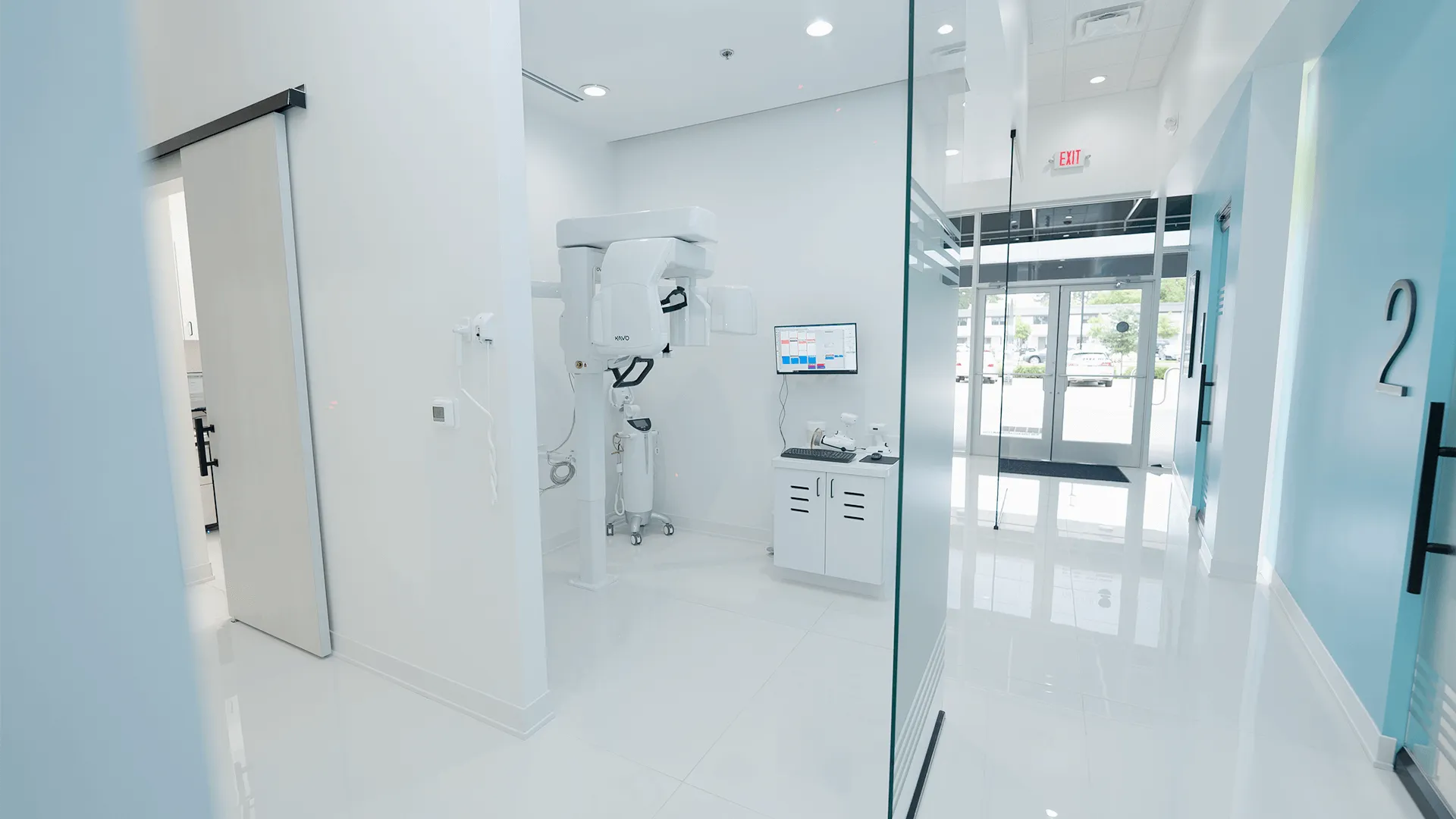
SEE WHAT A VISIT TO OUR MODERN, STATE-OF-THE-ART DENTIST OFFICE IS LIKE














Monday 9am - 6pm
Wednesday 9am - 6pm
Friday 9am - 6pm
Saturday 9am - 3pm
8940 Barker Cypress Rd. Cypress, TX 77433
3201 N. Shepherd Dr. Suite 113, Houston, TX 77018
8145 Highway 6, Building B #200, Missouri City, TX 77459
11115 W Grand Parkway S, Suite 140, Richmond, TX 77407
23227 Gosling Rd. Suite B, Spring, TX 77389
5706 San Felipe St. Ste B-300, Houston, TX 77057
// PATIENT TESTIMONIALS Cypress, TX
CHECK OUT WHAT OUR PATIENTS ARE SAYING IN CYPRESS, TX




// CARING DENTISTS Cypress, TX
OUR SOCIALS
FOLLOW US ON THESE SOCIAL MEDIA PLATFORMS