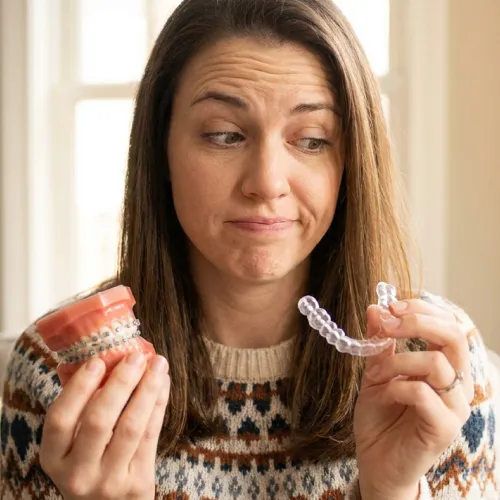
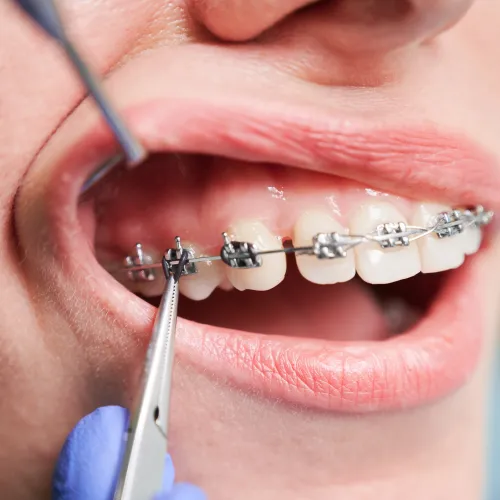
Braces vs. Invisalign: Which Is Actually Better for Complex Bites?
Are braces or Invisalign better for complex bites? Compare clear aligners and traditional braces to find your best fit. Book a consultation in Cypress today!
Read More
Restorative Dentistry
Tooth extraction is a common dental procedure that often serves as a necessary first step in addressing severe dental issues. However, the journey towards oral health doesn't end with the removal of a problematic tooth. Replacing an extracted tooth promptly and effectively is just as crucial to ensure the overall health, functionality, and aesthetics of your smile. This blog explores why tooth replacement is essential and what could happen if key teeth are not replaced or delayed in replacement.
When a tooth is extracted and not replaced, several significant dental and health issues can arise over time, each complicating your oral health and general well-being in various ways:
Shifting of Adjacent Teeth: The gap left by an extracted tooth can lead to the shifting of adjacent teeth as they naturally move to fill the empty space. This drifting can result in misalignment, affecting how your teeth fit together during bites and leading to issues with your bite alignment. Such misalignments can complicate future dental treatments, such as the placement of crowns, bridges, or orthodontics, and can lead to further deterioration of your dental health.
Jawbone Deterioration: One of the most significant impacts of not replacing an extracted tooth is the loss of jawbone density and structure. The jawbone requires constant stimulation, which is normally provided by the tooth roots through the action of chewing. Without this stimulation, the area of the jawbone that supported the tooth begins to deteriorate in a process known as resorption. This loss can weaken the jawbone, potentially alter the shape of your face, and make it difficult to perform dental restorations in the future, including implants, as there may not be sufficient bone to support them.
Chewing and Digestion Issues: Teeth are critical for mechanically breaking down food during chewing, which aids the digestive process by increasing the surface area of the food and making it easier to digest. Missing teeth, therefore, can lead to difficulties in properly chewing food, which may result in gastrointestinal problems such as indigestion or inadequate nutrient absorption. Over time, these issues can contribute to nutritional deficiencies and related health concerns.
Speech Difficulties: Teeth also play a crucial role in speech. They help control the flow of air and shape the mouth for the formation of specific sounds. Missing teeth, especially the anterior (front) teeth, can significantly impair your ability to pronounce certain words and sounds clearly. This can affect your speech clarity and may lead to miscommunications and frustration.
Self-Esteem Impact: From an aesthetic standpoint, missing teeth can create visible gaps in your smile. These gaps often lead to self-consciousness, a reluctance to smile, or a hesitancy to participate in social activities, which can affect personal and professional relationships. The psychological impact of an incomplete smile can be profound, leading to decreased self-esteem and quality of life.
Each of these consequences underscores the importance of considering tooth replacement soon after extraction to maintain not only oral health but also overall well-being and quality of life.
When it comes to replacing a missing tooth, several effective options are available, each tailored to different needs, preferences, and oral health conditions. Understanding these options can help you make an informed decision that aligns with your dental health goals and lifestyle:
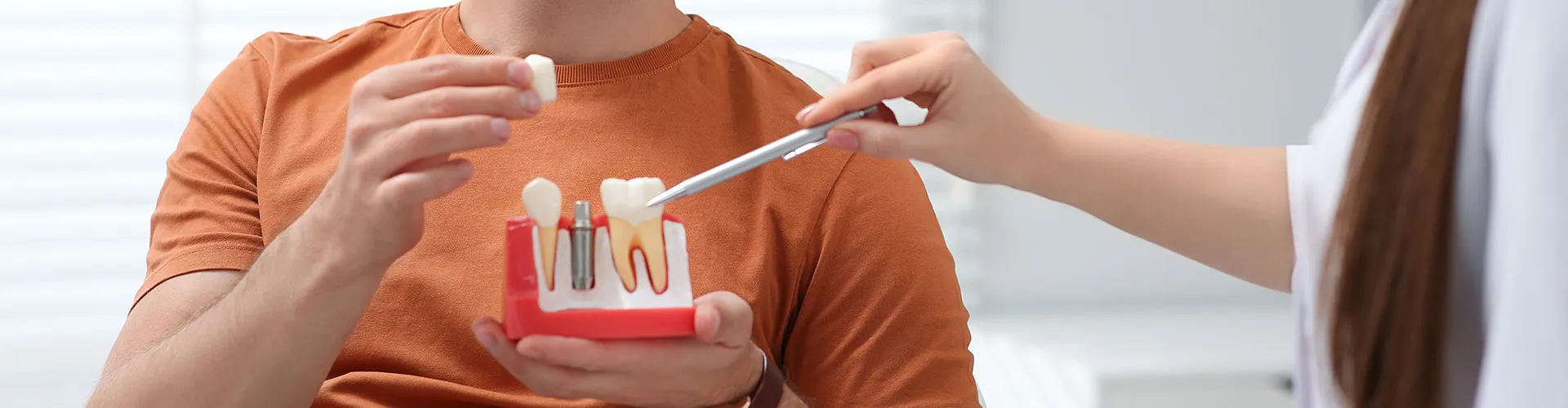
Dental Implants: Widely regarded as the gold standard for tooth replacement, dental implants offer a durable and permanent solution. An implant consists of a titanium post that serves as an artificial root, which is surgically inserted into the jawbone. Over time, the implant integrates with the bone in a process known as osseointegration, providing stable support for a crown that is custom-made to match the color and shape of your natural teeth. Implants are not only aesthetically pleasing but also function like natural teeth, allowing for normal eating, speaking, and smiling. They also help preserve the jawbone and prevent bone loss, contributing to facial structure stability.
Bridges: Dental bridges are a popular choice when the adjacent teeth are healthy enough to support the structure. A bridge consists of one or more prosthetic teeth that fill the gap left by the missing tooth, anchored on either side by crowns placed over the natural teeth or implants. This option is less invasive than implants and can be completed in fewer visits to the dentist. Bridges restore the functionality and appearance of your teeth by preventing the shifting of adjacent teeth and maintaining the shape of your face.
Dentures: For patients missing several teeth or when budget constraints are considered, dentures offer a versatile and cost-effective solution. Dentures can be either partial or complete and are custom-designed to fit your mouth and match your existing teeth. While traditional dentures are removable, making them easy to clean, they also require adjustments over time to accommodate changes in your jaw structure. For a more stable option, implant-supported dentures provide increased comfort and stability, as they are anchored by implants placed in the jawbone.
Resin-Bonded Bridge (Maryland Bridge): Particularly useful for replacing front teeth, the resin-bonded bridge involves a false tooth with wings on each side that are bonded to the existing adjacent teeth. This method is less invasive than traditional bridgework since it doesn’t require filing down the adjacent teeth to nearly the same extent. It’s a suitable option for patients looking for a less permanent solution or those whose neighboring teeth do not need crowns.
Temporary Dentures (Flippers): For those seeking an immediate but temporary solution post-extraction, temporary dentures, often called flippers, can be used. These lightweight, removable dentures serve well while awaiting a more permanent option like implants or a bridge. They allow patients to maintain aesthetics and some functionality but are less durable than other solutions.
Each of these options has its specific benefits and considerations, making it essential to consult with your dental professional to determine which solution best meets your individual needs. This decision will depend on various factors, including the health of your gums and jawbone, the number of teeth missing, your overall health, lifestyle preferences, and financial considerations.
Replacing a missing tooth promptly prevents the complications mentioned above and helps maintain the overall health of your mouth. The longer you wait, the more likely it is that adjacent teeth will shift, potentially creating a domino effect of dental issues. Additionally, jawbone deterioration progresses with time; thus, earlier intervention can help preserve the bone structure and save on future costs associated with more complex corrections.
We understand that each smile we care for is unique. That's why we offer personalized consultation and treatment options to ensure that you receive the most suitable care following the extraction of a tooth. Waiting can complicate your situation and lead to further dental challenges. We're here to help guide you through the options for tooth replacement and ensure you make the best decision for your oral health and lifestyle.
If you have recently undergone a tooth extraction or are considering your options for an extracted tooth, don’t hesitate. Schedule an appointment with us today and take the next step towards a healthier, more complete smile.

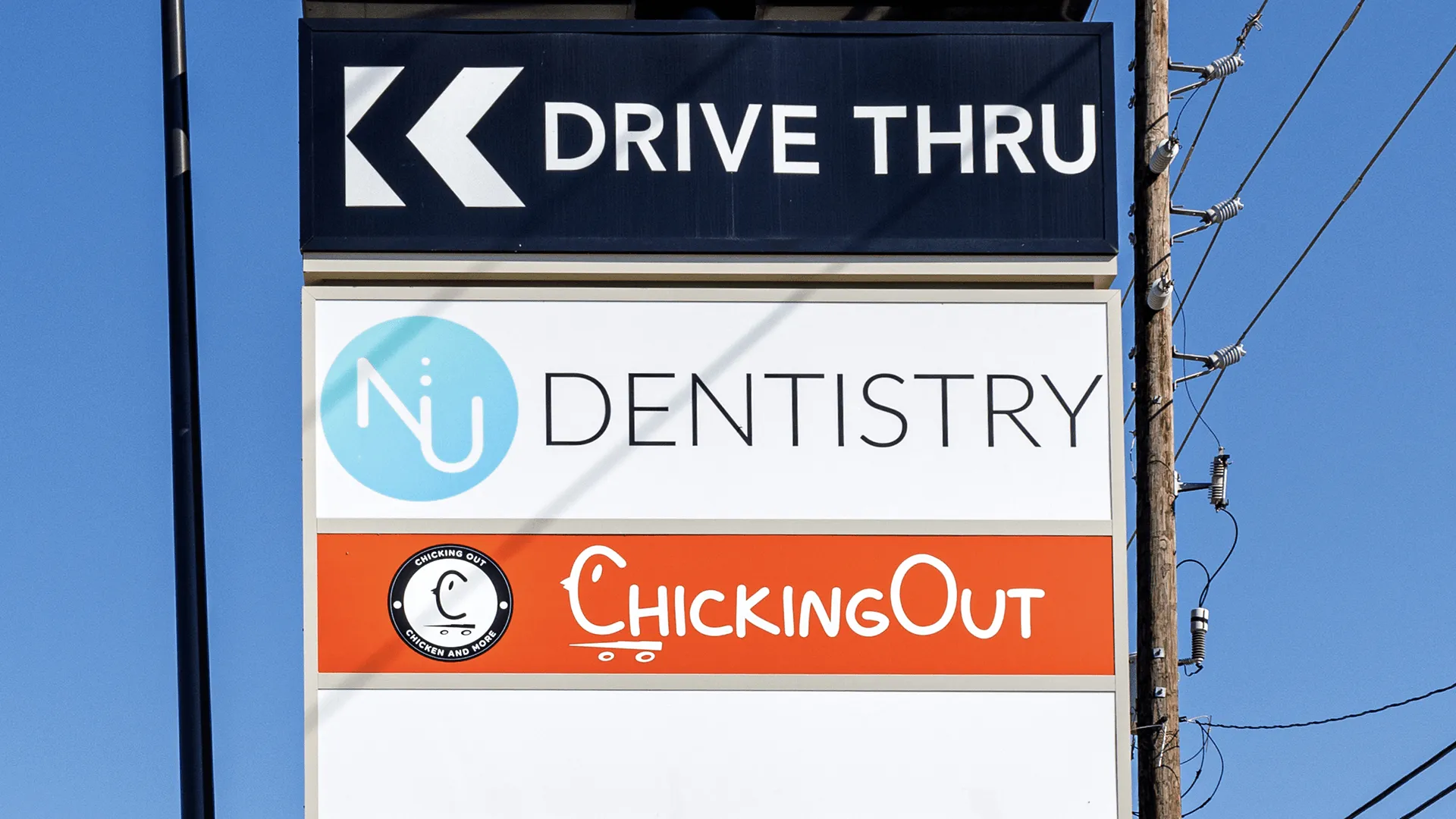
// NU DENTISTRY IN Cypress, Texas
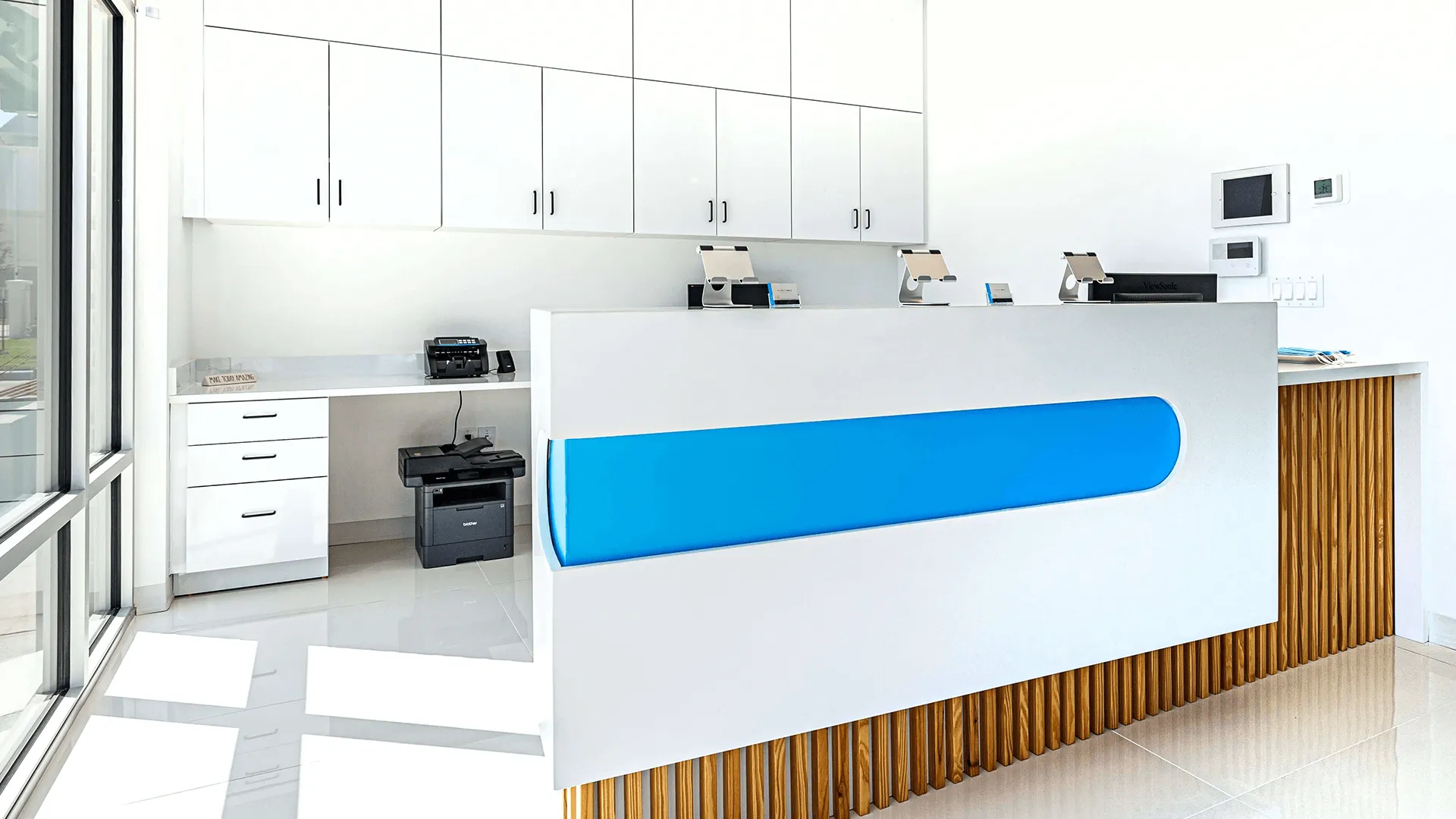
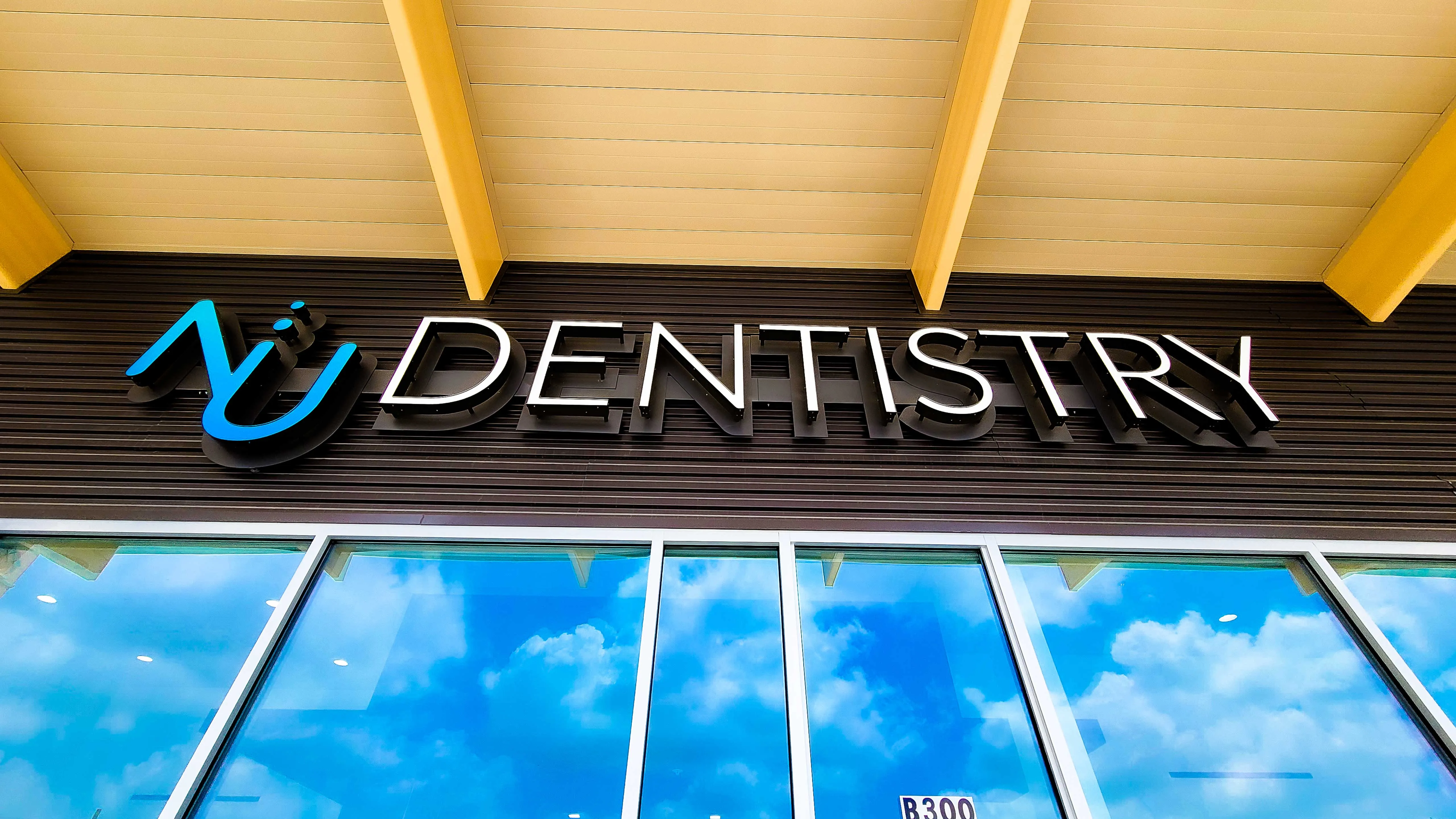
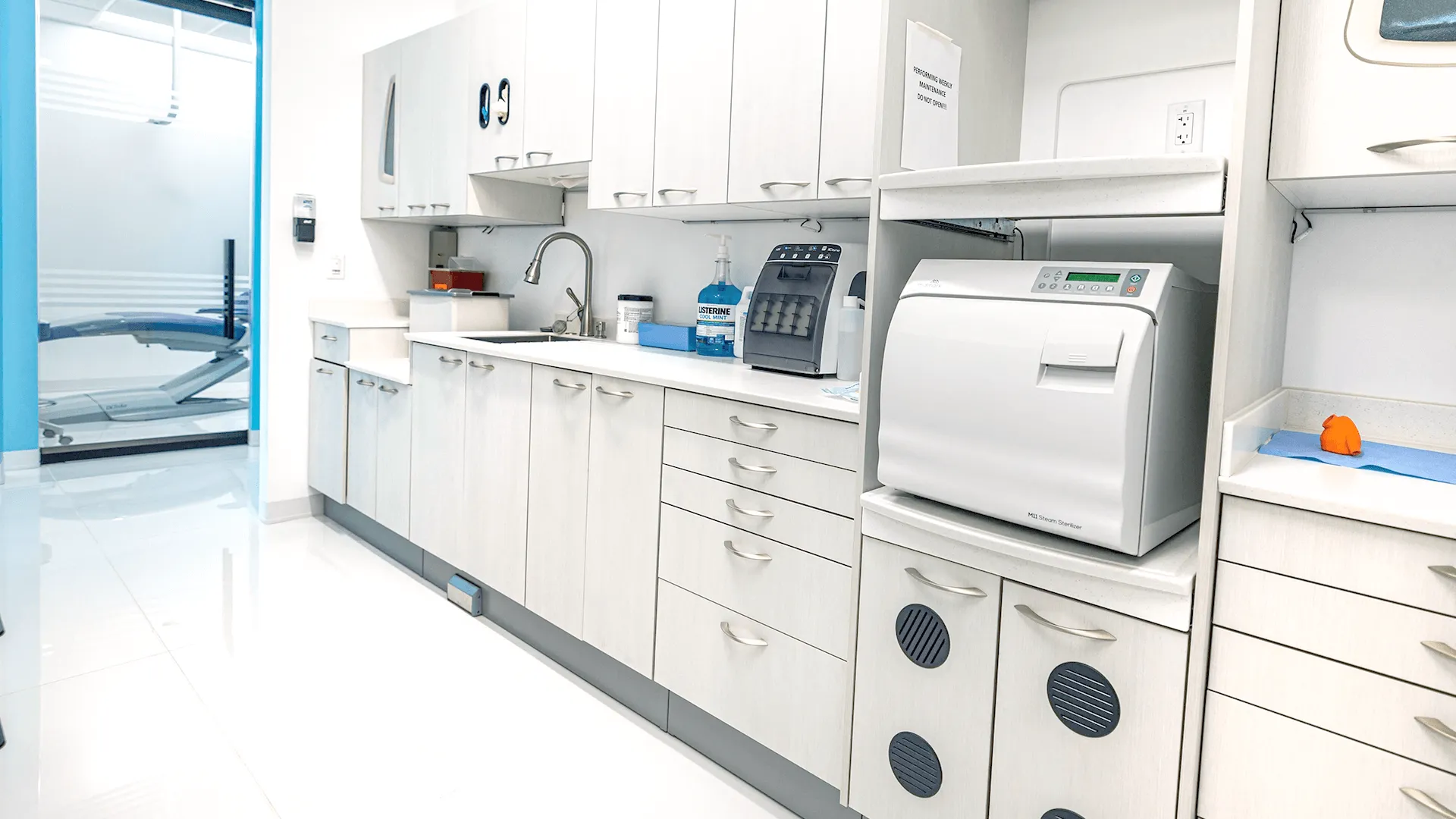
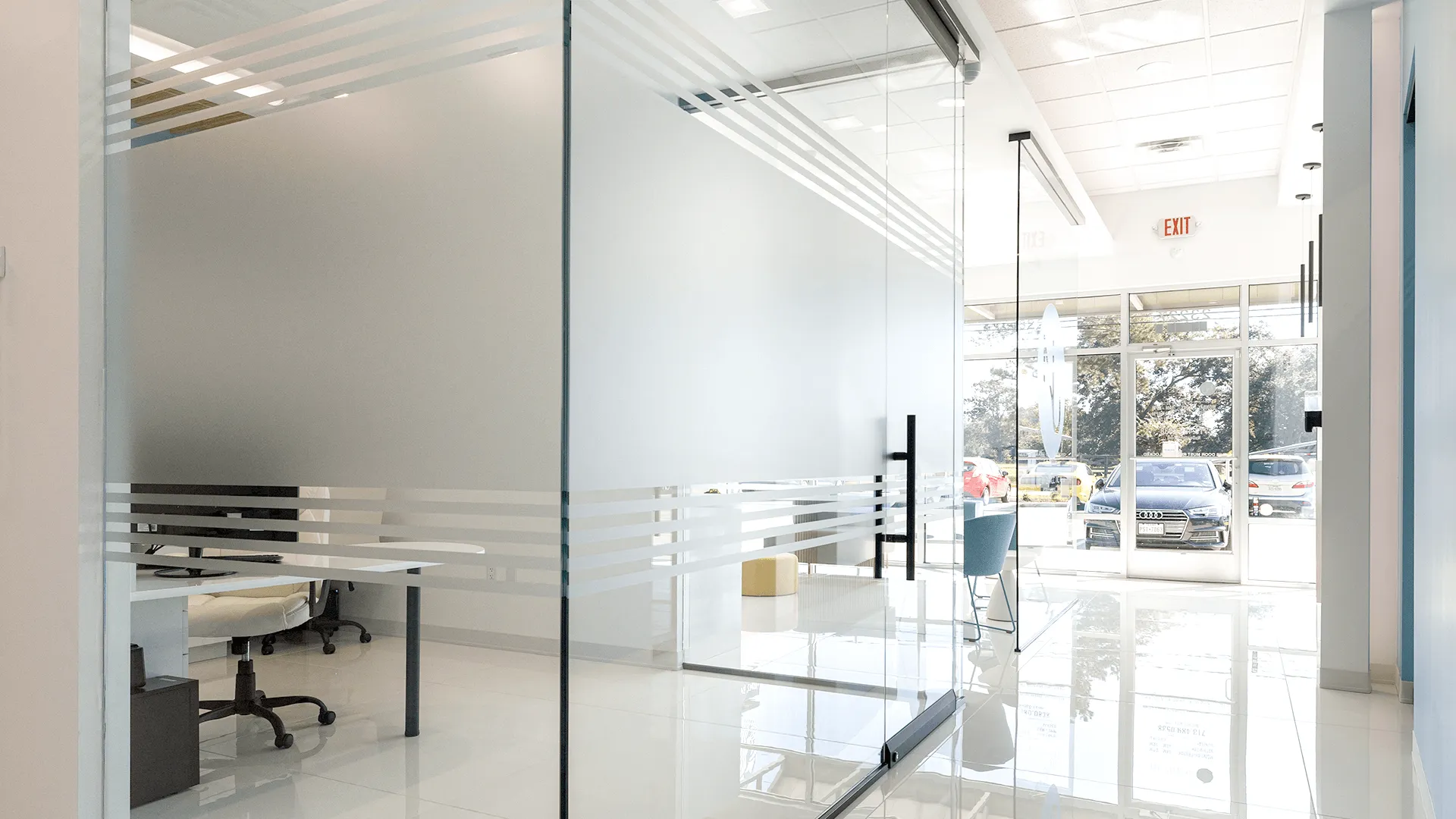
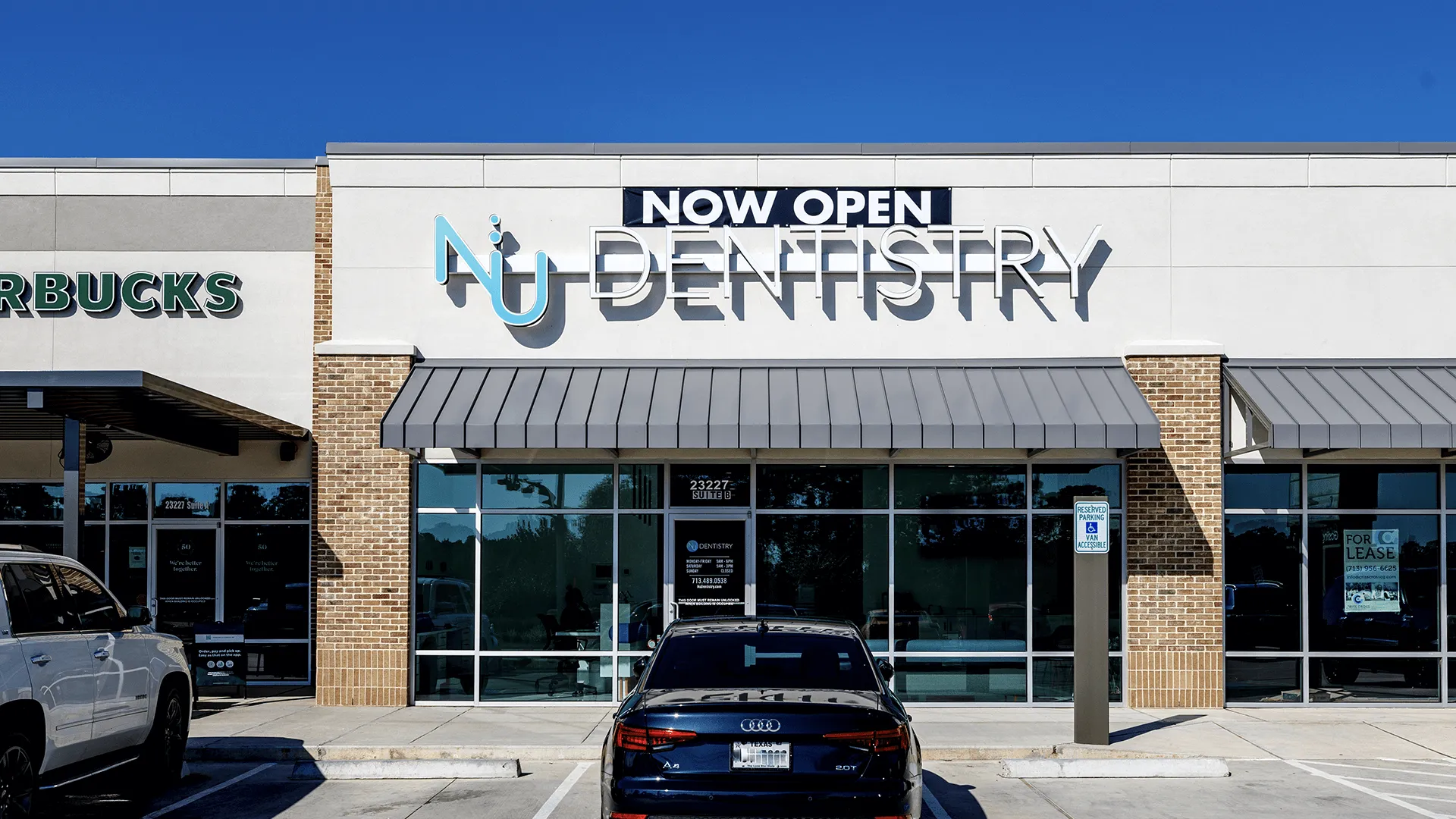
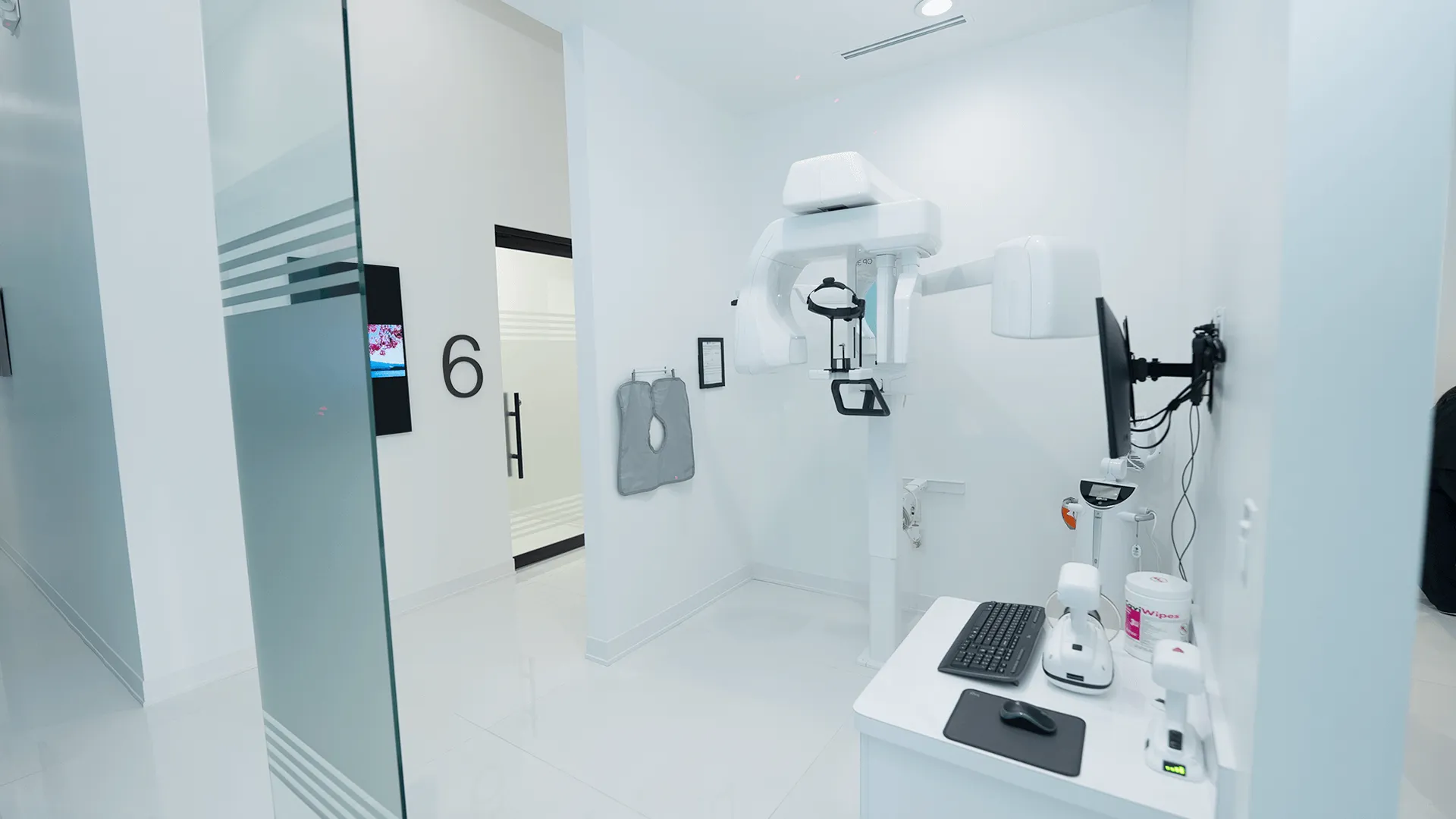
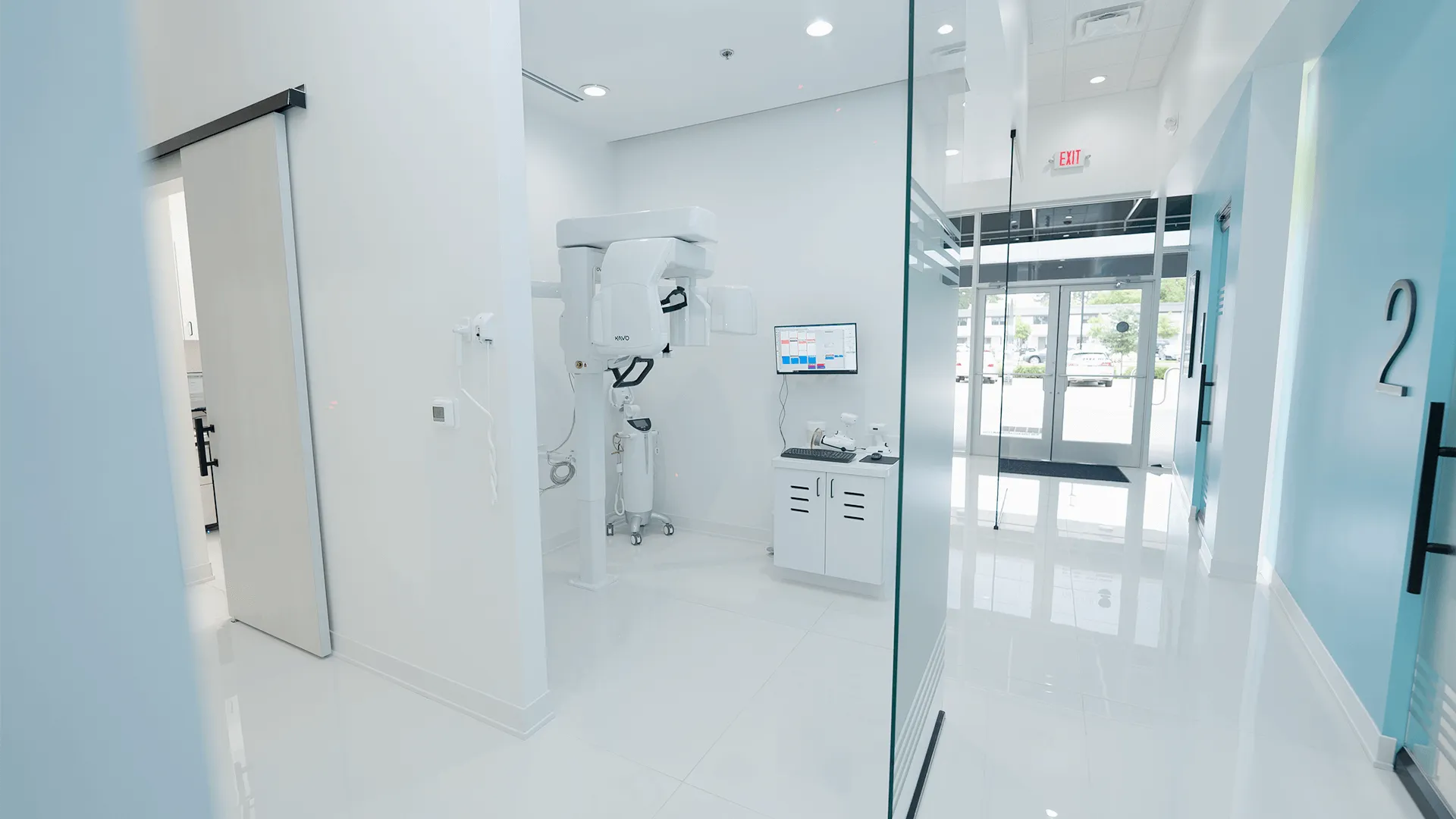
SEE WHAT A VISIT TO OUR MODERN, STATE-OF-THE-ART DENTIST OFFICE IS LIKE








Monday 9am - 6pm
Wednesday 9am - 6pm
Friday 9am - 6pm
Saturday 9am - 3pm
8940 Barker Cypress Rd. Cypress, TX 77433
3201 N. Shepherd Dr. Suite 113, Houston, TX 77018
8145 Highway 6, Building B #200, Missouri City, TX 77459
11115 W Grand Parkway S, Suite 140, Richmond, TX 77407
23227 Gosling Rd. Suite B, Spring, TX 77389
5706 San Felipe St. Ste B-300, Houston, TX 77057
// PATIENT TESTIMONIALS Cypress, TX
CHECK OUT WHAT OUR PATIENTS ARE SAYING IN CYPRESS, TX




// CARING DENTISTS Cypress, TX
OUR SOCIALS
FOLLOW US ON THESE SOCIAL MEDIA PLATFORMS