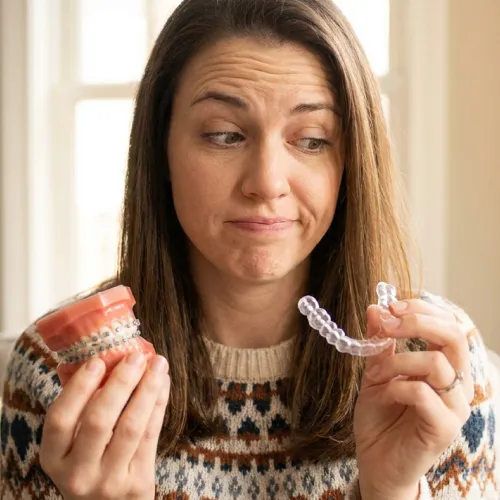
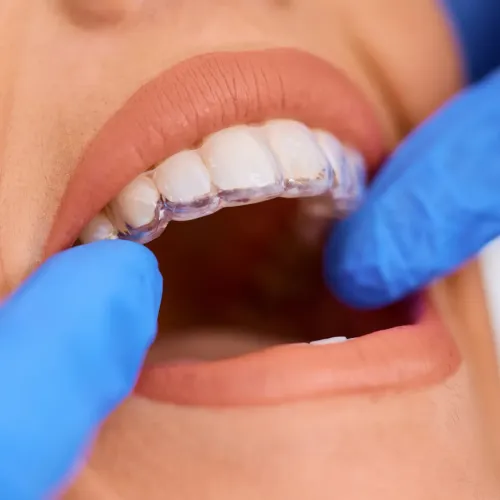
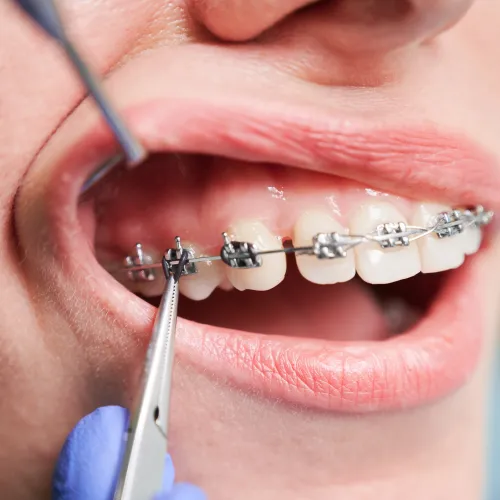
Braces vs. Invisalign: Which Is Actually Better for Complex Bites?
Are braces or Invisalign better for complex bites? Compare clear aligners and traditional braces to find your best fit. Book a consultation in Cypress today!
Read More

Emergency Dentistry
Root canals have gotten a bad reputation over the years, often being associated with pain and discomfort. But the truth is, root canals can actually save a damaged or infected tooth and prevent the need for more extensive and expensive dental procedures in the future. In this comprehensive guide, we're going to take a closer look at what root canals are, why they're necessary, and what you can expect during the procedure. Whether you're facing a potential root canal or just want to educate yourself on the topic, we've got you covered.
During the procedure, the dentist removes the damaged or infected pulp from the center of the tooth and then seals it to prevent future infection. The pulp, which contains nerves and blood vessels, can become damaged due to decay, injury, or a deep cavity. If left untreated, the infection can spread to the surrounding tissue and cause an abscess, which is a painful and serious condition.
To perform a root canal, the dentist will first numb the area around the tooth to minimize any discomfort. Then, they will make a small opening in the top of the tooth and use special tools to remove the damaged pulp. After cleaning and shaping the root canals, they will fill them with a rubber-like material called gutta-percha and place a temporary filling. Finally, the dentist will place a crown or permanent filling on the tooth to protect it and restore its normal function.
It's important to note that root canals have come a long way in recent years and are now much more comfortable and efficient than they used to be. With modern technology and techniques, most patients report little to no discomfort during or after the procedure. In fact, many people find that a root canal is much less painful than the toothache that led them to seek treatment in the first place! So, if you're facing a potential root canal, know that it's a common and routine procedure that can help save your tooth and get you back to a pain-free smile.
Yes, a dental crown is often recommended after a root canal. The reason for this is that the tooth is left weakened after the procedure, and a crown can help protect it from further damage or breakage. A crown also helps restore the tooth's normal function and appearance.
The type of crown used will depend on the location of the tooth and your personal preferences. Your dentist will discuss the options with you, including porcelain, ceramic, gold, or metal-free crowns. Once the crown is in place, it will provide a strong and durable covering for the tooth that should last for many years.
In some cases, a temporary crown may be placed after the root canal procedure, with a permanent crown placed at a later appointment. This is done to allow time for the tooth to heal and settle. Your dentist will provide instructions on how to care for the temporary crown and what to expect at your next appointment.
In conclusion, a crown after a root canal is an important step in protecting and preserving the treated tooth. It helps prevent further damage or breakage and restores the tooth's normal function and appearance. Your dentist will work with you to choose the best type of crown for your needs and ensure a successful and long-lasting result.
There are several factors that can cause you to need a root canal, including:
If you experience any of the following symptoms, it's important to seek dental treatment as soon as possible:
Early treatment can help prevent the need for a root canal or other more extensive procedures. If you're experiencing any of these symptoms, don't hesitate to schedule a dental appointment. Your dentist can assess the situation and recommend the best course of action to get your smile back on track.
When it comes to your dental health, choosing the right dental clinic is just as important as the procedure itself. A root canal is a complex procedure that requires the expertise and experience of a skilled and qualified dentist. That's why it's crucial to do your research and find a clinic that meets your needs and offers the level of care you deserve.
Here are some things to consider when choosing a dental clinic for your root canal:
By considering these factors, you can ensure that you choose the right dental clinic for your root canal and receive the best possible care. At our dental clinic, we pride ourselves on providing personalized, high-quality care to each of our patients. Our experienced dentists use the latest technology and techniques to ensure a comfortable and successful root canal procedure.
So, if you're facing a root canal or simply want to learn more about the procedure, we encourage you to schedule a consultation with us. Our friendly and knowledgeable team is here to answer any questions you may have and help you make an informed decision about your dental health. Contact us today to get started!



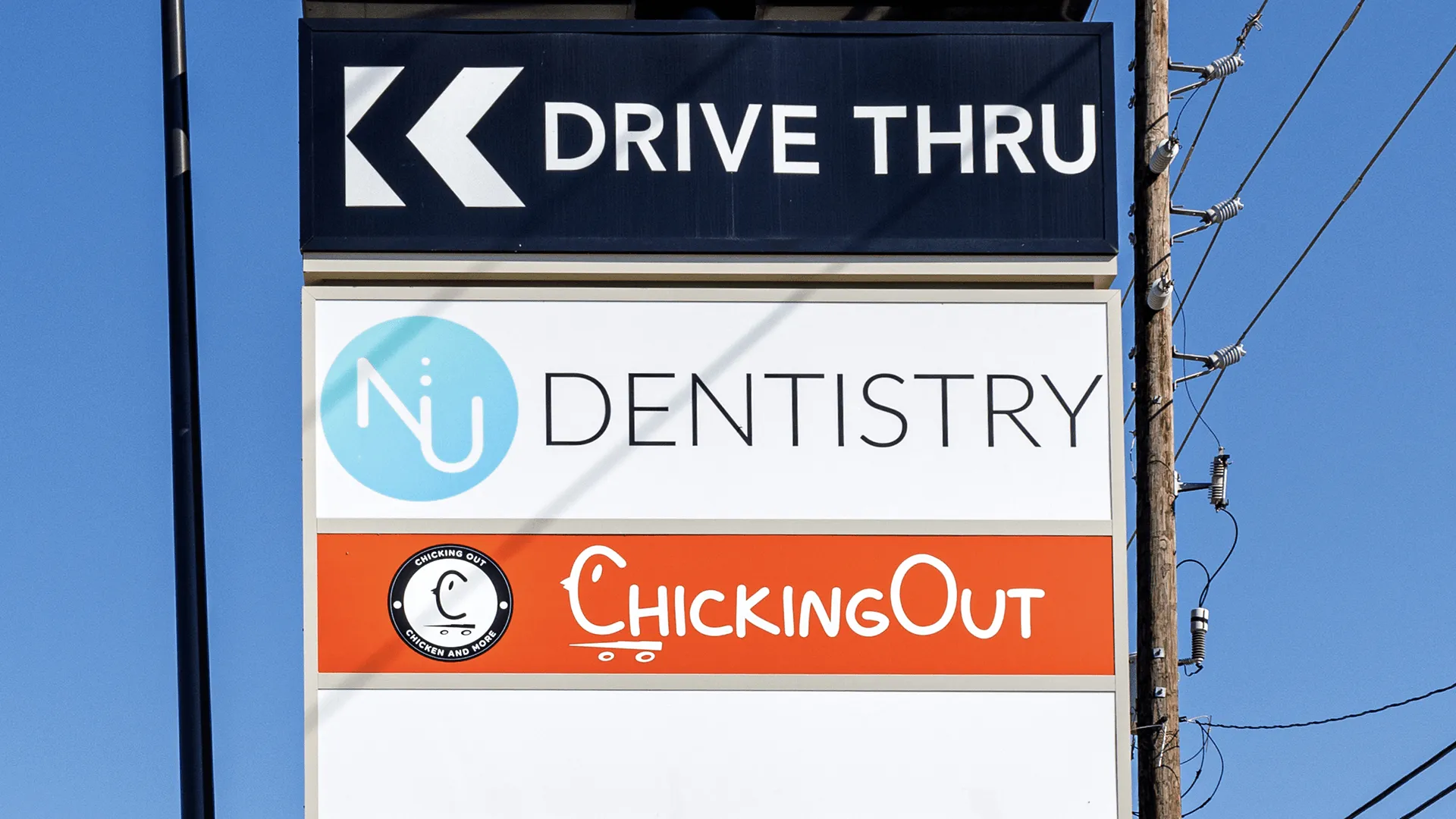
// NU DENTISTRY IN Cypress, Texas
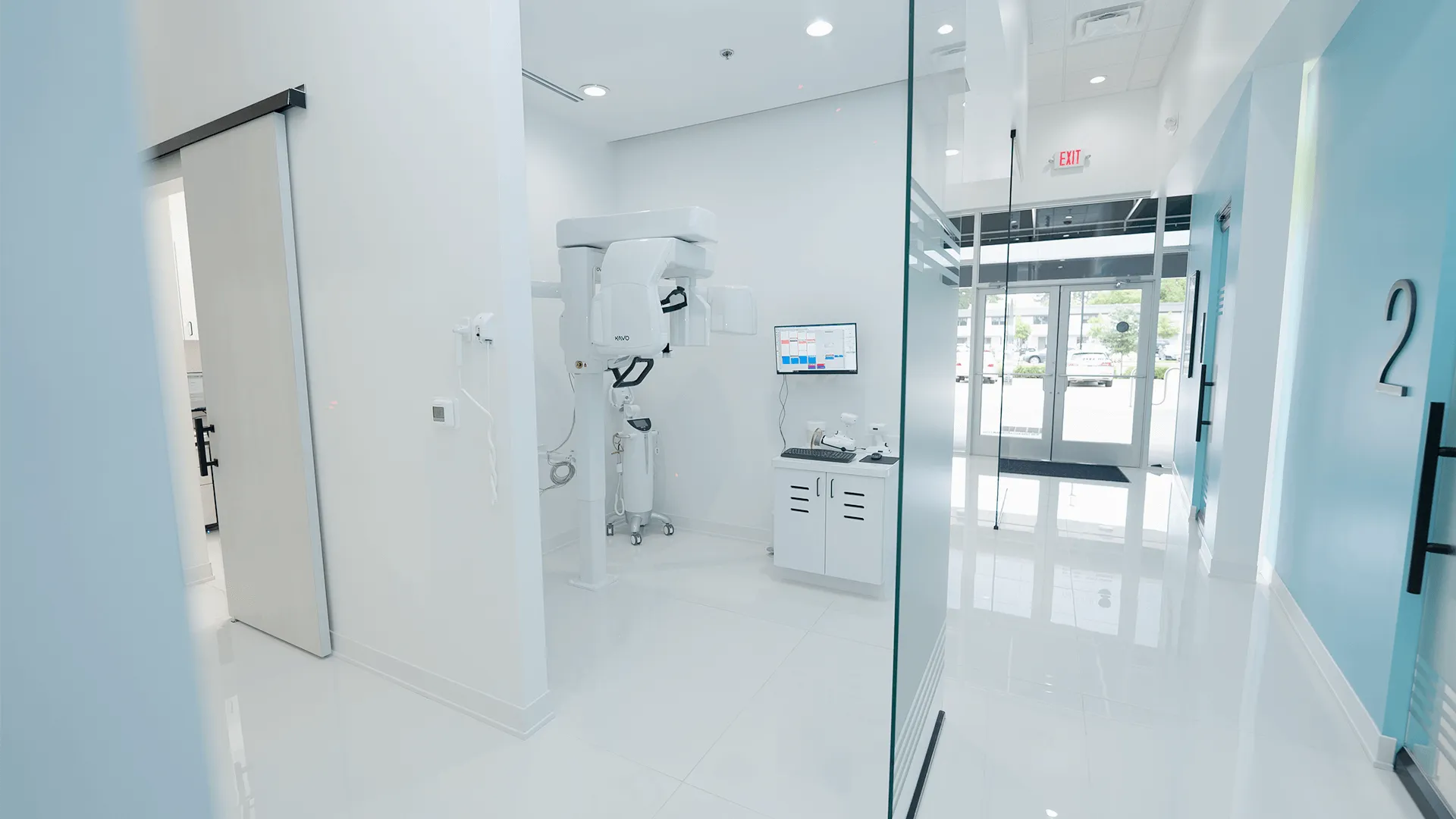
SEE WHAT A VISIT TO OUR MODERN, STATE-OF-THE-ART DENTIST OFFICE IS LIKE














Monday 9am - 6pm
Wednesday 9am - 6pm
Friday 9am - 6pm
Saturday 9am - 3pm
8940 Barker Cypress Rd. Cypress, TX 77433
3201 N. Shepherd Dr. Suite 113, Houston, TX 77018
8145 Highway 6, Building B #200, Missouri City, TX 77459
11115 W Grand Parkway S, Suite 140, Richmond, TX 77407
23227 Gosling Rd. Suite B, Spring, TX 77389
5706 San Felipe St. Ste B-300, Houston, TX 77057
// PATIENT TESTIMONIALS Cypress, TX
CHECK OUT WHAT OUR PATIENTS ARE SAYING IN CYPRESS, TX




// CARING DENTISTS Cypress, TX
OUR SOCIALS
FOLLOW US ON THESE SOCIAL MEDIA PLATFORMS