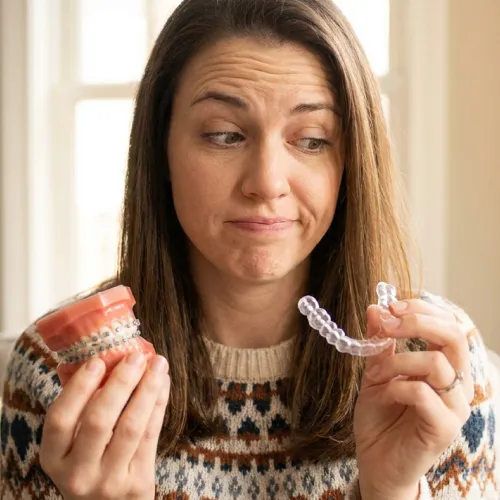
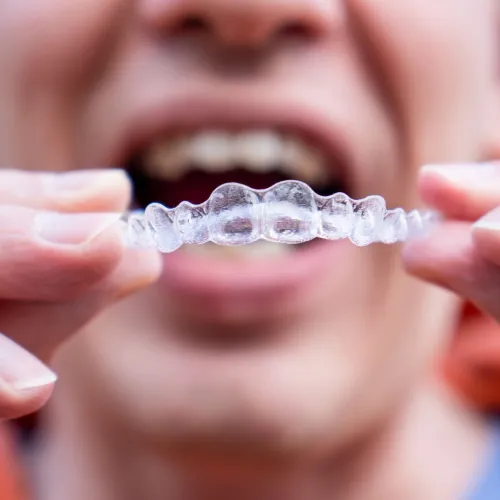
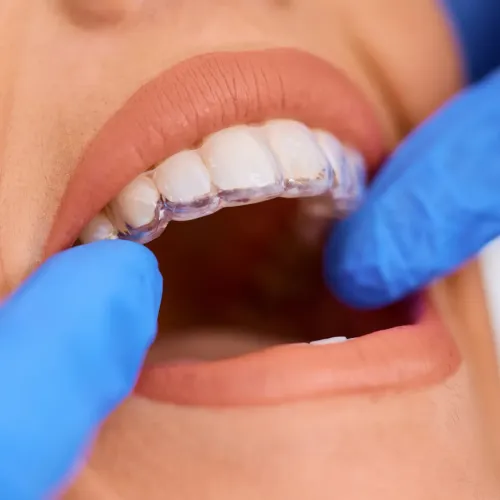
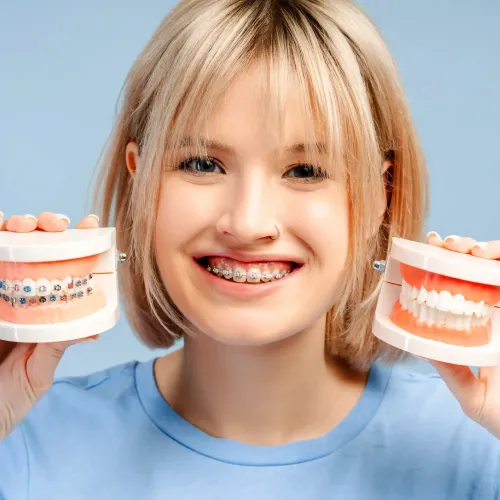
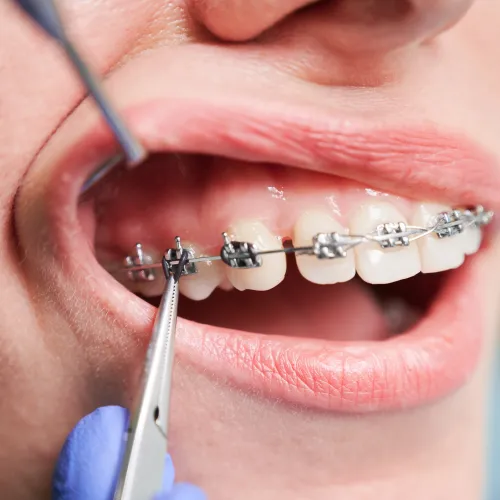
Braces vs. Invisalign: Which Is Actually Better for Complex Bites?
Are braces or Invisalign better for complex bites? Compare clear aligners and traditional braces to find your best fit. Book a consultation in Cypress today!
Read More
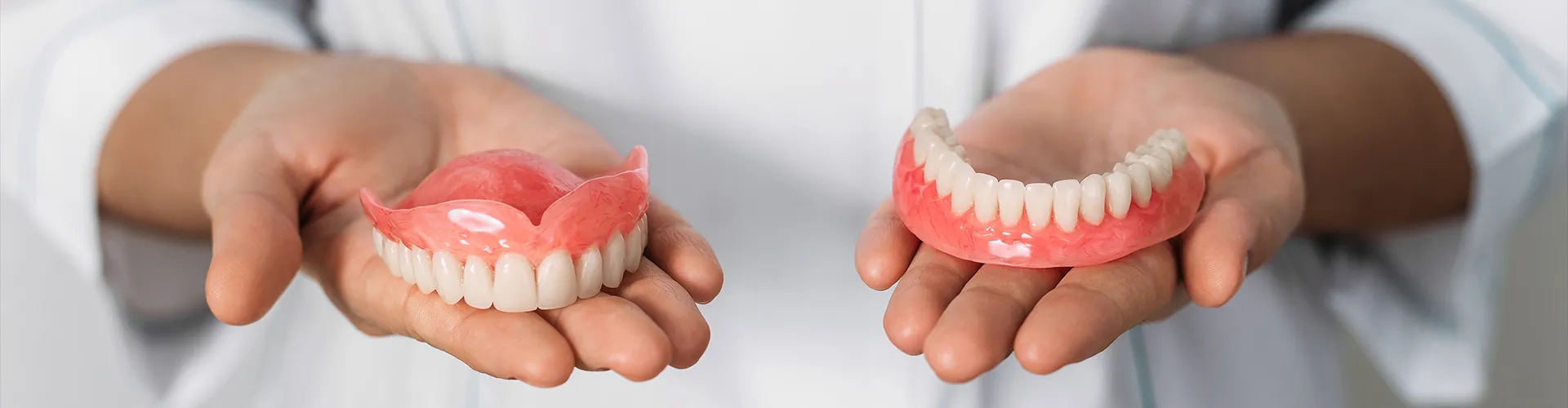
Restorative Dentistry
Whether you're considering dentures for yourself or for a loved one, it's important to have a clear understanding of the types of dentures, the procedures involved in getting them, and the costs associated with dentures.
Dentures can be a game-changer for those who have lost their natural teeth due to injury, decay, or other factors. They can provide a more youthful appearance, improve speech, and allow for better chewing and digestion. However, with so many options available, it can be overwhelming to navigate through the various types of dentures and procedures.
Today, we'll break down everything you need to know about dentures. We'll cover the different types of dentures, the procedures involved in getting them, and the associated costs. By the end of this post, you'll have a clear understanding of what to expect when it comes to dentures and how they can benefit your oral health and overall well-being.
There are several different types of dentures available, each with their own unique benefits.
No matter what type of denture you choose, it's important to work with your dentist to determine the best option for your specific needs. Your dentist can help you weigh the benefits and drawbacks of each type of denture and help you choose the one that will provide you with the best possible outcome.
The denture procedure can vary depending on the type of denture you choose and your specific needs, but generally, there are several steps involved.
The answer to this question depends on your individual needs and preferences. While both dentures and implants can provide a solution for missing teeth, they each have their own unique benefits and drawbacks.
Dentures can be a more affordable option and are a good choice for those who have experienced significant bone loss in their jaw. Implants, on the other hand, provide a more natural-looking and feeling solution, with better stability and longevity.
Another consideration is the maintenance involved with each option. Dentures require daily cleaning and periodic adjustments, while implants require regular check-ups and maintenance to ensure their longevity.
Ultimately, the decision between dentures and implants is a personal one that should be made in consultation with your dentist. They can help you weigh the benefits and drawbacks of each option and choose the one that is best suited to your individual needs.
It's also worth noting that there are other options available, such as implant-supported dentures or overdentures, that combine the benefits of both dentures and implants. Again, it's important to discuss all options with your dentist to determine the best choice for you.
No matter which option you choose, restoring your smile can have a significant impact on your oral health and overall well-being. If you're considering dentures or implants, schedule a consultation with our dental professionals to learn more about your options and determine the best course of action.
The cost of dentures can vary widely depending on several factors, including the type of denture, materials used, and your location. However, dentures can be a worthwhile investment in your oral health and quality of life.
The total cost typically includes the initial consultation and exam, impressions and molds, the denture itself, and any necessary adjustments. Depending on your individual needs, there may be additional costs for procedures such as tooth extractions or bone grafting.
Cost can also be affected by the materials used to create them. Acrylic dentures are typically less expensive than those made with porcelain or other materials. However, more expensive materials can provide a more natural-looking and feeling denture.
Many dental insurance plans offer coverage for dentures, and there are also financing options available to help make dentures more affordable. It's important to check with your insurance provider to determine your coverage and any out-of-pocket costs.
When considering how much to pay for dentures, it's important to remember that they are an investment in your oral health and overall well-being. Dentures can improve your ability to chew and speak, prevent further tooth loss, and provide a more youthful appearance.
If you're interested in learning more about the cost of dentures or want to schedule a consultation with one of our dental professionals, contact our office today! We can help you understand the costs involved and explore financing options to help make dentures a more affordable solution for you.


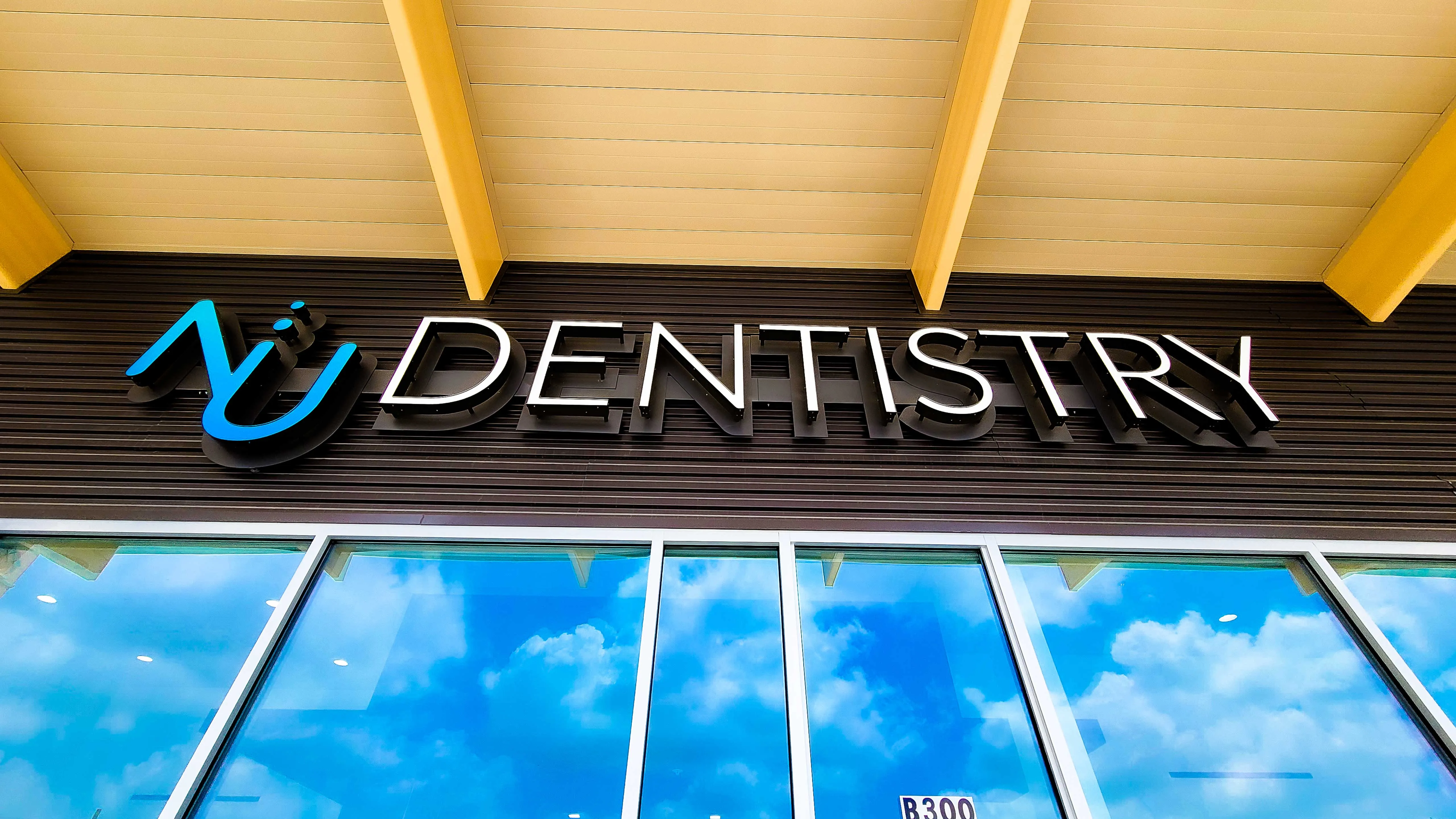
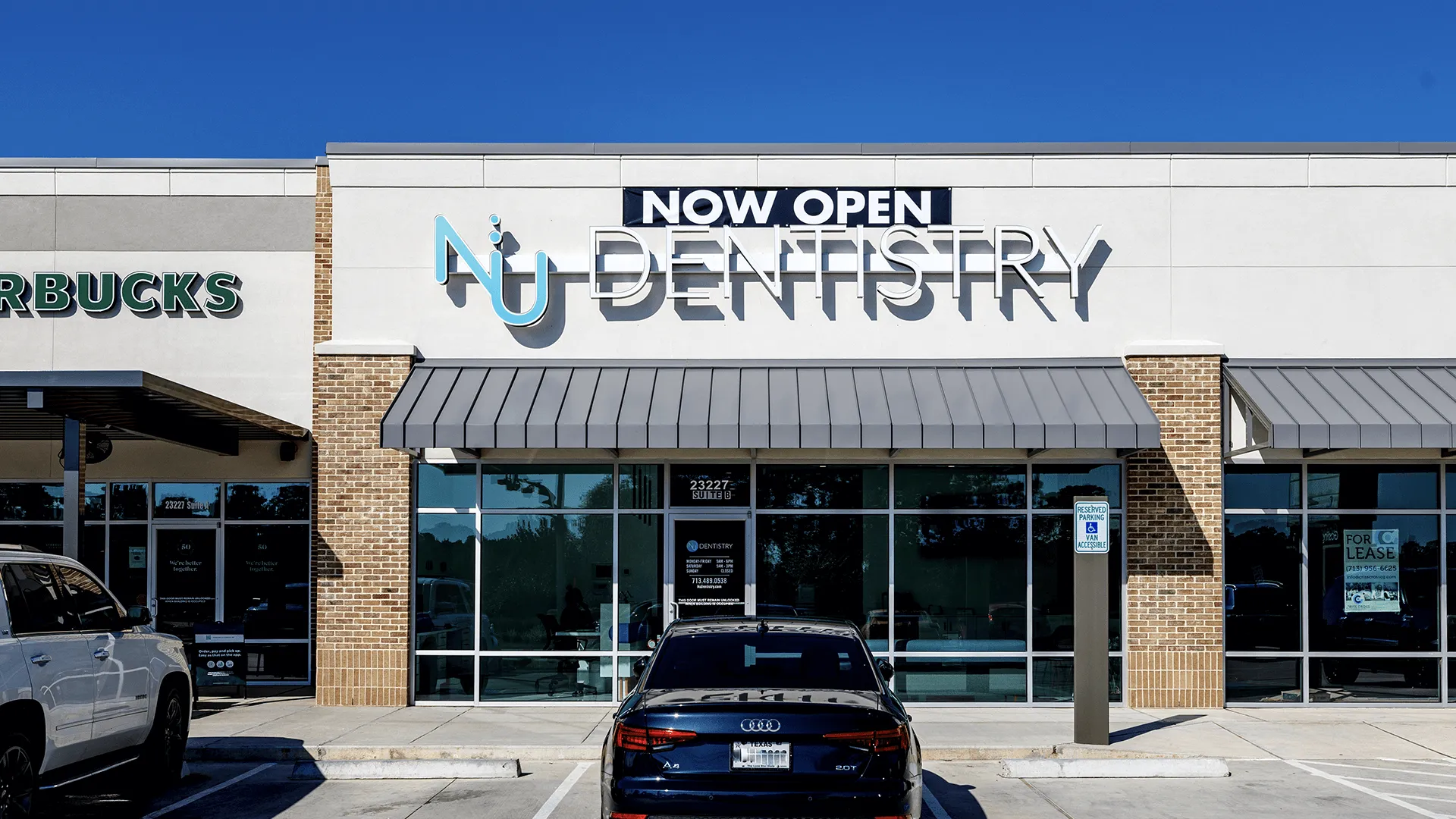
// NU DENTISTRY IN Cypress, Texas
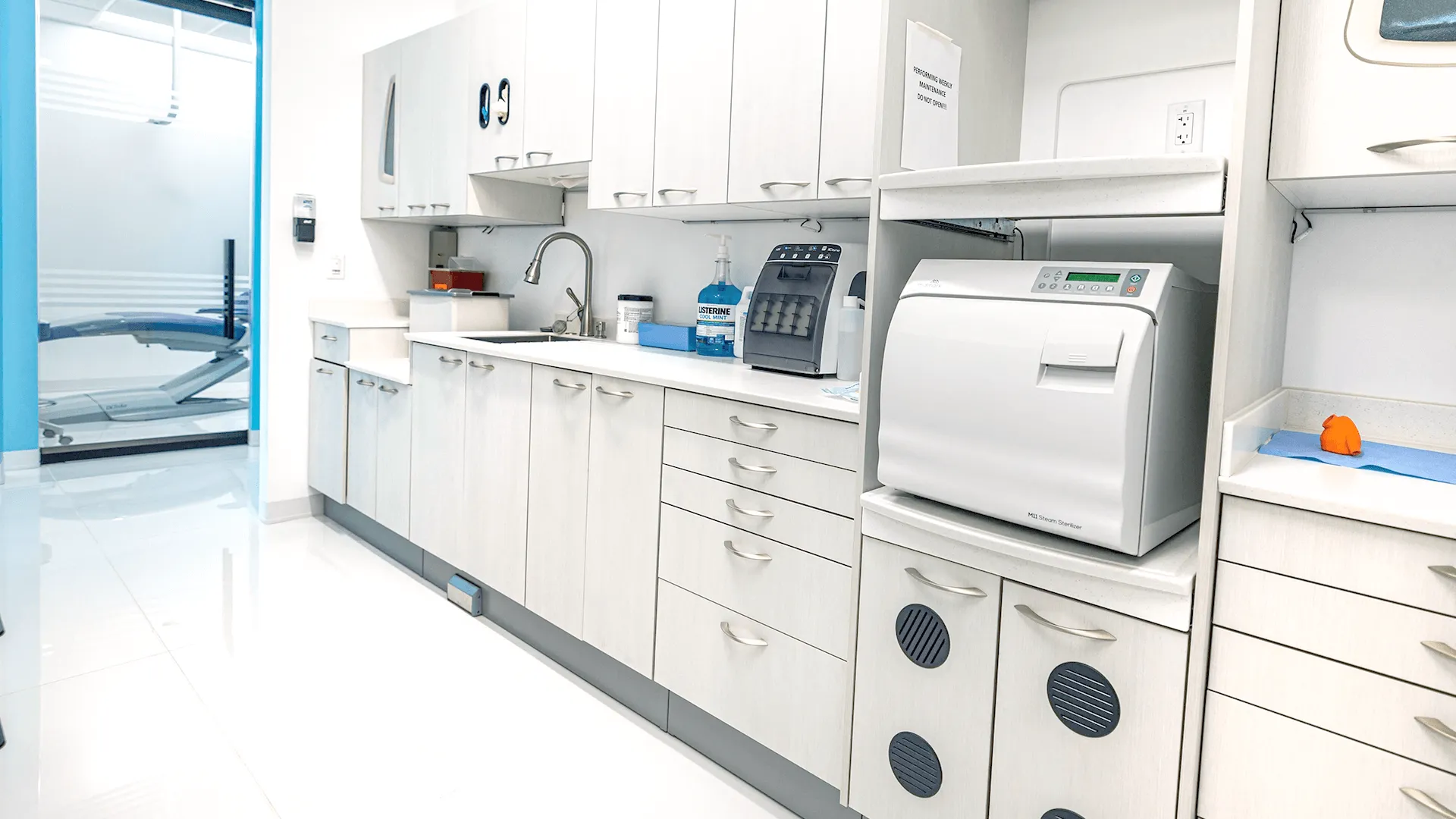
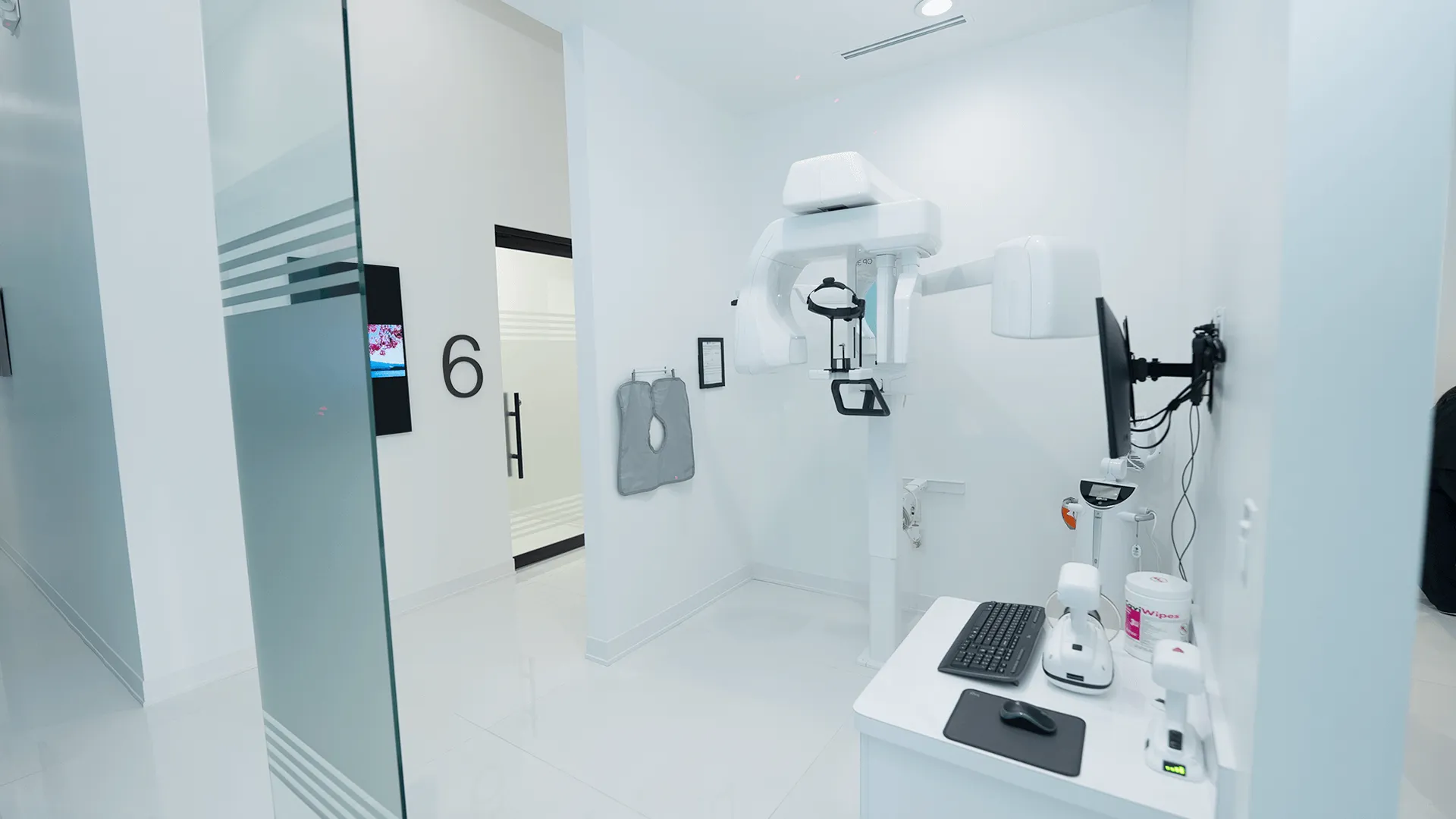
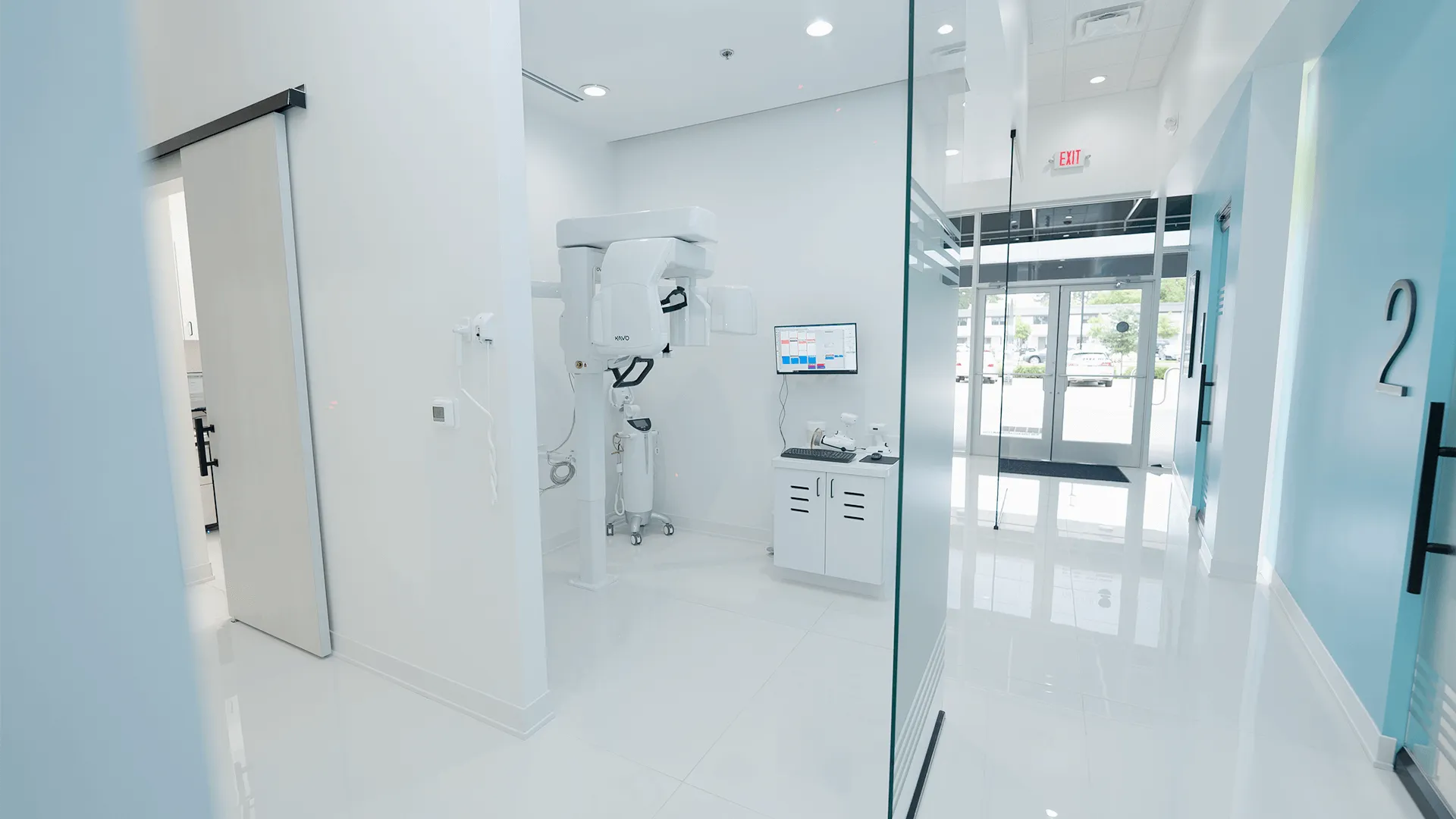
SEE WHAT A VISIT TO OUR MODERN, STATE-OF-THE-ART DENTIST OFFICE IS LIKE













Monday 9am - 6pm
Wednesday 9am - 6pm
Friday 9am - 6pm
Saturday 9am - 3pm
8940 Barker Cypress Rd. Cypress, TX 77433
3201 N. Shepherd Dr. Suite 113, Houston, TX 77018
8145 Highway 6, Building B #200, Missouri City, TX 77459
11115 W Grand Parkway S, Suite 140, Richmond, TX 77407
23227 Gosling Rd. Suite B, Spring, TX 77389
5706 San Felipe St. Ste B-300, Houston, TX 77057
// PATIENT TESTIMONIALS Cypress, TX
CHECK OUT WHAT OUR PATIENTS ARE SAYING IN CYPRESS, TX




// CARING DENTISTS Cypress, TX
OUR SOCIALS
FOLLOW US ON THESE SOCIAL MEDIA PLATFORMS